
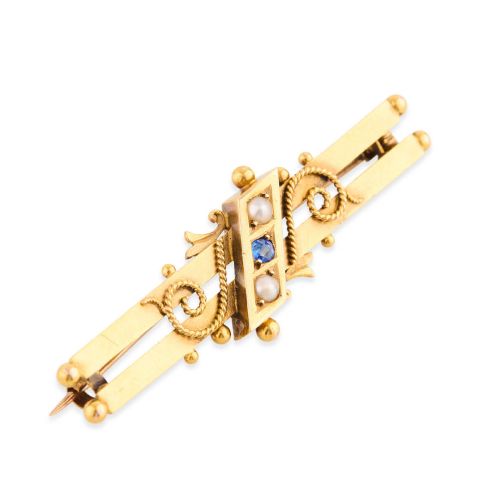


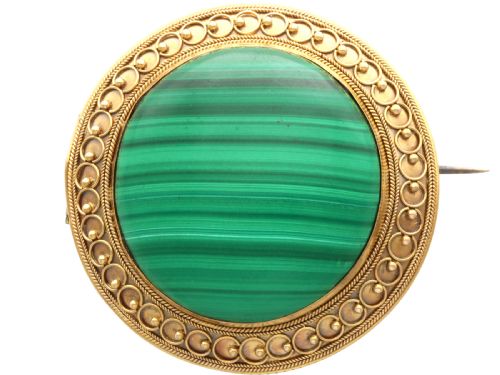


Late Victorian Gold Pin
A late victorian gold pin is a delicate piece of period jewellery, combining precious metals and gemstones to wear on a lapel or fastening.
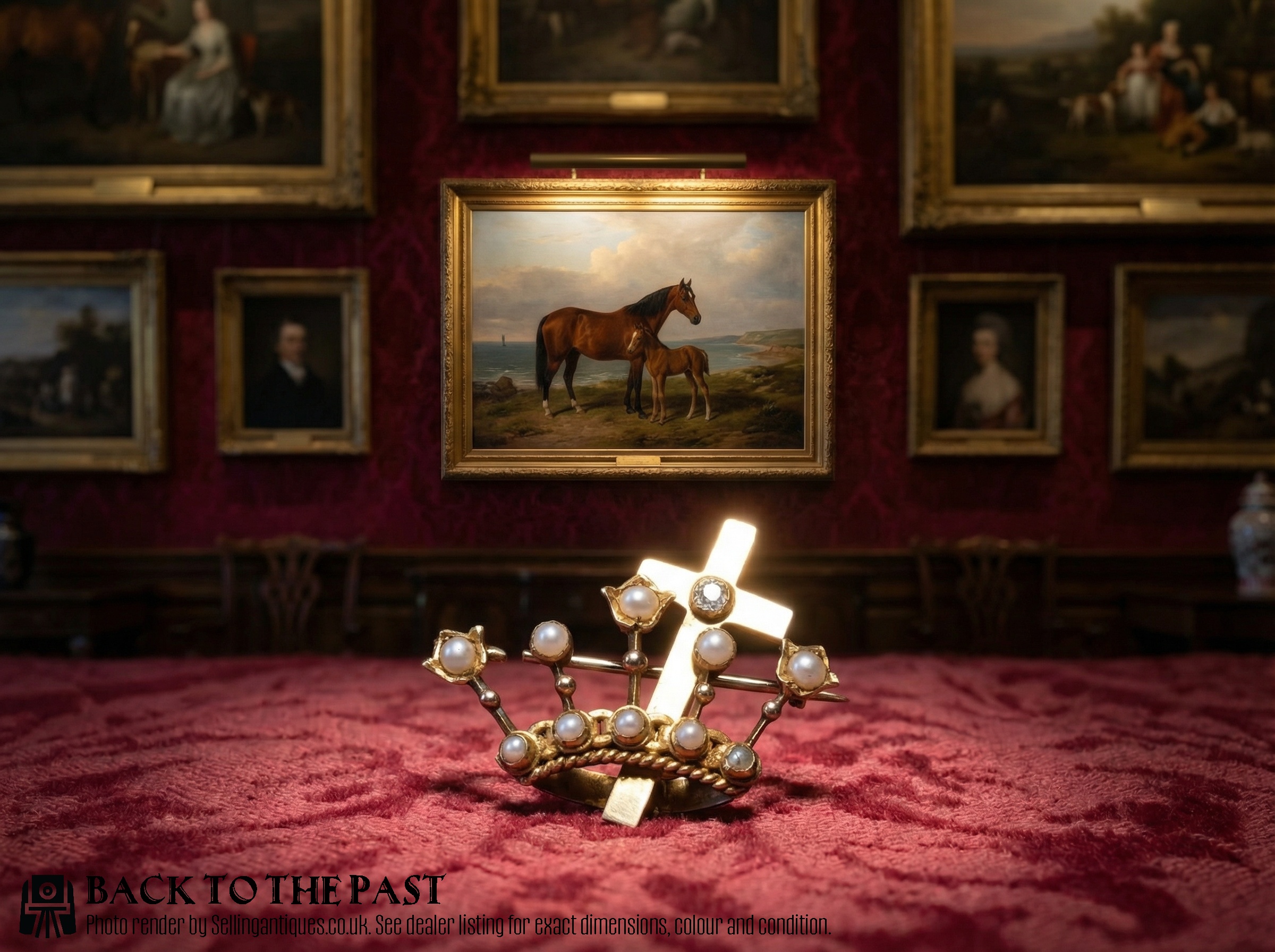
Late Victorian Gold Pin
A late victorian gold pin encompasses various forms of jewellery including bar brooches, pendants, and stick pins. These pieces frequently feature distinctive motifs such as floral arrangements, crescents, sunbursts, animals, and coronets.
The objects originate primarily from the late nineteenth century and the turn of the twentieth century, aligning with the Victorian and Edwardian periods. Buyers searching for a late victorian gold pin will commonly find hinged bar brooches and convertible pendant-brooches in these styles.
Materials and construction
Goldsmiths constructed these items using yellow gold in various purities alongside silver settings, incorporating gemstones like diamonds, sapphires, rubies, and emeralds. Many examples integrate seed pearls and cabochon stones such as chalcedony or malachite within the metalwork.
Makers shaped the precious metals into detailed figurative forms, such as butterflies, birds, mandolins, and buckle shapes, often securing stones in cluster or foliate motifs.
Listings for a late victorian gold pin frequently showcase yellow gold combined with diamonds, sapphires, and seed pearls.
Assessing quality and craftsmanship
The standard of a late victorian gold pin rests upon the proportion and scale of the precious stones set into the metal, alongside the complexity of the goldwork. Substantial gemstone weight and fine detailing distinguish the most elaborate examples from simpler designs.
Quality also shows in the variety of gold purities utilised by the maker, ranging from lower carat yellow gold up to fifteen carat and eighteen carat standards, which alters the richness of the metal tone.
The Late Victorian Gold Pin Glossary
- Bar brooch
- A horizontal pin featuring a narrow metal bar, often embellished with gemstones or central motifs. This form was exceptionally popular for daily wear during the late nineteenth century.
- Cabochon
- A gemstone shaped and polished with a smooth, rounded surface rather than faceted. This cut highlights the natural colour and lustre of stones like chalcedony and malachite.
- Seed pearl
- A very small, naturally occurring pearl used in clusters or borders. These delicate pearls add subtle luminescence to floral and geometric jewellery designs.
- Stick pin
- A long pin topped with a decorative ornamental head, originally designed to secure a necktie or lapel fabric. They showcase miniature motifs such as diamonds set in gold.
- Crescent
- A moon-shaped jewellery motif frequently set with graduated diamonds or rubies. This romantic design was a staple of late nineteenth-century ornamentation.
Late Victorian Gold Pin: Frequently Asked Questions
How do I wear a late victorian gold pin?
These pieces secure onto coats, scarves, and structured fabrics using their original pin stems and safety catches. Many convertible examples also feature hidden loops allowing them to be worn suspended from a chain as a pendant.
Heavier gem-set versions require sturdy fabrics to support their weight properly throughout the day.
What gold purities should I expect?
Makers of this era utilised a broad spectrum of gold standards for their pins. You will encounter pieces rendered in lower purities like nine carat and eight carat, alongside richer fifteen carat and eighteen carat yellow gold.
Silver was also occasionally combined with gold, particularly in earlier Victorian pieces, to provide a bright contrasting setting for diamonds.
How can I tell the period?
Dating relies on stylistic clues, fastener types, and metal composition recorded across the pieces. Items from the late nineteenth century often display characteristic foliate, floral, or celestial motifs executed in yellow gold.
Later pieces bordering the Edwardian era lean towards lighter, airier cluster arrangements involving pearls and diamonds.
Are these pins convertible?
Numerous surviving examples function as both brooches and pendants. These versatile pieces incorporate a fold-down loop or a detachable bale on the reverse side.
This dual functionality allowed the original owner to pin the ornament to clothing or hang it from a neck chain.