
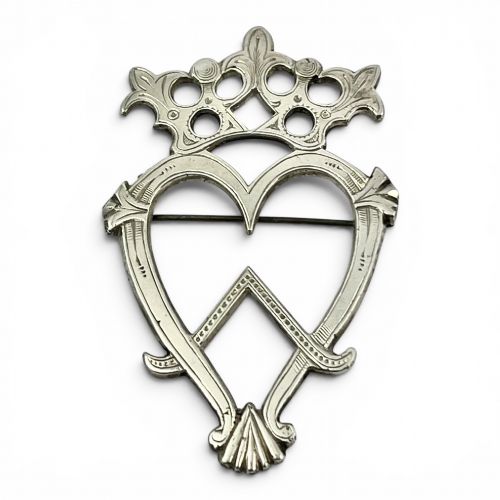
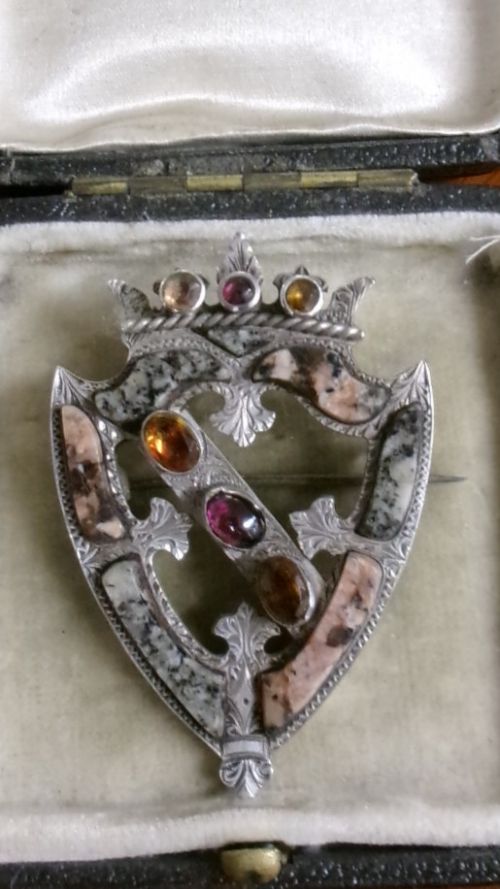


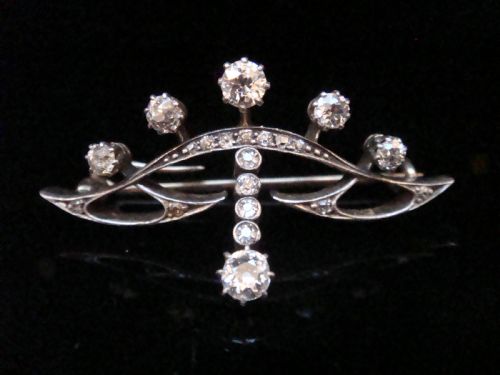


Antique Crown Pin
An antique crown pin represents regal symbolism captured in miniature, offering a wearable piece of history.
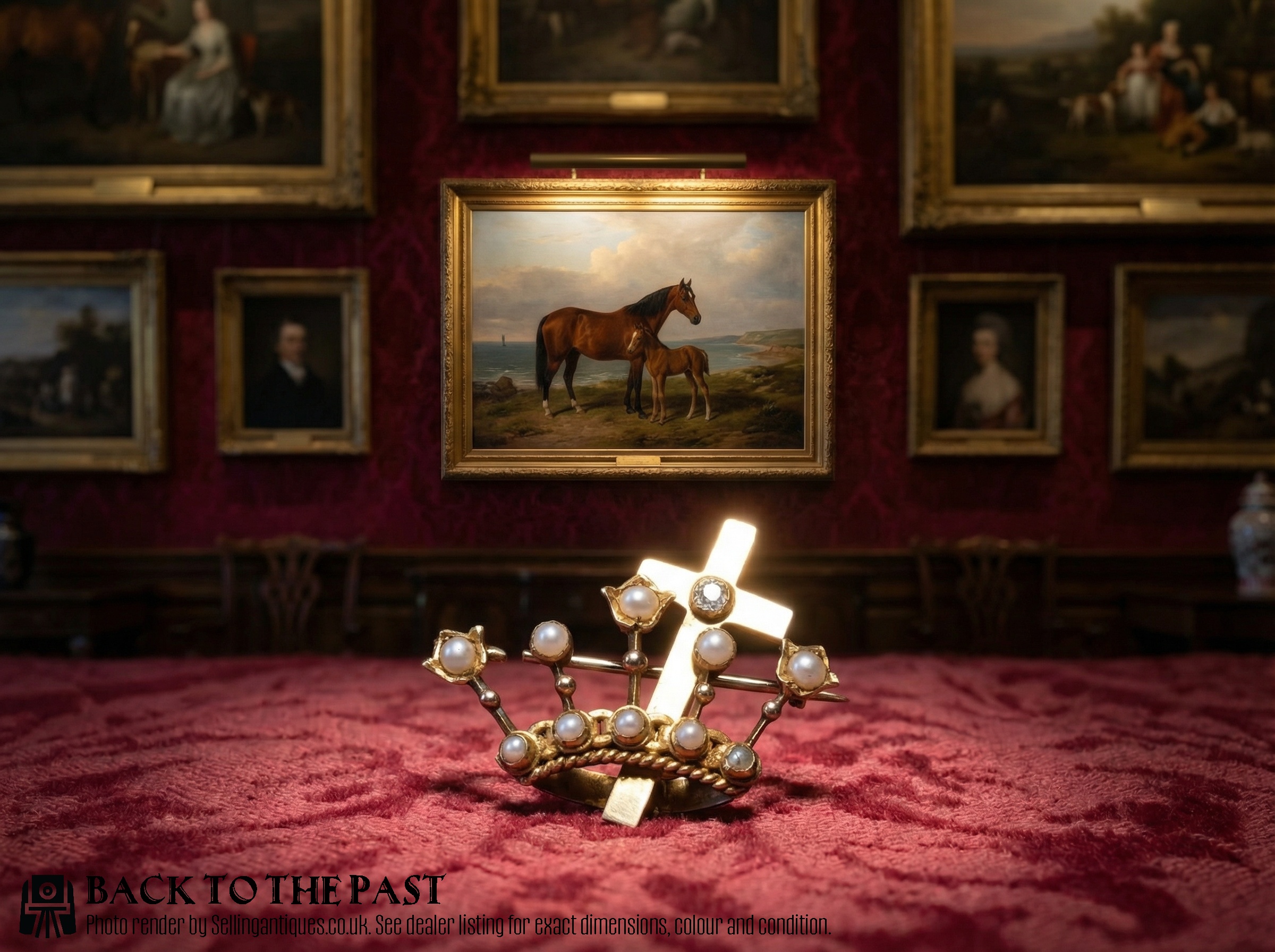
Antique Crown Pin
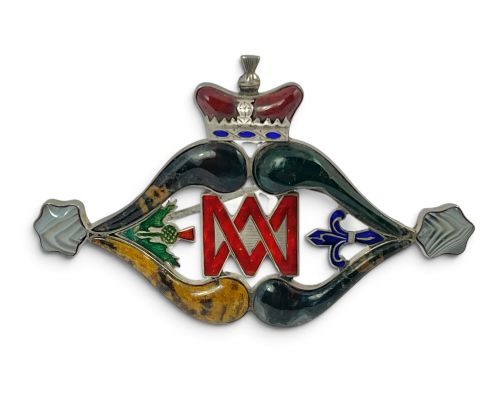
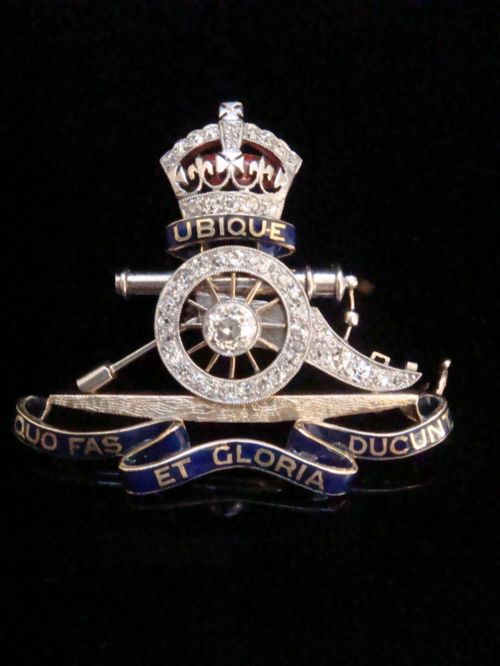
When you search for an antique crown pin, you encounter a selection of brooches, kilt pins, and hair accessories modelled after royal regalia. These ornaments span the Victorian, Edwardian, and mid-century periods, capturing the pageantry of past eras in precious metals.
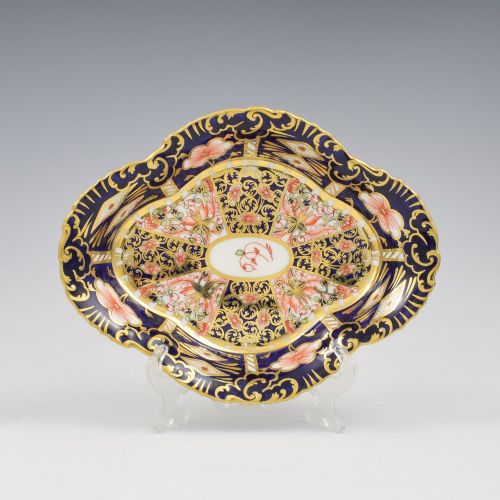
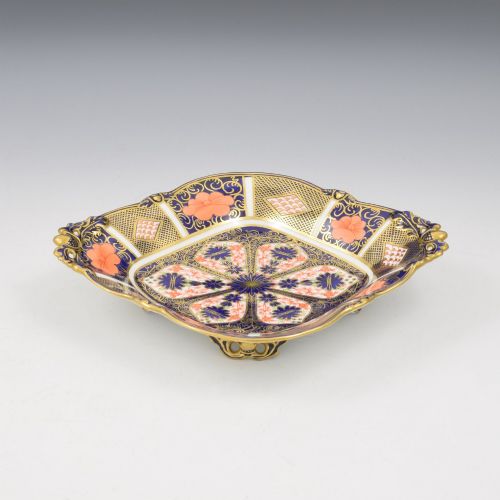
The pieces you meet most often on this page take the form of miniature coronets or heraldic motifs fashioned from silver and gold. Alongside personal jewels, the category encompasses related pin dishes and serving pieces bearing royal cyphers and crown motifs.
Origins range from Scottish workshops to continental makers, reflecting diverse regional tastes in royal commemoration. Whether executed as a delicate diamond tiara brooch or a solid silver pin cushion, each item centres on the enduring visual language of the crown.
How they were made
Goldsmiths and silversmiths constructed these jewels using 9ct and 18ct yellow gold, platinum, and sterling silver as foundational structures. Many examples incorporate delicate wirework and pierced settings to support the mounting of gemstones.
Lapidaries shaped diamonds, rubies, emeralds, sapphires, and natural pearls to accent the metallic framework of the coronets. Craftsmen also applied translucent enamel over textured silver bases to introduce rich colour and depth to the regal designs.
Listings feature items from the Victorian, Edwardian, and mid-century periods, utilising silver, gold, diamonds, and enamel.
What varies in quality
The sophistication of the stone setting distinguishes standard production from superior examples. Master jewellers secured melee diamonds and pearls with precise, minimal claw work that maximises light return.
Artistic execution in the enamelling and metal chasing determines the visual impact of the piece. Crisp lines in the heraldic motifs and smooth, even applications of enamel indicate higher tier craftsmanship.
Royal Crown Derby
The Antique Crown Pin Glossary
- Coronet
- A small crown worn by nobility, frequently replicated in Victorian and Edwardian brooches to signify status or loyalty.
- Kilt pin
- A traditional Scottish fastening pin, often rendered in silver with agate stones and regional motifs.
- Imari
- A distinctive style of Japanese porcelain featuring blue, iron red, and gold, adopted by English potteries like Royal Crown Derby.
- Paste
- Hand-cut lead glass used as a gemstone substitute in antique jewellery to imitate the brilliance of diamonds.
- Pin dish
- A small shallow tray designed for resting pins and small trinkets on a dressing table.
Antique Crown Pin: Frequently Asked Questions
How were crown brooches worn?
Victorian and Edwardian wearers pinned these jewels to lapels, bodices, hats, or scarves as statements of loyalty or fashion.
Scottish variants often secured tartan plaid on kilts or shawls with heavy silver settings.
How do I date a crown pin?
Dating relies on material combinations, gemstone cuts, and hallmarks stamped into the metalwork.
Victorian pieces often feature heavy gold and old cut diamonds, while mid-century designs show cleaner modernist lines.
Are these pins made of solid gold?
Many examples are fashioned from solid nine-carat or eighteen-carat yellow gold, alongside silver and platinum settings.
Enamel and gemstones are frequently integrated into the precious metal structure to enhance the royal design.