


Late Victorian Flower Vase
A late victorian flower vase brings late nineteenth-century craftsmanship into a room, offering both decorative presence and a traditional vessel for displays.
Late Victorian Flower Vase
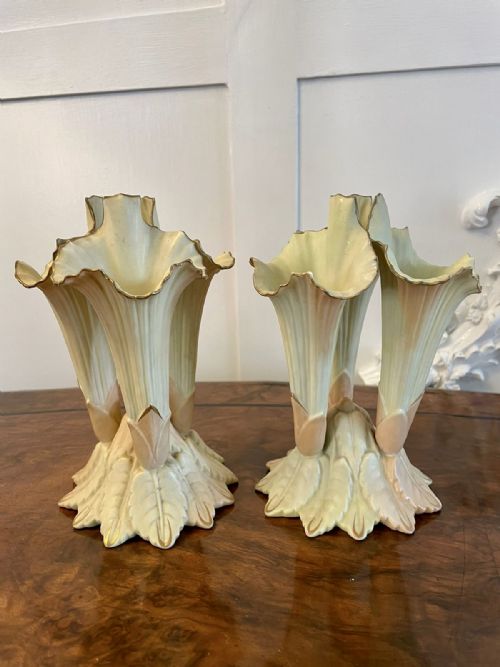
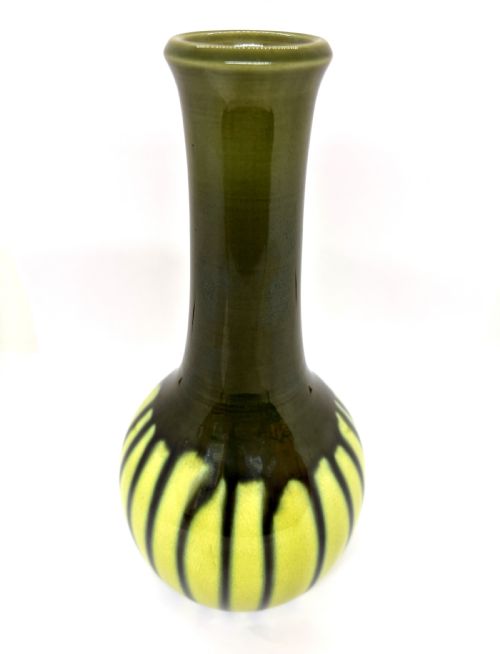
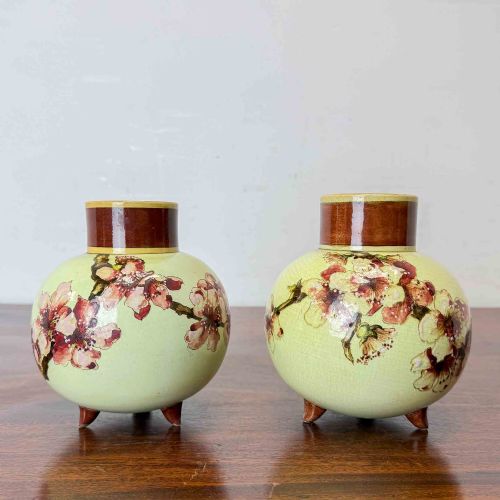
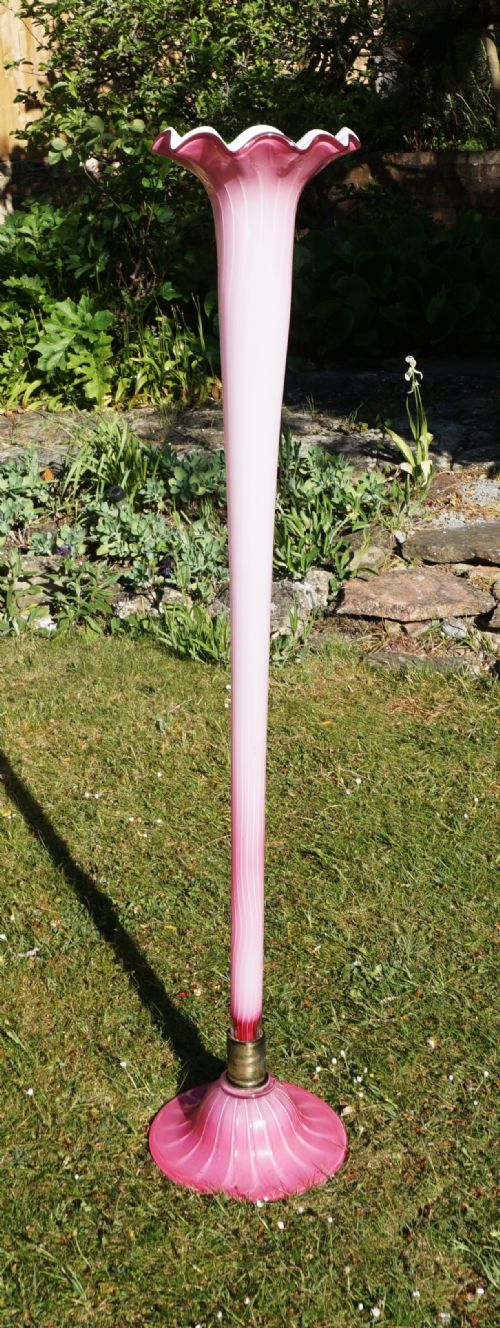
A search for late victorian flower vase uncovers nineteenth-century and turn-of-the-century receptacles intended for botanical displays, spanning spill vases, trumpet vases, and lidded urn forms. The pieces appearing here cross stylistic boundaries from Aesthetic Movement and Arts and Crafts to Rococo Revival, alongside related paintings and centrepieces.
Buyers frequently encounter ceramic, porcelain, earthenware, glass, and silver-plated examples produced during the late nineteenth century and Edwardian period. These items reflect the diverse manufacturing output of British potteries, continental porcelain works, and silversmiths active around eighteen ninety.
Materials and methods
Makers utilised porcelain, earthenware, and cased glass, often applying hand-painted oil paint, enamel, and delicate gilding or gold leaf to the surfaces. Ceramic bodies were shaped into forms such as beakers, urns, and trumpets, sometimes supported by modelled bases.
Metalwork pieces involved silver plating or combination with gilt bronze and crystal, while pottery benefited from specialised glazes and faience techniques. These methods allowed workshops to produce both decorative display items and functional receptacles.
Current listings feature porcelain, earthenware, and cased glass alongside silver-plated and crystal items spanning the Victorian and Edwardian eras.
Assessing the standard
Quality rests in the precision of hand-painted details, the execution of applied gilding, and the sophistication of the ceramic or glass forming process. Superior examples display careful balance in form and clear attribution to established potteries or workshops.
The integration of decorative elements, such as enamel work or figural bases, distinguishes finer productions from standard commercial output. Preservation of the original surface finish and delicate decorative layers remains central to the character of each piece.
Locke & Co.·Doulton Lambeth·Doulton Burslem·Sitzendorf Porcelain·Royal Bonn
The Late Victorian Flower Vase Glossary
- Spill vase
- A tall, narrow receptacle designed originally to hold wooden spills for lighting fires and candles. These small vases frequently doubled as vessels for single flower stems.
- Faience
- Tin-glazed earthenware decorated with painted designs before firing. This technique allowed potteries to achieve vibrant floral and naturalistic surface patterns.
- Cased glass
- Glass formed from multiple distinct layers of different colours, often fused together during blowing. The outer layer was frequently cut away to reveal the contrasting colour beneath.
- Blush ivory
- A specific porcelain finish developed to imitate the soft tone of ivory, typically featuring delicate floral hand-painting. It gained popularity among late nineteenth-century British potteries.
- Gilt bronze
- Bronze mounted objects treated with a fine layer of gold or gold amalgam. This decorative finish added a rich metallic lustre to crystal and ceramic centrepieces.
Late Victorian Flower Vase: Frequently Asked Questions
How were trumpet vases used?
Trumpet vases were specifically shaped with flared rims to support long-stemmed cut flowers, allowing blooms to fan out gracefully. They served as table centrepieces or mantelpiece ornaments in nineteenth-century homes.
Their form provided stability at the base while displaying floral arrangements to maximum visual effect during dining and social gatherings.
How do I care for antique ceramic vases?
Clean ceramic and porcelain surfaces gently using a soft, dry cloth to remove dust. Avoid submerging painted or gilt pieces in water, as moisture can damage delicate enamels and gold leaf over time.
Keep them away from direct sunlight and areas prone to rapid temperature fluctuations to preserve the glaze and painted decoration.
How can I tell the period of a vase?
Dating relies on maker marks, ceramic bodies, and the stylistic vocabulary of the piece, such as Arts and Crafts motifs or Aesthetic Movement forms. Examining the base often reveals impressed or painted factory stamps characteristic of nineteenth-century production.
Materials like cased glass or blush ivory porcelain also provide strong stylistic indicators that align with specific manufacturing decades.