


Late Victorian Ceramic Jug
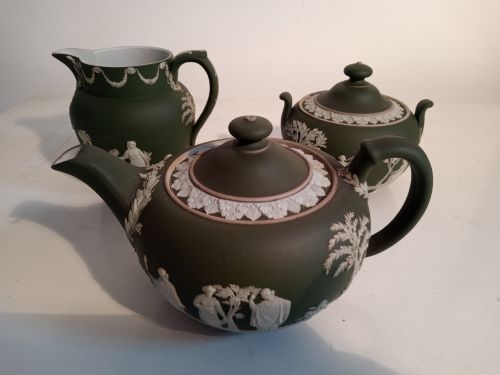
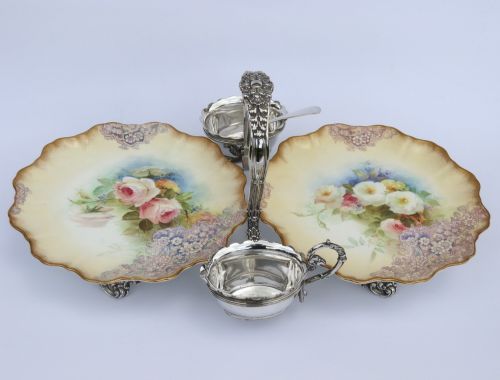
These late victorian ceramic jug pieces are functional vessels and decorative ewers crafted during the later decades of the nineteenth century.
Late Victorian Ceramic Jug
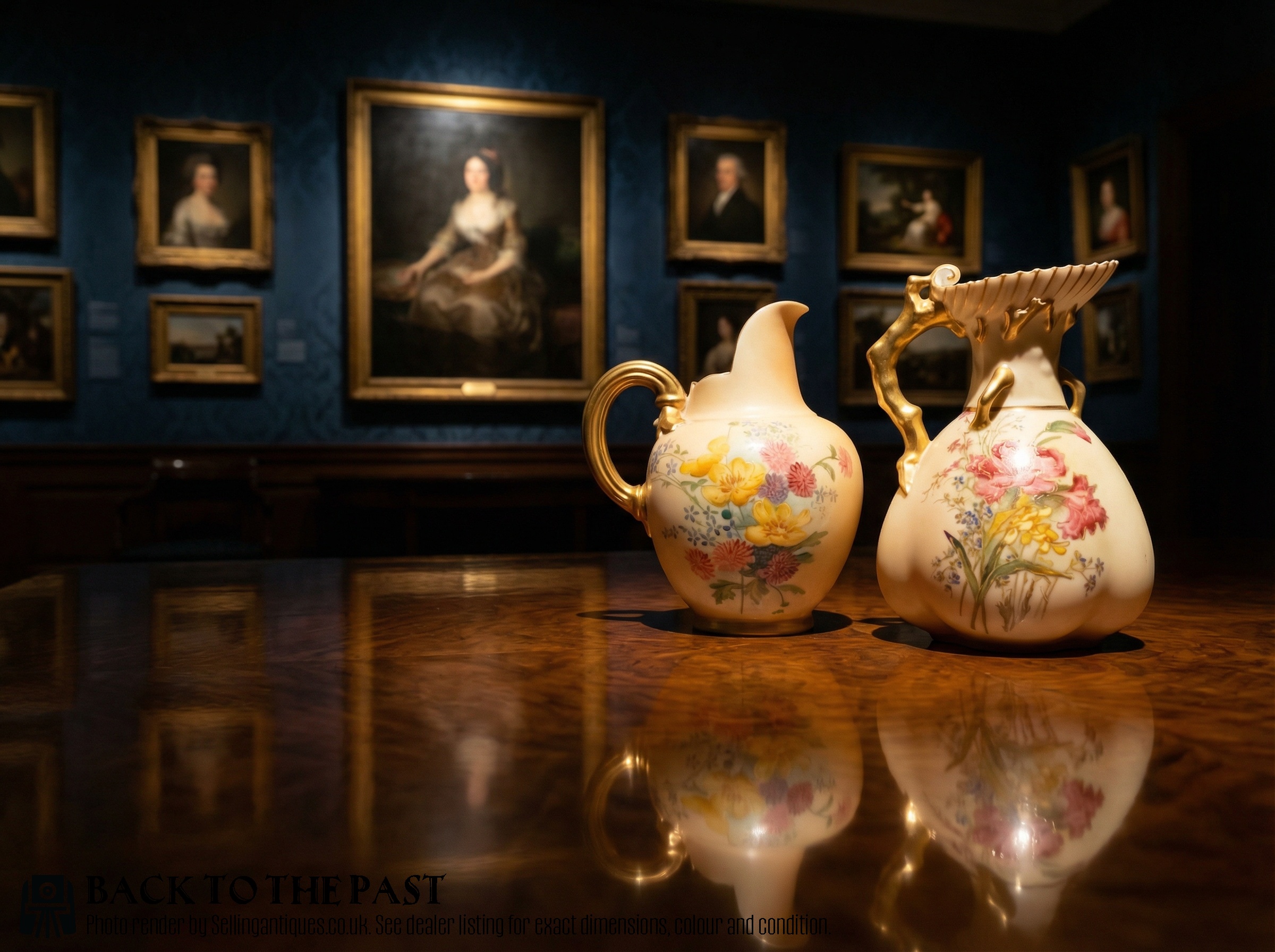
When you search for a late victorian ceramic jug, you encounter moulded earthenware, salt glaze stoneware, and delicate porcelain vessels produced across the latter half of the nineteenth century and into 1900. These items encompass standard pouring jugs, decorative ewers, and pitcher forms alongside matching basin sets and tea sets.
The objects appearing on this page date primarily from the 1880s and 1890s, with select pieces originating around 1860 or extending up to 1900. You find distinct aesthetic movements represented, including Arts and Crafts, Art Nouveau, and Victorian Neoclassical styles.
Materials and construction
Potters utilised ceramic bodies spanning earthenware, stoneware, and fine porcelain, often finishing surfaces with intricate glazes, enamel colours, and gilt accents such as gold leaf. Salt glaze and blush ivory treatments frequently define the tactile and visual character of these pieces.
Makers employed techniques ranging from standard throwing and moulding to specialised reticulation, hand-painted decoration, and patent surface texturing like Slater's patent. Stoneware examples often feature incised sporting or botanical motifs characteristic of late nineteenth-century studio and factory production.
Listings feature periods spanning from 1860 through to 1900, alongside materials such as stoneware, porcelain, earthenware, and gold leaf.
Distinctions in quality
The caliber of a piece rests in the precision of its hand-painted details, the crispness of reticulated or moulded relief work, and the application of gilt and enamel. Superior examples exhibit deliberate artistic intent, seen in specialised glaze effects and balanced proportions.
The reputation of the pottery or studio and the complexity of the decorative scheme further separate standard utilitarian items from exhibition-grade ewers and decorative jugs.
Wedgwood·Walker and Hall·Doulton Burslem·Grainger Worcester·Royal Worcester·Sir Edmund Elton·Doulton Lambeth
The Late Victorian Ceramic Jug Glossary
- Ewer
- A large jug or pitcher with a wide spout and handled shape, typically used for decorative display or washing rather than everyday service.
- Reticulated
- Ceramic work featuring an openwork lattice pattern created by cutting away portions of the clay before firing.
- Blush ivory
- A soft, creamy porcelain body finish pioneered by Royal Worcester, often combined with gilt and floral hand-painting.
- Salt glaze
- A ceramic glaze of glossy, slightly pitted texture formed by throwing common salt into the kiln during high-temperature firing.
- Stoneware
- A robust, vitrified pottery body fired at high temperatures, impervious to liquid even without glaze.
Late Victorian Ceramic Jug: Frequently Asked Questions
How do I clean a ceramic ewer safely?
Dust these fragile nineteenth-century surfaces gently with a dry, soft cloth to preserve delicate gilt and enamel details.
Avoid submerging pieces with metallic leaf or hand-painted decoration in water to prevent permanent surface degradation.
Were these jugs used for serving wine?
Certain decorative ewers and pitchers served functional roles at the dining table for wine, water, or milk during the Victorian era.
Others remained strictly ornamental display items intended for mantelpieces, sideboards, or washstand sets.
How do I identify an Art Nouveau piece?
Look for flowing, organic lines, stylized floral motifs, and asymmetrical forms that depart from rigid Victorian geometry.
Items from the late 1890s frequently adopt these sinuous profiles across both earthenware and porcelain bodies.