


Late Victorian Bronze Sculpture
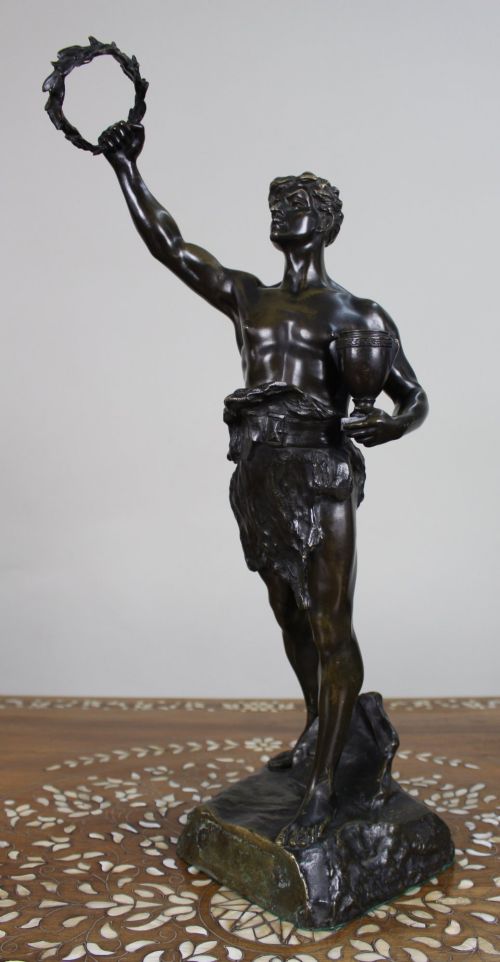
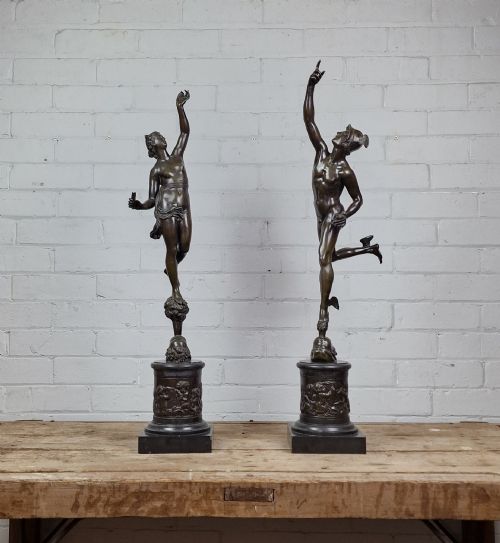
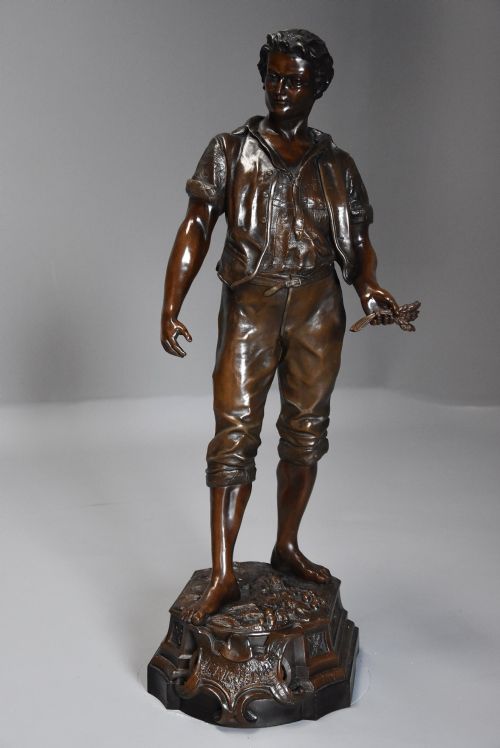
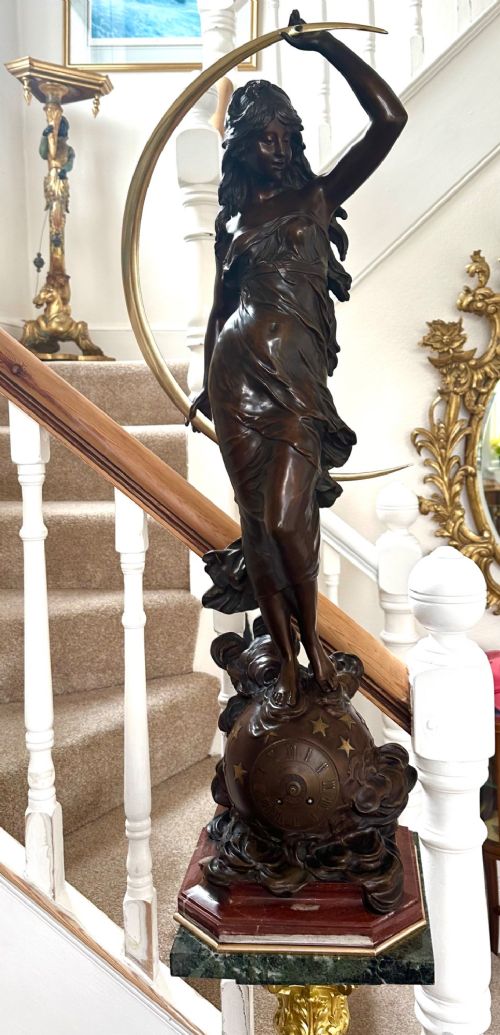
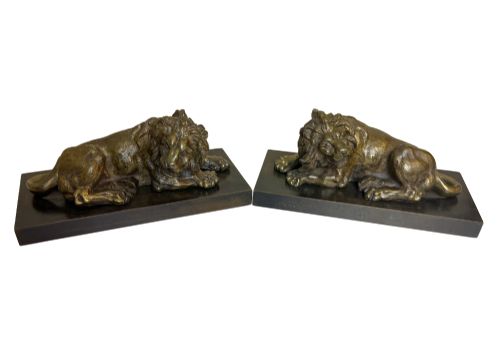
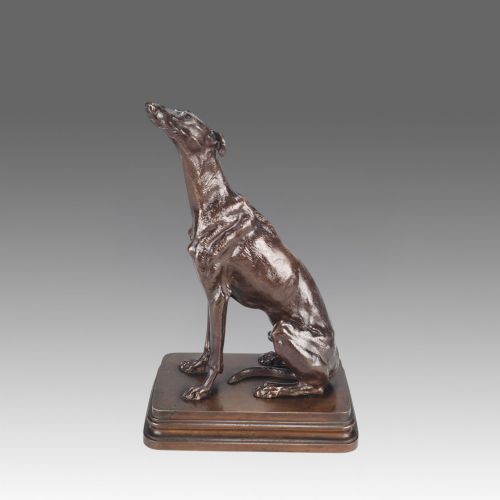
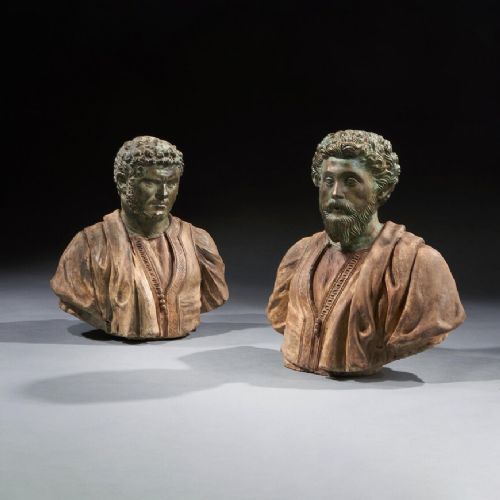
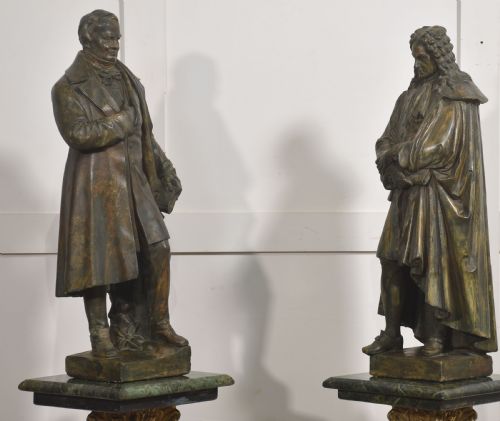
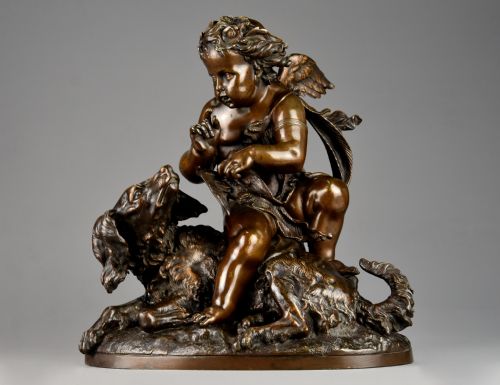
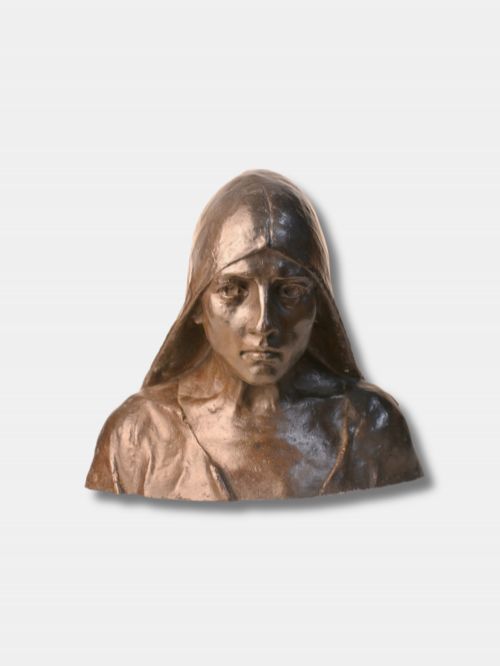
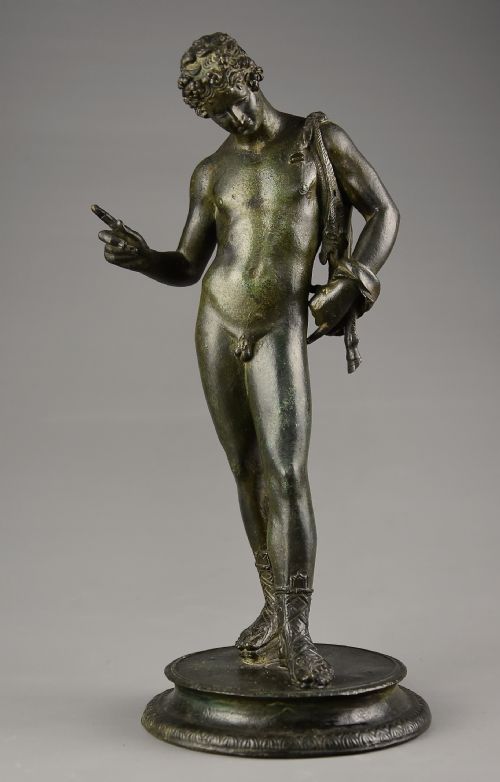
Late victorian bronze sculpture brings classical figures, animal studies and portrait busts into the room with substantial weight and dark patination.
Late Victorian Bronze Sculpture
When you search for late victorian bronze sculpture, you encounter figures, groups and busts produced across the nineteenth century and into the early twentieth century. These works range from small Grand Tour souvenirs of antique statues to naturalistic animalier studies and detailed portrait busts.
The versions met most frequently on this page include French and Italian bronzes, patinated cast metal pieces, and related materials such as terracotta and chalk. Forms span classical deities, literary characters, and domestic or wild animals depicted with precise anatomical observation.
Originating largely from European foundries, these pieces served as decorative elements in period libraries, studies and drawing rooms. The selection reflects both academic realism and decorative movements like Art Nouveau and Egyptian Revival.
Materials and casting methods
Foundries utilised traditional casting techniques, predominantly the lost-wax method or sand casting, to capture fine details in bronze. Resulting figures received chemical treatments to produce dark brown, green or black patinations, sometimes enhanced with cold-painted polychrome finishes.
A humorous nineteenth-century Austrian bronze captures a small dog occupied in the middle of cocking its leg.
Distinctions in craftsmanship
Quality separates in these sculptures by the crispness of the chasing and the depth of the patination. Finer examples display sharp anatomical definition in human and animal subjects, whereas simpler castings lose detail in extremities and textures.
The reputation of the foundry and the clarity of the signature or mark influence the standing of a piece. Heavier metal content and stable mounting on original marble or slate plinths further distinguish superior workshop production.
Lemoyne·Giambologna·F.Milliot·August Moreau·Alfred Dubucand·Alfred Grevin·Sir Thomas Brock·Arthur Waagen·Carl Kauba·Pierre Jules·Frederic Goldscheider
The Late Victorian Bronze Sculpture Glossary
- Patination
- The surface colour and finish achieved on bronze through chemical treatment or natural ageing. This layer protects the metal and defines the visual tone.
- Animalier
- A nineteenth-century artistic style focusing on the realistic depiction of animals, particularly in motion or repose. Sculptors in this genre studied anatomy closely.
- Grand Tour
- Souvenir sculptures purchased by travellers visiting classical sites in Italy and Greece during the nineteenth century. These reductions reproduce famous ancient monuments.
- Spelter
- A zinc alloy frequently utilised as a less costly alternative to bronze for nineteenth-century figures. It often carries a bronze-coloured coating to simulate heavier metal.
- Chasing
- The hand-finishing process applied to a metal casting using punches and chisels. Artisans utilise this step to sharpen surface details and remove casting flaws.
Late Victorian Bronze Sculpture: Frequently Asked Questions
How do I clean a bronze sculpture?
Dust the surface gently with a soft, dry brush to prevent dirt accumulation. Avoid water, harsh chemical cleaners or abrasive cloths that can strip the original patination.
Apply a very thin coat of microcrystalline wax periodically if the metal requires protection. Buff the surface lightly with a clean cloth to maintain a stable finish without creating a high gloss.
What is an animalier bronze?
An animalier bronze depicts animals in naturalistic poses, capturing the accurate musculature and behaviour of wildlife or domestic pets. These works became popular across Europe during the nineteenth century.
Artists observed creatures in menageries and fields to create lifelike studies of lions, dogs, horses and birds. Founders cast these models in varying sizes for display on desks and mantelpieces.
How do I spot spelter instead of bronze?
Spelter is significantly lighter than bronze and softer to the touch, often showing a greyish metal beneath worn areas of surface coating. Bronze maintains a heavier weight and a denser, resonant feel.
Inspect the underside or hidden joints for the characteristic white or grey oxide of zinc. Bronze develops a stable copper-alloy matrix that resists this type of internal degradation.
What were Grand Tour bronzes?
Grand Tour bronzes were miniature reductions of famous classical statues collected by wealthy travellers touring Italy during the nineteenth century. Tourists purchased these souvenirs in cities like Rome, Florence and Naples.
These sculptures served as educational ornaments and displays of cultural refinement in British homes. They replicated ancient marble or bronze masterpieces found in public museums and private collections.