


Late Qing Dynasty Bronze
Late Qing Dynasty bronze pieces bring ritual elegance and domestic refinement into a room through centuries-old metalworking traditions.
Late Qing Dynasty Bronze
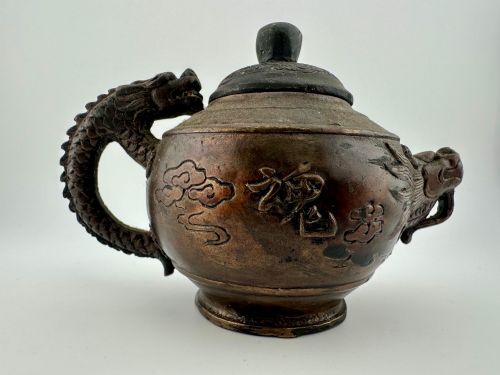
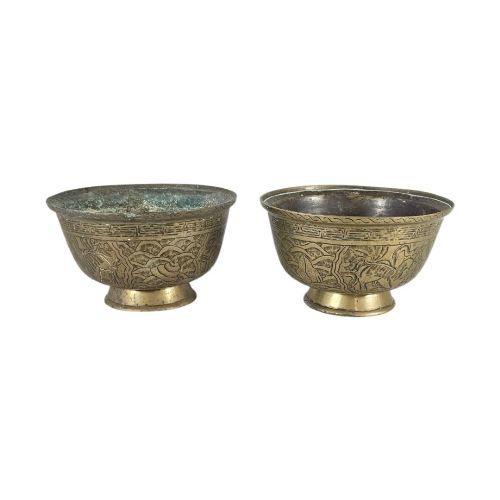
Late Qing Dynasty bronze objects encompass functional vessels and sculptural forms created for scholar's studios and ceremonial spaces. The selection on this page centres on pieces from the nineteenth century, including incense burners, vases, and decorative bowls.
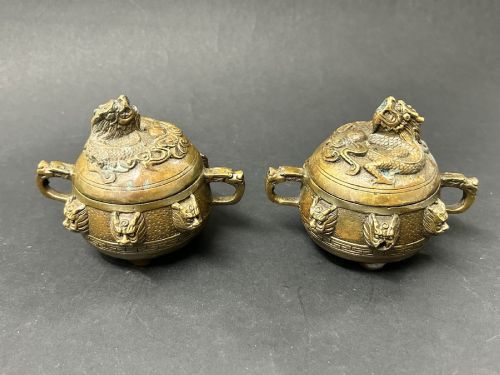
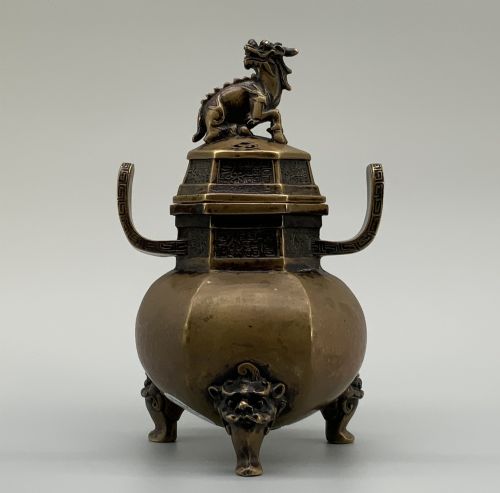
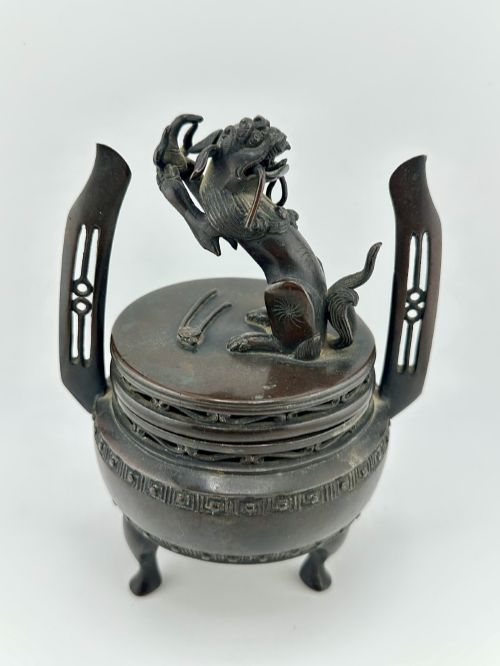
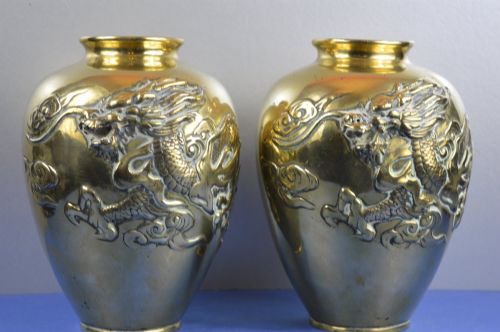
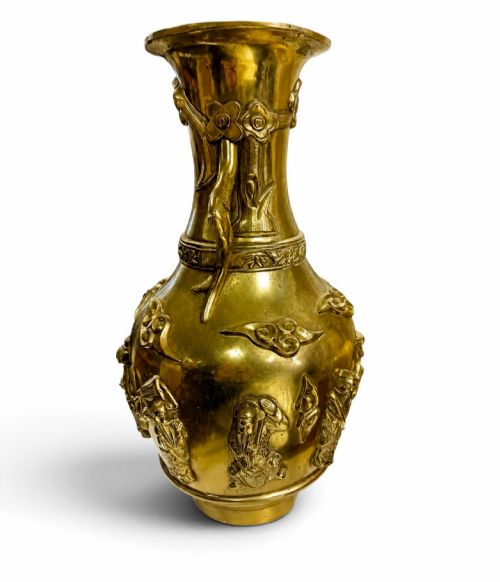
Buyers encounter items ranging from simple utilitarian forms to elaborate vessels featuring dragon motifs, tripod bases, and animal finials. Many examples display historic reign marks referencing earlier periods while originating in the late nineteenth or early twentieth century.
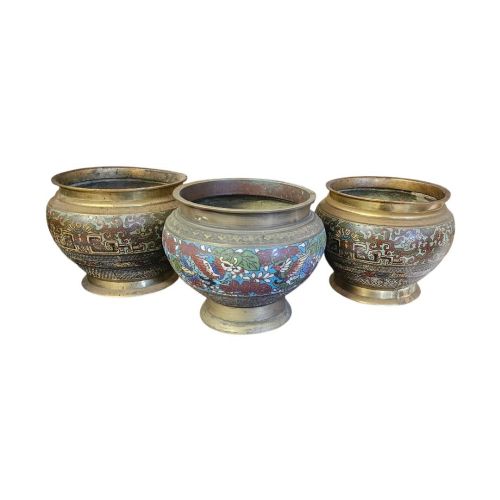
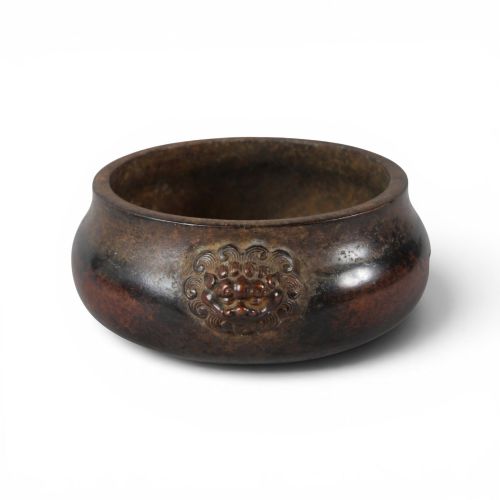
Scholar's items such as miniature censers and brush washers appear alongside larger jardinières, animal figures like money toads, and twin-dragon vases. These items reflect the diverse output of Chinese metalwork workshops during a period of transition.
Materials and Technique
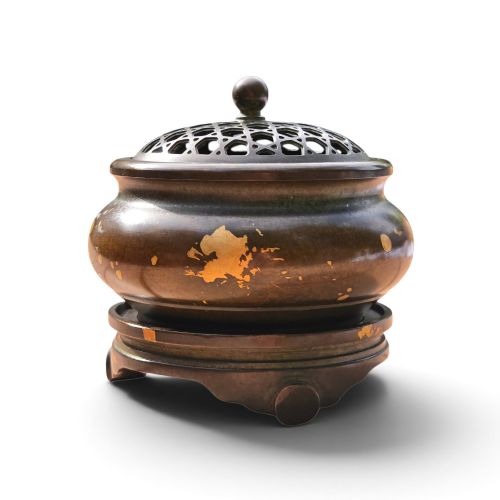
Articles are cast primarily in bronze, brass, and copper alloy, sometimes utilising gold gilding or gold-splashed surface treatments. Metalworkers employed traditional casting methods to produce heavy vessels with high-relief ornamentation.
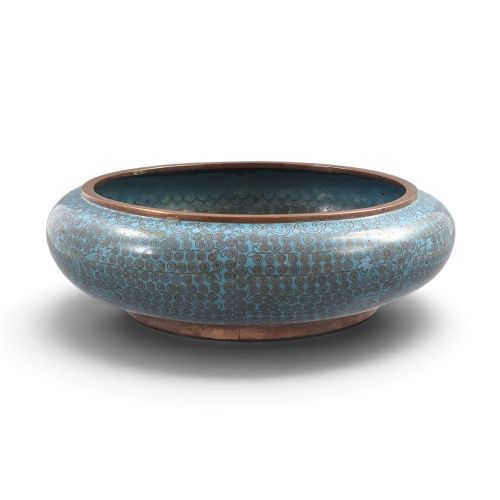
Enamel enrichment appears on several pieces through champlevé and cloisonné techniques, adding colourful decorative detail to bronze bodies. Patinated finishes were deliberately applied to achieve dark, antiqued surfaces on censers and vases.
Materials represented across the inventory include standard bronze, brass, copper alloy, gilt bronze, and integrated enamel work.
Quality Variations
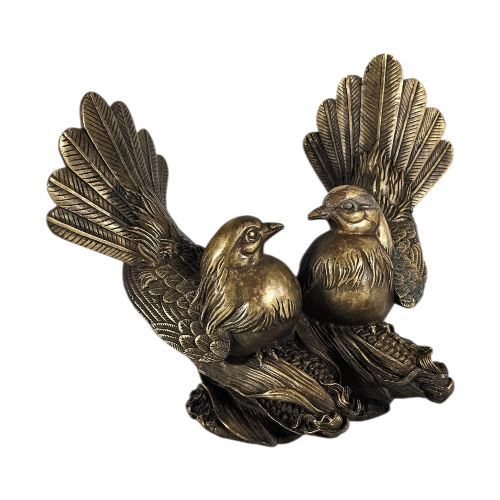
Weight serves as a primary indicator of substance, with heavy, thick-walled castings separating substantial scholarly pieces from lighter domestic items. The crispness of relief work on dragons, birds, and Daoist immortals reveals the skill of the original metalworker.
The sophistication of surface finishes distinguishes standard productions from finer examples, particularly in the application of gold-splashing, controlled patination, and detailed enamel work. Integrated bases, well-defined seal marks, and balanced proportions elevate the refinement of individual vessels.
The Late Qing Dynasty Bronze Glossary
- Censer
- A vessel designed for burning incense, frequently featuring a tripod base, cover, and animal or floral finials.
- Champlevé
- An enamelling technique where troughs are carved into the bronze surface and filled with vitreous enamel before firing.
- Xuande Mark
- An inscribed mark bearing the name of the Ming dynasty Emperor Xuande, often placed on later Qing dynasty bronzes in tribute to historical standards.
- Cloisonné
- A method of decorating metalwork objects with compartments created by soldered wire and filled with coloured enamel paste.
- Baluster
- A vase form with a rounded body that tapers toward a narrow neck and a flared rim.
Late Qing Dynasty Bronze: Frequently Asked Questions
What are late qing dynasty bronze pieces?
These are metalwork objects produced in China during the late nineteenth and early twentieth centuries, spanning the end of the Qing dynasty. They include scholar's desk items, ritual vessels, and decorative household sculptures.
Craftsmen utilised traditional copper alloy and bronze casting techniques to create items such as tripods, vases, and animal figures. Many pieces incorporate decorative elements like dragons, lotus motifs, and historic reign marks.
How were incense burners used?
Incense burners served both practical and ceremonial functions in Chinese households and scholar's studios, diffusing aromatic materials into the air. They were placed on desks or altars as part of scholarly pursuits and contemplative practices.
Covered censers allowed smoke to filter through perforated lids, while open tripod bowls held upright incense sticks. Their presence added an atmosphere of refinement and scholarly devotion to interior spaces.
How do I date these bronzes?
Dating relies on examining casting styles, surface patination, and material composition rather than relying solely on inscribed reign marks. Many late nineteenth-century pieces carry Xuande or Qianlong marks as a nod to earlier imperial aesthetics.
Stylistic indicators such as high-relief Daoist figures, specific bronze alloys, and integrated wooden stands help place items within the late Qing period. Comparing weight, construction methods, and decorative motifs provides further context for age.
How do I care for bronze?
Bronze items require minimal maintenance, needing only gentle dusting with a soft, dry cloth to preserve their surface finish. Harsh cleaning agents and chemical polishes must be avoided to protect the historic patina.
Keeping pieces away from excessive moisture and direct sunlight helps maintain the stability of both the metal and any applied enamel work. Allowing the natural surface to age gracefully preserves the character of the object.