





Late Nineteenth Century Cabinet
A late nineteenth century cabinet brings substantial timber and intricate revival styling together into a practical domestic display piece.
Late Nineteenth Century Cabinet
A late nineteenth century cabinet covers a diverse group of domestic furniture built during the Victorian era and the closing decades of the 1800s. These pieces range from substantial side cabinets and display units to specialised collectors' chests and library bookcases.
The version you are most likely to encounter on this page is a French or English piece utilising dense hardwoods like mahogany, walnut, or rosewood, frequently enhanced with marquetry inlay or glass panels.
Makers of this period drew heavily on historical revivals, producing furniture that borrowed stylistic elements from French Louis reigns, the Regency period, and Japonisme aesthetics.
Materials and construction
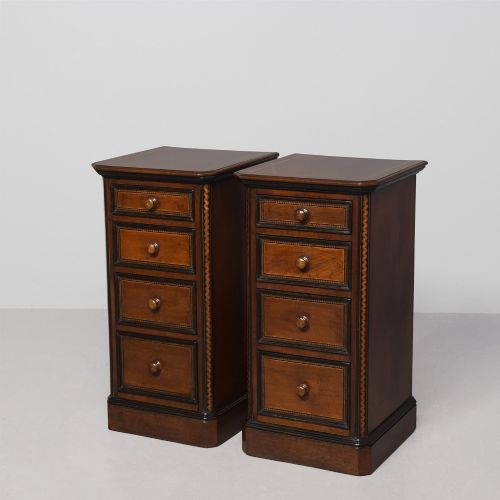
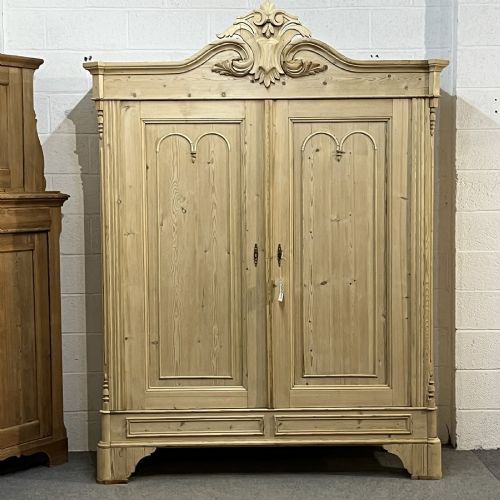
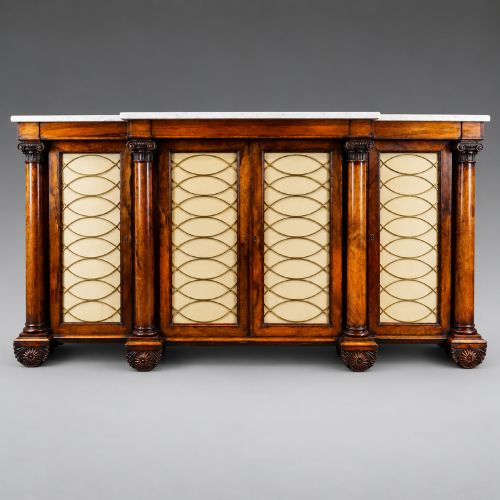
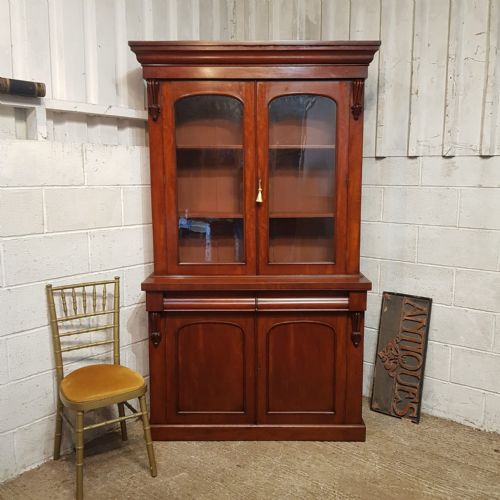
Construction relied upon heavy framing of timbers such as mahogany, pine, and rosewood, often surfaced with decorative veneers and detailed marquetry inlay. Cabinets designed for display integrated glass panels and brass hardware to frame the interior contents.
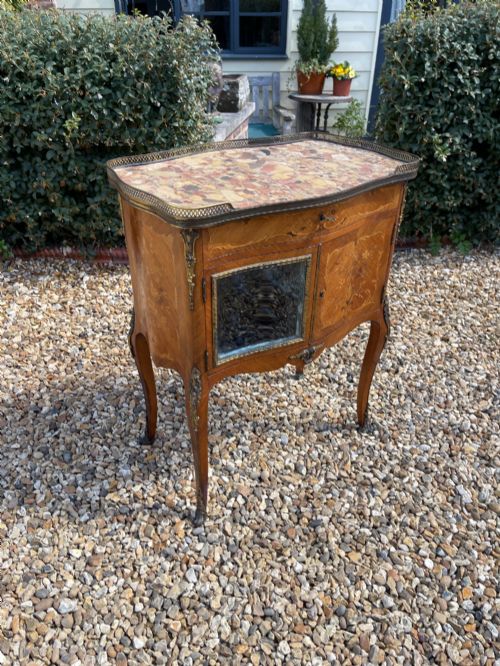
Specialised examples incorporate contrasting materials like bone, marble tops, and mirrored backings to elevate the visual weight of the furniture.
Late Nineteenth Century Cabinet Retail Price Guide 2026
Typical asking prices for late nineteenth century cabinet among the pieces listed under this phrase on Sellingantiques today, from the lower quarter to the upper quarter. They describe what is for sale here now, not the wider market.
Distinctions in quality
Quality in a late nineteenth century cabinet is determined by the precision of its marquetry, the selection of timber veneers, and the integrity of its structural joinery. Finer pieces demonstrate careful grain matching and intricate inlay work rather than painted surface decoration.
The refinement of cast brass mounts and the clarity of fitted glass panels further separate standard workshop production from exceptional examples attributed to known makers.
Gabriel-Frederic Viardot·Collinson and Lock·Stephen Webb·Charles Topino
The Late Nineteenth Century Cabinet Glossary
- Marquetry
- The art of applying pieces of veneer to a structural structure to form decorative patterns. This technique was widely utilised on French and English cabinets of the period.
- Secretaire
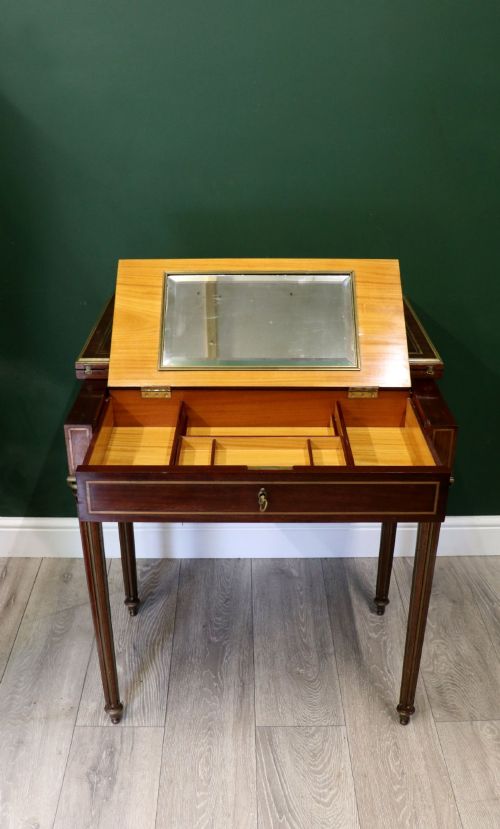
- A cabinet or desk featuring a pull-down writing flap that conceals a set of small drawers and pigeonholes. It combines storage with a dedicated writing surface.
- Japonisme
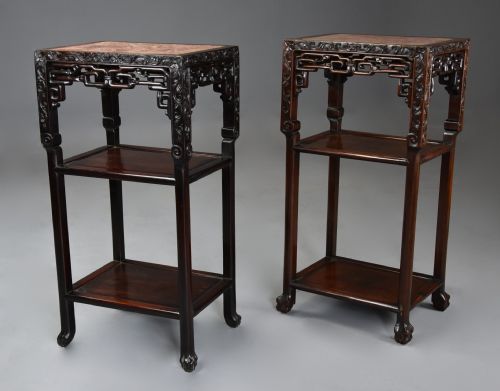
- A late nineteenth century stylistic movement influenced by Japanese art and design. It is frequently seen in padouk display cabinets and stylized structural motifs.
- Chiffonnière
- A small tall chest of drawers or a multi-tiered occasional table designed for small items. These pieces often feature delicate legs and marquetry surfaces.
Late Nineteenth Century Cabinet: Frequently Asked Questions
How do I identify a late nineteenth century cabinet?
Examine the timber species, construction methods, and stylistic revival motifs present in the piece. These elements typically reflect the design preferences of the Victorian era and the 1880s to 1890s.
Look closely at the hardware, dovetailing, and veneer work to confirm the period of manufacture.
Were these cabinets made for display or storage?
Cabinets from this period served both purposes depending on their specific form. Display cabinets and bookcases utilised glass doors for showing objects, while side cabinets and collectors' chests prioritized enclosed storage.
The inclusion of mirrored backs and adjustable shelving indicates a primary focus on visual presentation within a drawing room or library.
How should I care for a rosewood or mahogany cabinet?
Maintain stable indoor humidity levels and keep the timber away from direct heat sources and strong sunlight. Regular dusting with a soft, dry cloth preserves the polished surface.
Avoid using silicone-based polishes that can degrade historical finishes over time.
What distinguishes French manufacture from English pieces?
French pieces of this era frequently employ extensive marquetry, kingwood veneers, and overt Louis XV or Louis XVI revival curves. English examples tend to utilise heavier mahogany or walnut with more restrained classical proportions.
Design influences also diverge, with French workshops embracing exotic Japonisme styling earlier than many provincial English cabinetmakers.