

Wood Vanity with Mirror
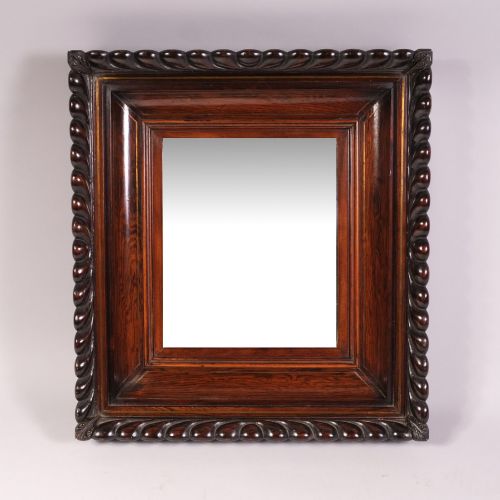
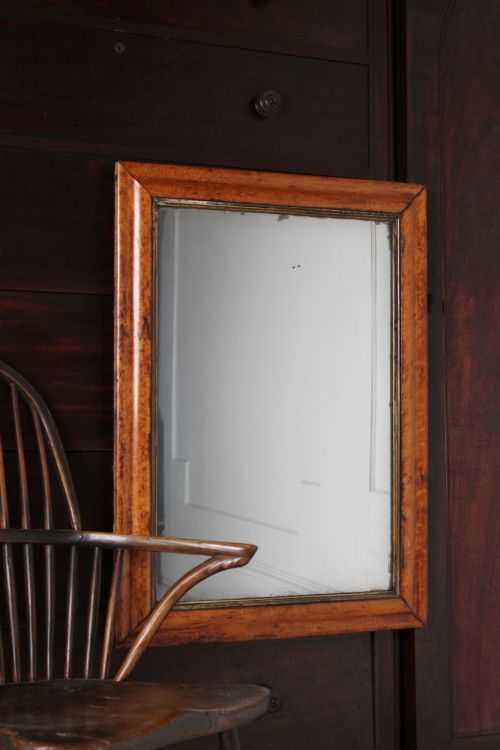
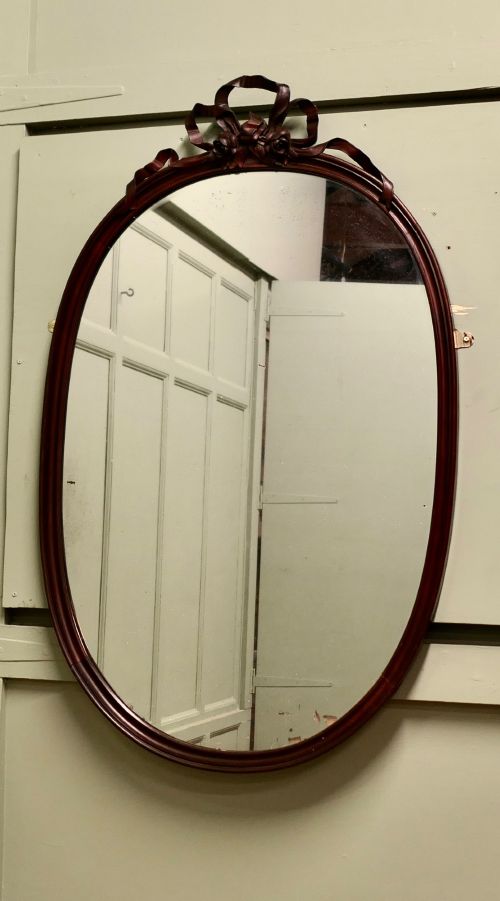
Wood vanity with mirror pieces bring period craft and practical surface space together, offering everything from compact toilet mirrors to substantial Victorian and Georgian dressing tables.
Wood Vanity with Mirror
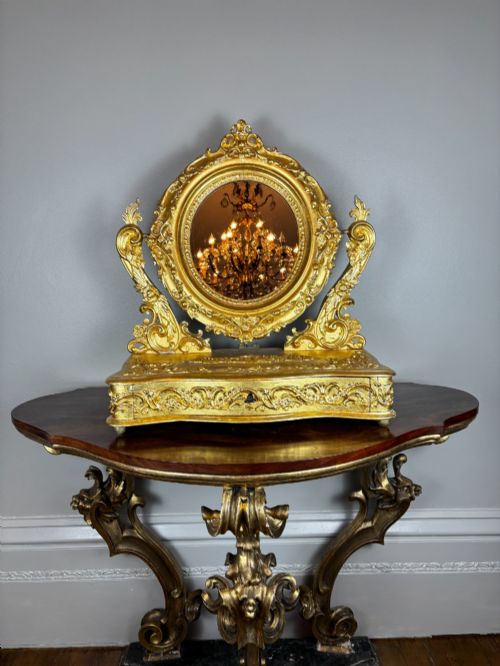
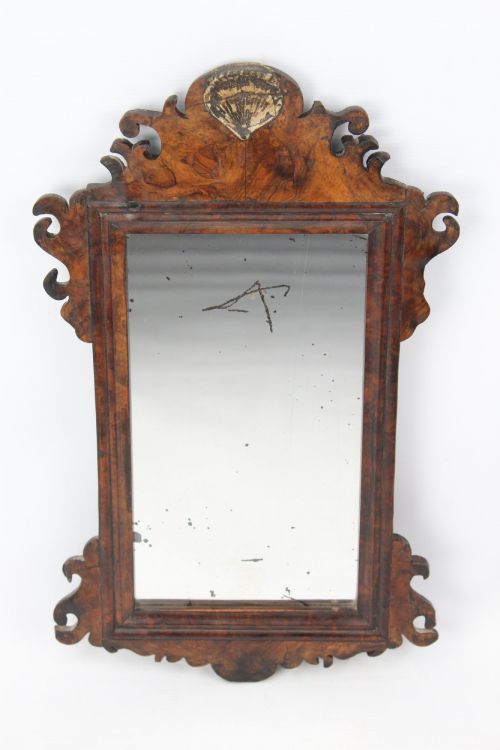
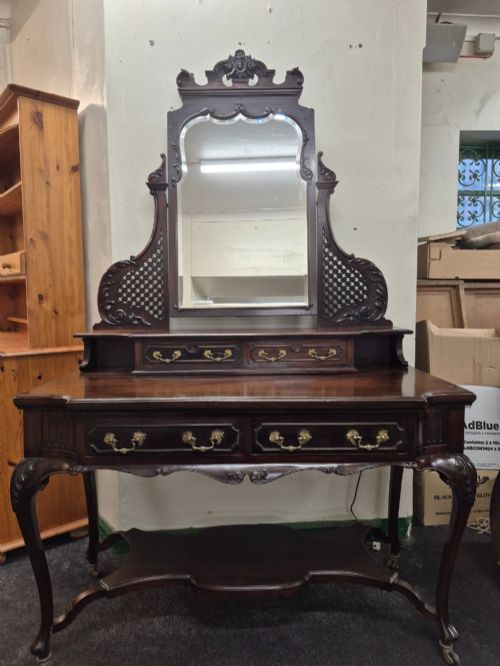
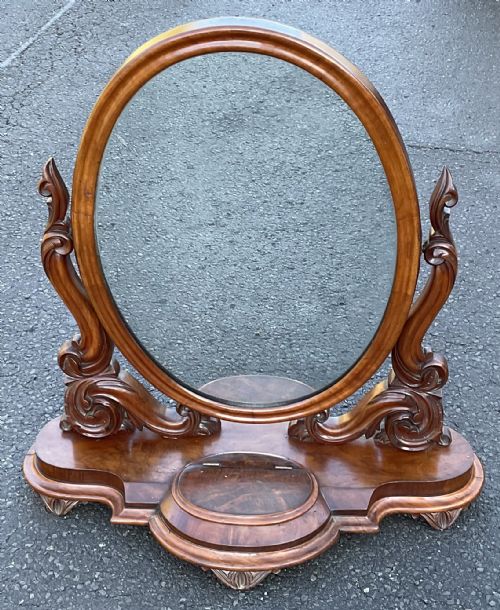
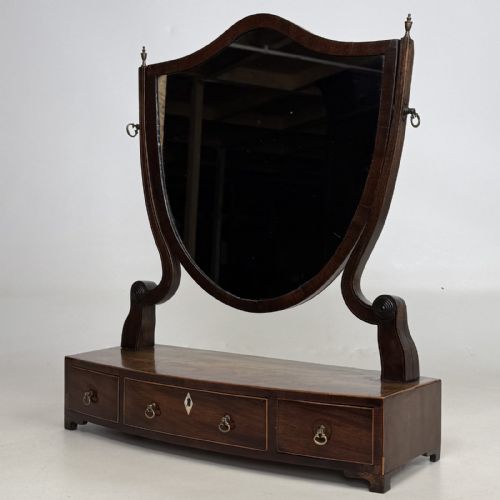
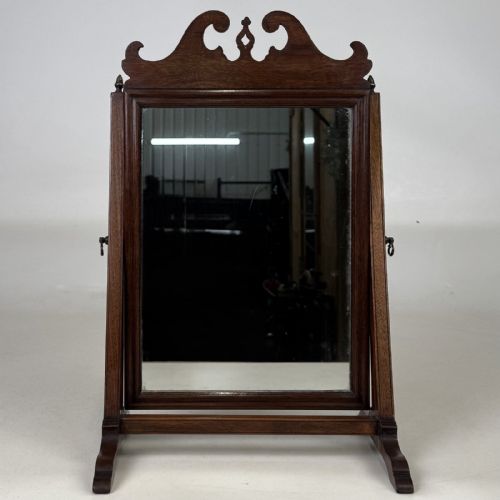
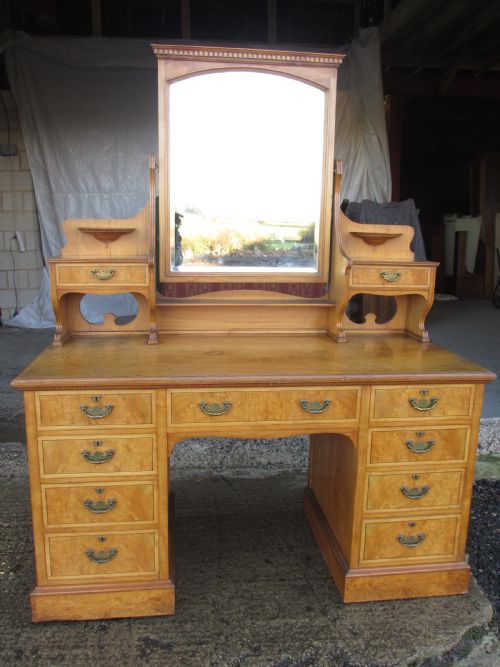
A wood vanity with mirror covers a wide variety of domestic furniture designed for grooming, spanning centuries of cabinet making and domestic habit. Buyers looking through this selection encounter everything from 18th century swing mirrors fitted with small drawer bases to grand Victorian pedestal dressing tables and Edwardian chests with adjustable mirrors.
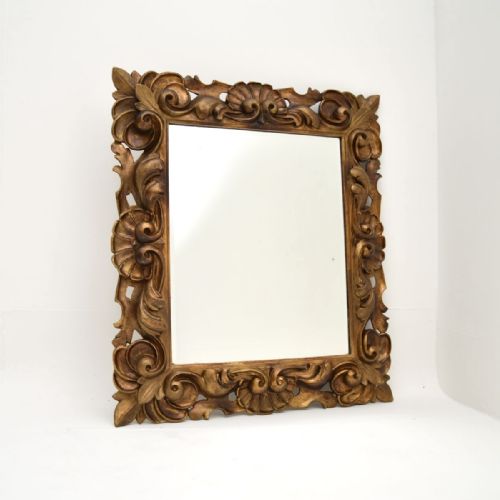
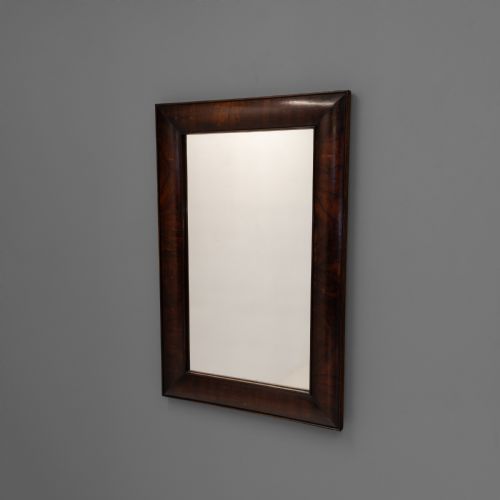
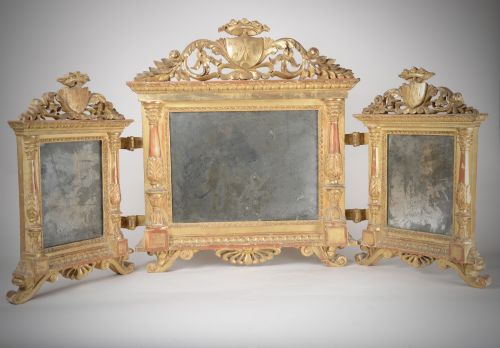
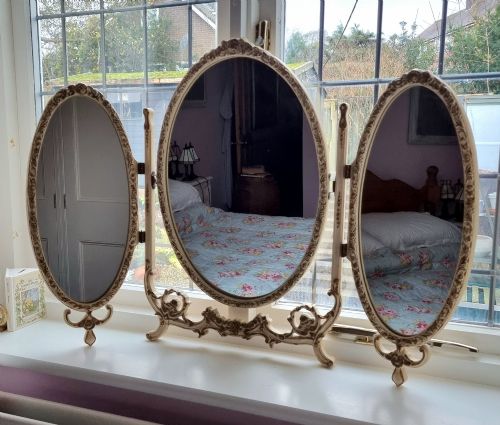
The most common forms on this page include mahogany and walnut table mirrors alongside larger dressing chests and full dressing tables rendered in styles from Georgian and Regency to Art Deco and Edwardian. Pieces range from simple travelling mirrors to elaborate carved pieces featuring triple mirrors or inlaid decoration.
Materials and construction
Cabinet makers relied primarily on mahogany, walnut, satinwood, and oak for these vanity pieces, frequently applying burr veneers to create rich surface patterns. Glass forms the essential mirror component, often accompanied by brass hardware such as swing pivots, handles, and small drawer pulls.
Joinery techniques span dovetailed drawer construction, fret-cutting for decorative crests, and intricate marquetry inlay. Many pieces incorporate adjustable swing frames or supportive pedestals designed to hold the heavy glass securely in place.
Wood Vanity with Mirror Retail Price Guide 2026
Typical asking prices for wood vanity with mirror among the pieces listed under this phrase on Sellingantiques today, from the lower quarter to the upper quarter. They describe what is for sale here now, not the wider market.
Listings feature woods like mahogany, walnut, oak, and satinwood alongside mirror glass and brass hardware across multiple centuries.
Quality and execution
Quality rests heavily on the selection of timber veneers, such as figured walnut and burr maple, and the crispness of hand-carved details like fret-cut frames and shield borders. Superior pieces display thoughtful proportions and harmonious grain matching across drawers and backing boards.
The sophistication of the original hardware, the integrity of the mirror glass, and the precision of the joinery distinguish finer workshop output from more utilitarian examples.
Shapland & Petter·George Walton
The Wood Vanity with Mirror Glossary
- Swing mirror
- A mirror plate mounted on vertical pivots within a frame, allowing the glass to tilt at various angles. This design is typical of Georgian and Victorian table dressing mirrors.
- Toilet mirror
- A smaller desktop mirror, frequently fitted with a small chest of drawers beneath the frame. These pieces sat atop larger tables for personal grooming.
- Dressing chest
- A lower chest of drawers with an attached mirror superstructure, common in Edwardian and later bedroom suites. They maximise storage while retaining grooming functionality.
- Marquetry
- The art of applying decorative veneer pieces in wood to form intricate patterns and pictures. Dutch examples frequently utilise this technique on mirror frames and table surfaces.
Wood Vanity with Mirror: Frequently Asked Questions
How do I date a dressing mirror?
Dating relies on stylistic clues, construction methods, and timber choices typical of specific periods like the Georgian era or the Victorian age. Details such as shield-shaped frames, bracket feet, and dovetail joints help determine age.
Earlier pieces often feature simple mahogany frames and hand-bevelled glass, while Edwardian and Art Deco examples introduce lighter satinwood or geometric veneering.
Where were these pieces used?
These items traditionally stood in bedrooms, dressing rooms, and boudoirs for daily grooming routines. Table mirrors rested on chests or dedicated dressing tables.
Larger pedestal vanities served as standalone furniture centrepieces in Victorian and Edwardian bedchambers, providing both surface area and drawer storage.
How do I care for antique wood vanities?
Maintenance involves keeping wooden surfaces clean with appropriate wax polishes and protecting them from direct sunlight and extreme humidity changes. Gentle dusting preserves the original polish and veneer.
Mirror glass requires careful cleaning with non-ammonia solutions to protect the surrounding wooden frames and historical silvering.