



Late Georgian Portrait Painting
Late georgian portrait painting brings true presence into a room, capturing faces from centuries past in oil, watercolour, and pastel.
Late Georgian Portrait Painting
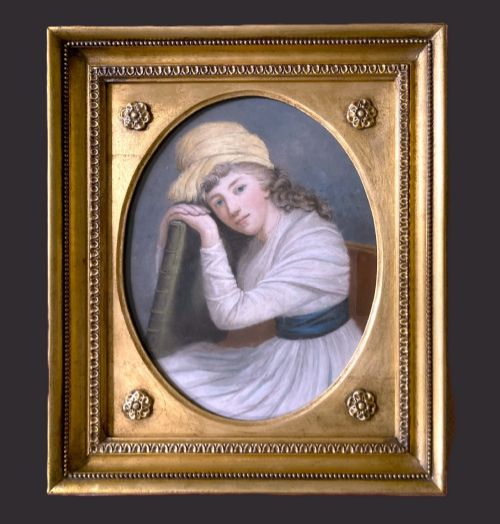
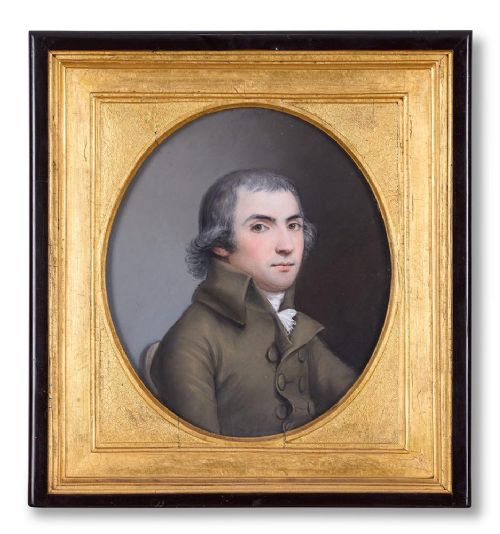
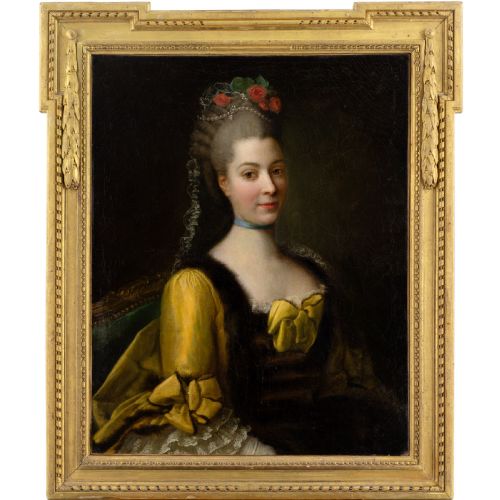
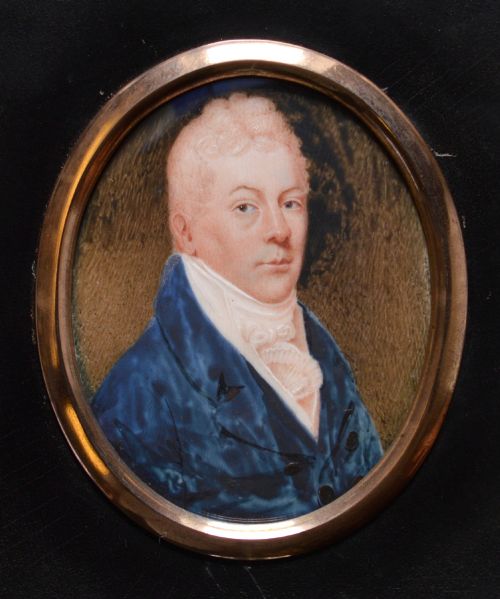
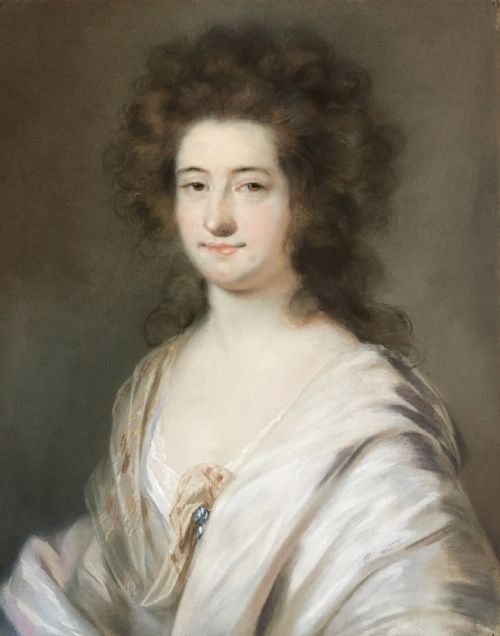
Late georgian portrait painting encompasses framed oils on canvas, delicate watercolours, pastels, and miniature portraits created around the turn of the nineteenth century. These works capture individual subjects with striking realism, ranging from high-ranking officers to elegant ladies and gentlemen.
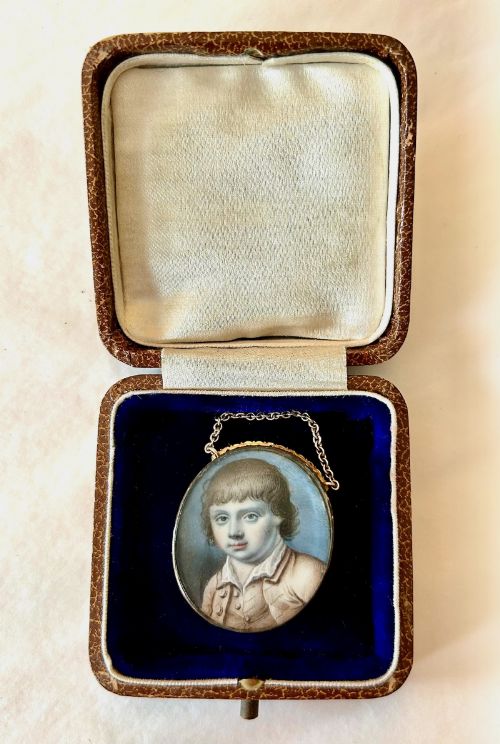
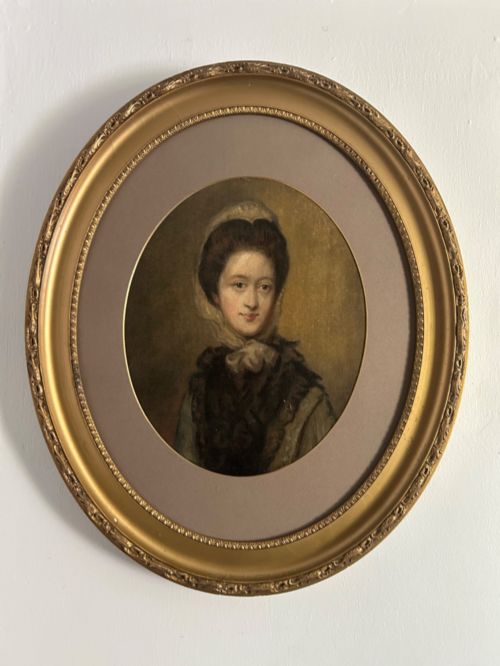
Buyers will most frequently encounter intimate portrait miniatures and oil paintings from the late eighteenth and early nineteenth centuries. Many of these pieces retain their original frames, including giltwood and glass settings that complement the period aesthetic.
How they were made
Artists of this period worked primarily in oil paint on canvas or applied watercolour and pastel to paper and ivory. The application of pigment demanded immense precision, particularly in smaller miniature formats where fine brushwork defined every facial feature and garment fold.
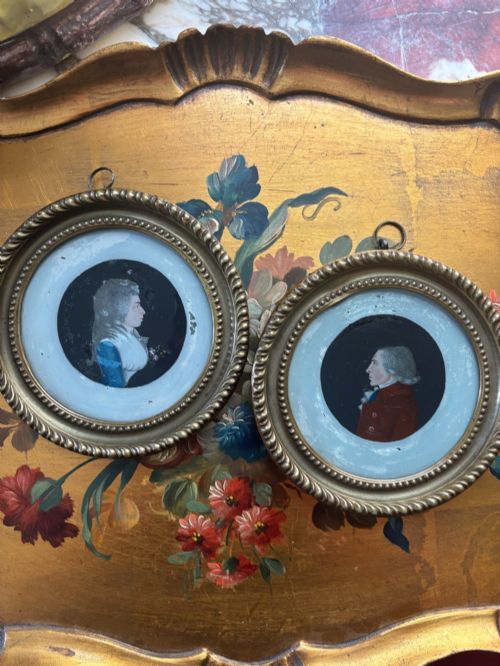
Framing played an integral role in presentation, utilising wood and giltwood to house and protect the delicate surfaces of oils, watercolours, and silhouettes alike.
Late Georgian Portrait Painting Retail Price Guide 2026
Typical asking prices for late georgian portrait painting among the pieces listed under this phrase on Sellingantiques today, from the lower quarter to the upper quarter. They describe what is for sale here now, not the wider market.
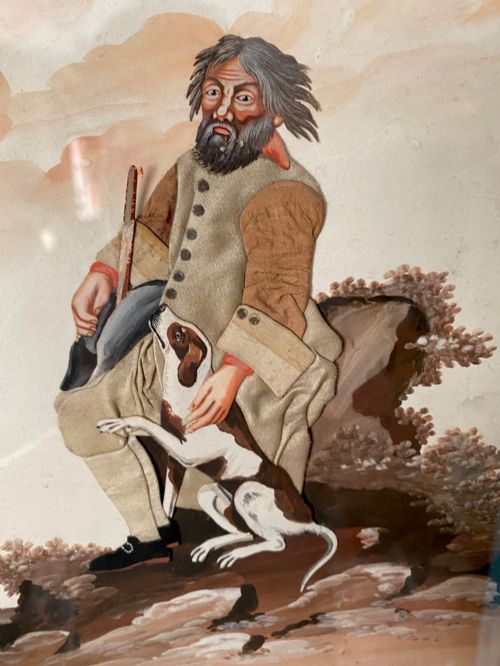
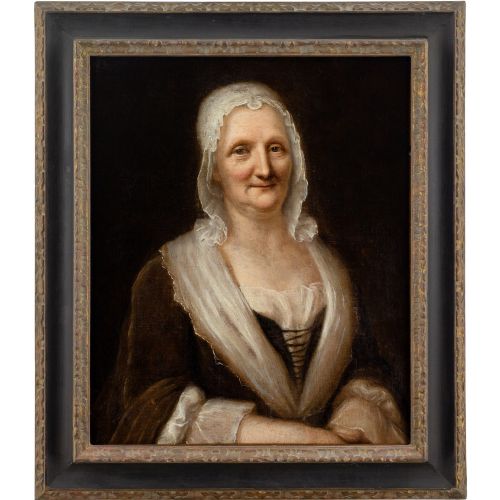
One listed portrait captures an elderly lady who appears entirely unimpressed by the artist.
What varies in quality
The distinction between standard works and exceptional examples lies in the psychological depth of the sitter and the surety of the brushwork. Master hands achieved remarkable vitality in the eyes and skin tones, whereas lesser pieces display stiffness in posture and proportion.
The preservation of the medium also determines distinction, as undisturbed surfaces on canvas or ivory retain a clarity that overzealous past restoration can diminish.
John Russell·William Grimaldi·Miers·Bartholomeus van Burgindis·Lemuel Francis Abbott
The Late Georgian Portrait Painting Glossary
- Miniature painting
- A small-scale portrait, often executed in watercolour on ivory or vellum, designed to be held or worn. These intimate works required immense skill due to their restricted dimensions.
- Giltwood
- Wood carved and covered with a thin layer of gold leaf, commonly used for framing fine art during the Georgian era. It provides a warm, reflective border to the canvas or paper.
- Silhouette
- A profile portrait filled in with a solid dark colour, typically cut from paper or painted on glass. Silhouette artists achieved remarkable likenesses using only outline and shadow.
- Pastel
- A medium composed of powdered pigment and a binder, worked dry onto paper. Georgian pastel portraits offer velvety textures and delicate colour blending.
- Reverse glass picture
- An image painted directly onto the reverse side of a glass sheet so that it appears correctly oriented when viewed through the front. This technique protected the paint from dust and moisture.
Late Georgian Portrait Painting: Frequently Asked Questions
How do I care for antique portrait miniatures?
Keep miniatures away from direct sunlight to prevent the fading of delicate watercolours and pigments on ivory or paper.
Maintain a stable room temperature and avoid hanging them in damp spaces such as kitchens or bathrooms.
What materials were commonly used?
Artists utilised oil paint on canvas, watercolour on paper or ivory, and pastels.
Frames were constructed from wood and finished with giltwood, while some works incorporated glass for protection.
How can I tell the difference between periods?
Late eighteenth-century and Regency works reflect changing fashions in dress, hair, and framing styles.
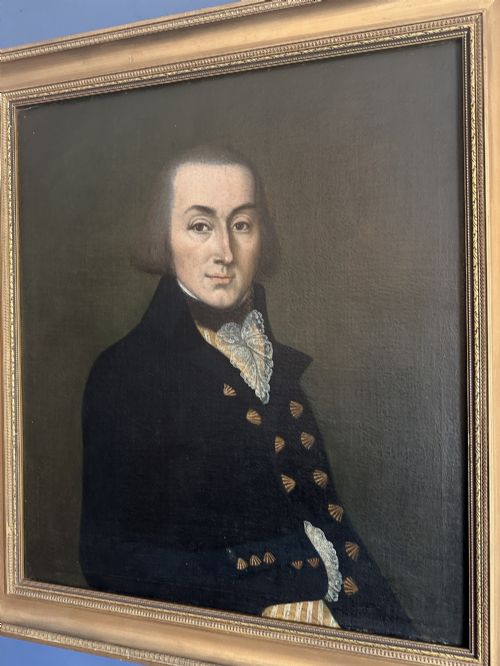
Costume details such as high collars, cravats, and powdered hair offer reliable clues to the exact decade of creation.
Where should I hang these portraits?
Display these works on interior walls where environmental conditions remain stable throughout the year.
Group smaller miniatures together in a study or hallway to create a traditional gallery effect.