

Antique Ivory Painting
An antique ivory painting captures miniature likenesses and delicate scenes, prized by collectors for intimate detail and historical charm.
Antique Ivory Painting
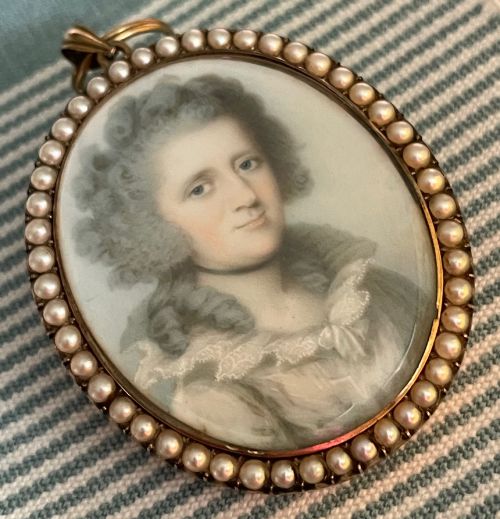
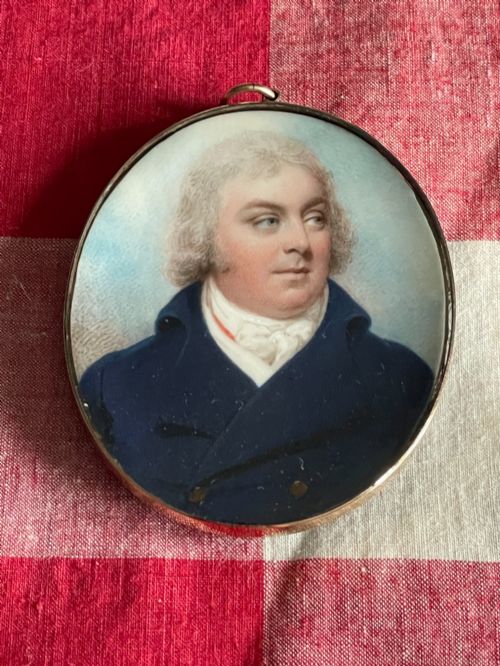
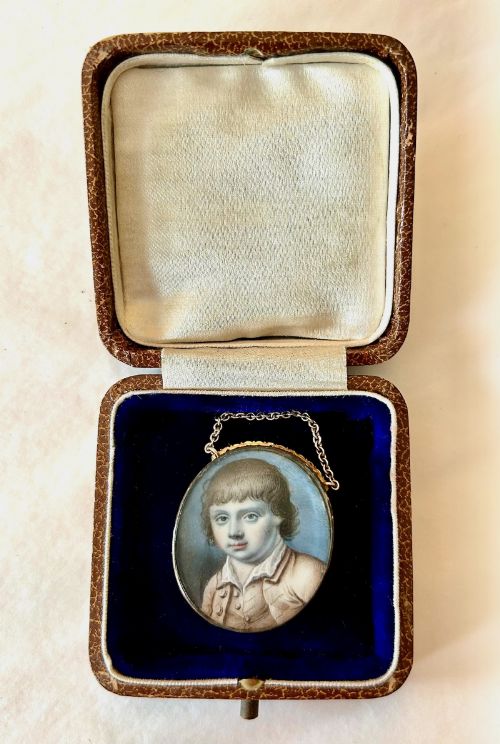
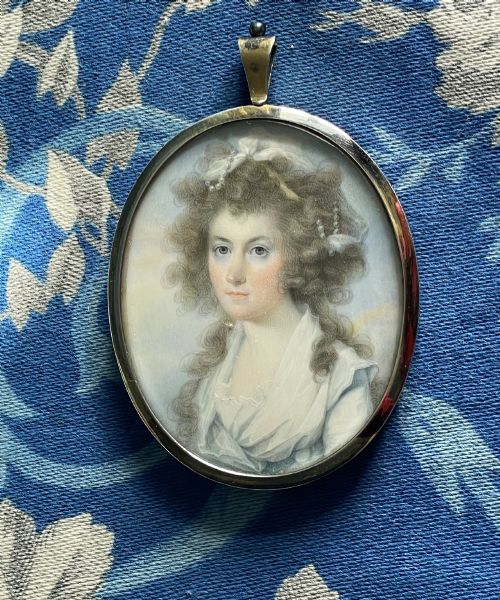
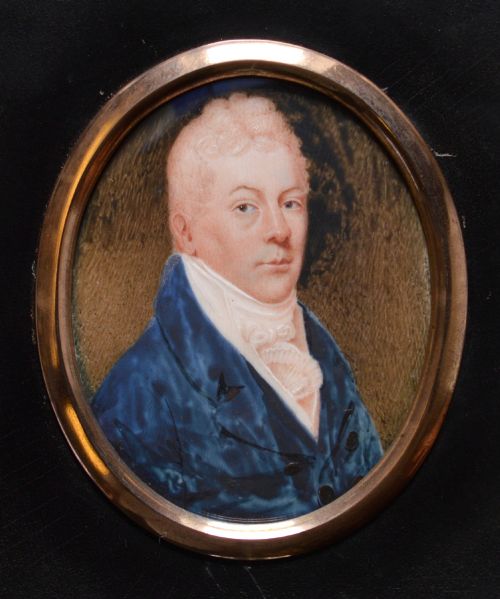
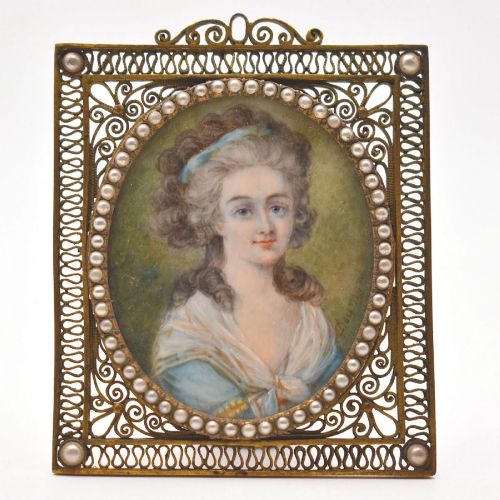
When you search for an antique ivory painting, you encounter delicate portrait miniatures alongside painted porcelain items, spanning periods from the eighteenth century through the Edwardian era. These works frequently manifest as small, finely detailed watercolours executed on thin slices of ivory, often housed within gilt frames or mounted into decorative objects.
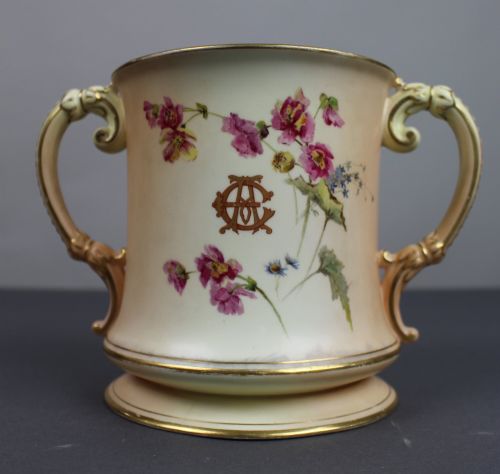
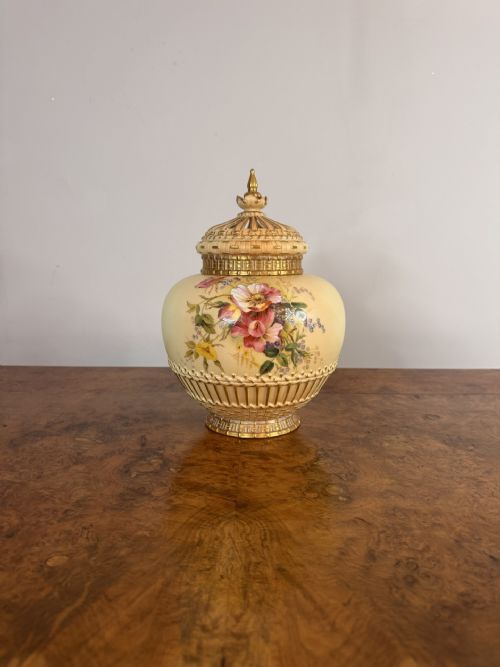
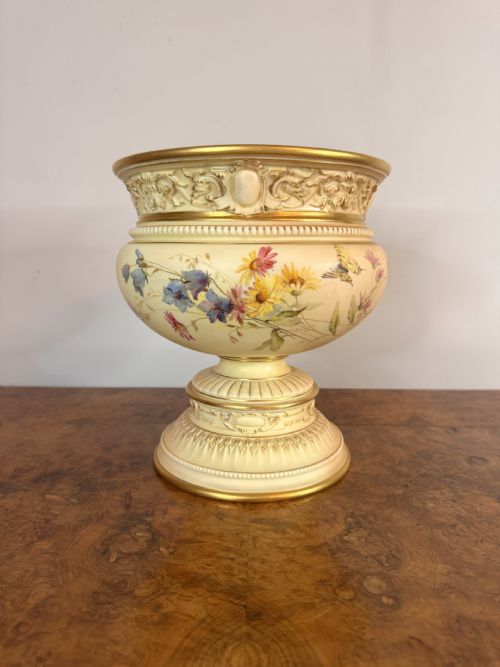
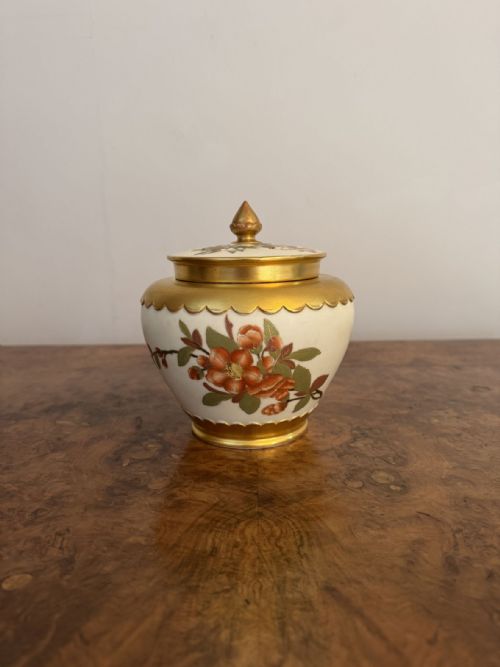
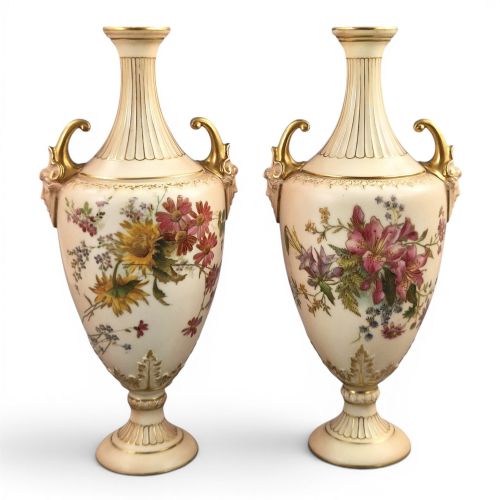
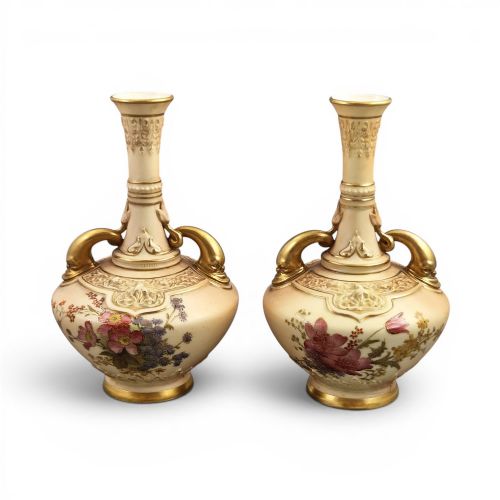
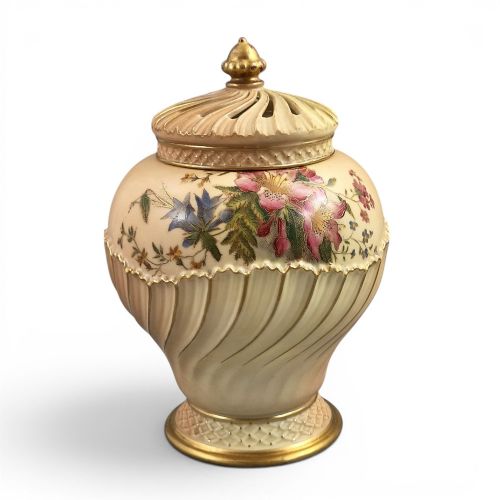
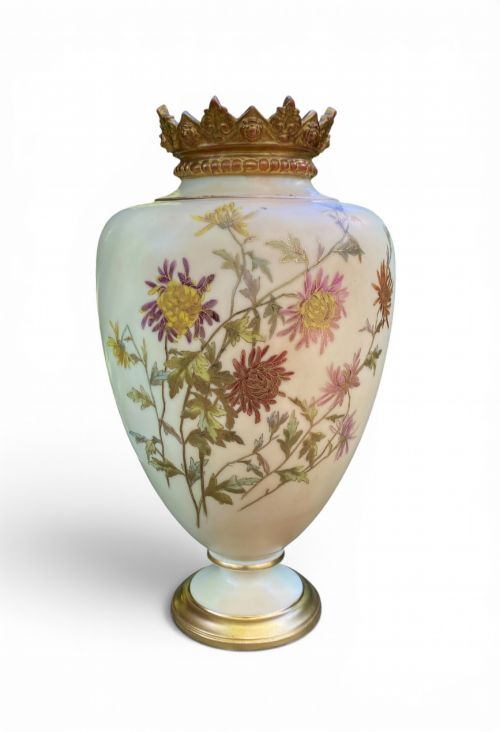
The selection here includes Georgian and Regency portrait miniatures alongside late nineteenth and early twentieth-century Royal Worcester porcelain objects featuring blush ivory grounds. Portrait miniatures depict gentlemen, ladies, and officers from past centuries, while the porcelain works utilise ivory-toned glazes combined with floral sprays and gilding.
Materials and technique
Artists painted portrait miniatures using watercolour directly onto thin sheets of prepared ivory, a substrate that imparts a luminous, skin-like quality to the finished piece. This technique required immense precision due to the absorbent nature of the material and the diminutive scale of the composition.
Porcelain items achieved their characteristic tone through specialised ceramic bodies and soft, blush-ivory glazes, frequently accented with gold leaf, hand-painted enamel floral motifs, and gilding. Frames often incorporated gilt brass, seed pearls, or carved wood to complement the painted surface.
Antique Ivory Painting Retail Price Guide 2026
Typical asking prices for ivory painting among the pieces listed under this phrase on Sellingantiques today, from the lower quarter to the upper quarter. They describe what is for sale here now, not the wider market.
Listings feature porcelain, glass, gold leaf, gilding, enamel, watercolour, gilt, and ivory across Georgian, Victorian, and Edwardian periods.
What varies in quality
The quality of a portrait miniature rests upon the fineness of the brushwork, the psychological depth of the sitter's expression, and the anatomical accuracy achieved by the artist. Master painters captured intricate details such as lace, hair texture, and fabric folds with remarkable clarity.
In porcelain objects, the standard depends on the crispness of the moulded form, the delicacy of hand-painted floral decoration, and the preservation of the original gilt edges and enamel colours over time.
Royal Worcester·Charles Hayter·George Engleheart·Paul Philippe·James Hadley
The Antique Ivory Painting Glossary
- Portrait miniature
- A small-scale painting, typically executed on ivory or vellum, popular from the sixteenth through the nineteenth centuries. These works were often carried as personal mementos or worn as jewellery.
- Blush ivory
- A soft, creamy ceramic ground developed by potteries such as Royal Worcester in the late nineteenth century. It mimics the warm tone of natural ivory and serves as a base for hand-painted florals.
- Chryselephantine
- A term describing sculptural works combining bronze and ivory. This technique saw a notable revival during the Art Deco period.
- Watercolour
- A paint consisting of pigment suspended in a water-based solution, utilised extensively for miniatures painted on ivory slices.
Antique Ivory Painting: Frequently Asked Questions
How should I care for an antique ivory painting?
Keep delicate watercolours and organic ivory substrates away from direct sunlight and excessive moisture to prevent fading and warping.
Display pieces in stable indoor environments, utilising acid-free materials if re-framing or storing them.
What periods do these pieces represent?
The items span the eighteenth century, Georgian, Regency, Victorian, and Edwardian periods up to the 1920s.
Earlier pieces are predominantly portrait miniatures, while late nineteenth and early twentieth-century works lean towards decorative porcelain.
How are portrait miniatures framed?
Many miniatures feature gilt frames, sometimes adorned with seed pearls, velvet backings, or protective convex glass.
These housings were designed to protect the delicate painted surface while allowing intimate viewing.
What is blush ivory porcelain?
Blush ivory refers to a soft, matte ceramic glaze developed during the Victorian era to imitate the warm tone of animal ivory.
It was frequently decorated with hand-painted floral sprays and gilded edges.