
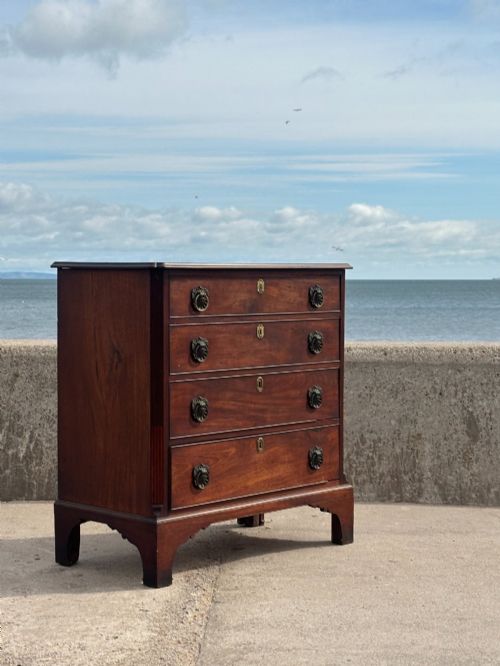
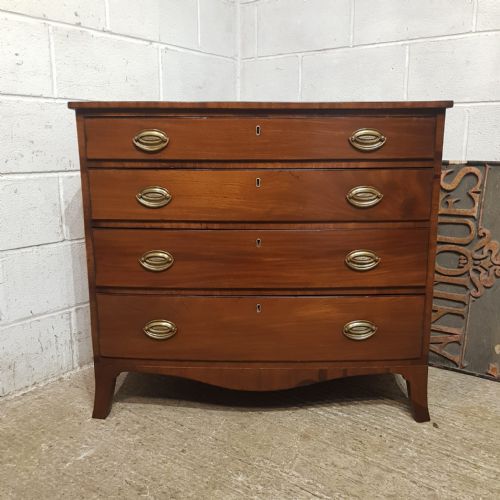

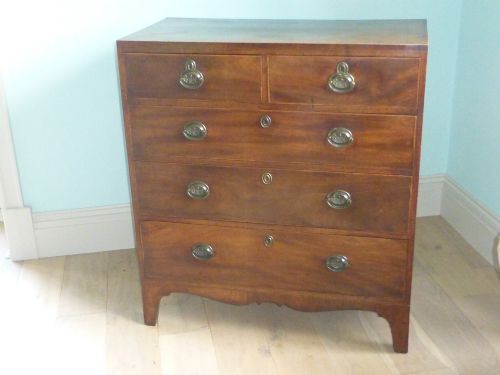
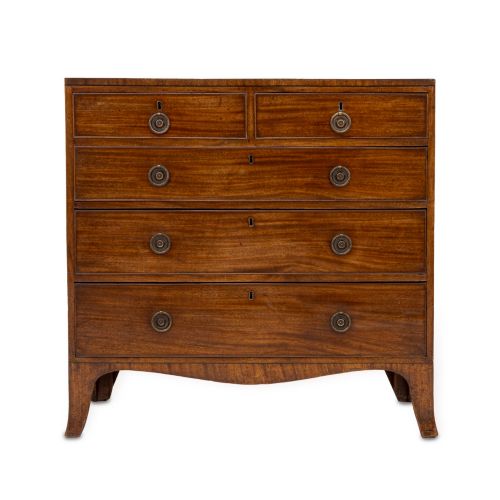



Late Georgian Dresser
A late georgian dresser brings centuries of practical storage and regional character into a modern interior.
Late Georgian Dresser
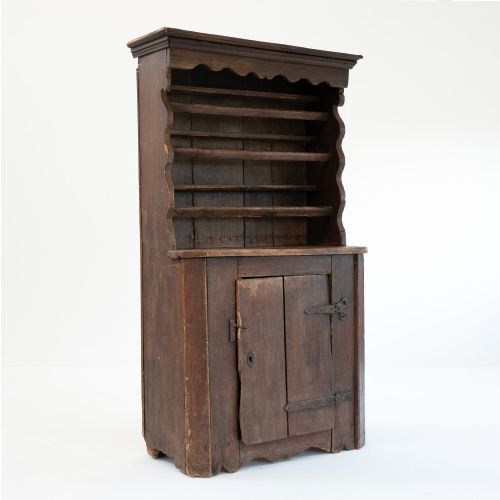
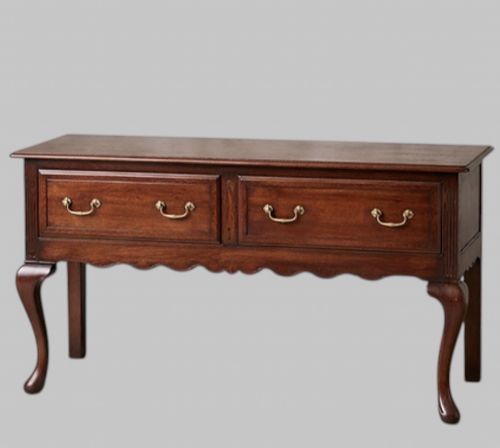
A late georgian dresser serves as a primary storage and display piece, combining lower cupboards or drawers with upper plate racks. Buyers searching this phrase encounter substantial oak and pine constructions originating from regional workshops across Wales, Cornwall, Dorset, and Devon.
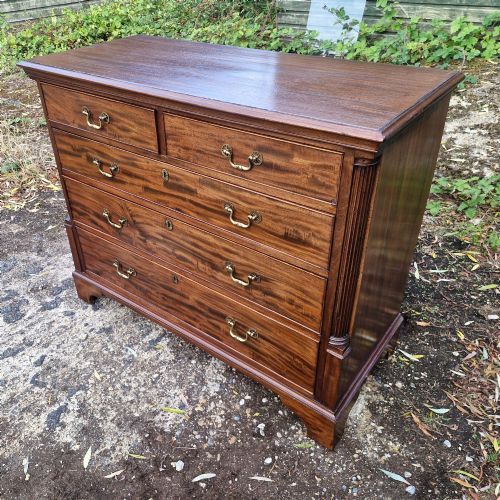
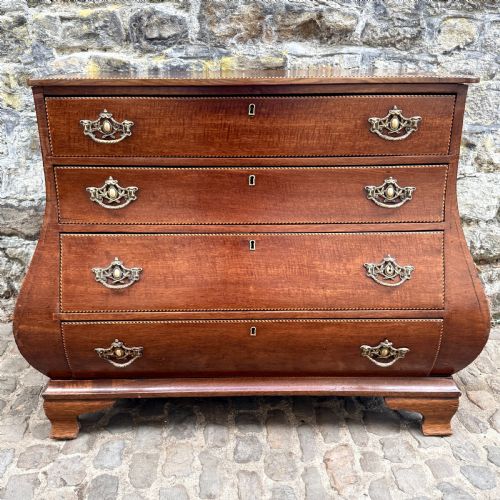
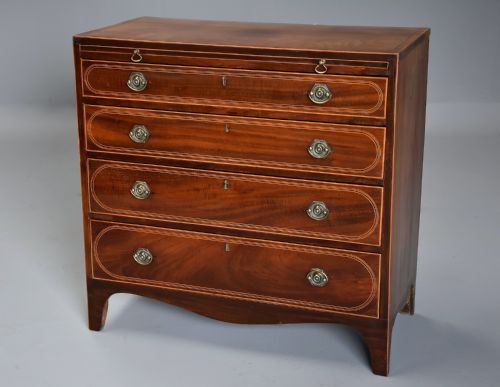
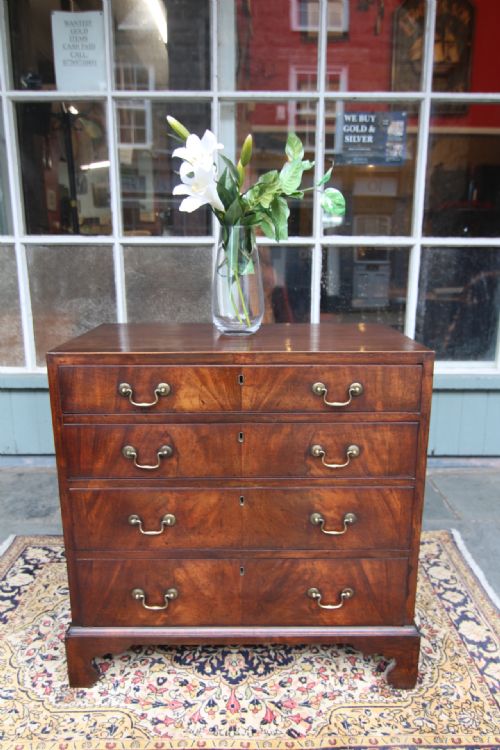
The evidence shows two distinct forms within this category. Traditional kitchen and dining pieces feature open plate rack backs above potboard bases, while sideboards and chest forms provide enclosed drawer storage.
Provincial pieces often display local timber choices like elm alongside regional construction traits, separating them from urban output.
Materials and Construction
Cabinetmakers relied heavily on native hardwoods and softwoods, predominantly utilising solid oak for structural endurance and pine for regional painted cupboards. Drawer linings frequently incorporate secondary softwoods alongside hand-cut dovetail joints.
Surface treatments range from waxed natural oak grain to historic painted finishes in regional pine examples. Iron hardware and brass drop handles secure doors and drawers assembled with traditional pegging methods.
Some country dressers still bear the faint ghost marks of ancient pewter plates resting against the timber grooves for generations.
Assessing Quality and Proportion
Proportion and originality dictate the hierarchy among these pieces, separating standard utility furniture from finer country house examples. Retaining the original open plate rack back significantly elevates a dresser's desirability.
The crispness of timber selection and the retention of early patination distinguish superior specimens. Well-preserved surface finishes and untouched regional hardware indicate careful historic preservation.
Druce & Co
The Late Georgian Dresser Glossary
- Dresser base
- The lower section of a two-part dresser comprising drawers and cupboards without the upper plate rack.
- Potboard
- A lower open shelf built into a dresser base designed for storing pots and kitchen utensils.
- Plate rack
- The upper shelving unit featuring timber grooves and rails to display plates upright.
- Dog kennel dresser
- A provincial form featuring a central lower recess positioned between banks of drawers or cupboards.
- Patina
- The surface sheen and colour developed by wood through decades of handling and waxing.
Late Georgian Dresser: Frequently Asked Questions
Are dresser plate racks original?
Many two-part dressers survive with associated plate racks that were united with the base at a later date. Examining the timber matching and construction joints helps determine if the components originated together.
Original top sections maintain a cohesive wear pattern and consistent wood species across the entire height of the piece.
Where were these dressers made?
Production centred on regional workshops across the British Isles, with notable concentrations in Welsh valleys and West Country counties. Local cabinetmakers utilised native timbers accessible in their immediate geographic areas.
Distinct regional traits often reveal whether a piece emerged from a Welsh coastal workshop or a Dorset country house.
How do I care for antique oak?
Maintaining antique oak requires stable indoor humidity levels and protection from direct heat sources. Regular application of traditional beeswax preserves the historic surface without harming the wood grain.
Avoiding synthetic polishes ensures the natural patination continues to deepen over time.