
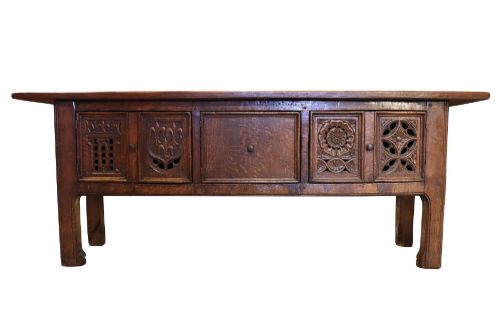
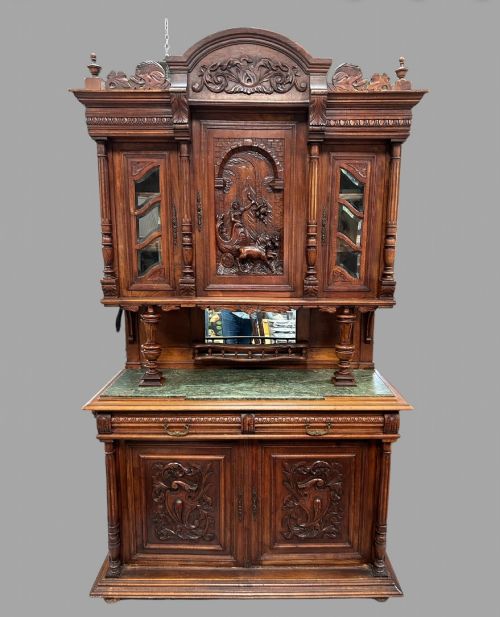
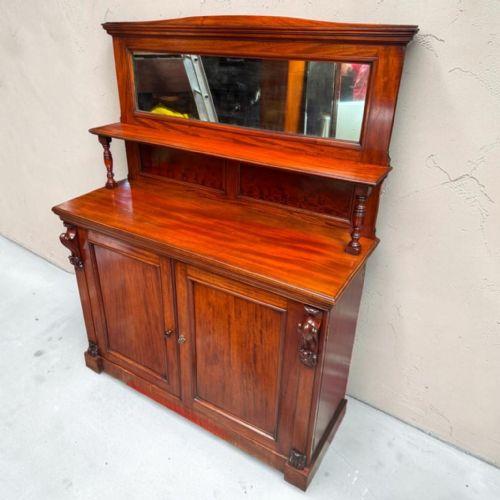
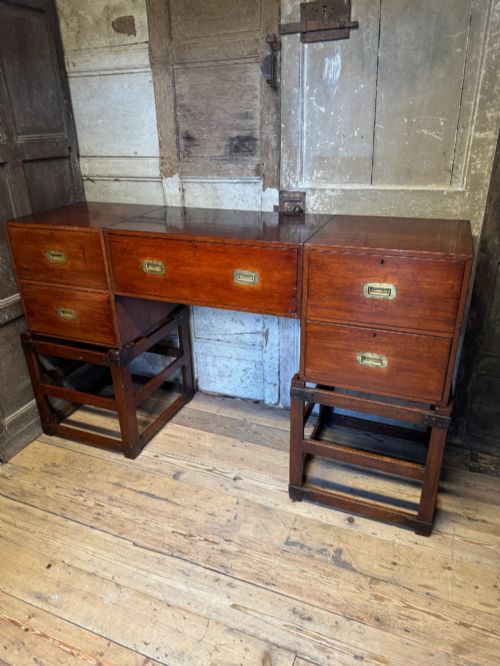
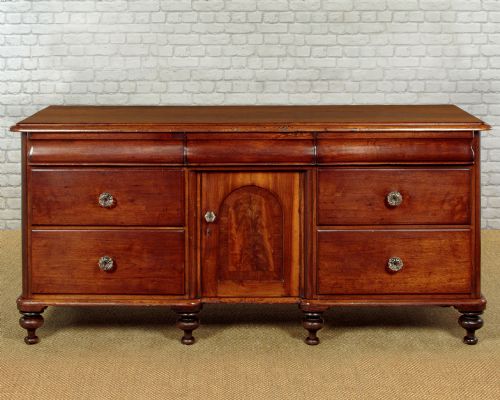
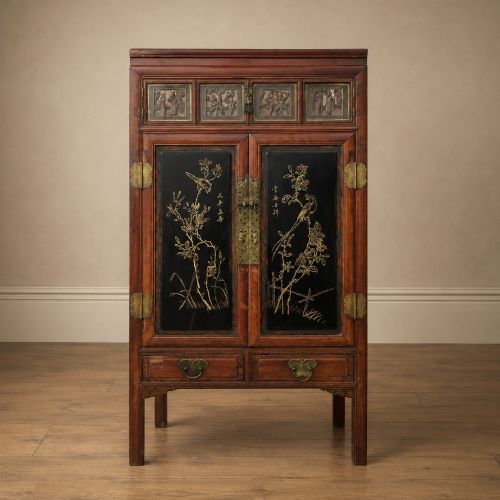
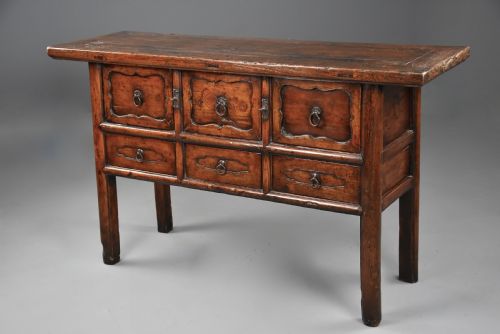
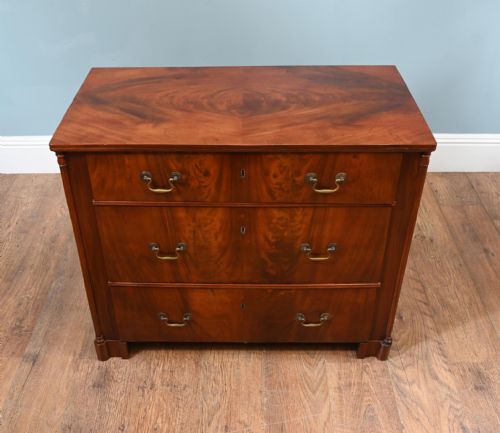

Late 19th Century Sideboard
A late 19th century sideboard brings substantial presence and historic utility to a dining space, combining generous storage with period craftsmanship.
Late 19th Century Sideboard
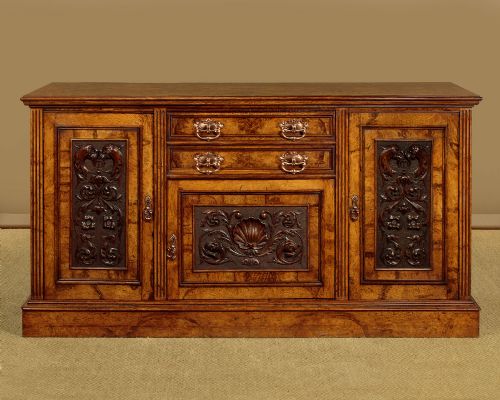
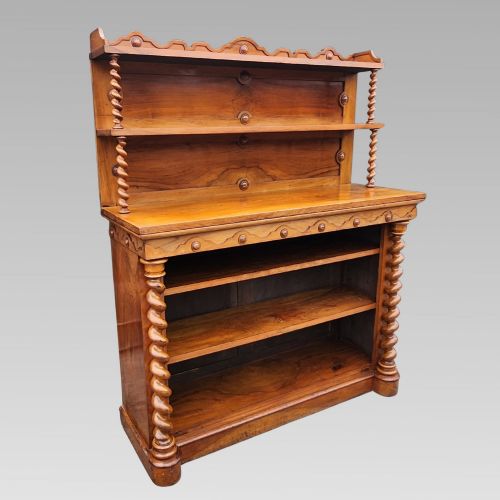
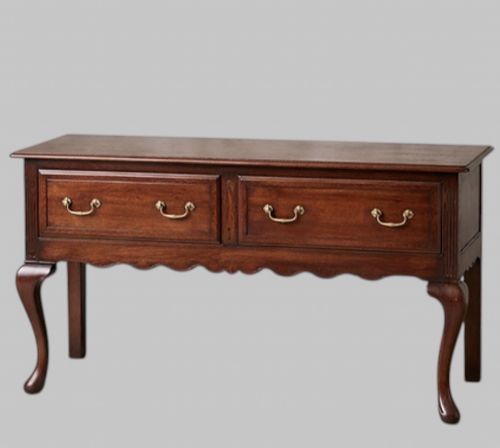
A late 19th century sideboard serves as a practical storage piece designed for dining rooms and living spaces during the Victorian era. These items encompass heavy wooden server tables, dresser bases with pot shelves, and display cabinets created to house china, linen, and glassware.
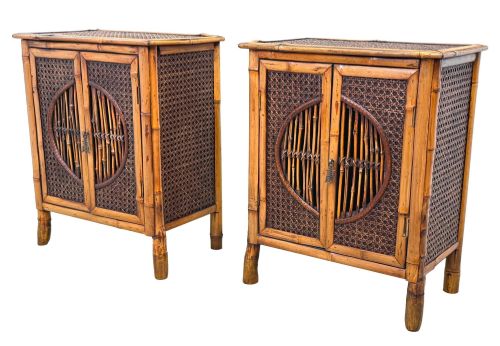
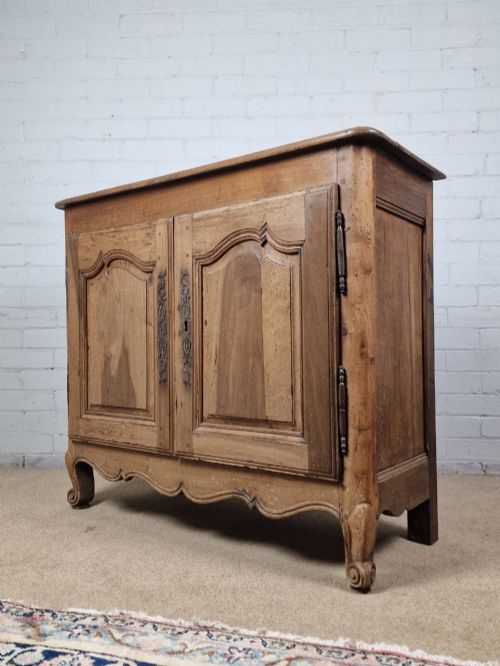
The pieces appearing most frequently on this page combine the dark, heavy timbers popular in the period with proportions suited to formal dining rooms. Alongside traditional British designs, the selection includes continental European interpretations and export pieces from East Asia reflecting the global trade of the period.
Makers of the era drew on diverse stylistic revivals, producing works in Gothic Revival, Sheraton Revival, and Aesthetic Movement tastes. Buyers encounter both utilitarian pine kitchen pieces and highly decorative satinwood or mahogany cabinets intended for formal reception rooms.
How they were made
Cabinet makers utilised dense hardwoods such as mahogany, oak, and walnut as structural timbers, often applying satinwood veneers for decorative contrast. Surfaces frequently received detailed carving, inlaid banding, or ebonised finishes characteristic of late Victorian workshop practices.
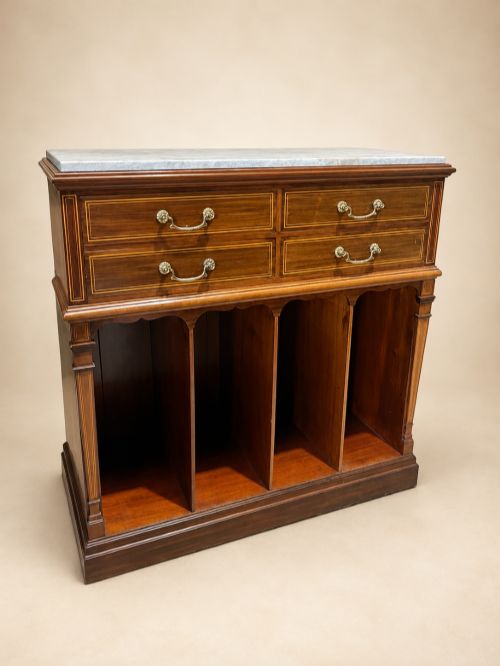
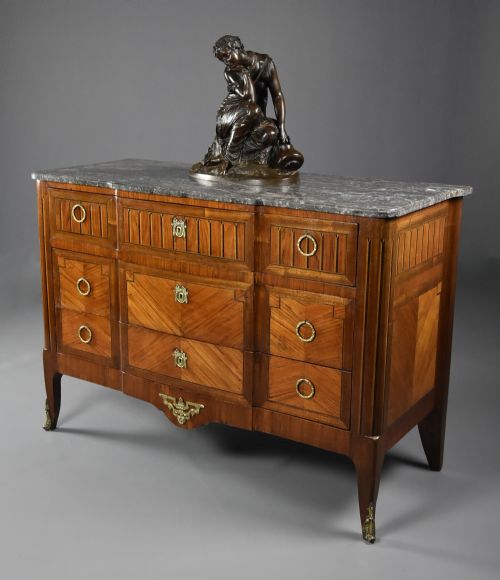
Fitted interiors commonly integrated glass panels, brass hardware, and marble tops, particularly on French and continental commodes. Construction techniques combined traditional joinery with applied mouldings and turned supports to achieve both strength and visual weight.
Some miniature table top cupboards allowed Victorian apprentices to practice full-scale sideboard joinery on a tiny scale.
What varies in quality
The degree of refinement in timber selection and cabinet work separates standard utility furniture from pieces produced for formal display. Finer examples display precise marquetry inlay, well-figured wood grains, and integrated architectural mouldings rather than simple applied decoration.
Original hardware, intact glass panels, and undamaged marble tops elevate the integrity of a piece. The depth of hand-carved detail and the consistency of the polish demonstrate the level of skill invested by the original workshop.
The Late 19th Century Sideboard Glossary
- Dresser base
- A low wooden storage unit featuring drawers and cupboards, often fitted with a lower pot shelf for displaying kitchen or dining ware.
- Aesthetic Movement
- A late 19th-century design style emphasising visual beauty over narrative subject matter, frequently incorporating ebonised wood and subtle inlay.
- Breakfront
- A cabinet design where the central section projects forward from the flanking outer sections, creating architectural depth.
- Sheraton Revival
- A late Victorian design movement reinterpreting the lighter, elegant neoclassical furniture forms of the 18th-century designer Thomas Sheraton.
- Marquetry
- The decorative craft of applying small pieces of veneer to a structure to form intricate geometric or floral patterns.
Late 19th Century Sideboard: Frequently Asked Questions
How do I identify an Aesthetic Movement sideboard?
Aesthetic Movement sideboards often feature ebonised surfaces, geometric inlay, and minimalist brass hardware that departed from heavy Victorian carving.
These pieces typically utilise walnut or mahogany and reflect a lighter, more artistic approach to domestic dining furniture.
Where were these sideboards originally placed?
Dining rooms served as the primary location for sideboards, where they functioned as serving surfaces and storage for tableware.
Grand houses also placed them in reception halls or drawing rooms, depending on the scale and decorative finish of the cabinet.
Are marble tops original to these sideboards?
Many continental European sideboards and commodes from this period incorporate fitted marble tops to provide a durable, heat-resistant surface for serving food.
British pieces more commonly feature solid timber tops, though occasional examples adopt stone inserts influenced by continental styles.
How should I care for a nineteenth-century timber sideboard?
Protect the wood from direct sunlight and sudden temperature changes to prevent the timber and veneer from splitting or warping.
Apply traditional beeswax periodically to nourish the polish and maintain the natural patina built up over generations.