


Elm Wood Chinese Cabinet
An elm wood chinese cabinet brings rustic warmth and enduring utility to any room, offering traditional storage rooted in centuries of provincial craftsmanship.
Elm Wood Chinese Cabinet
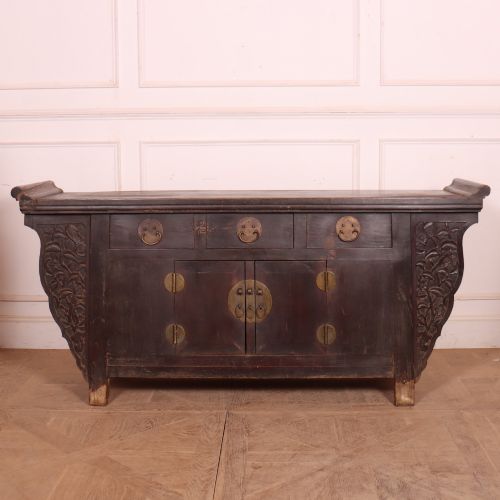
When you search for an elm wood chinese cabinet, you are looking at substantial storage furniture originating from various Chinese provinces and dynasties. These pieces include sideboards, marriage cabinets, apothecary chests, and noodle cabinets spanning the eighteenth century through the early twentieth century.
How they were made
These cabinets are constructed primarily from elm, occasionally utilising locust wood variety of elm, paired with brass or iron metal hardware for hinges and locks. Artisans built these sturdy storage pieces to withstand generations of daily use in provincial homes and apothecary shops.
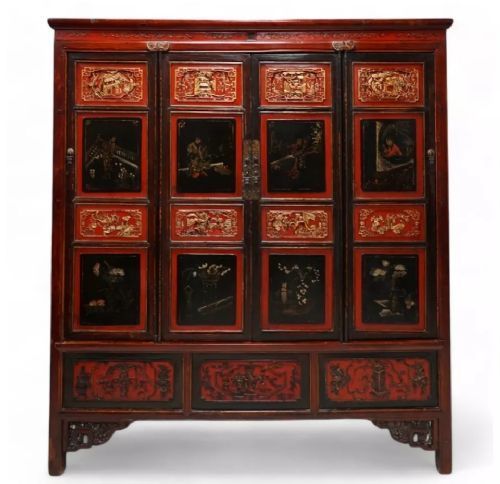
Some examples feature red lacquer surfaces or detailed carved wooden elements, combining functional joinery with decorative finishes traditional to Chinese woodworking crafts.
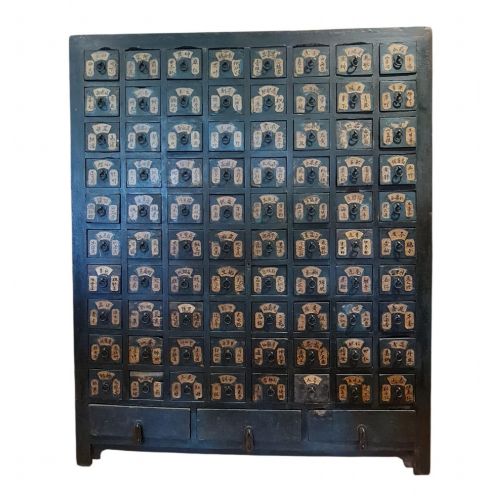
Some apothecary cabinets boast eighty tiny drawers, perfect for hiding an enormous collection of very small paperclips.
What varies in quality
Quality in these pieces rests upon the integrity of the timber framing, the retention of original hardware such as brass and iron fittings, and the preservation of any applied red lacquer finishes. Pieces with complex internal configurations, like the numerous small drawers found in apothecary chests, demonstrate higher degrees of specialised joinery.
The crispness of carved wooden details and the overall balance of proportion between the elm body and the metal mounts separate standard provincial furniture from finer examples of traditional craftsmanship.
The Elm Wood Chinese Cabinet Glossary
- Elm
- A sturdy hardwood utilised extensively in traditional Chinese furniture making for its resilient grain and structural stability. It takes polish and lacquer well while enduring daily wear.
- Apothecary cabinet
- A traditional storage chest featuring numerous small drawers designed for organising medicinal herbs and dried ingredients. Shanxi province examples often display dozens of labeled compartments.
- Marriage cabinet
- A large storage cupboard traditionally given to a bride as part of her dowry. These often feature striking red lacquer finishes and robust brass locking plates.
- Qing dynasty
- The final imperial dynasty of China, spanning from sixteen forty-four to nineteen twelve. Many provincial cabinets seen today originate from the later years of this period.
- Sideboard
- A long, low storage piece utilised for serving and storing household goods. These items frequently incorporate cabinet doors and accessible surface tops.
Elm Wood Chinese Cabinet: Frequently Asked Questions
What is an elm wood chinese cabinet used for?
These cabinets serve as practical storage solutions for modern living spaces, functioning well as sideboards, media consoles, or general linen cupboards. Their deep shelves and drawers accommodate contemporary household items while adding historical character to a room.
Historically, they stored everything from clothing and household provisions to specialised medicines in provincial homes and shops. Today, they integrate easily into diverse interior styles thanks to their warm wood tones and understated hardware.
How do I identify a nineteenth-century piece?
Nineteenth-century pieces typically display traditional joinery methods, hand-forged iron or brass hardware, and timber surfaces showing natural patination from decades of use. Regional variations, particularly those associated with Shanxi province, offer strong clues regarding their geographic and temporal origins.
Examining the interior construction, drawer linings, and the wear patterns on the elm wood helps confirm the age of the cabinet. Provincial pieces often carry the honest marks of utilitarian workshop production rather than imperial refinement.
Are these cabinets made from solid elm?
Yes, traditional Chinese provincial furniture is constructed from solid timbers like elm, sometimes referred to locally as locust wood variety of elm. Craftsmen relied on thick timber planks to ensure the structural integrity of large storage pieces without relying on modern veneers.
This solid wood construction allows the pieces to age gracefully, developing rich surface patinas over generations. Minor shifts in the wood over time are natural characteristics of genuine antique elm furniture.
How do I care for antique elm furniture?
Keep antique elm pieces away from direct heat sources and extreme humidity fluctuations to prevent the solid wood from splitting. Dust regularly with a soft, dry cloth and occasionally apply a quality beeswax to nourish the timber.
Avoid harsh chemical cleaners that can strip the natural patina or damage original lacquer finishes. Gentle, consistent maintenance preserves the historic surface character of the wood for years to come.