




Late 18th Century Glass
Late 18th century glass brings tactile weight and hand-formed character to a room, offering genuine Georgian tablewares and wall mirrors.
Late 18th Century Glass
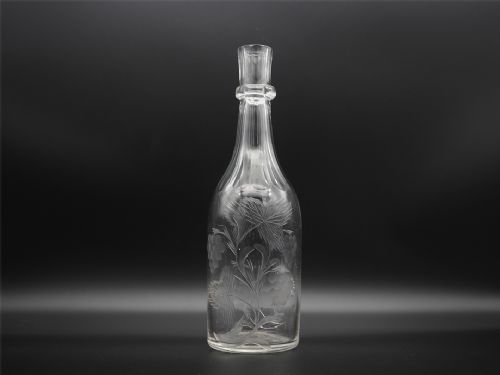
Late 18th century glass encompasses drinking vessels, utility bottles, barometers, and mirrors created during the Georgian era. Drinking vessels include rummers, firing glasses, ale flutes, and decanters.
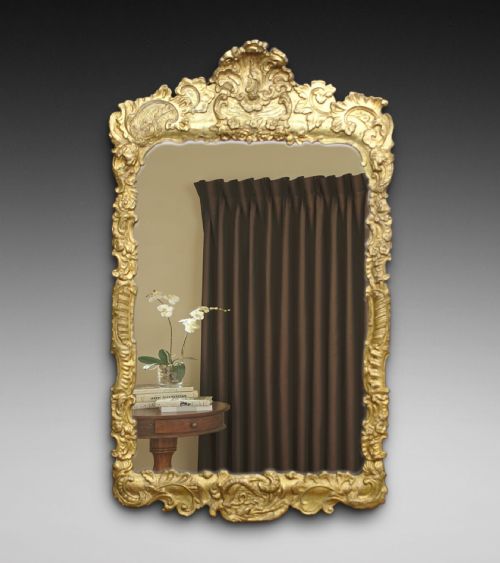
Vessels on this page span tablewares such as wine glasses and decanters alongside decorative bottles and wall mirrors framed in carved giltwood. These objects bridge everyday function with period craftsmanship.
Materials and construction methods
Makers utilised lead glass and blown glass formed into cylinders, flutes, and folded feet. Pontil marks underneath confirm manual blowing techniques.
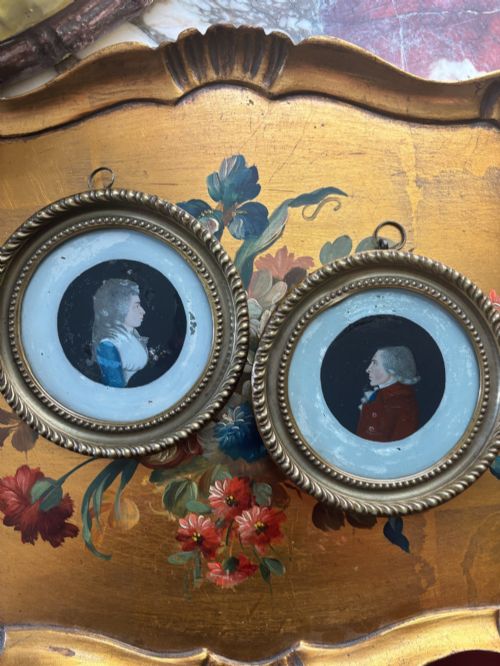
Decorative glass objects incorporate surface engraving, etching, and gilt embellishment alongside wooden frames in mahogany, gesso, and giltwood.
The listings show a split between Georgian drinking vessels in lead glass and large wall mirrors set in carved giltwood.
Distinctions in quality
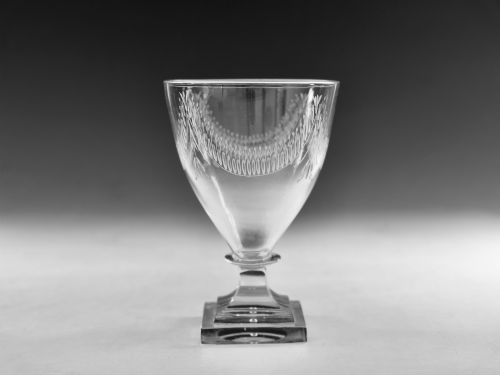
Quality rests in the crispness of wheel engraving, the clarity of the lead metal, and the preservation of original mercury mirror plates or giltwood frames. Heavy lemon squeezer bases and intact knop stems elevate drinking vessels.
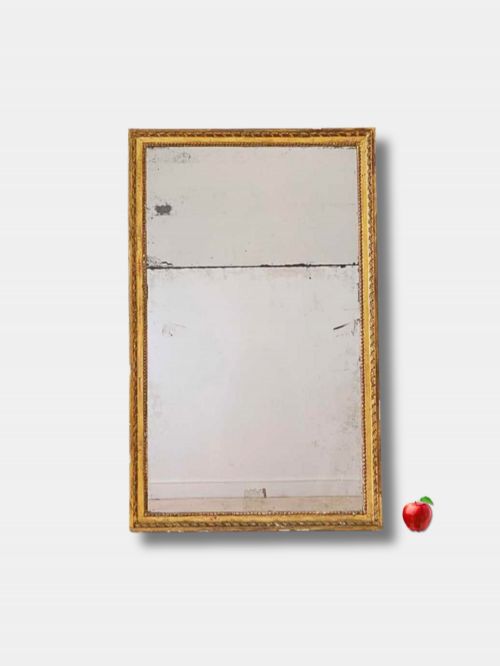
Mirrors display divergence in the depth of carved gesso and the survival of secondary woods. Utility bottles show quality through deep colour saturation in green or iridescent glass.
Gilbert London·A Pozzoby London
The Late 18th Century Glass Glossary
- Firing glass
- A heavy-based drinking glass designed to be banged on a table instead of toasted. These robust pieces date primarily to the Georgian period.
- Rummer
- A large, capacious drinking glass on a short stem used for ale, wine, or punch. They appear frequently in late 18th century forms.
- Lemon squeezer base
- A square, moulded glass foot resembling a citrus juicer. This feature provides stability to heavy decanters and sweetmeat plates.
- Pontil mark
- The rough scar left on the underside of blown glass where the pontil rod was snapped off. It confirms manual creation.
- Mercury glass plate
- A mirror plate backed with a reflective amalgam of mercury and tin rather than modern silver. It yields a soft, warm reflection.
Late 18th Century Glass: Frequently Asked Questions
How do I identify a genuine Georgian glass?
Look for tactile indicators such as pontil scars on the underside and minor surface bubbles within the metal. These traits confirm manual forming rather than modern machine moulding.
Examine the form and weight of the vessel, as lead glass from this era feels noticeably heavier and displays a softer refractive quality than contemporary glass.
What is the difference between a rummer and a wine glass?
A rummer is a considerably larger, thicker-walled drinking vessel with a shorter, sturdier stem suited for robust drinks like ale or punch. Wine glasses from this period feature slender stems and more delicate bowls.
Rummers often include engraved bowls or lemon squeezer bases, prioritising durability alongside table aesthetics.
How should I clean antique mirrors and glass?
Dust glass surfaces gently with a dry or barely damp microfiber cloth, avoiding harsh chemical cleaners that damage old engraving or gilt decoration. Protect fragile mercury plates from excess moisture.
For wooden frames and barometers, use a soft brush to remove dust from carved gesso and giltwood without disturbing the finish.
What are campaign decanters and serving bottles?
Campaign decanters are portable glass bottles housed in fitted wooden sets designed for travel during the late 18th century. They allowed officers and travellers to carry spirits securely.
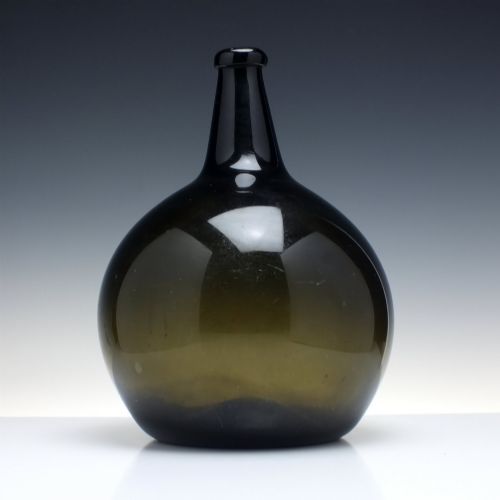
Serving bottles and flagons from this period served storage functions, often formed from thick green glass with substantial necks.