


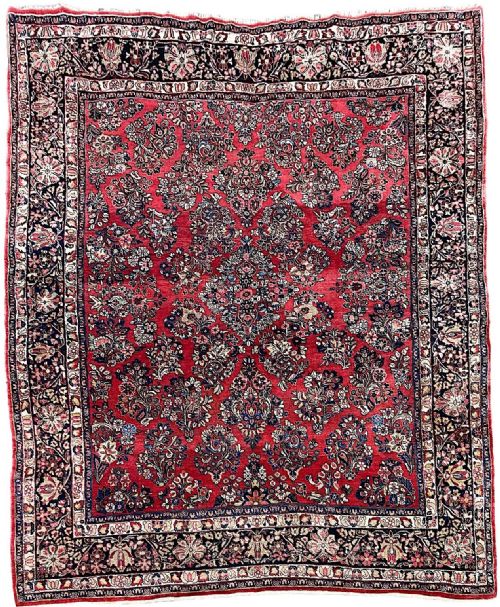

Large Wool Room Rug
A large wool room rug anchors a substantial space with traditional Persian and Indian weaving, offering enduring floor coverings shaped by centuries of regional design.
Large Wool Room Rug
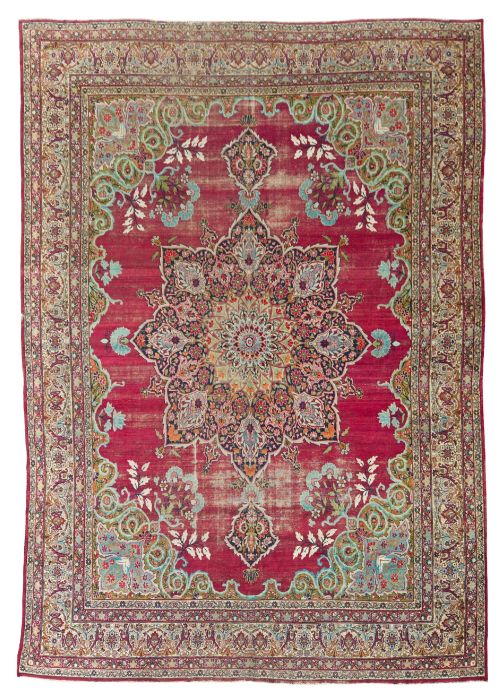
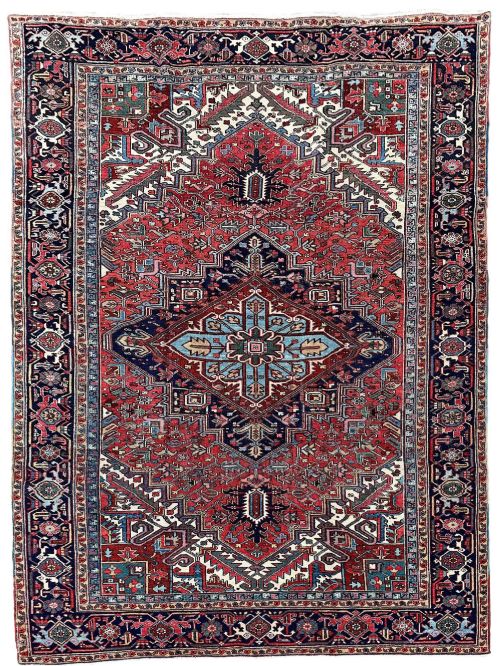
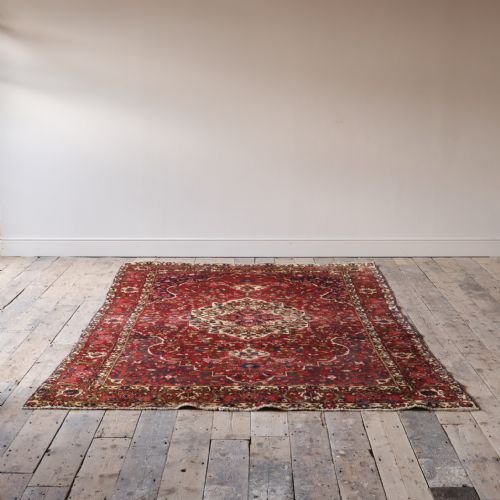
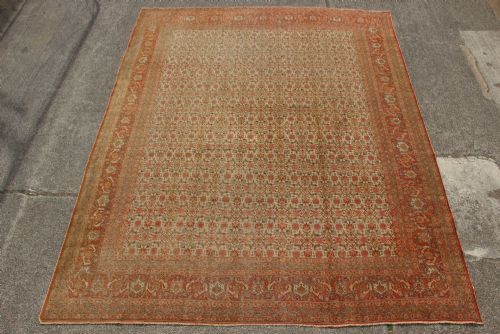
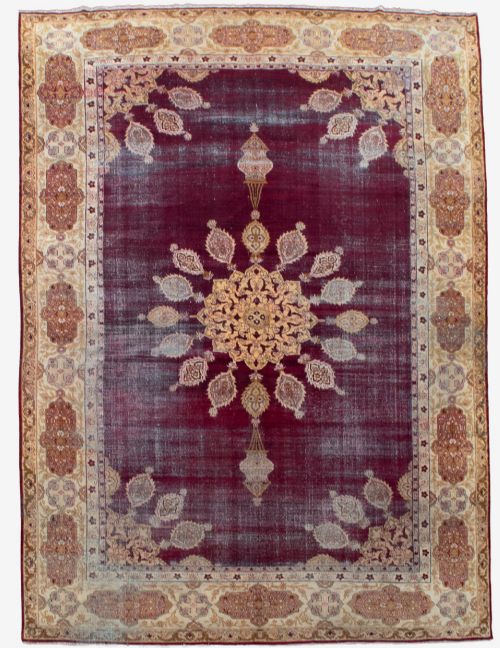
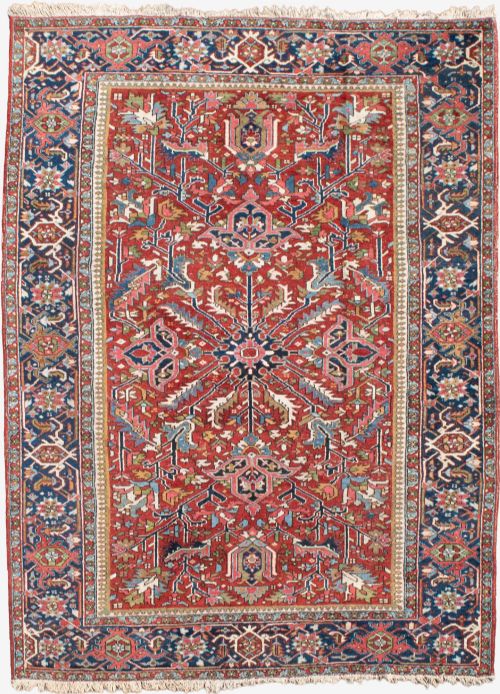
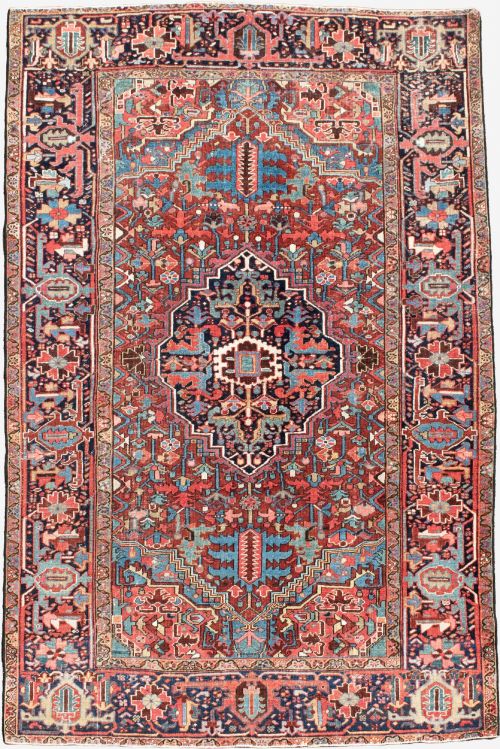
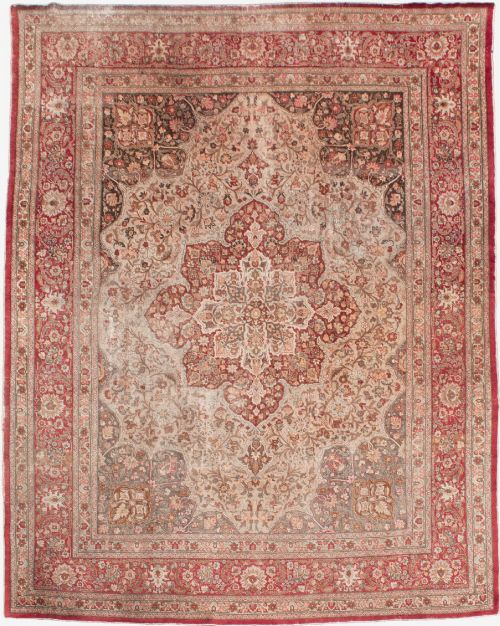
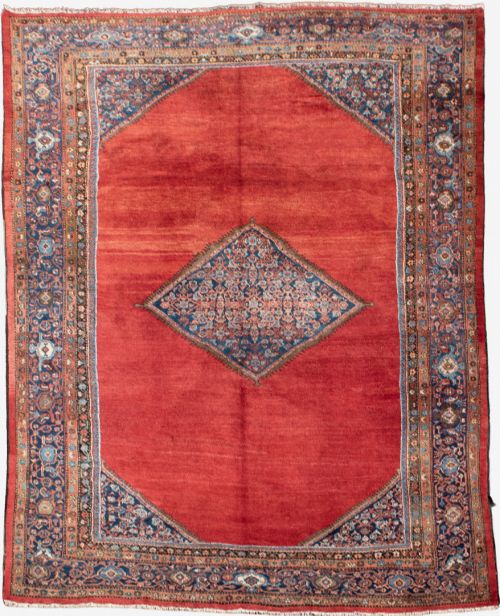
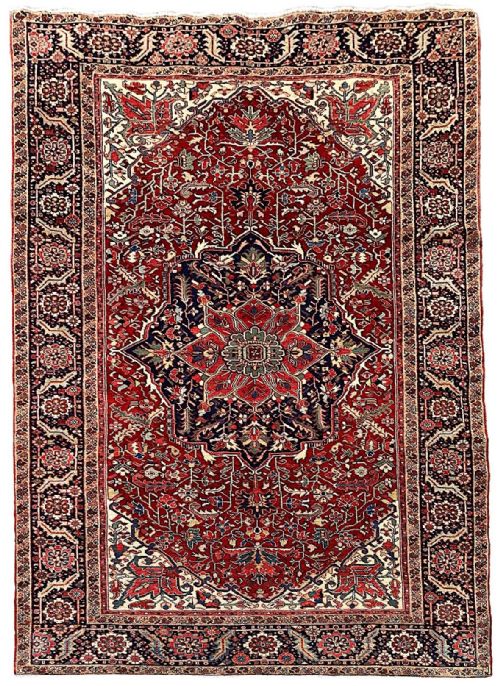
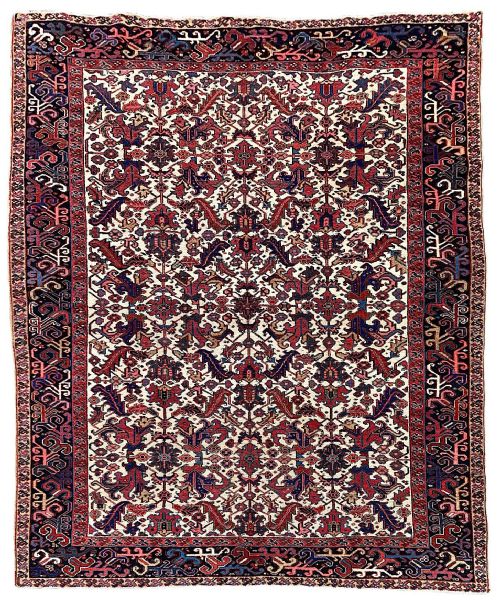
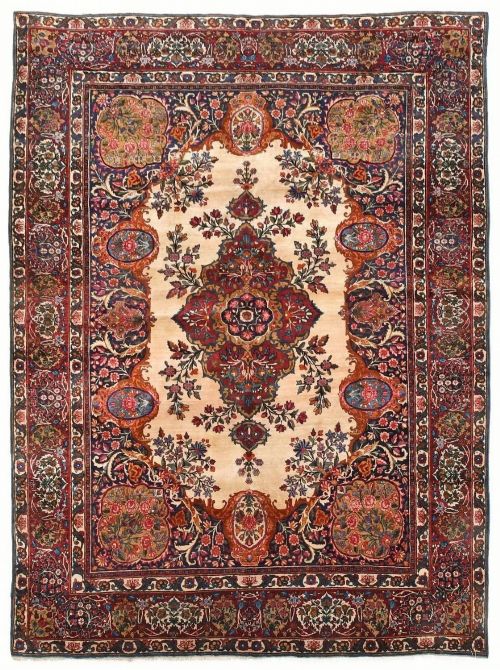
A large wool room rug delivers substantial floor coverage through expansive formats like country house carpets and room-size room rugs. These pieces originate predominantly from traditional Persian centres alongside workshops in Northern India and Turkey, dating from the late nineteenth century into the early decades of the twentieth century. Examples on this page encompass substantial Heriz, Tabriz, Oushak, and Amritsar carpets designed for major domestic interiors.
Makers and regional workshops produced these large formats to suit grand reception rooms, utilising robust wool pile knotted onto cotton or wool foundations. The selections span geometric Heriz village layouts, curvilinear Tabriz and Kirman compositions, and large-scale Oushak or Amritsar designs with muted or pastel palettes. Buyers encounter formats exceeding three or four metres in length, created to define the proportions of period living spaces.
What varies in quality
Quality in these large room rugs depends primarily on the density of the knotting and the fineness of the wool used in the pile. Tighter knots allow for sharper definition in intricate medallion and floral motifs, distinguishing master-woven workshop carpets from coarser village productions.
The integrity of the foundation and the preservation of the original borders also dictate the standing of a piece. Even when a rug exhibits age-related wear or distress, the overall balance of design and the depth of the remaining wool pile determine its long-term integrity.
Country house carpets often arrived via steamship and camel train, carrying the dust of multiple continents straight into British drawing rooms.
Benlian Tabriz
The Large Wool Room Rug Glossary
- Pile
- The upright wool yarns that form the usable surface of a rug. Pile density directly affects how a carpet handles foot traffic.
- Warp
- The vertical foundation threads running lengthwise through a rug from fringe to fringe. Weavers tie the knots directly onto these supporting cords.
- Weft
- The horizontal threads passed across the warp strands between rows of knots to bind the structure together. It stabilises the width of the carpet.
- Medallion
- A large central decorative motif set in the middle of the field. Many Persian and regional carpets use this symmetrical focal point.
- Kilim
- A flat-woven carpet or rug made without pile by tightly interweaving warp and weft strands. These versatile textiles offer a lighter alternative to knotted pile rugs.
Large Wool Room Rug: Frequently Asked Questions
What is a large wool room rug?
A large wool room rug is a heavy, floor-covering textile woven with a wool pile, traditionally sized for substantial reception spaces. These pieces include antique carpets originating from Persian, Turkish, and Indian weaving traditions.
Such rugs were designed to anchor major rooms, combining durable materials with intricate regional patterns that reflect the aesthetic of their period.
How were these large carpets used?
Historically, these large carpets served as the primary floor covering in drawing rooms, dining rooms, and country house interiors. They provided warmth underfoot and protected polished wooden floorboards.
Their substantial dimensions allowed them to unify large furniture arrangements, creating defined zones within grand domestic spaces.
How do I live with an antique rug?
Living with an antique wool rug involves placing it in low-to-moderate traffic areas and using a quality underlay to prevent sliding and reduce friction. Regular gentle vacuuming without a beater bar keeps the wool pile clean.
Rotating the rug periodically ensures even exposure to light and wear, helping the natural fibres age gracefully over the decades.
How can I tell different regional styles apart?
Regional styles reveal themselves through distinct design vocabulary, colour palettes, and knotting structures. For instance, Heriz carpets often feature bold geometric medallions and robust corners, whereas Oushaks display larger, softer floral motifs with muted pastel grounds.
Examining the weave, border arrangement, and secondary colours helps attribute a carpet to specific centres such as Tabriz, Kirman, or Amritsar.