


Large Wooden Storage Box
A large wooden storage box brings centuries of practical utility and robust craftsmanship into a modern interior.
Large Wooden Storage Box
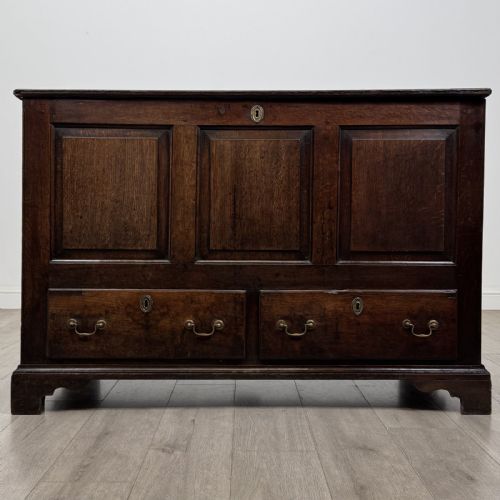
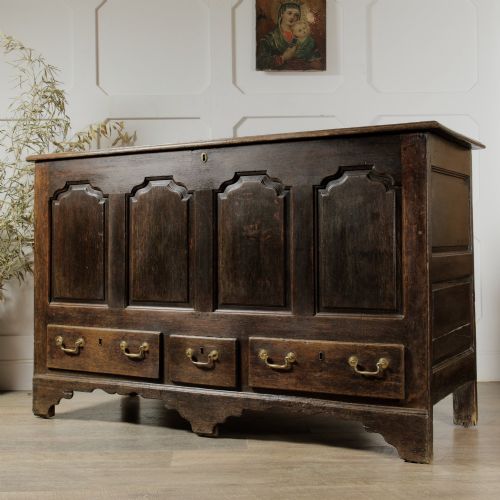
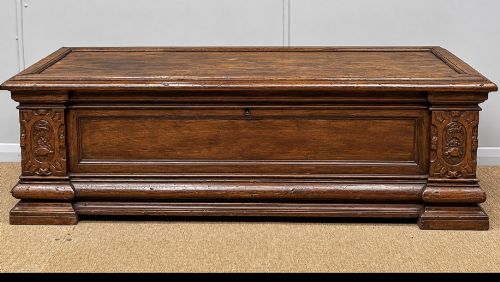
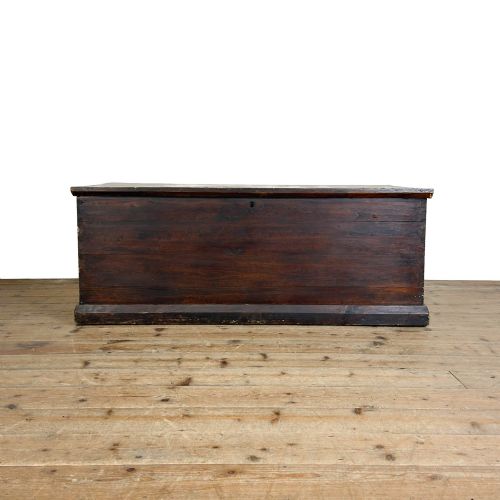
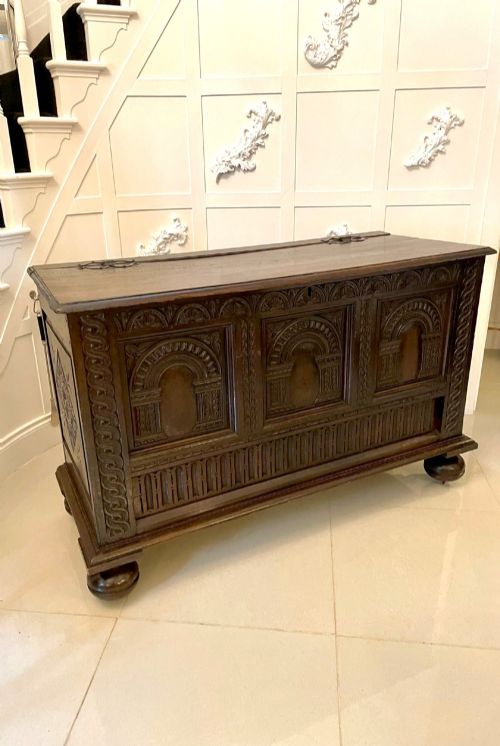
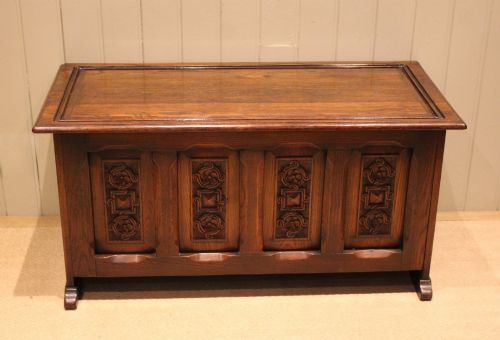
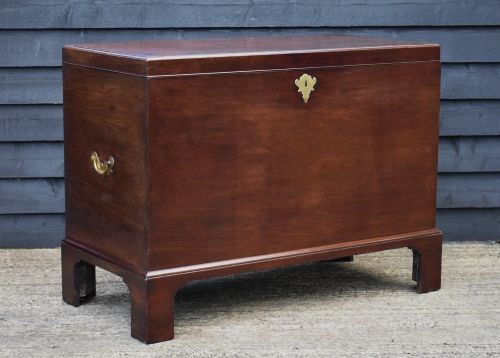
A large wooden storage box encompasses sturdy coffers, mule chests, blanket boxes, and trunks originating from the seventeenth, eighteenth, and nineteenth centuries. These pieces reflect diverse regional origins, ranging from British country houses and Welsh farmsteads to Hungarian folk workshops and colonial campaigns.
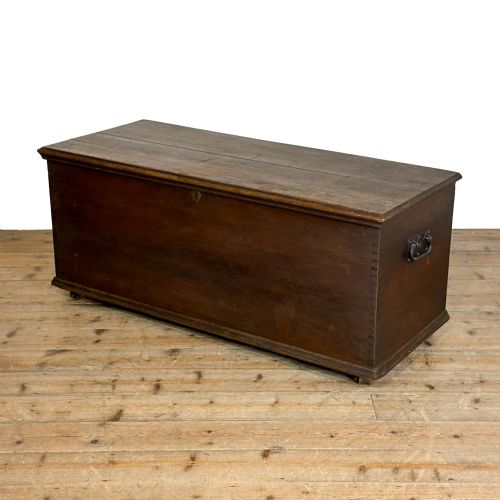
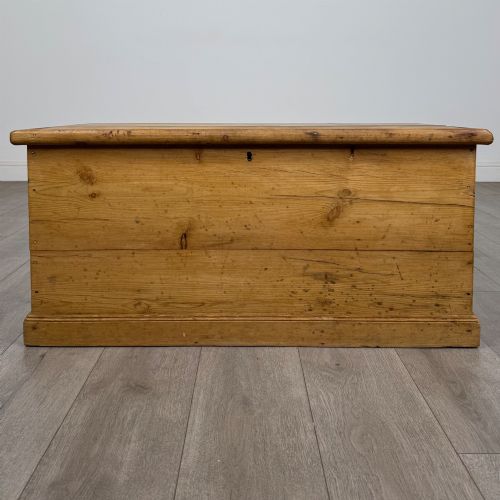
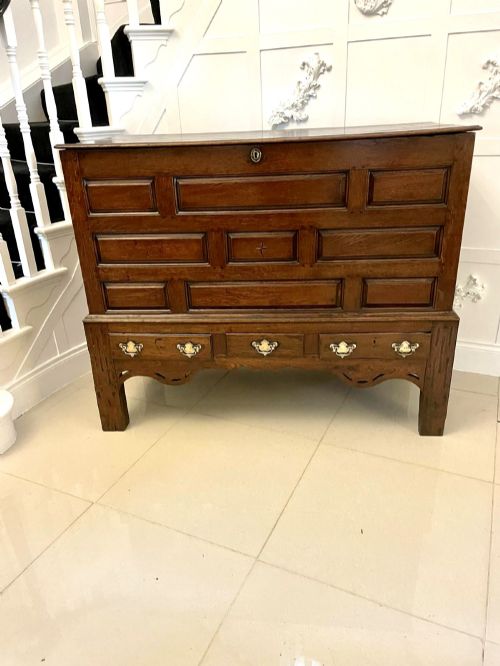
The domestic forms include oak coffers on stands, pine blanket boxes with side handles, and walnut tea caddies, alongside specialised pieces like silver chests and dowry chests in teak or camphor wood. Buyers encounter both utilitarian painted pine and richly carved hardwood constructions designed for heavy household service.
Materials and construction
Solid timber forms the structural core of these pieces, utilising durable woods such as oak, pine, teak, walnut, and camphor wood. Carpenters joined heavy planks using traditional framing methods, incorporating internal drawers, hidden storage compartments, and hinged lids.
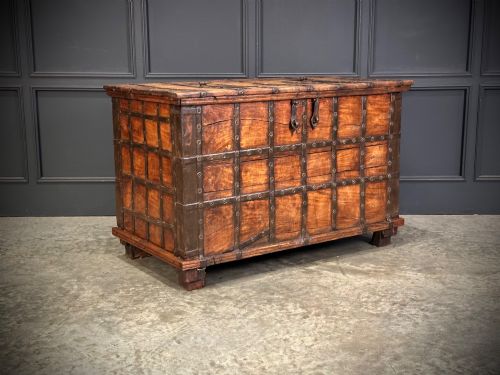
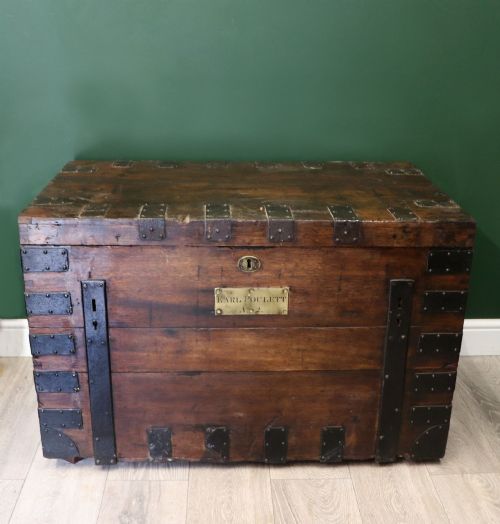
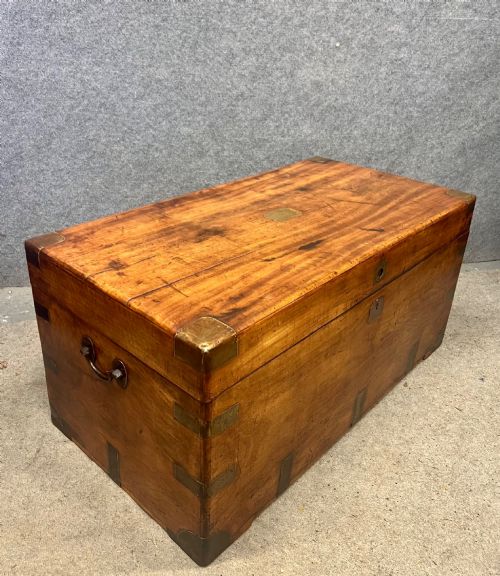
Metal reinforcement defines the more travel-oriented and heavy-duty examples. Blacksmiths and metalworkers applied iron bands, brass corners, and side handles to secure the joints and protect the timber during transit.
Large Wooden Storage Box Retail Price Guide 2026
Typical asking prices for large wooden storage box among the pieces listed under this phrase on Sellingantiques today, from the lower quarter to the upper quarter. They describe what is for sale here now, not the wider market.
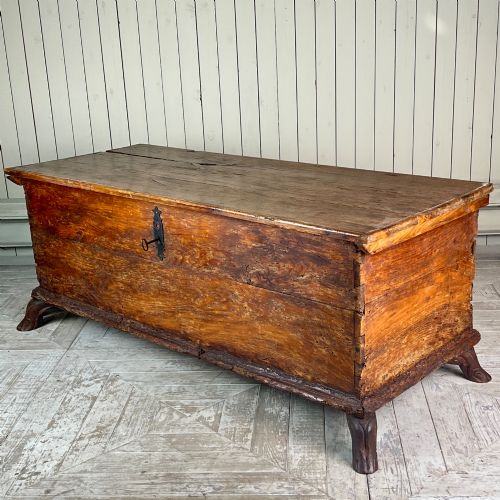
Pine examples appear across the nineteenth century in both plain waxed finishes and brightly painted folk art applications.
Quality and character
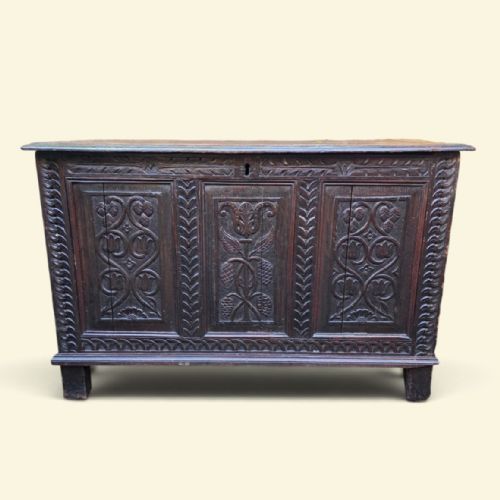
The degree of hand-carved detail and the integrity of the original timber distinguish standard utility boxes from superior examples. Finely executed panels, sophisticated joinery, and retained original surfaces such as paint or deep wax patination elevate certain pieces.
Hardware preservation alters the standing of a box. Original brass bindings, iron brackets, working locks, and maker or owner labels contribute authenticity and historical depth to the construction.
The Large Wooden Storage Box Glossary
- Coffer
- A heavy wooden chest traditionally used for storing valuables or household goods. These pieces often feature hinged lids and robust panel construction.
- Mule chest
- A traditional storage chest distinguished by one or more drawers built into the base beneath the main compartment. They bridge the gap between a standard box and a chest of drawers.
- Campaign chest
- A portable storage box or chest made in sections with recessed brass handles and corner brackets, designed for military travel. They utilise durable timbers like camphor wood or teak.
- Dowry chest
- A large ceremonial storage box created to hold household linens and possessions for a bride. These examples frequently display regional carving, painting, or specialised woods.
Large Wooden Storage Box: Frequently Asked Questions
What is a mule chest?
A mule chest is a traditional storage box that combines a deep upper compartment with one or more fitted drawers beneath. This design allowed owners to access smaller items without opening the main lid.
Craftsmen built these pieces primarily from oak and pine during the seventeenth and eighteenth centuries for domestic utility.
How were campaign chests used?
Campaign chests served as transportable storage for officers on military campaigns or distant postings. They split into stacking sections with inset brass handles to withstand rugged journeys.
Carpenters frequently constructed them from sturdy tropical hardwoods like teak and camphor wood to resist humidity and wear.
Where should I place a blanket box?
A blanket box sits comfortably at the foot of a bed, inside a hallway, or acting as a coffee table in a living room. The flat top provides a useful surface while the interior conceals textiles or household clutter.
Ensure the timber remains away from direct heat sources to prevent the wood from drying out or splitting.
How do I care for antique pine?
Antique pine requires gentle dusting with a soft dry cloth and occasional treatment with natural beeswax to nourish the dry grain. Avoid modern liquid polishes that build up silicones over time.
Keep the room humidity stable to preserve the structural integrity of the joints and prevent warping.