

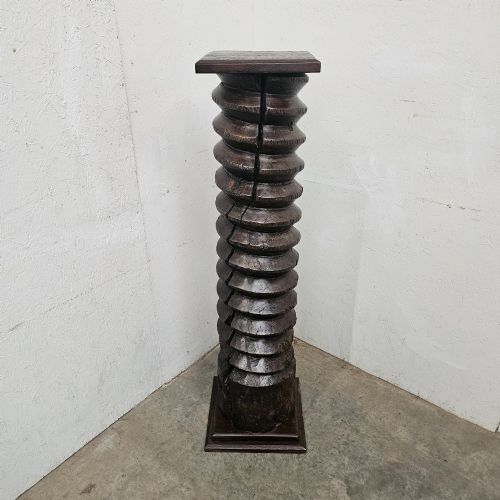
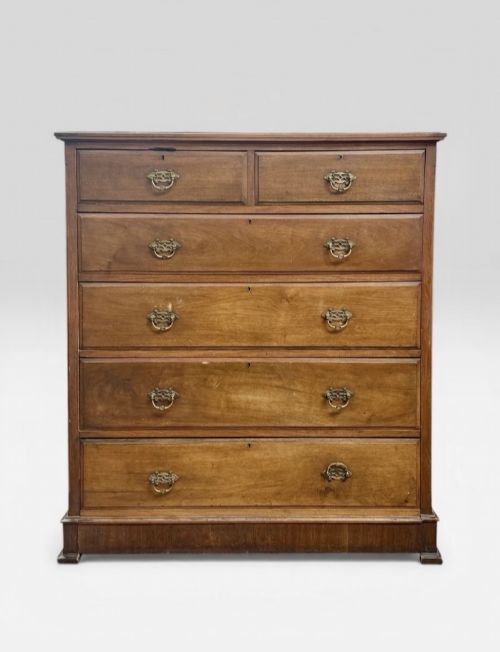
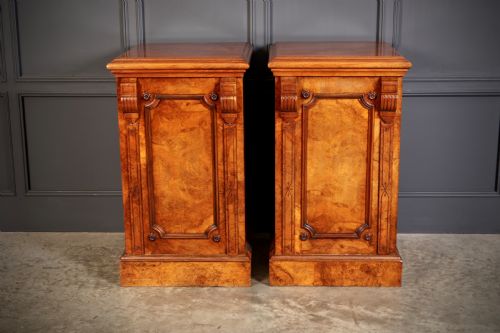


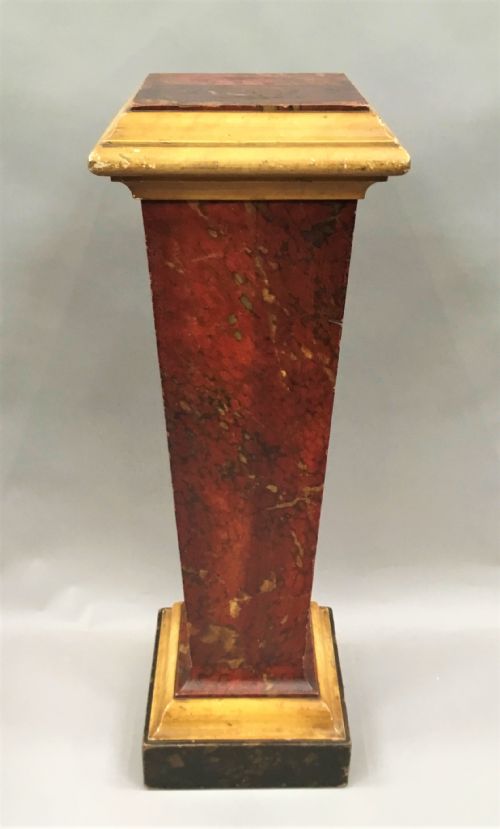


Large Wooden Plinth
A large wooden plinth elevates sculpture and ceramics, anchoring a room with architectural presence and solid timber grain.
Large Wooden Plinth
When you search for a large wooden plinth, you are looking for substantial display stands and architectural columns designed to elevate heavy decorative objects. The examples on this page encompass substantial pedestals, faux marble columns, and decorated stands dating from the nineteenth century and the Edwardian era.
The material palette recorded in the evidence leans heavily on mahogany, carved wood, and painted surfaces, sometimes styled with Regency or Art Nouveau influences. Buyers encounter pieces ranging from stained birch pedestals of large proportions to classical revival columns intended for prominent display spaces.
Construction and Materials
Makers utilised dense timbers such as mahogany and birch, frequently employing heavy carving to shape structural columns and pedestals. Surface finishes vary from natural polished wood grains to painted treatments and faux marble effects.
Joinery techniques focused on supporting monumental proportions and heavy downward loads, ensuring stability for sculptures and decorative urns placed atop the surface.
Large Wooden Plinth Retail Price Guide 2026
Typical asking prices for large wooden plinth among the pieces listed under this phrase on Sellingantiques today, from the lower quarter to the upper quarter. They describe what is for sale here now, not the wider market.
Materials documented across the inventory include solid mahogany, stained birch, gesso, painted wood, and brass elements.
Factors of Quality
Quality rests in the depth and crispness of the timber carving, alongside the integrity of painted or faux marble surfaces applied to the core material. Superior examples display careful proportion and substantial timber weight that safely bears large decorative sculptures.
The refinement of period details, such as classical revival motifs or Edwardian turning, separates standard utilitarian stands from more ambitious decorative works.
The Large Wooden Plinth Glossary
- Pedestal
- A structural support or base for a statue, urn, or column. These freestanding vertical pieces elevate display items to eye level.
- Faux Marble
- A decorative paint finish designed to imitate the appearance of real stone. Artisans applied this technique to wood surfaces during the nineteenth century.
- Birch
- A hard pale timber used for cabinetmaking and turned supports. It accepts fine carving and staining.
- Regency Revival
- A nineteenth-century design style looking back to the early nineteenth-century Regency period. It favours classical architectural lines and clean proportions.
- Gesso
- A plaster-like material applied to wood as a base for paint or gilding. It provides a smooth ground for decorative finishes.
Large Wooden Plinth: Frequently Asked Questions
What holds a large wooden plinth?
These tall stands support heavy decorative items such as bronze sculptures, marble busts, and large floral arrangements.
Their substantial timber construction provides a stable base designed to bear considerable weight without tipping.
Where should I place a pedestal?
Large display columns work best in entrance halls, spacious living rooms, or corners where a vertical element breaks up horizontal furniture lines.
They require adequate clearance around the base to allow unobstructed viewing of the object displayed on top.
How do I identify a nineteenth-century finish?
Nineteenth-century surfaces often show hand-applied French polish, traditional oil finishes, or layered paint and faux marble effects.
Examining the grain patterns and the way the finish has aged reveals the traditional hand methods used by period makers.
Are these stands suitable for modern rooms?
The architectural presence of a timber column or pedestal adds historical contrast to clean modern interior spaces.
They serve a functional purpose by raising art pieces into prominent sightlines within a contemporary room layout.