




Classical Revival Pedestal
A classical revival pedestal brings the architecture of antiquity into the room, lifting a bronze or a vase to catch the eye.
Classical Revival Pedestal
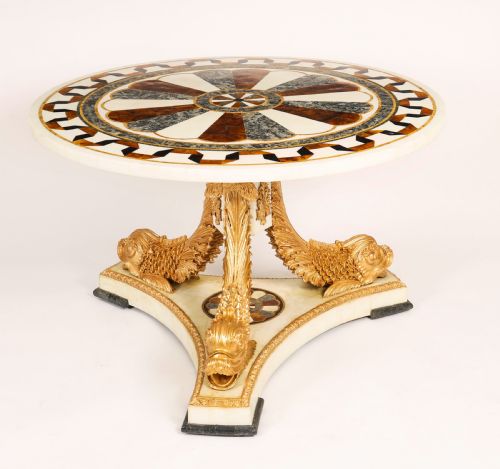
A classical revival pedestal draws directly upon the architectural vocabulary of ancient Greece and Rome, reimagined by makers in the nineteenth and early twentieth centuries. When searching for a classical revival pedestal, buyers encounter monumental columns, fluted plinths, and torchères fashioned to display sculpture, urns, and lamps.
The selections span grand nineteenth-century Italian stonework and Swedish birch stands from the opening decades of the twentieth century. These pieces serve primarily to elevate ornamental objects, using height and classical proportions to command attention within a room.
Most examples rely on the architectural orders, featuring capitals, columns, and stepped bases that echo ancient temples. Whether rendered in faux marble, carved walnut, or patinated bronze, they provide a stable, decorative stage for display.
Materials and construction
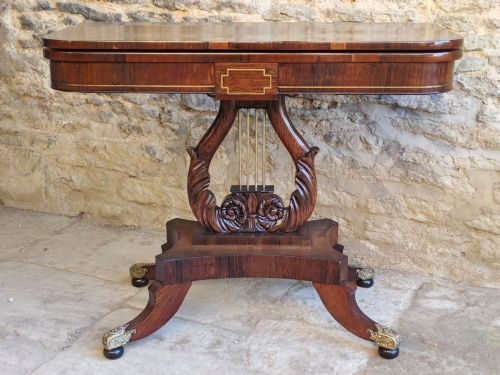
Makers utilised a mixture of natural stone, hardwoods, and cast metals to achieve the desired mass and dignity. Marble, alabaster, and dense stone provide the heavy foundations required for tall columns, while mahogany, satinwood, and walnut introduce refined timber surfaces.
Metalwork plays a central role, with cast bronze and brass forming Corinthian capitals, mounts, and structural columns. Artisans combined these varied mediums, mounting bronze urns upon wooden columns or pairing stone bases with gilt bronze details.
Classical Revival Pedestal Retail Price Guide 2026
Typical asking prices for classical revival pedestal among the pieces listed under this phrase on Sellingantiques today, from the lower quarter to the upper quarter. They describe what is for sale here now, not the wider market.
The listings on this site combine natural stone, carved wood, and cast brass across pieces spanning the nineteenth and early twentieth centuries.
Judging the execution
Quality rests in the crispness of the carving and the fidelity of the classical proportions. Superior examples display sharply defined acanthus leaves on capitals and precise fluting down the shaft, whereas lesser pieces rely on soft, generalised moulding.
The choice and treatment of materials also define the tier of the piece. Solid marbles, substantial bronzes, and carefully selected veneers separate ambitious sculptural pedestals from simple utility stands.
The Classical Revival Pedestal Glossary
- Corinthian column
- A pillar design distinguished by elaborate capitals decorated with rows of carved acanthus leaves. This order appears frequently on nineteenth-century lamps and pedestals.
- Torchère
- A tall, slender stand or pedestal originally designed to hold a torch or candle, later adapted for lamps and heavy vases. They are commonly cast in bronze or carved from timber.
- Grand Tour
- A cultural journey undertaken by wealthy Europeans in the eighteenth and nineteenth centuries, yielding small bronzes, urns, and architectural fragments often displayed on pedestals. These items reflect classical antiquity.
- Neoclassical
- A style spanning the eighteenth and nineteenth centuries that revived the architectural and decorative motifs of classical Greece and Rome. It emphasises symmetry, straight lines, and classical orders.
Classical Revival Pedestal: Frequently Asked Questions
What were classical revival pedestals used for?
These pedestals served to elevate decorative urns, sculptures, and lighting within formal rooms. By raising objects to eye level, they drew attention to important works of art and architectural models.
They also functioned as standalone decorative furniture, anchoring empty corners and introducing classical proportions to Victorian and Edwardian interiors.
How do I identify the period of a pedestal?
Dating relies on the combination of materials, joinery techniques, and stylistic revivals present in the piece. Nineteenth-century examples often display heavy cast bronze or hand-carved stone, while early twentieth-century pieces incorporate specific regional woods and simpler revival lines.
Examining the underside and hidden construction reveals the age of the timber and the manufacturing methods typical of specific decades.
Where should I place a pedestal in a room?
A pedestal requires a stable, level surface and sufficient clearance to be viewed safely from multiple angles. They fit well in hallways, living rooms, and studies where they can support a lamp, vase, or bronze without blocking pathways.
Pairing a pedestal with a complementary object of similar weight ensures the display looks balanced and intentional.
Are these pedestals suitable for supporting heavy items?
Stone and cast metal pedestals possess the inherent mass and strength required to bear heavy marble or bronze objects. Wooden examples require inspection of their upper platforms and internal structure to ensure they can sustain weight safely.
Distributed weight prevents tipping, making broad-based columns ideal for top-heavy decorative pieces.