

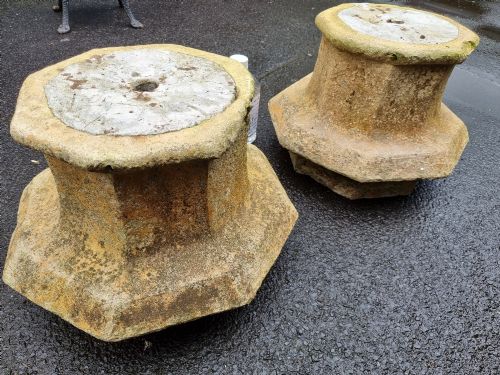


Octagonal Column Pedestal
These octagonal column pedestal pieces provide sturdy architectural elevation for display, spanning centuries of cabinet-making craftsmanship.
Octagonal Column Pedestal
When searching for an octagonal column pedestal, buyers encounter timber stands, garden plinths, and marble columns designed to elevate ornaments, busts, or lamps. The selection ranges from Victorian walnut centre tables and Edwardian torchere stands to Georgian wine tables and Regency architectural bedside cupboards.
Most examples found on this page reflect the Victorian and Regency periods, utilising dense hardwoods and distinctive geometric shafts. These pieces often serve practical roles as side tables or candle stands while functioning primarily as vertical display surfaces within a room.
Materials and construction methods
Cabinet-makers relied on timbers such as mahogany, walnut, satinwood, burr elm, and yew wood, frequently enhanced by decorative veneer, boxwood stringing, or ebonisation. Structural stability required careful turning of the central shaft and secure joining to tripod legs or heavy plinth bases.
Alternative materials include composite stone and marble utilised for garden plinths and classical columns. Grain-painted pine and lacquered finishes, seen in pieces like the Brighton Pavilion torchere, demonstrate the diverse surface treatments applied across different eras.
Octagonal Column Pedestal Retail Price Guide 2026
Typical asking prices for octagonal column pedestal among the pieces listed under this phrase on Sellingantiques today, from the lower quarter to the upper quarter. They describe what is for sale here now, not the wider market.
Listings feature items spanning from the late seventeenth century through the Edwardian era, predominantly constructed in mahogany and walnut.
Factors that distinguish quality
Quality rests in the precision of the turning on the octagonal column and the integrity of the timber selection, such as figured mahogany or burr elm. Superior pieces exhibit crisp joinery at the junction of the shaft and the base, maintaining balance without wobble.
The sophistication of decorative details, including stringing, spiral fluting, or architectural mouldings, separates standard utility furniture from finer examples. Original surfaces and patination achieved through age further elevate the standing of a pedestal or table.
Shoolbred
The Octagonal Column Pedestal Glossary
- Torchere
- A tall stand designed specifically to support a candle or light source. These slender pieces often feature decorative columns and tripod bases.
- Tripod base
- A three-legged support structure commonly found beneath occasional tables and stands to ensure stability on uneven floors.
- Plinth
- The heavy base or square slab upon which a column, statue, or pedestal stands. It provides both structural grounding and visual weight.
- Veneer
- A thin layer of superior wood applied over a secondary timber base to create decorative patterns and surface beauty. It is frequently seen on walnut and mahogany furniture.
- Stringing
- Inlay work consisting of narrow lines of contrasting wood fitted into the primary timber. This technique outlines panels and table tops on refined pieces.
Octagonal Column Pedestal: Frequently Asked Questions
What is an octagonal column pedestal used for?
These pieces function primarily as elevated platforms for display, holding table busts, lamps, or decorative objects. They also serve as occasional tables, wine tables, or torchere stands in domestic interiors.
Heavier composite stone versions are designed for garden settings to elevate planters or architectural ornaments. Their vertical form draws the eye upward and makes efficient use of floor space.
How do I identify a Regency period pedestal?
Regency pieces often display classical architectural influences, drawing inspiration from ancient Roman and Greek designs. Look for column forms, brass details, and lacquered finishes reminiscent of the Brighton Pavilion.
Mahogany and rosewood are typical timbers from this era, frequently paired with crisp geometric lines. Architectural proportions and restrained ornamentation help separate Regency items from later Victorian revivals.
Where should I place a torchere stand at home?
Torchere stands suit corners, empty wall spaces, or flanking larger pieces of furniture where height is needed. Their slender profile ensures they do not crowd a room while providing a useful surface for lighting.
In living areas, they hold reading lamps or small sculptures, while bedroom placements often utilise them as bedside stands. Garden variants belong outdoors on patios or lawns to support stone urns.
How do I care for antique wood pedestals?
Maintain antique timber surfaces by keeping them away from direct sunlight and sudden temperature shifts. Regular dusting with a soft, dry cloth prevents particulate buildup without harming the polish.
Occasional application of appropriate wax preserves the moisture in woods like mahogany and walnut. Avoid placing damp items directly onto antique veneers to prevent staining and lifting.