
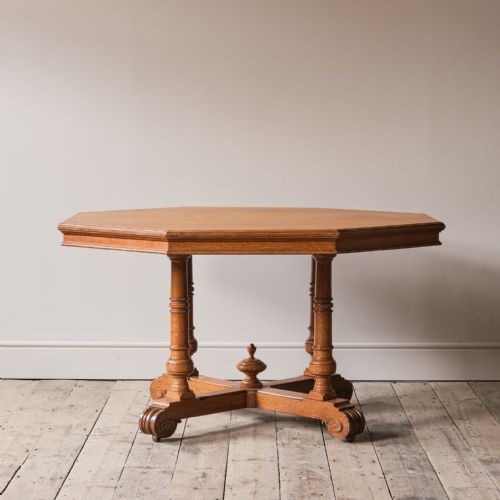
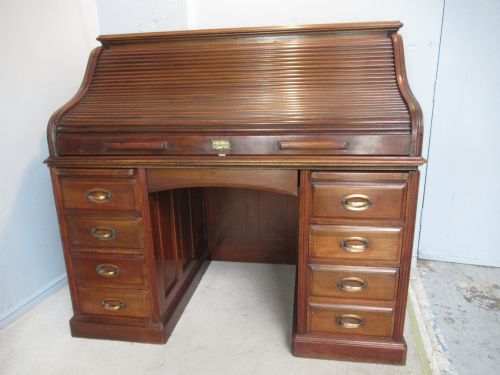

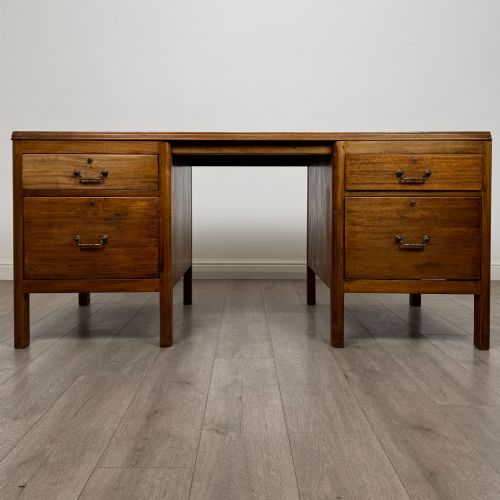
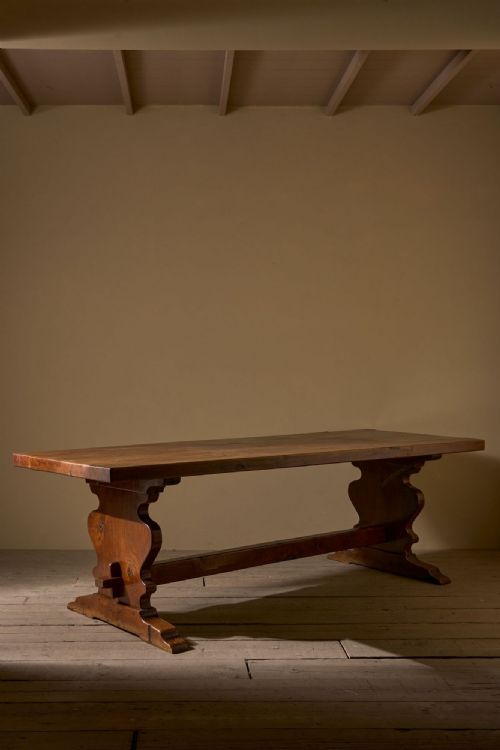
Large Wooden Desk
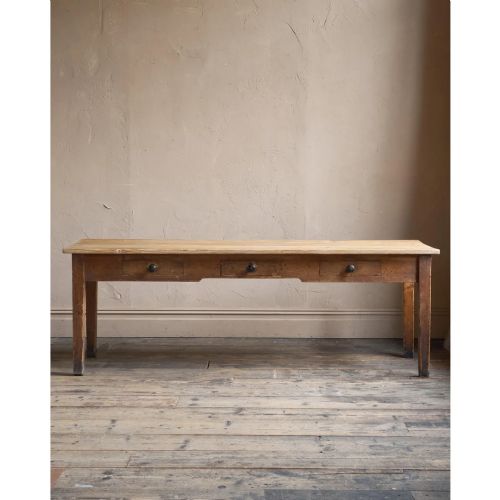
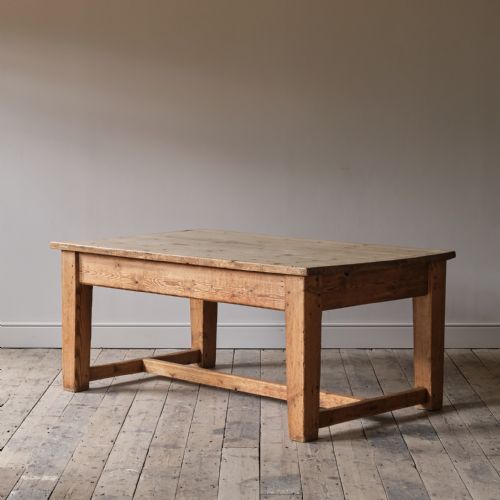
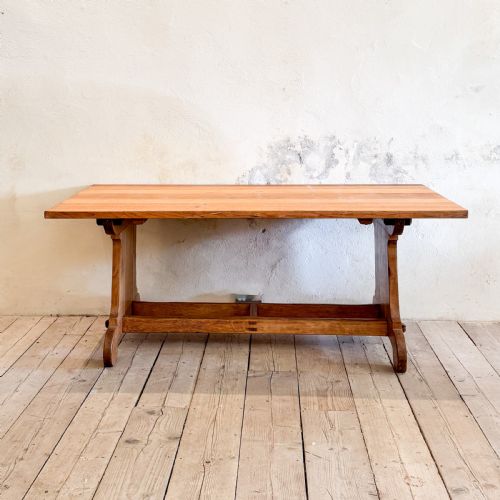
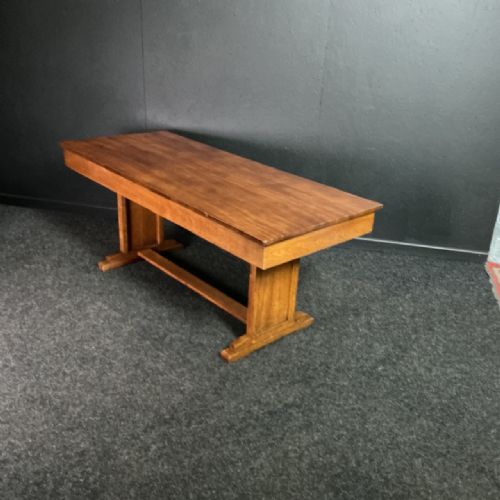
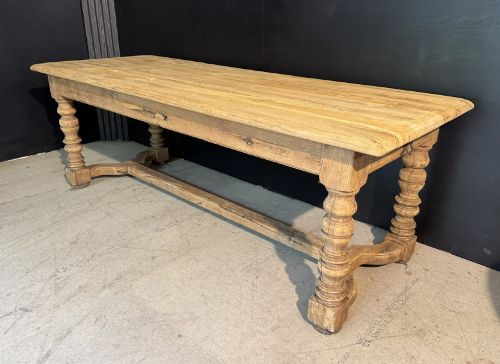
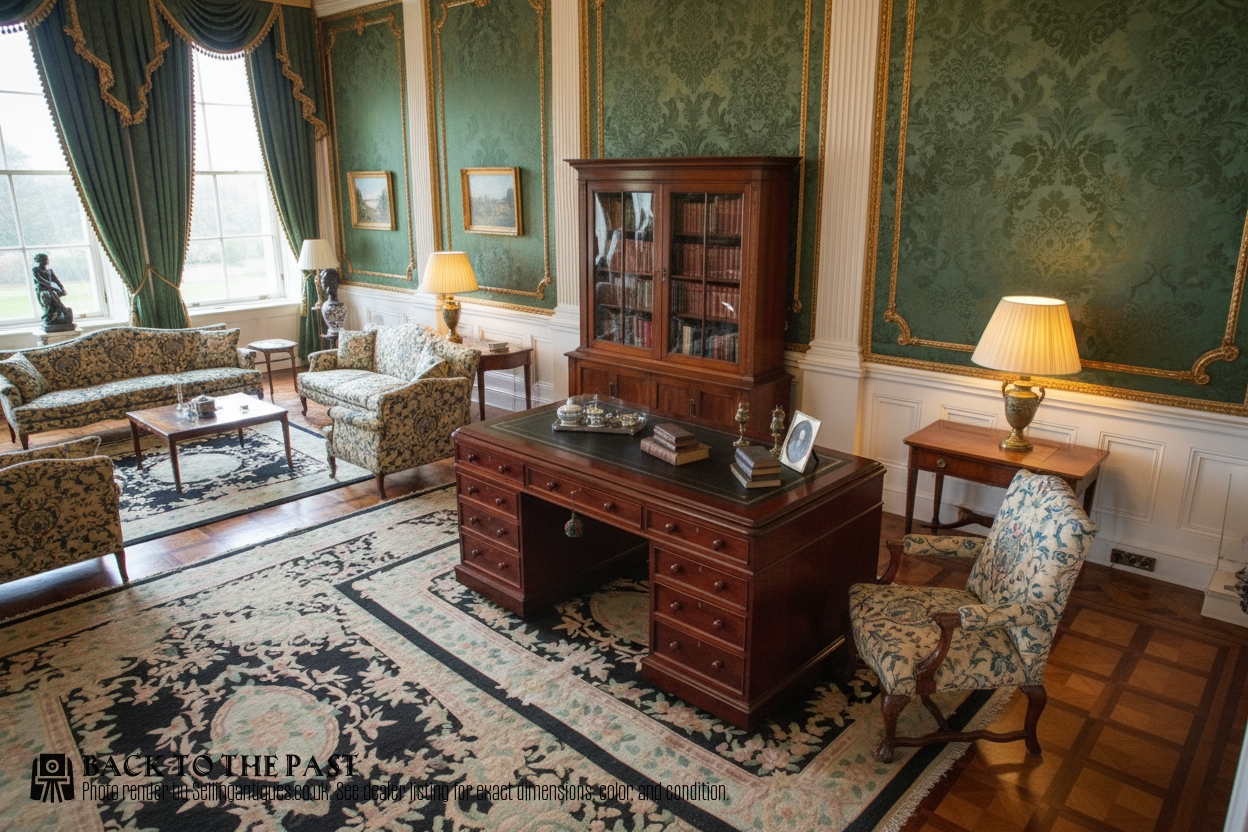
A large wooden desk anchors a room with timber grain and history, offering a generous work surface built to last.
Large Wooden Desk
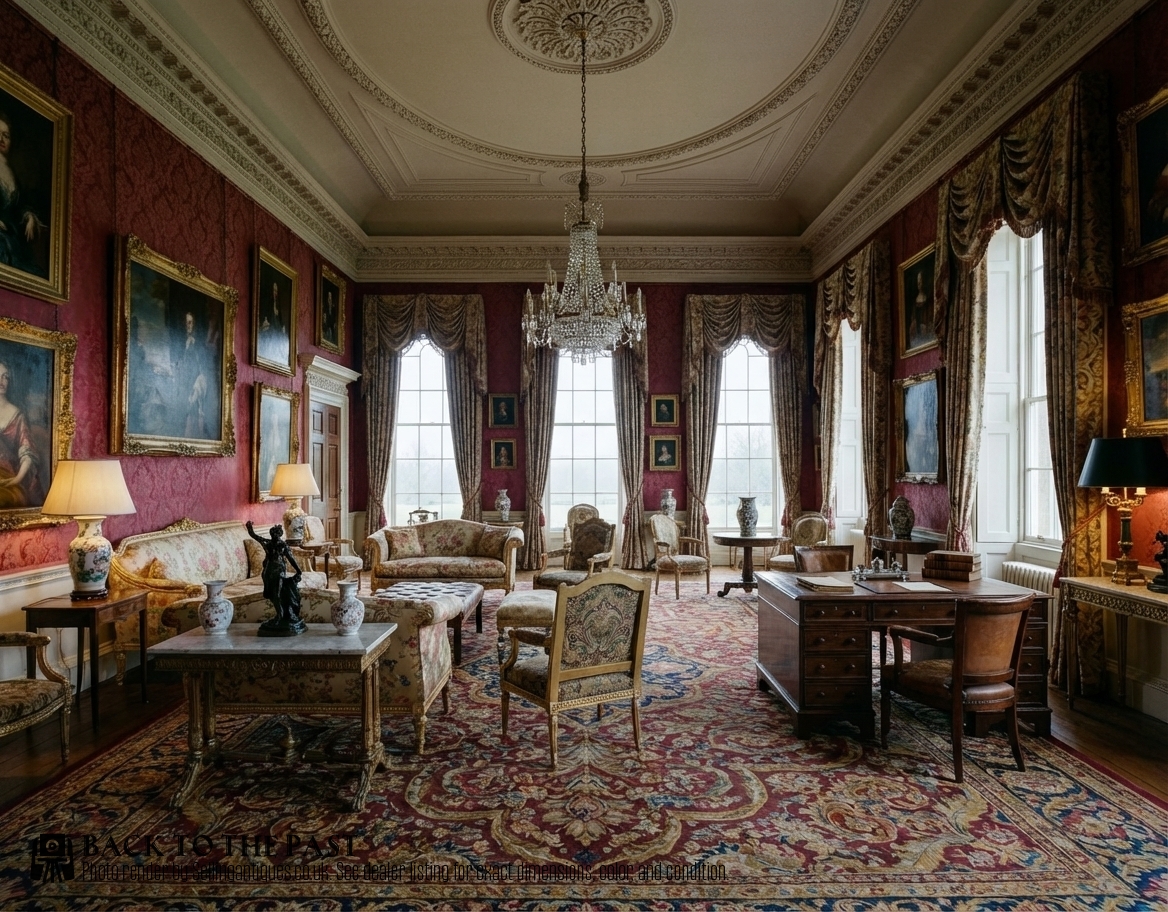
A large wooden desk represents a substantial piece of furniture designed for writing, administrative tasks, and study. These pieces typically provide expansive writing surfaces, integrated drawers, and pedestals for storage.
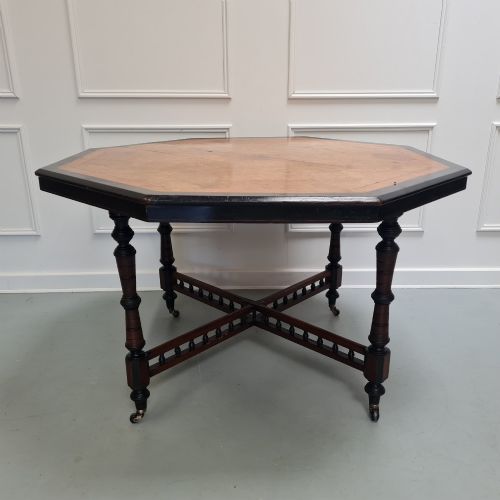
The selections encountered here span several centuries and styles, including Victorian pedestal forms, partners desks, and robust oak library tables. Mahogany, walnut, oak, and pine feature prominently among the woods utilised in their construction.
Buyers frequently encounter nineteenth-century examples alongside early twentieth-century variations. These range from polished flame mahogany statement pieces to sturdy rustic farmhouse tables adapted for workspace use.
How they were made
Cabinetmakers constructed these large wooden desks using dense hardwoods like mahogany, walnut, and oak, often paired with softer secondary timbers for drawer linings and internal framing. Joinery relied on traditional methods such as dovetailing for drawers and mortise and tenon joints for structural stability.
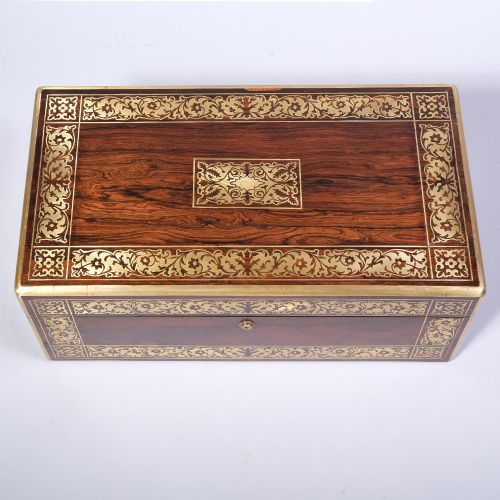
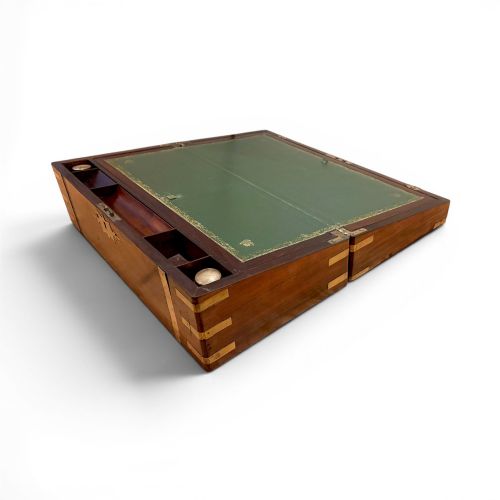
Surfaces frequently incorporated inset panels of tooled leather for a durable writing medium. Brass hardware, including campaign mounts, drop handles, and escutcheons, provided both functional reinforcement and decorative contrast against the dark timber.
Forms include partners desks, pedestal desks, library tables, and writing slopes, often complemented by brass hardware and leather inserts.
What varies in quality
The standard of timber selection heavily dictates the overall quality of a large wooden desk. Figured veneers, such as flame mahogany or burr walnut, combined with solid secondary framing indicate superior workshop production.
Execution of internal elements, including secret drawers, fully dovetailed drawer boxes, and original brass hardware, separates utilitarian pieces from master craftsmanship. The retention of original patination and working locks further elevates the standing of a desk.
The Large Wooden Desk Glossary
- Partners desk
- A double-sided desk designed for two people to work opposite one another, featuring banks of drawers on both sides. These large pieces usually incorporate cupboards or pedestals.
- Pedestal desk
- A heavy freestanding desk supported by two vertical columns or pedestals containing drawers. The top section typically rests directly upon these lower drawer banks.
- Dovetail
- A traditional interlocking joint used in drawer construction to ensure durable, long-lasting corners. This joint resists pull-apart forces without relying solely on glue.
- Escutcheon
- A protective plate surrounding a keyhole, frequently cast in brass on antique furniture. It prevents the wood around the lock from sustaining wear and tear.
- Flame mahogany
- A distinct wood veneer cut from the branch junction of a mahogany tree, creating a fiery, undulating grain pattern. Cabinetmakers reserved this material for prominent exterior surfaces.
Large Wooden Desk: Frequently Asked Questions
How do I care for a leather desk top?
Maintenance involves dusting the surface regularly with a soft, dry cloth to prevent abrasive particles from scratching the leather. Periodic application of a specialised leather balsam helps maintain flexibility and prevents cracking.
Excessive moisture and direct sunlight should be avoided to protect the hide and the timber framing beneath it. Using blotters when writing protects the vintage leather from ink stains and indentation.
How do I date an antique wooden desk?
Dating relies on examining construction techniques, hardware, and timber choices. Hand-cut dovetails, secondary woods, and specific stylistic markers help establish the period of manufacture.
Documentation, maker stamps, or locks stamped with period-specific patent information also assist in narrowing down the timeline. Comparing the piece against documented examples from the same era provides further clarity.
Will a large wooden desk fit through a standard doorway?
Many large wooden desks dismantle into separate modular components, such as two drawer pedestals and a top surface, to ease transport. Removing the top makes navigating tighter hallways and stairwells considerably simpler.
Solid non-dismantling tables require careful measurement of doorways and turning radii before delivery. Checking if legs or tops can be detached is essential for safe placement.