



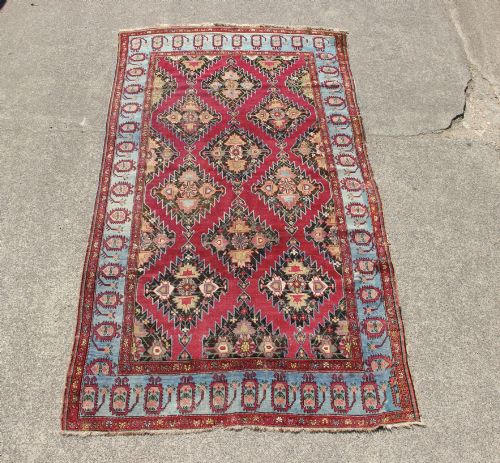
Large Vintage Wool Rug
A large vintage wool rug anchors a room with dense patterns and soft, worn pile spanning decades of textile tradition.
Large Vintage Wool Rug
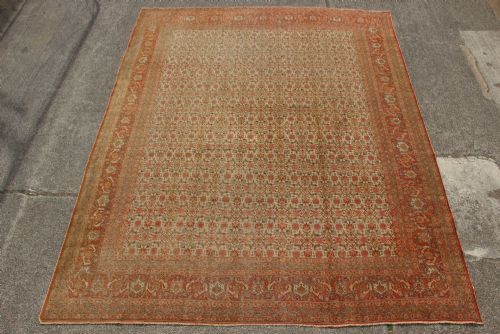
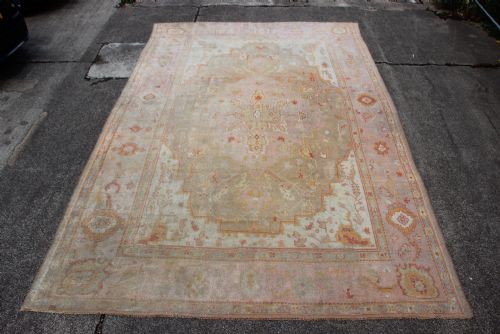
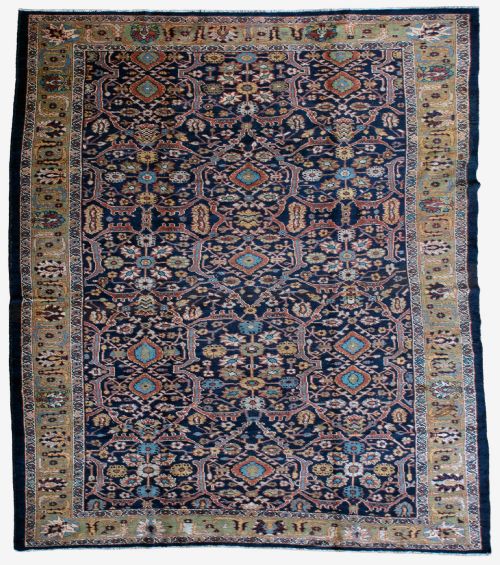
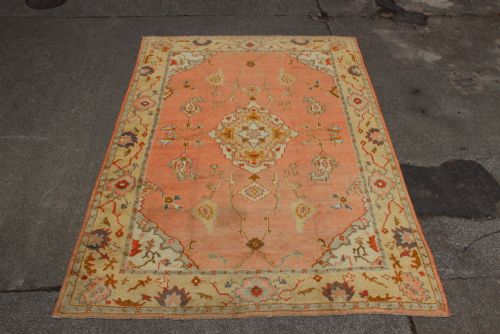
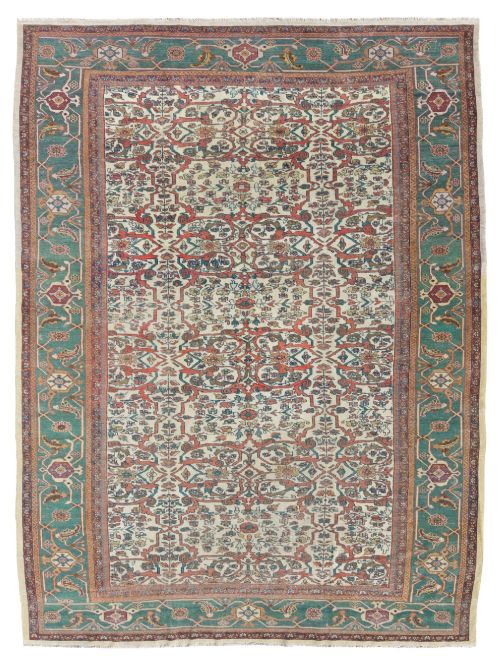
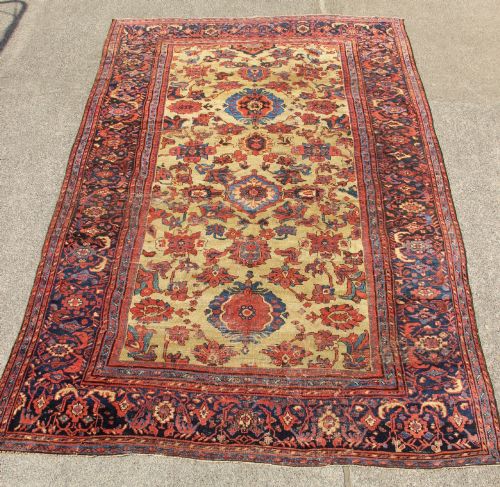
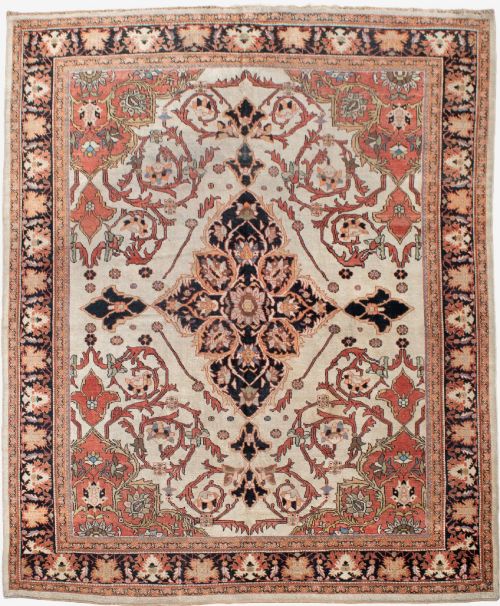
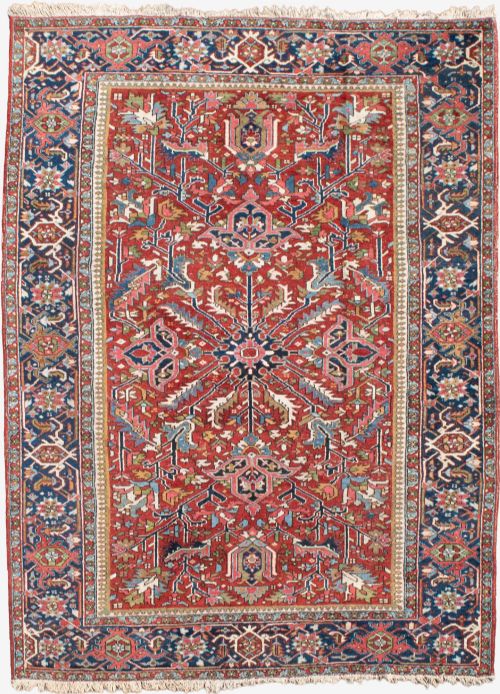
A large vintage wool rug encompasses room-sized floor coverings originating from diverse weaving traditions across Persia, Anatolia, and Central Asia. When you search for this phrase, you encounter grand carpets dating from the mid-nineteenth century through the early twentieth century, including Heriz, Oushak, and Mahal styles.
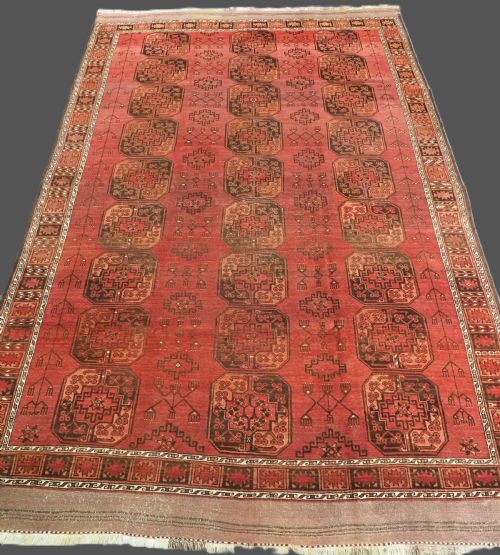
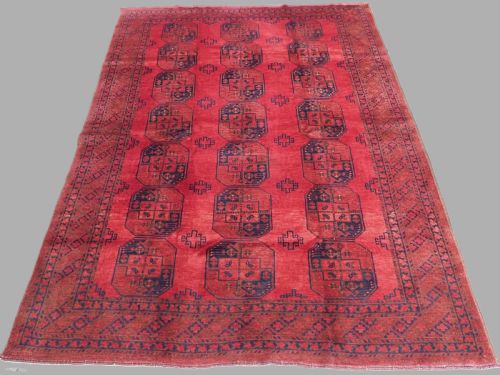
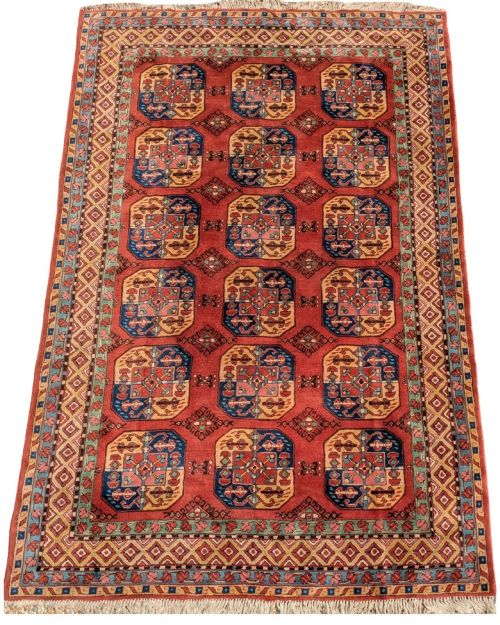
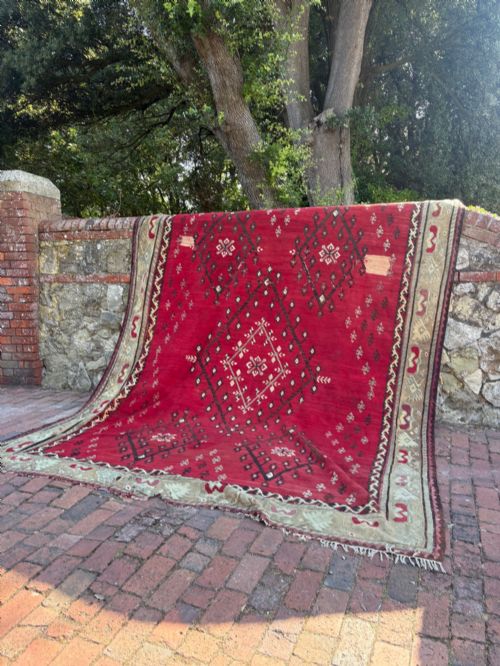
The most common examples on this page are substantial room-size carpets rendered in rich wool, often featuring traditional medallion designs or tribal geometric motifs. These textiles served functional roles in country houses and village homes before finding new life in modern interiors.
Materials and construction
These carpets rely primarily on natural wool for the pile, prized for its durability and capacity to hold deep dye colours over generations. Cotton frequently provides the sturdy foundation warp and weft upon which the dense pile is hand-knotted or flatwoven.
Weavers utilised traditional hand-knotting techniques, securing wool yarn around cotton or wool foundations to create durable surfaces. Vegetable and early synthetic dyes interacted with the natural fibres to produce the varied patination visible across the periods.
The listings on this page span production dates from the mid-nineteenth century through the 1940s, executed primarily in wool and cotton.
Distinguishing quality in older textiles
Quality rests in the fineness of the knot density and the precision of the design execution across the field of the rug. Tightly knotted examples maintain structural integrity and sharper pattern definition despite decades of foot traffic.
The complexity of the palette and the harmony of the natural dye variations also elevate certain pieces above standard production. Superior wool retains a lustrous handle, whereas inferior examples may feel dry or brittle to the touch.
The Large Vintage Wool Rug Glossary
- Pile
- The upright yarn loops or tufts forming the functional surface of a rug. Worn pile reveals the foundation threads beneath.
- Warp
- The vertical foundation threads stretched lengthwise on the loom. The pile is knotted directly onto these structural cords.
- Weft
- The horizontal threads passed alternately over and under the warp threads to bind the knots in place. This tension shapes the rigid structure of the carpet.
- Medallion
- A large central ornamental motif placed in the middle of the carpet field. Many Heriz and Oushak designs centre upon this distinct geometric or floral focal point.
- Flatweave
- A textile produced without pile by interweaving warp and weft threads flat. Kilims represent this lighter, non-knotted construction method.
Large Vintage Wool Rug: Frequently Asked Questions
Where should I place a large room-size carpet?
These expansive floor coverings suit large reception rooms, dining areas, or studies where furniture can sit comfortably atop the central field. They provide acoustic warmth and define distinct zones within open-plan interiors.
Ensure the room dimensions allow a generous border of exposed flooring around the edges to properly frame the scale of the textile.
How do I care for an antique wool floor covering?
Regular gentle vacuuming without a rotating brush roll prevents dust accumulation within the wool pile. Professional specialist cleaning remains essential every few years to protect the natural fibres.
Keep the rug away from direct, harsh sunlight to prevent fading of the natural dye colours over extended periods.
How can I tell different regional styles apart?
Regional aesthetics emerge through distinct colour palettes and motif structures. Heriz carpets frequently display bold geometric medallions, while Oushaks showcase softer floral sprays on pale or terracotta grounds.
Tribal pieces like Ersari or Luri rugs often favour repeated guls and deep red tones reflecting specific village weaving traditions.
Do timeworn repairs affect the integrity of the piece?
Historical repairs and patched areas reflect the working life of the textile rather than detracting from its character. Expert reweaving or secure patching ensures the rug remains stable for continued domestic use.
Evaluating the neatness of past restoration helps buyers understand how the piece has aged over the decades.