


Large Victorian Painting
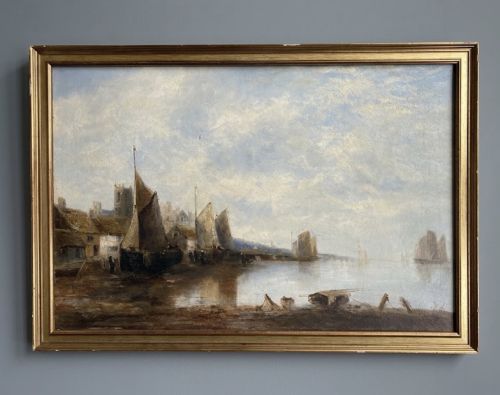
A large victorian painting brings commanding presence to a room, offering grand portraiture and sporting scenes rendered in rich oils.
Large Victorian Painting
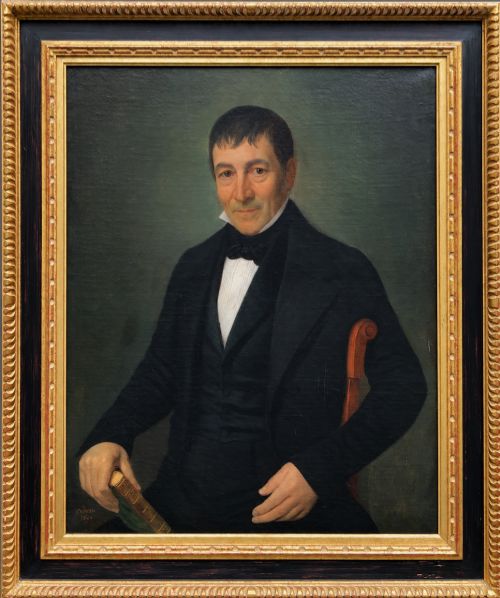
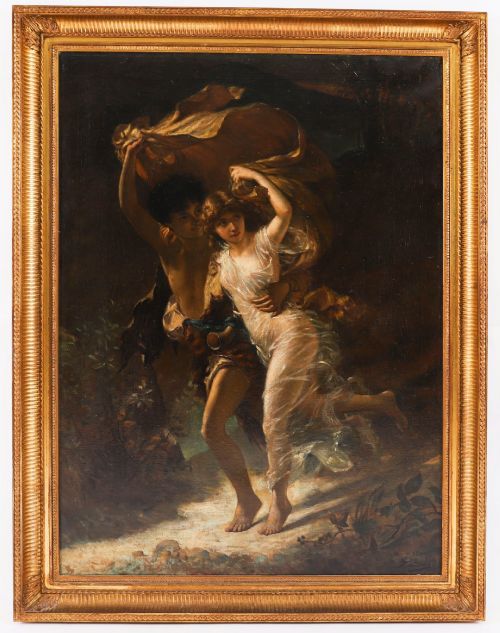
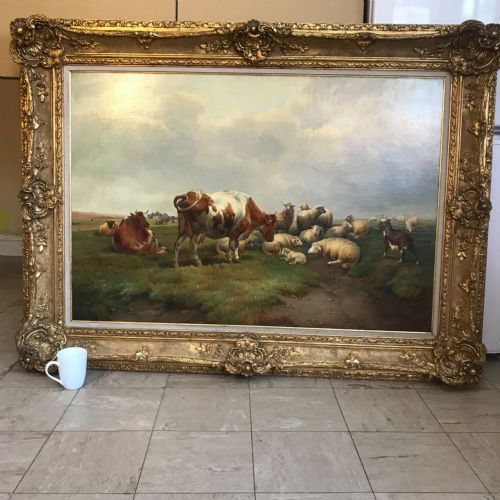
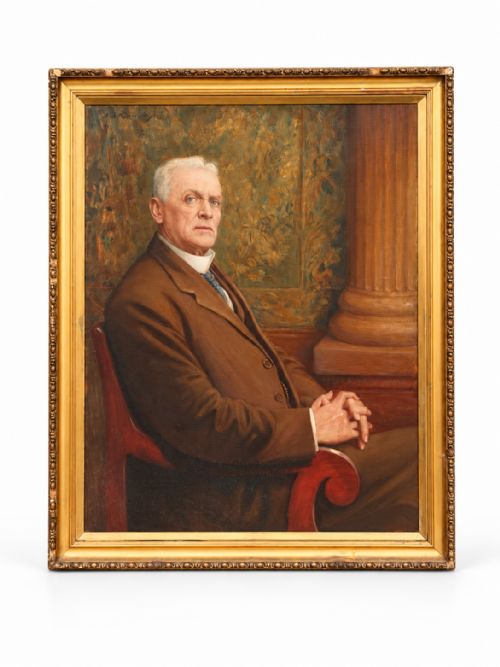
When searching for a large victorian painting, buyers encounter substantial canvases depicting subjects ranging from classical biblical narratives and sporting carriage horses to detailed portraiture. These works originate predominantly from the nineteenth century, capturing the dramatic themes and meticulous brushwork favoured during the period.
The canvases meeting this description often span considerable dimensions, designed to anchor principal reception rooms or large halls. Artists of the era utilised oil on canvas to achieve depth and lasting vibrancy, capturing subjects such as galloping horses, serene landscapes, and literary tableaus with narrative weight.
How they were made
The physical construction of these works relies upon oil paint applied to woven canvas stretched over sturdy wooden frames, often housed within heavy gilded wood or carved frames. Painters built up layers of pigment to create texture and luminosity, a technique that preserved the rich colour palettes across the decades.
Many of these large formats required robust framing solutions incorporating gold leaf and gesso mouldings to support the heavy canvas weight. The combination of durable pine or hardwood stretcher bars and protective glass where applicable ensured the survival of these expansive artworks through subsequent centuries.
Large Victorian Painting Retail Price Guide 2026
Typical asking prices for large victorian painting among the pieces listed under this phrase on Sellingantiques today, from the lower quarter to the upper quarter. They describe what is for sale here now, not the wider market.
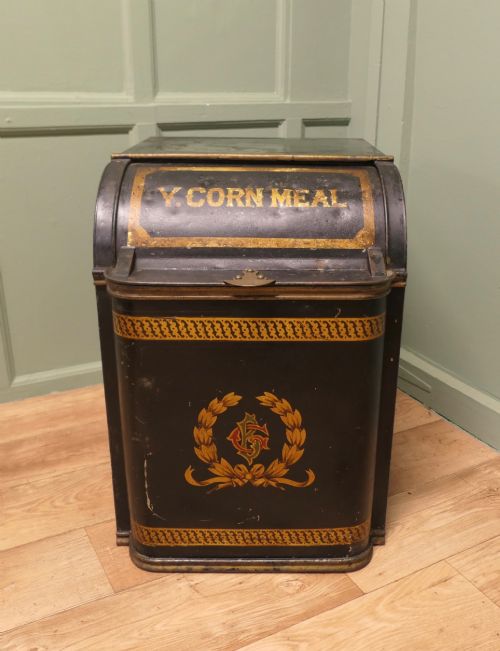
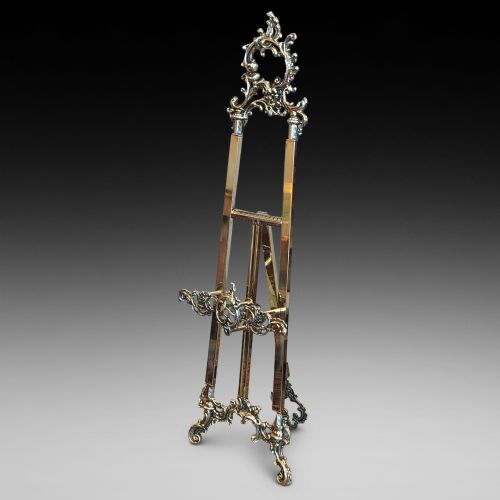
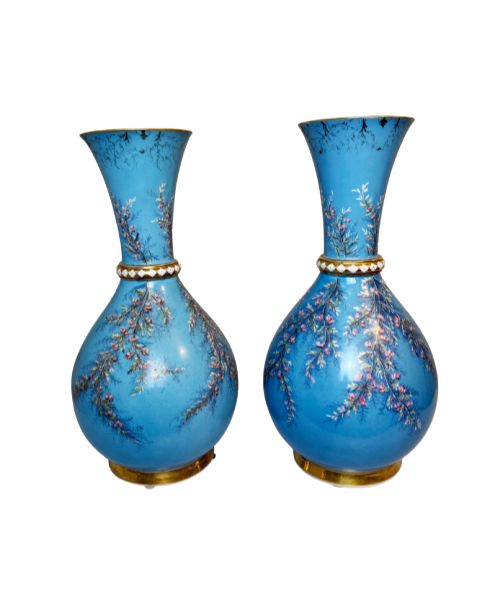
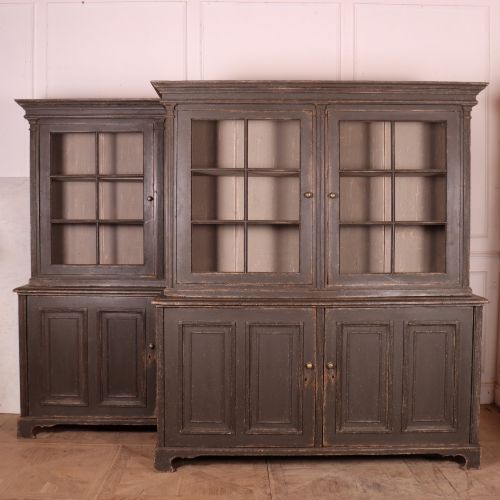
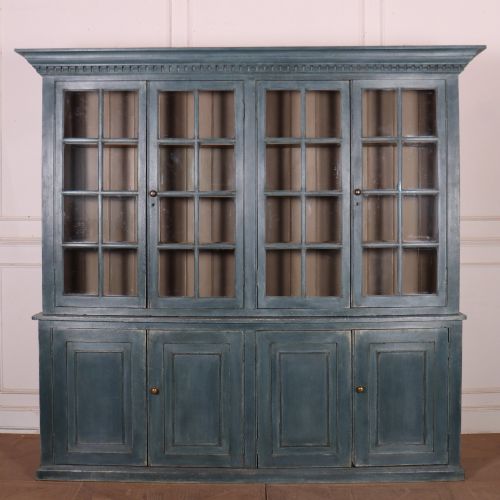
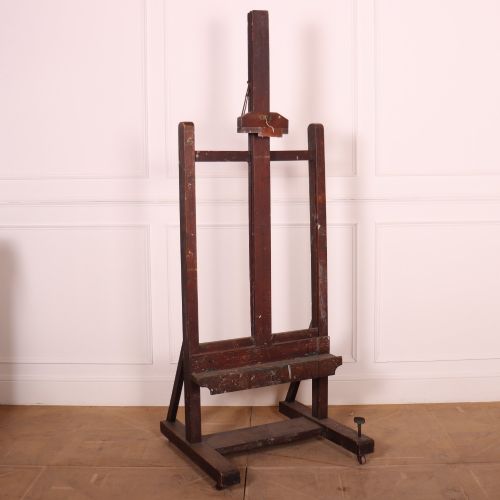
Listings for this search span the nineteenth century, featuring oil on canvas mediums alongside associated items like carved wooden frames and studio easels.
What varies in quality
The distinction between standard works and exceptional pieces lies in the precision of the brushwork and the anatomical accuracy of figures and animals. Master painters achieved a fluid execution in rendering light, shadow, and texture that lesser hands missed, elevating a simple portrait or landscape into a compelling historical record.
Preservation of the original canvas and the integrity of the paint layer also dictate the standing of a work. Unrestored surfaces retaining their initial varnish depth and untouched pigment contrast with heavily overpainted examples, shifting the appreciation of the piece among collectors.
Alfred Walter Bayes·Sir Joseph Noel Paton·Thomas Smythe·Konstantin Stoitzner·W R Waters
The Large Victorian Painting Glossary
- Oil on Canvas
- A traditional painting medium where pigments suspended in drying oils are applied to a woven fabric support. This technique allowed artists to blend colours smoothly and work with rich impasto textures.
- Giltwood
- Wood that has been coated with a thin layer of gold leaf or gold paint. It frequently appears on the elaborate frames enclosing nineteenth-century artwork.
- Stretcher
- The wooden framework upon which canvas is pulled taut before painting. Robust stretcher construction helps prevent sagging in large-format works.
- Provenance
- The documented history of ownership of an artwork, establishing its authenticity and previous collections. Such records provide vital context for signed or attributed nineteenth-century paintings.
Large Victorian Painting: Frequently Asked Questions
Where should I hang a large painting?
These expansive canvases require substantial wall space, ideally in reception rooms, hallways, or above primary mantelpieces where the scale can be properly appreciated without crowding.
Ensure the chosen wall avoids direct, harsh sunlight to protect the oil pigments and any gilded framing from fading over time.
How do I identify the period?
Examine the stretcher bars, canvas preparation, and framing style, as nineteenth-century works often utilise specific pine framing and hand-carved gesso details characteristic of the era.
Signatures, dates, and recorded provenance further anchor the work within the Victorian timeline alongside stylistic clues like subject matter and costume.
What subjects are most common?
Sporting scenes featuring horses and hounds, formal portraits, and narrative literary or biblical tableaus dominate the large Victorian canvas selections.
Artists frequently turned to dramatic historical or outdoor themes that suited grand interior display.
How do I care for the canvas?
Maintain a stable indoor environment with moderate humidity levels to prevent the canvas from slackening or the wooden stretcher from warping.
Dust the surface and frame gently with a soft, dry brush, avoiding liquid cleaners or chemical agents on the painted areas.