


Large Table Lamp
When sourcing a large table lamp, you are selecting a substantial focal point that transforms the scale and atmosphere of a room.
Large Table Lamp
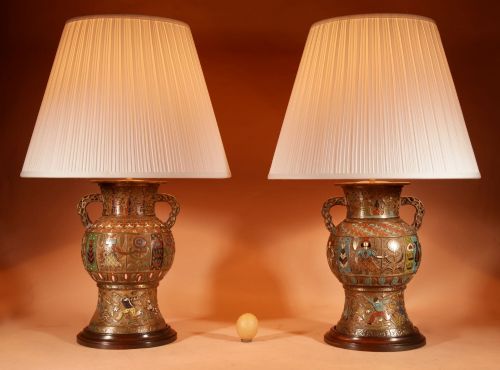
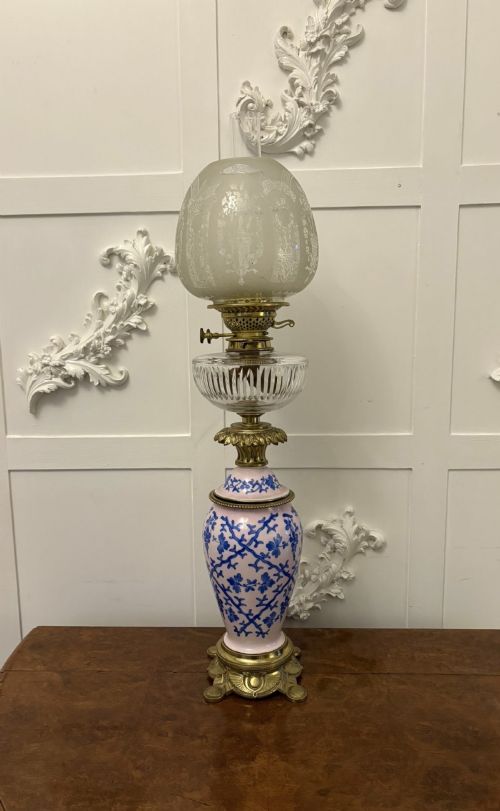
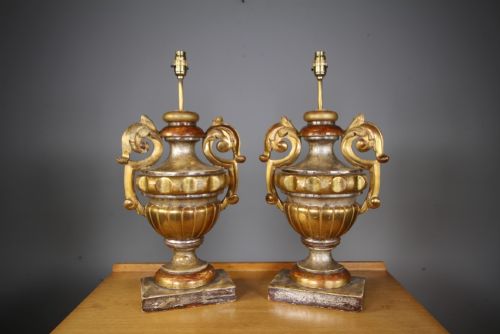
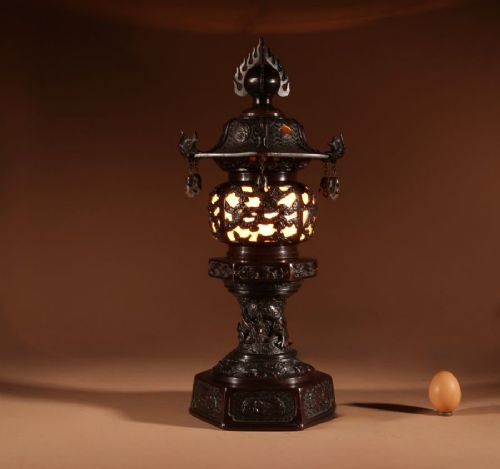
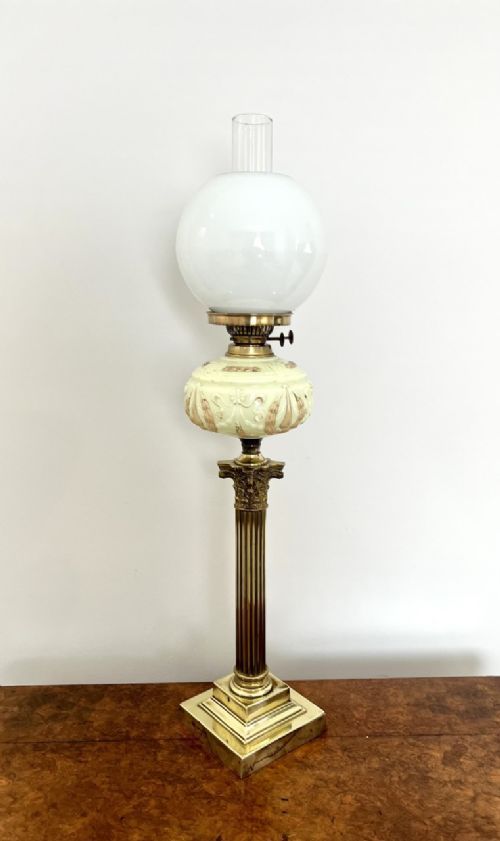
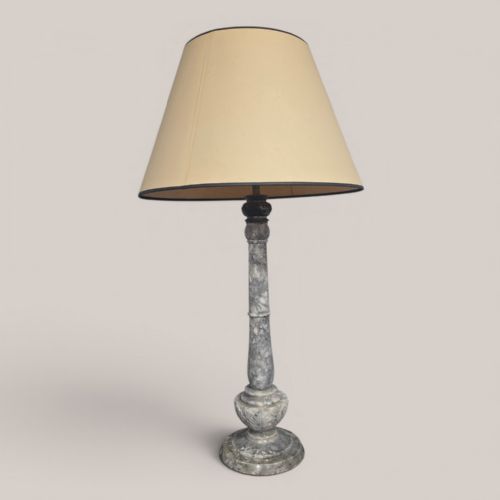
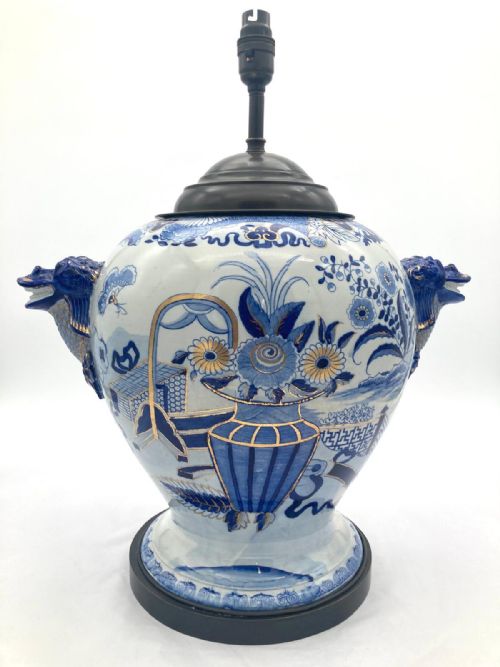
A large table lamp brings considerable height and presence to an interior, often serving as the primary source of ambient illumination in a reception room or study. When searching for a large table lamp, buyers encounter pieces created by converting older lighting apparatus, such as Victorian oil lamps and newel post lamps, alongside objects originally formed as vases, urns, or columns.
The materials span heavy metals like brass, bronze, and silver plate alongside organic elements including carved pine, walnut, lignum vitae, and alabaster. Ceramic options include porcelain, ironstone, and stoneware originating from both European factories and East Asian traditions.
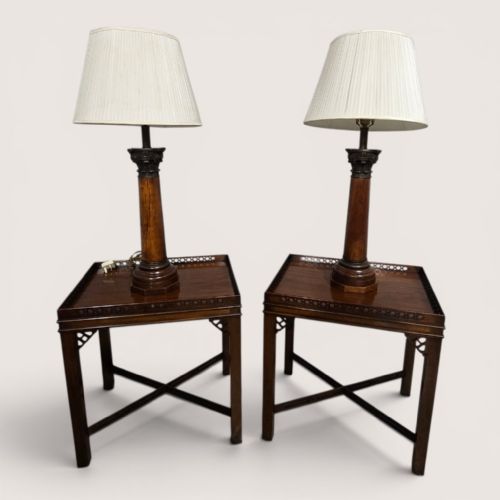
Dating ranges widely across the nineteenth and twentieth centuries, encompassing Victorian, Edwardian, Art Deco, and Neoclassical aesthetics. Many examples are found as balanced pairs, which suit placement on large sideboards or flanking a chimney breast.
Materials and construction methods
Metal components involve casting in bronze, brass, and gilt metal, often combined with hand-chased detailing and ormolu mounts. Silver-plated finishes on columns reflect sophisticated nineteenth-century plating techniques used by prominent silversmiths.
Ceramic bodies utilise porcelain and earthenware, sometimes featuring intricate transfer printing, hand-painted glazes, or pate-sur-pate decoration. Converted vessels frequently show drill holes carefully adapted to house internal wiring without compromising the structural integrity of the antique base.
Wooden examples demonstrate traditional joinery, turning, and marquetry inlay across timbers such as mahogany, oak, and walnut. Stone elements like marble and alabaster are shaped into substantial plinths and columns, exploiting the natural weight of the mineral to anchor the fixture securely.
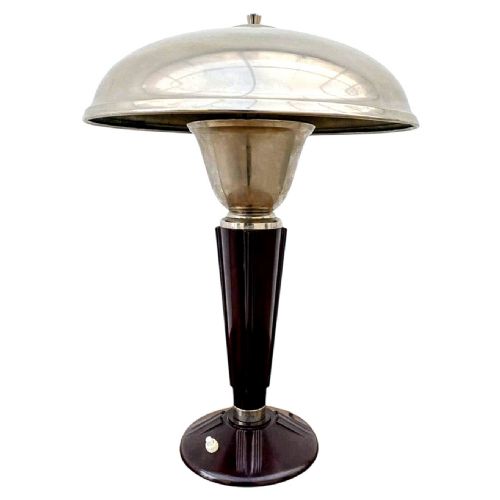
Listings feature brass, bronze, glass, and porcelain across Victorian, Edwardian, and Art Deco periods.
Distinctions in quality and execution
The refinement of the casting and chasing distinguishes superior metalwork from standard production, with sharper details in foliage, drapery, and architectural fluting. Substantial gauge metals and heavy mountings provide a physical heft that anchors the proportions of the piece.
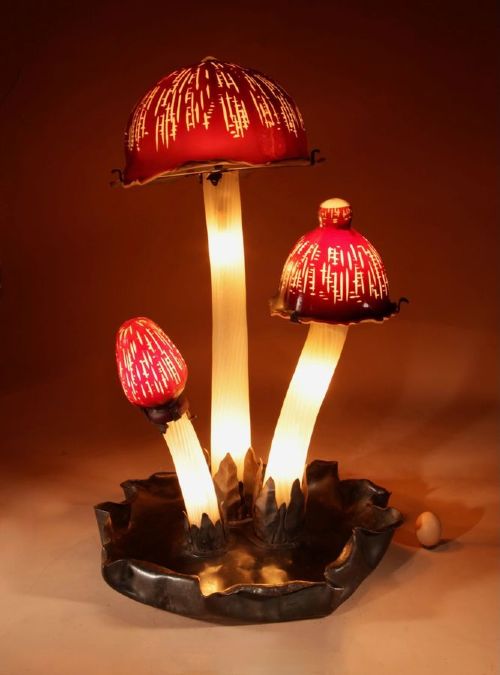
The artistic merit of the ceramic or glass body plays a primary role, seen in the depth of hand-painted glazes, the clarity of cut glass, and the precision of applied marquetry. Original mounts that integrate seamlessly with the main body indicate thoughtful design rather than an opportunistic later conversion.
Eileen Grey·L and F Moreau·Emile Picault·Muller Bros·Emile Galle
The Large Table Lamp Glossary
- Ormolu
- Gilt bronze mounted onto furniture or decorative objects. This technique involves applying a finely ground gold-mercury amalgam to a bronze base before heating.
- Newel post lamp
- A light fixture originally designed to sit atop the termination post of a staircase. These pieces offer a sturdy base and a commanding vertical presence.
- Pate-sur-pate
- An enamelling method where layers of liquid white porcelain slip are built up on a coloured ceramic ground. The technique creates a low-relief cameo effect.
- Corinthian column
- An architectural order featuring an ornate capital decorated with acanthus leaves. This classical style appears frequently in metal and timber lamp bases.
- Marquetry
- The art of applying small pieces of veneer to a structure to form decorative patterns. Walnut and exotic woods are commonly arranged in geometric or floral motifs.
Large Table Lamp: Frequently Asked Questions
How do I choose the right shade?
Selecting a shade requires balancing the considerable height and girth of the antique base with a proportionate textile covering. Fabric shades in silk or linen often complement the substantial weight of bronze, ceramic, or wooden columns.
Consider the intended placement within the room to ensure the total height permits adequate light distribution without overwhelming adjacent furniture.
Were these always electric lamps?
Many examples began life as oil lamps, candlesticks, or decorative vessels before undergoing conversion for modern electrical use. Metal and ceramic bodies from the nineteenth century frequently preserve traces of their original utilitarian function.
Conversions allow historical craftsmanship to remain functional while retaining the distinct aesthetic of earlier periods.
How do I date a brass column?
Dating relies on examining the construction of the base, the weight of the metal, and the style of the capital. Victorian examples often display heavier cast components and distinct patination compared to later twentieth-century reproductions.
Maker stamps or patent marks stamped into the metal provide definitive manufacturing evidence where present.
Can I place these on narrow tables?
The substantial footprint and heavy materials of these pieces generally demand deep surfaces like sideboards, pedestals, or large centre tables. Placing them on narrow ledges risks instability due to the significant height and weight distribution.
Ensuring adequate support protects both the antique base and the surrounding furniture.