

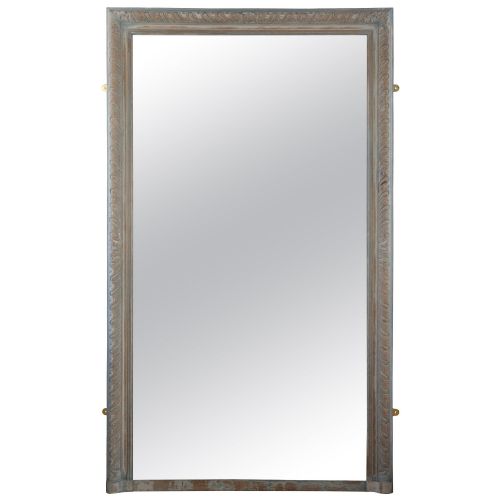
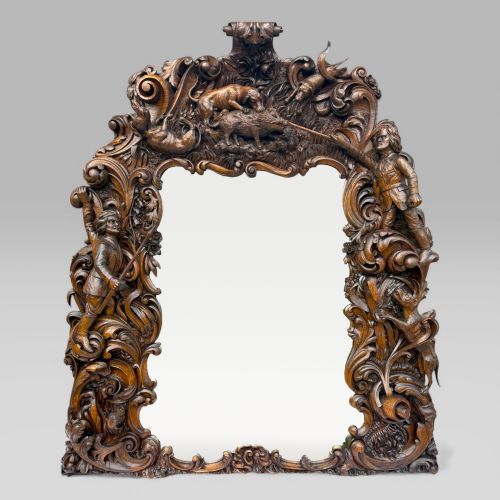


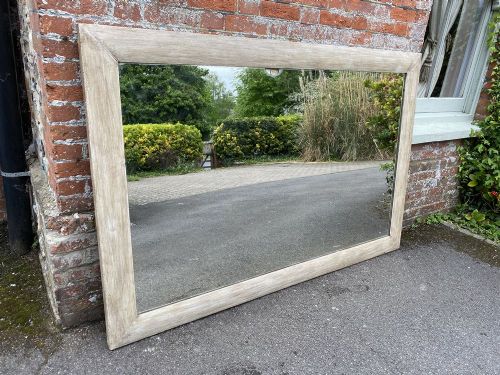


Large Rustic Wooden Mirror
A large rustic wooden mirror brings scale and honest texture to a room, grounding the space with centuries of character.
Large Rustic Wooden Mirror
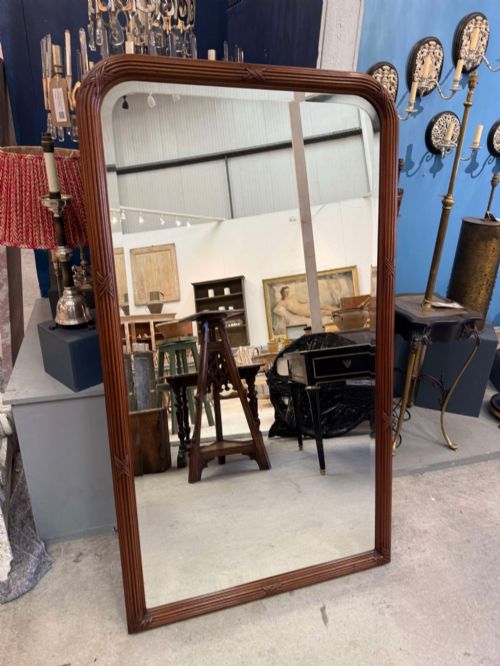
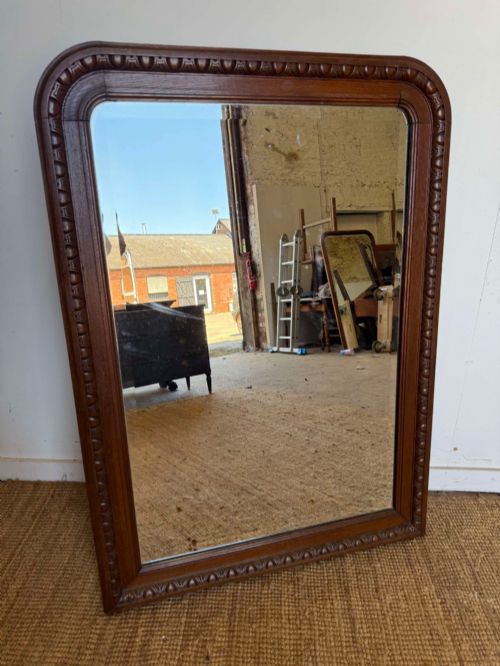
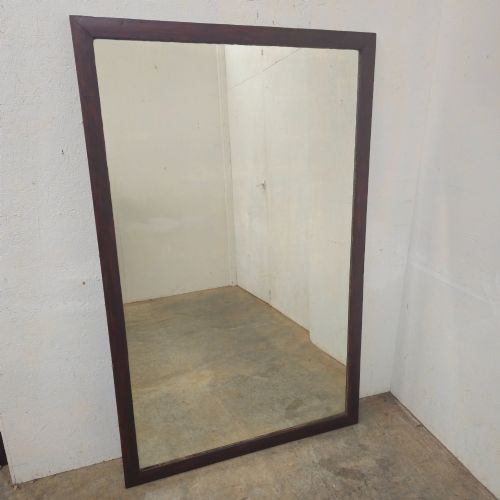
When you search for a large rustic wooden mirror, you encounter substantial wall-hanging pieces defined by their timber construction and generous proportions. These objects dominate a wall, offering functional reflection while acting as a primary focal point in domestic spaces.
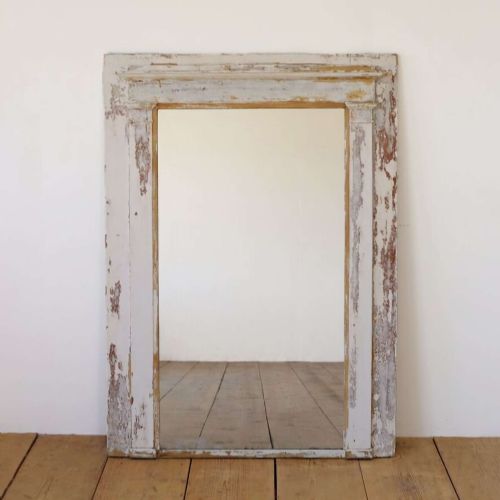
The pieces appearing here span the nineteenth century, taking forms such as overmantle mirrors, leaner mirrors, arched window styles, and bistro frames. They emerge from varied regional traditions including English and French country aesthetics, architectural salvage, and German historicism.
You are most likely to meet nineteenth-century examples fashioned from oak, pine, or painted wood, often carrying the marks of age through distressed surfaces or carved details. These items bridge utilitarian purpose and decorative presence, suiting interiors that favour timeworn materials over pristine factory finishes.
How they were made
Maker's hands shaped these frames from solid timbers like oak and pine, employing traditional joinery to support heavy glass plates. Carpenters carved decorative elements directly into the wood or applied gesso layers to build up relief ornamentation before painting.
Surface treatments rely on paint, faux bois techniques, and natural distressing to alter the appearance of the raw material. Glass was silvered by hand in older periods, leaving subtle imperfections that catch the light differently than modern float glass.
Large Rustic Wooden Mirror Retail Price Guide 2026
Typical asking prices for large rustic wooden mirror among the pieces listed under this phrase on Sellingantiques today, from the lower quarter to the upper quarter. They describe what is for sale here now, not the wider market.
Listings feature pieces dated across the nineteenth century, spanning decades from 1850 through to 1900.
What varies in quality
Quality rests in the architectural integrity of the frame and the depth of the carving rather than surface perfection alone. Substantial timbers hold their shape over generations, ensuring that heavy glass remains secure within the rebate without sagging.
The articulation of carved details and the subtlety of original painted finishes or faux bois graining separate ordinary joinery from exceptional craftsmanship. Patina accumulated through genuine age adds coherence to the object, whereas heavy-handed restoration diminishes visual harmony.
The Large Rustic Wooden Mirror Glossary
- Overmantle mirror
- A wide mirror designed specifically to hang on the wall directly above a fireplace mantelpiece. These frames often mirror the horizontal proportions of the hearth below them.
- Leaner mirror
- A tall mirror built to rest against a wall without being hung from brackets. Such pieces rely on their own weight and balanced construction to remain stable.
- Faux bois
- An artistic imitation of wood grain applied to a surface made of plaster, gesso, or a different timber. Craftsmen utilised this technique to achieve a rustic or decorative timber effect.
- Louis Philippe
- A mid-nineteenth-century French style characterised by restrained classical proportions and often featuring a rounded or arched top. The aesthetic balances simplicity with subtle decorative restraint.
Large Rustic Wooden Mirror: Frequently Asked Questions
How do I hang a heavy wooden mirror safely?
Large wooden mirrors carry significant weight from both the timber frame and the thick glass plate. Fixing requires heavy-duty wall anchors suited to the specific wall construction, such as brick or studwork.
Professional mirror plates screwed securely into the wooden backing frame distribute the load evenly. It is wise to consult a specialist fixings supplier to ensure the hardware matches the weight of the piece.
Where should I place a large rustic mirror?
These mirrors excel opposite windows where they can amplify natural daylight and draw outdoor views deeper into the interior. Placing one above a fireplace anchors the vertical space in a room.
They also function effectively in hallways or dining areas to create an impression of expanded space. Ensure the surrounding wall has sufficient clearance to let the frame breathe without crowding.
How do I clean antique mirror glass?
Cleaning requires gentle methods to protect both the old silvering on the glass and the surrounding wooden frame. Apply a mild, ammonia-free glass cleaner to a soft microfibre cloth rather than spraying the glass directly.
Direct spraying can allow moisture to seep behind the glass plate and damage the original backing. Wipe the surface gently and avoid harsh scrubbing on areas where the silvering has thinned with age.
Can I use these mirrors in a bathroom?
Humidity in bathrooms poses a risk to nineteenth-century wood and silvered glass. Moisture causes timber to swell and accelerates the degradation of old mirror backing.
If placed in a bathroom, the room needs adequate ventilation to prevent damp accumulation. Keeping the mirror away from direct water splashes helps preserve the frame and finish.
How do I identify a French bistro mirror?
French bistro mirrors typically feature simple wooden or painted frames designed for commercial hospitality spaces in the nineteenth century. Their proportions lean towards functional utility, often with slender profiles.
The glass frequently shows signs of heavy use, including foxing and minor surface wear. These traits reflect their origins in busy Parisian cafes rather than formal domestic parlours.