





Grey Distressed Pier Mirror
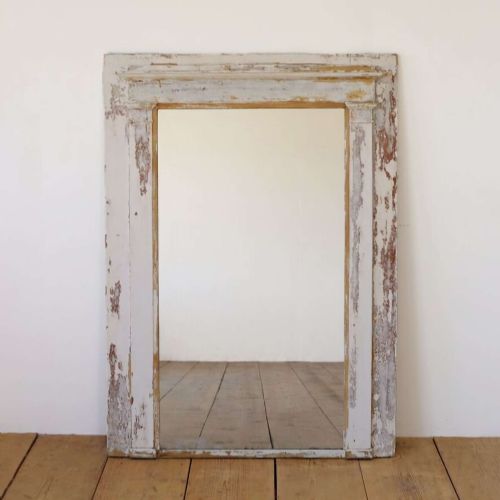
Grey distressed pier mirror options bring architectural French character and weathered painted surfaces to your interior.
Grey Distressed Pier Mirror
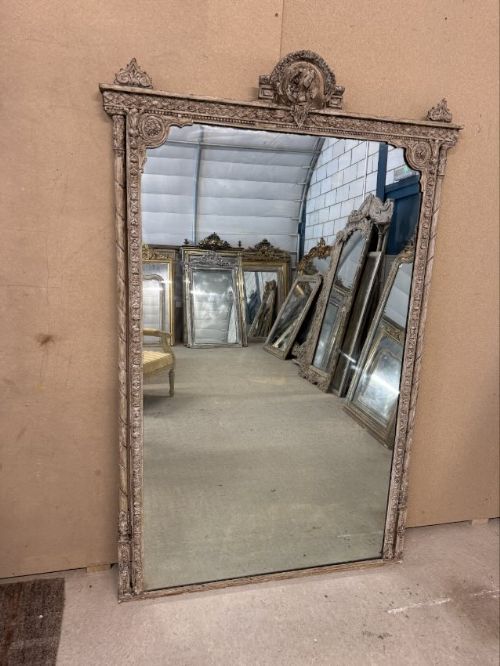
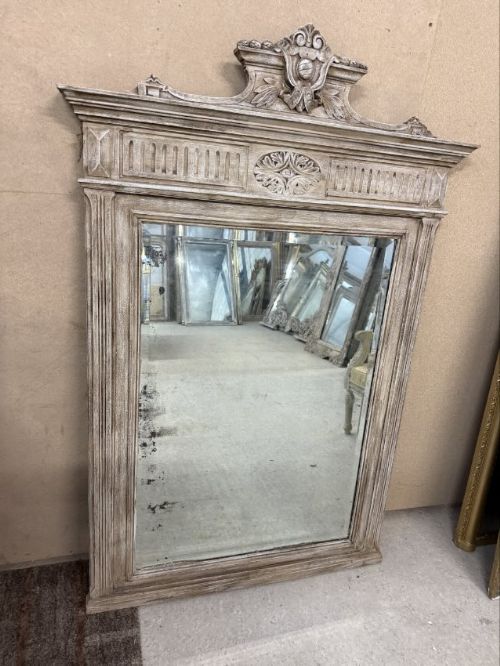
When you search for a grey distressed pier mirror, you are looking at nineteenth-century wall mirrors originating mainly from France, alongside English examples. These pieces bring substantial scale and period presence to a room, designed originally to hang between windows.
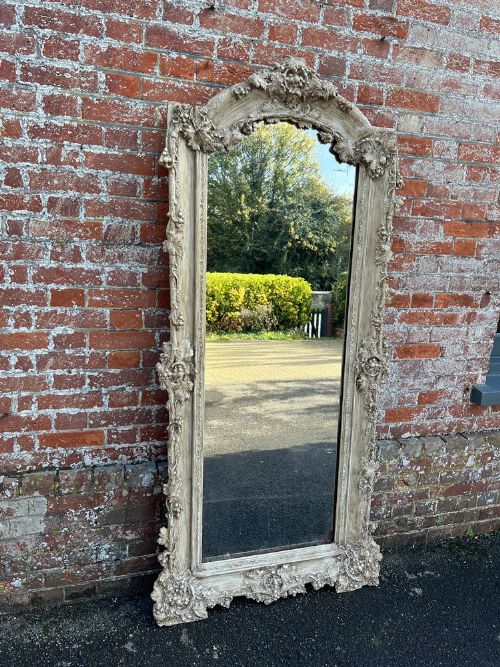
The version you are most likely to meet on this page is a large nineteenth-century wall mirror featuring painted wood, gesso, and carved wooden frames. Styles span French Neoclassical, Louis XV Rococo, French Empire, and Victorian aesthetics, often displaying arched tops or column frames.
How they were made
Frames are constructed primarily from carved wood, pine, and applied gesso to build up decorative moulding and relief details. Artisans shaped these wooden structures before applying coats of paint and sometimes giltwood highlights.
Glass plates are set within these painted wooden frames, often retaining their original silvering and optical imperfections. The construction relies on traditional nineteenth-century cabinetmaking techniques, combining sturdy timber foundations with delicate surface ornamentation.
Grey Distressed Pier Mirror Retail Price Guide 2026
Typical asking prices for grey distressed pier mirror among the pieces listed under this phrase on Sellingantiques today, from the lower quarter to the upper quarter. They describe what is for sale here now, not the wider market.
What varies in quality
The distinction between tiers rests in the crispness of the hand-carved wood and the sculptural depth of the gesso mouldings. Superior examples exhibit fluid lines on arched tops and well-defined column framing that mark out skilled nineteenth-century workshop production.
Surface integrity also separates the range, noting how paint layers and distressed patination age naturally over decades. The harmony between the original timber structure and the weathered finish dictates the visual weight of the piece.
The Grey Distressed Pier Mirror Glossary
- Pier mirror
- A tall wall mirror traditionally designed to hang on the narrow wall space between two windows. These pieces often reflected light deep into nineteenth-century drawing rooms.
- Gesso
- A plaster-like mixture applied to wood frames and carved into decorative relief before painting. It provides the smooth base for intricate surface ornamentation.
- Giltwood
- Timber coated with a thin layer of gold leaf or metallic paint, often revealed beneath worn grey paint surfaces on antique frames.
- Cushion mirror
- A frame profile featuring a convex, outward-curving surface that swells towards the glass plate. This shape creates dynamic reflections and catches ambient light from multiple angles.
- Column framed
- A mirror style flanked by architectural pilasters or engaged columns down each side. This classical feature references French Neoclassical and Empire design traditions.
Grey Distressed Pier Mirror: Frequently Asked Questions
Where should I hang a pier mirror?
These mirrors work best on tall wall spaces, traditional chimney breasts, or between windows where they amplify natural light.
Their substantial nineteenth-century proportions make them effective anchor points in hallways or living spaces.
How do I identify a nineteenth-century French mirror?
Look for construction traits such as heavy pine backing boards, hand-carved wooden frames, and traditional gesso application.
Stylistic cues like arched tops, column framing, and Louis XV Rococo or Empire motifs point directly to this period.
Are the mirror plates original?
Many nineteenth-century pieces retain their original glass, which often exhibits gentle foxing, speckling, and soft reflections.
Original plates contribute historical authenticity and a subdued quality compared to modern mirror glass.
How do I care for a distressed painted finish?
Dust the carved wooden frames gently with a dry, soft cloth and avoid chemical cleaning products that might strip the aged paint.
Keep the mirrors away from direct moisture and extreme temperature shifts to protect the underlying gesso and timber.