


Large Rococo Mirror
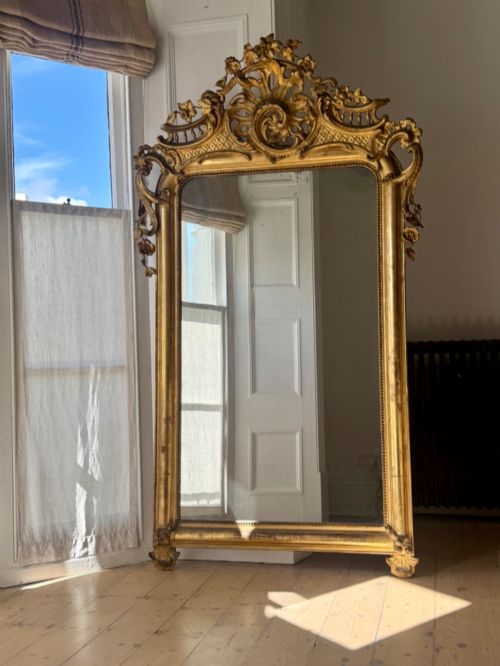
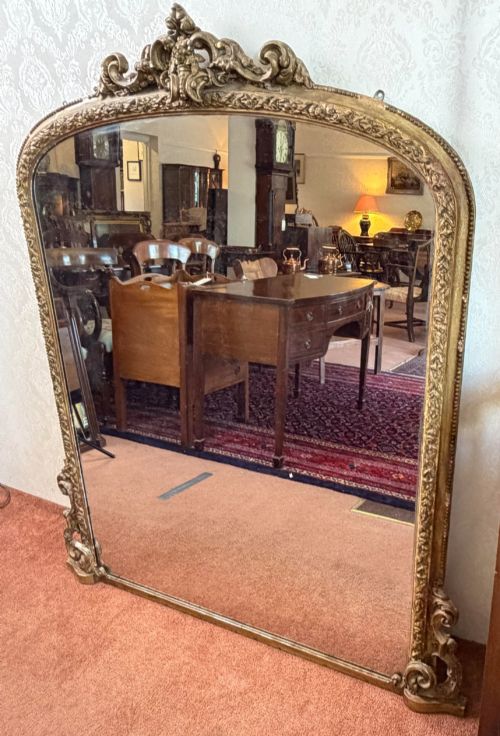
A large rococo mirror brings grand scale and flowing C-scroll ornamentation to a room, drawing the eye with pierced carvings and elaborate gilt frames.
Large Rococo Mirror
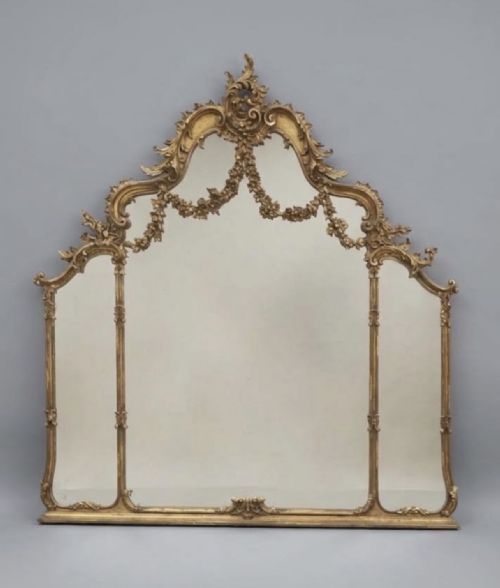
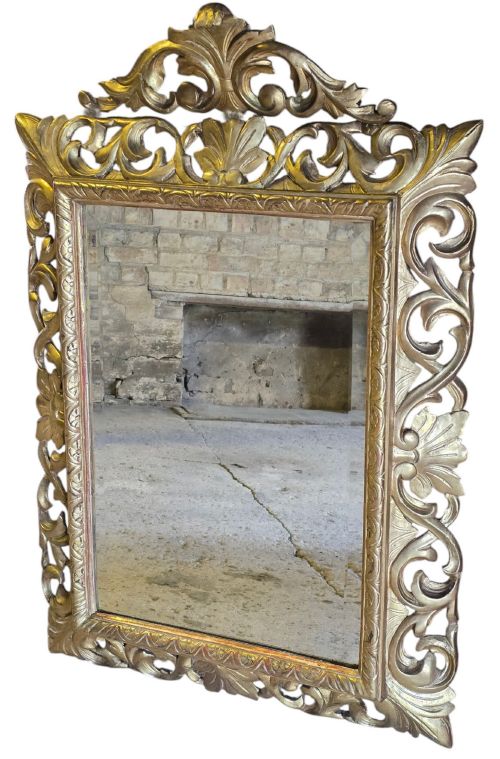
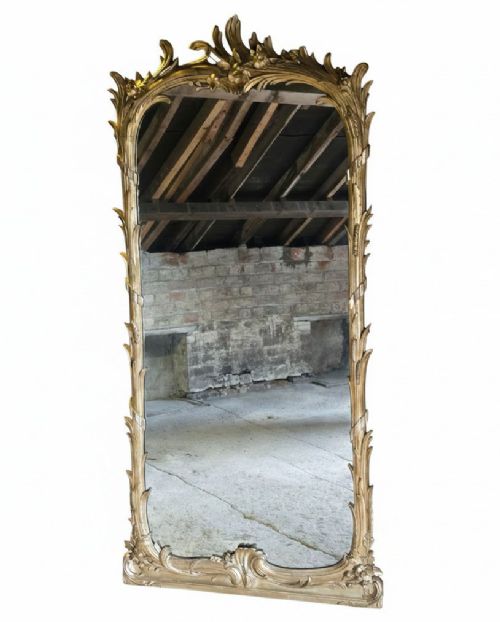
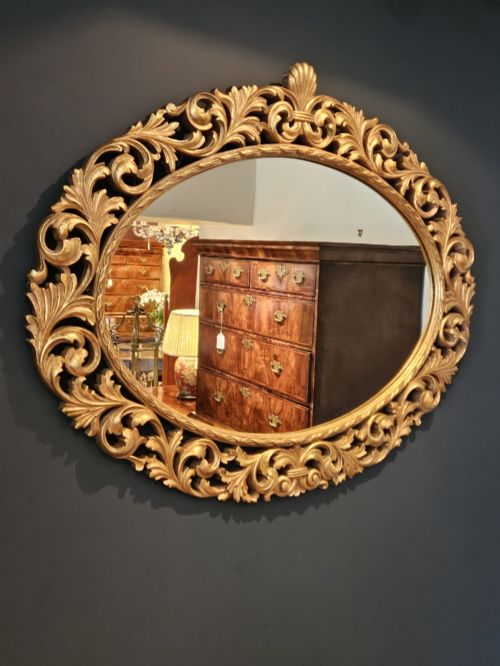
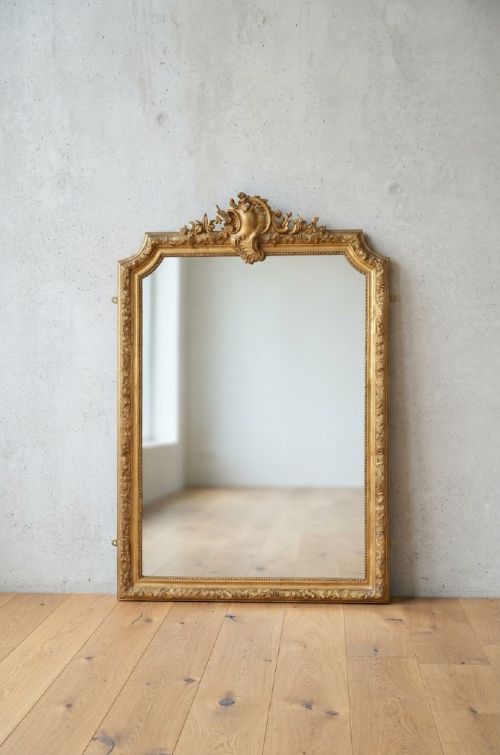
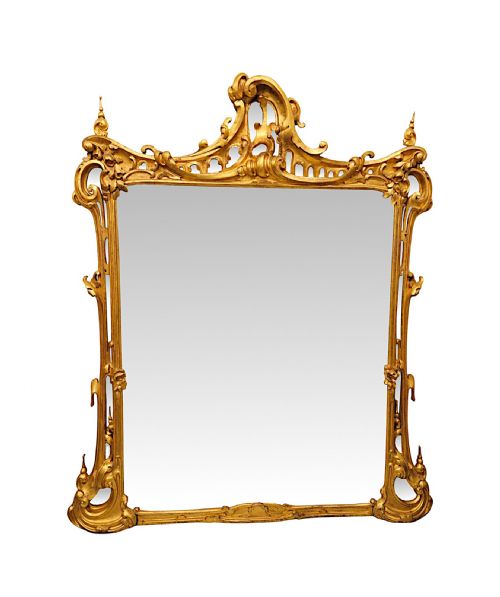
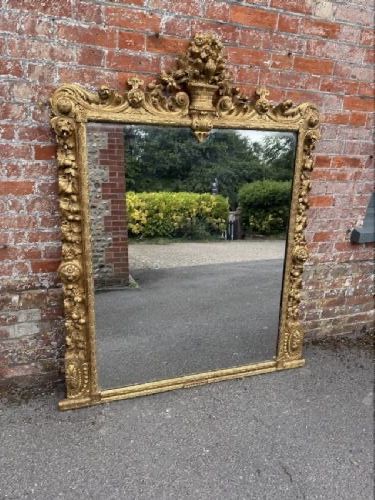
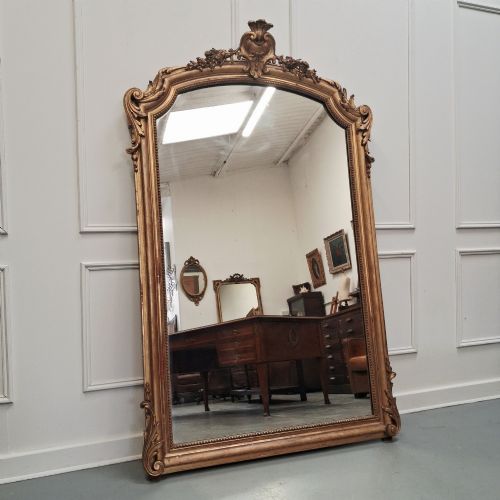
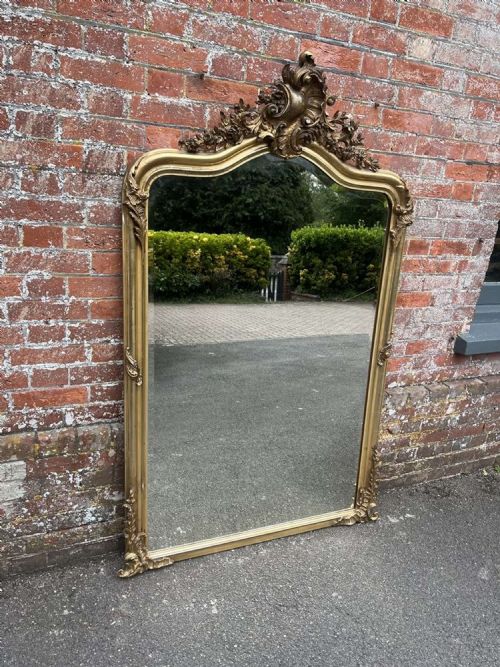
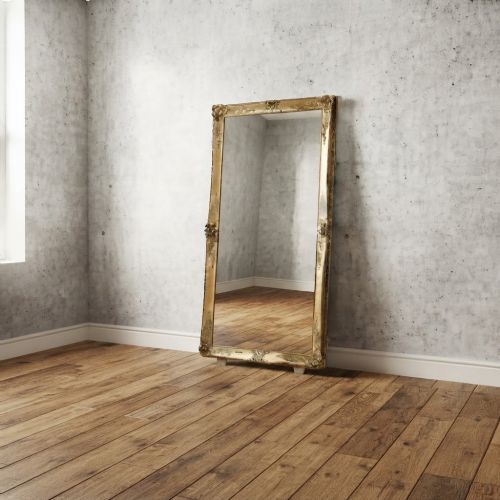
A large rococo mirror serves as an architectural statement piece, predominantly found in overmantel, wall-hanging, and floor-standing leaner formats. These frames originate chiefly from the nineteenth century, drawing heavily on French and Italian design traditions with characteristic asymmetrical curves and naturalistic leaf motifs.
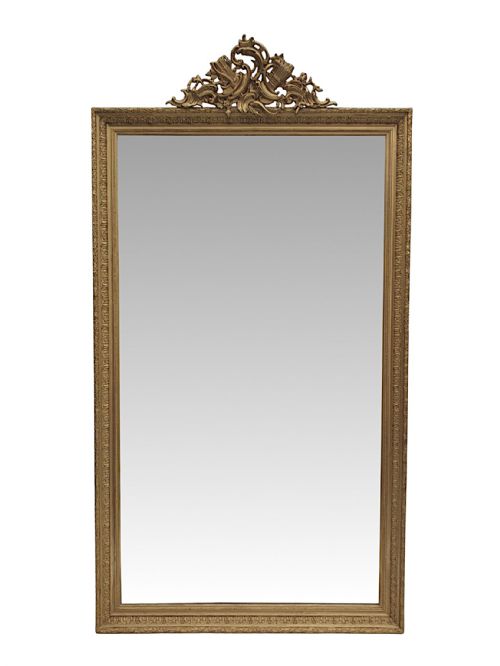
Buyers encounter substantial giltwood and gesso constructions designed to dominate a chimney breast or principal wall. Forms range from triple-plate overmantels to tall trumeau mirrors incorporating pastoral oil paintings or carved crests above the glass.
The selection encompasses revival styles alongside earlier eighteenth-century examples showing authentic foxed mirror plates. Formats extend beyond standard wall pieces to console table combinations and dressing table mirrors framed in carved timber or parcel gilt.
How they were made
Makers carved intricate C-scrolls and foliage into timber foundations, frequently applying layered gesso to build up high-relief ornamentation before gilding the surface. Gold leaf or silver-gilt was meticulously laid over bole to achieve the characteristic reflective warmth of the period.
Early examples utilise mercury glass plates, which develop distinctive dark spots and foxing over decades of oxidation. Later nineteenth-century pieces employ flat sheet glass set within heavy pine, oak, or mahogany structural frames.
Certain exuberant rococo frames incorporate carved wooden ho ho birds perched triumphantly among asymmetric C-scrolls and cascading foliage.
What varies in quality
The depth and crispness of the hand-carved woodwork dictate the visual impact of the frame, distinguishing sharp, undercut foliage from soft, moulded plaster casts. High-end pieces display confident asymmetry and detailed botanical motifs rather than repetitive, rigid symmetry.
The integrity of the original gilding and the preservation of the antique mirror plate determine the historical authenticity of the piece. Superior examples retain their original backboards, primary glass, and structurally sound timber joints without modern replacement elements.
The Large Rococo Mirror Glossary
- Giltwood
- Wood that has been coated with gold leaf or metal leaf over a prepared ground. This technique creates a luminous, warm metallic finish common on formal antique frames.
- Gesso
- A plaster-like mixture applied to wooden frame foundations as a base for carving and gilding. It allows craftsmen to model fine relief details before applying gold leaf.
- Overmantel
- A large mirror specifically proportioned to hang above a fireplace mantelpiece. These pieces often feature wide horizontal formats to balance the width of the hearth below.
- Trumeau
- A decorative wall mirror paired with an oil painting or panel situated directly above the glass. This French interior form integrates art and reflection within a single wood-panelled scheme.
- Mercury glass
- An early form of silvered glass created by applying a mercury and tin amalgam behind the glass plate. It produces a soft, uneven reflection and characteristic dark foxing marks over time.
Large Rococo Mirror: Frequently Asked Questions
Where should I hang a large overmantel mirror?
These mirrors anchor a room when positioned centrally above a fireplace mantelpiece, reflecting light and drawing the ceiling height upward. They require substantial wall fixings screwed directly into structural studs or masonry to support the considerable weight of the timber and glass.
Alternatively, leaners function effectively when placed directly on the floor against a principal wall in a hallway or drawing room. This placement creates an illusion of extended space while showing off the full height of the carved crest.
How do I identify a 19th-century French mirror?
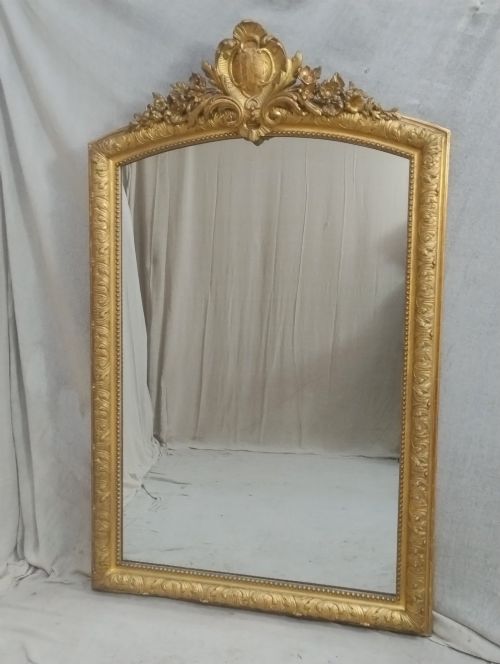
Nineteenth-century French mirrors frequently display exuberant rococo revival motifs, including shell cartouches, cascading floral garlands, and sweeping C-scrolls carved from wood or modelled in gesso. The frames often feature distressed gilt finishes over red bole layers that peek through worn areas.
The reverse typically reveals heavy pegged pine construction with hand-split wooden backboards rather than modern plywood or metal brackets. Original glazing may show slight distortion and hand-bevelled edges characteristic of period workshop methods.
What is the difference between a wall mirror and a leaner?
Wall mirrors are built with integrated hanging brackets or heavy wire designed to be securely fastened to wall studs at eye level or above furniture. Their structural framing distributes weight evenly back toward the wall fastening points.
Leaners are engineered with heavy, stable bases and reinforced frames that allow them to stand safely upright on the floor without wall suspension. They are generally taller and heavier, designed to angle slightly backward against the plaster.
How should I clean an antique giltwood frame?
Dusting requires a very soft, dry artist's brush or an ostrich feather duster to remove particles from deep crevices without disturbing fragile gesso or gold leaf. Moisture and modern chemical cleaning agents will strip the historical water-gilt surface instantly.
Professional conservators should handle any repairs involving flaking gesso or damaged gilding to preserve the original patina. Keeping the piece away from direct sunlight and damp environments prevents the wooden substrate from warping.