

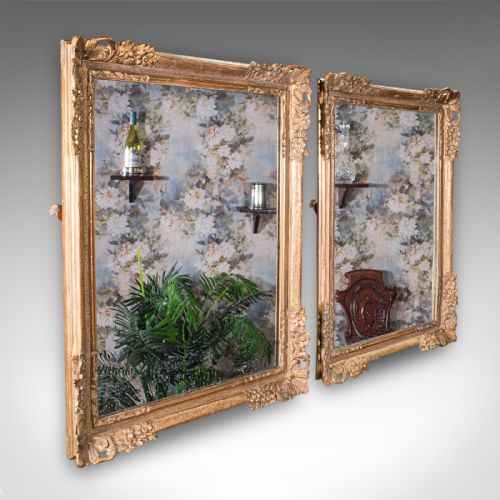
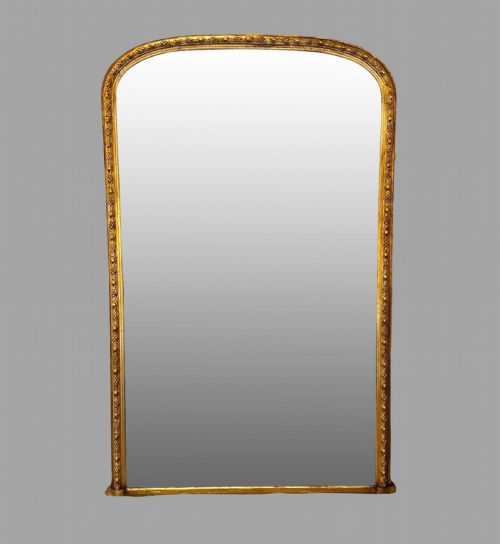
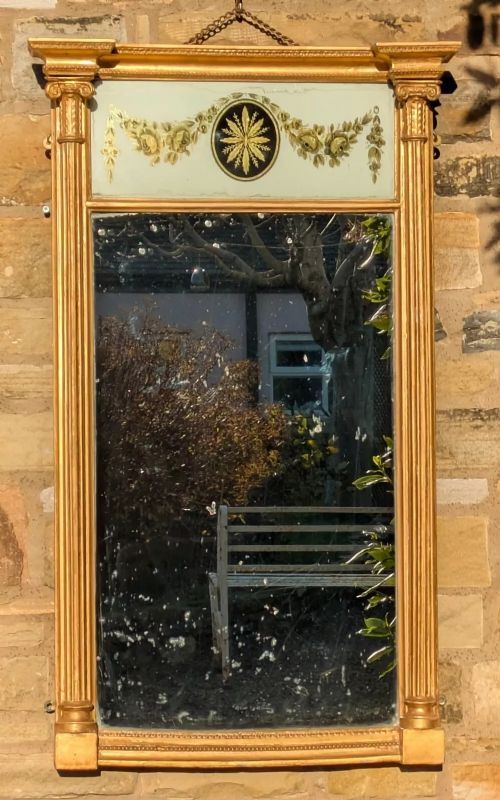

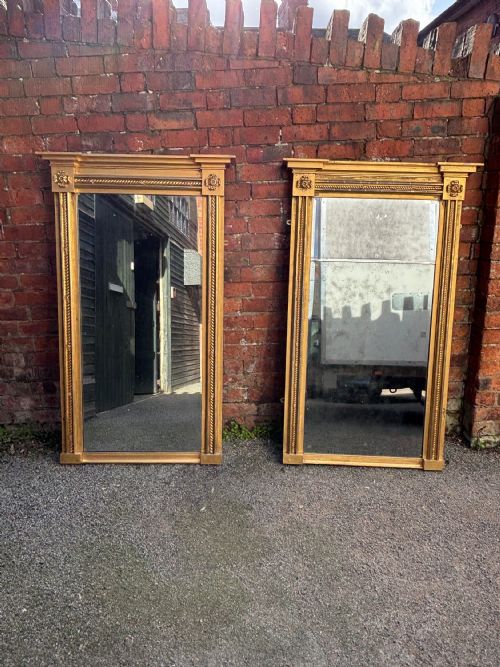


Large Regency Pier Mirror
A large regency pier mirror brings architectural depth and reflected light to a room, framing nineteenth-century interiors with polished giltwood and classical proportion.
Large Regency Pier Mirror
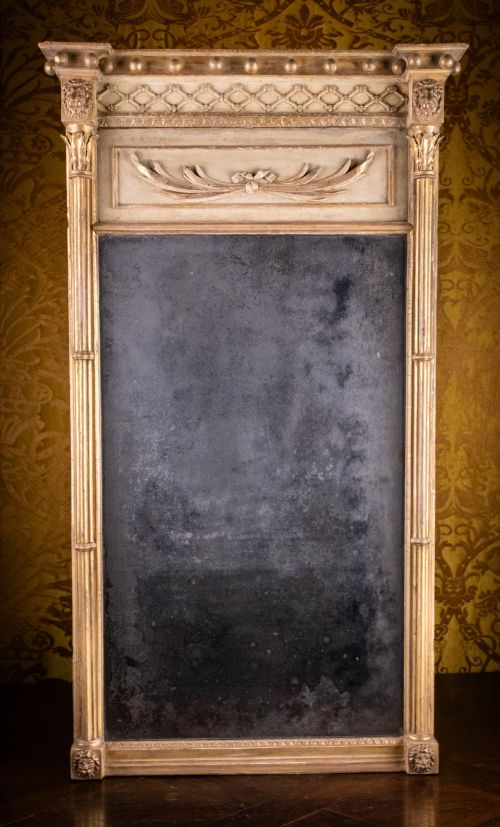
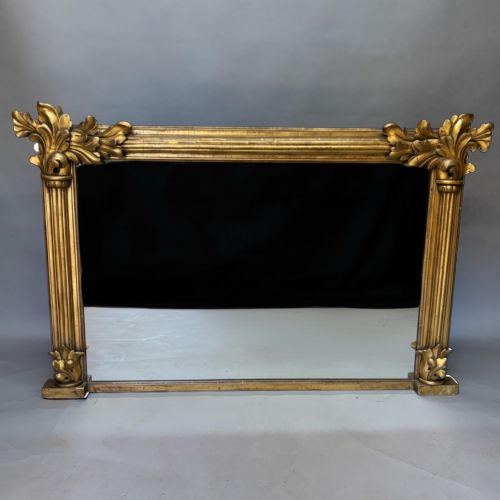
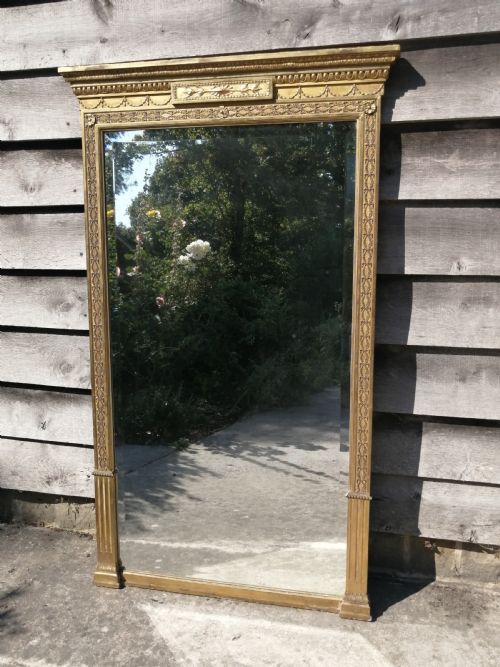
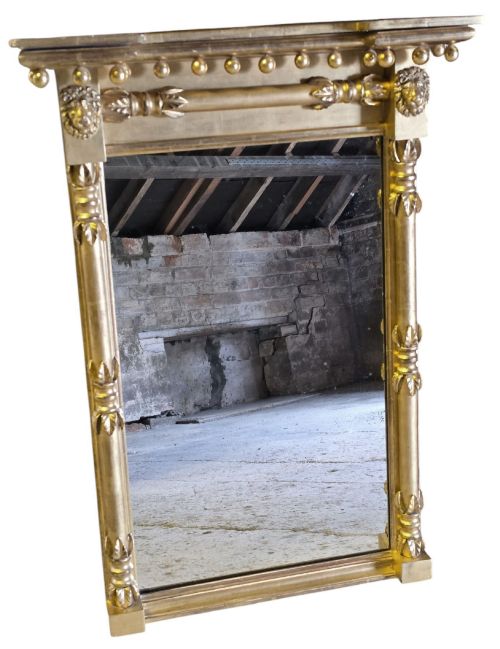
When you search for a large regency pier mirror, you encounter imposing wall-hanging glasses designed to occupy the narrow wall space between windows, known as piers. The examples seen here predominantly date from the nineteenth century, encompassing Regency, George IV, and William IV periods, alongside related Georgian and Victorian interpretations.
Makers constructed these substantial objects as overmantel mirrors and wall mirrors, frequently employing generous proportions to dominate a principal reception room. The forms include architectural frames adorned with carved details, lion masks, and upper panels executed in verre eglomise.
The dominant styles bridge neoclassical symmetry and bolder decorative treatments, often appearing as matched pairs or single statement pieces. These mirrors reflect both the domestic aspirations of the period and the sophisticated hand-carving techniques of contemporary workshops.
How they were made
Makers fashioned these frames primarily from giltwood, utilising wood substrates overlaid with gesso and gold leaf to achieve a brilliant metallic finish. Composition and plaster served for the intricate moulded ornaments, such as classical motifs and relief work, while secondary woods provided structural support behind the gilding.
The glazing relied on early mirror glass plates, sometimes retained in their original state alongside decorative verre eglomise panels. Artisans carved the timber frames by hand before applying successive layers of size, gesso, and gilding materials to create the reflective surfaces.
Large Regency Pier Mirror Retail Price Guide 2026
Typical asking prices for large regency pier mirror among the pieces listed under this phrase on Sellingantiques today, from the lower quarter to the upper quarter. They describe what is for sale here now, not the wider market.
Some pier mirrors wear their centuries proudly, offering a distorted morning reflection that has watched over breakfast rooms since the reign of George IV.
What varies in quality
The distinction between standard examples and exceptional works rests on the crispness of the hand-carving and the depth of the gilding. Superior pieces exhibit finely modelled details, such as distinct lion masks and balanced proportions, rather than generalised or heavy-handed ornamentation.
Originality of components also dictates standing, with surviving early mirror plates and intact verre_eglomise panels commanding greater regard. The integration of the frame construction and the preservation of the original gilt surfaces determine the overall integrity of the piece.
Sir Willian Trotter
The Large Regency Pier Mirror Glossary
- Giltwood
- Timber, most commonly pine or soft wood, carved and coated with gold leaf over a prepared gesso ground. This finish gives the frame its characteristic metallic brilliance and warmth.
- Verre_Eglomise
- A cold decoration technique where artisan painters applied designs and gilding to the reverse side of glass panels. These panels frequently sit above the main mirror plate in Regency pier glasses.
- Pier_Mirror
- A tall, narrow mirror specifically manufactured to hang on the wall space between two windows. Their vertical format helps bounce natural daylight back into period rooms.
- Gesso
- A dense plaster mixture applied to carved wooden frames to create a smooth surface for gilding. It allows craftsmen to press or carve intricate decorative reliefs.
- Overmantel_Mirror
- A wide mirror designed to be positioned directly above a fireplace mantelpiece. Many examples share stylistic elements and materials with tall pier glasses.
Large Regency Pier Mirror: Frequently Asked Questions
Where were pier mirrors originally hung?
These mirrors were traditionally placed on the narrow strip of wall situated between two windows, known as the pier. This placement maximised the reflection of natural daylight into the principal rooms of nineteenth-century townhouses.
Over time, owners also positioned them above mantelpieces or console tables, adapting their architectural scale to suit changing interior layouts and broader wall spaces.
How do I identify a Regency period mirror?
Regency mirrors typically display neoclassical motifs, such as reeded columns, classical urns, and bold carved details like lion masks. The proportions are often grand and architectural, reflecting the design vocabulary of the early nineteenth century.
Examining the construction methods, the composition of the gesso, and the characteristics of the wood behind the gilding helps confirm the period of manufacture alongside stylistic cues.
Are original mirror plates common?
Original glass plates do survive in many nineteenth-century frames, often showing subtle imperfections, foxing, or slight distortion that confirms their age. These untouched surfaces contribute significantly to the character and authenticity of the piece.
Where replacement glass occurs, it is usually cleaner and lacks the characteristic waviness of early manufactured mirror plates, though replacement was common practice during centuries of domestic use.
How should I hang a heavy giltwood mirror?
Due to the substantial weight of timber, gesso, and glass, secure wall fixings into structural brickwork or strong studwork are essential. Professional art installers typically employ heavy-duty mirror brackets or french cleats distributed evenly across the frame.
Ensuring the weight rests securely on structural supports prevents strain on the original joints and protects the delicate gilded crestings from accidental damage.