
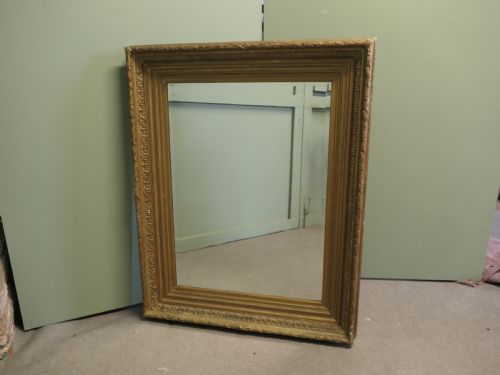
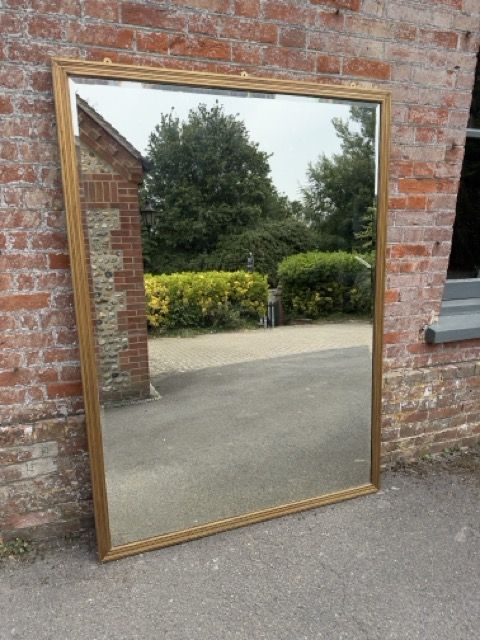
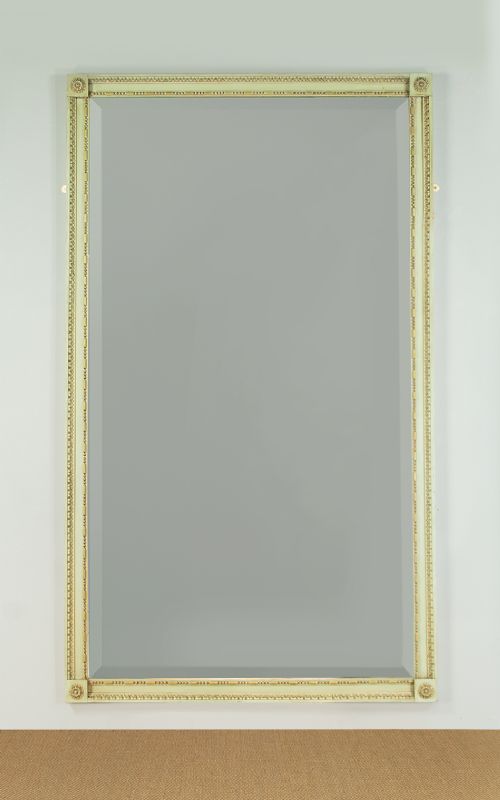
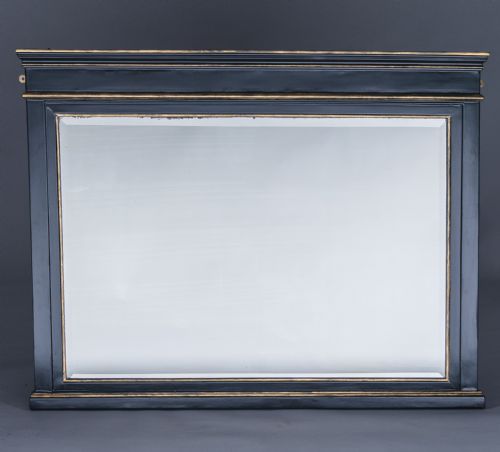
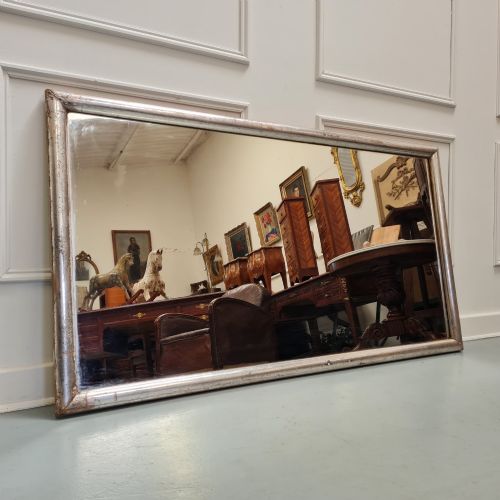
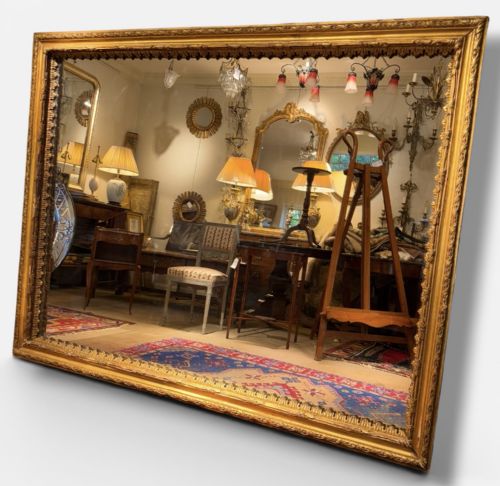
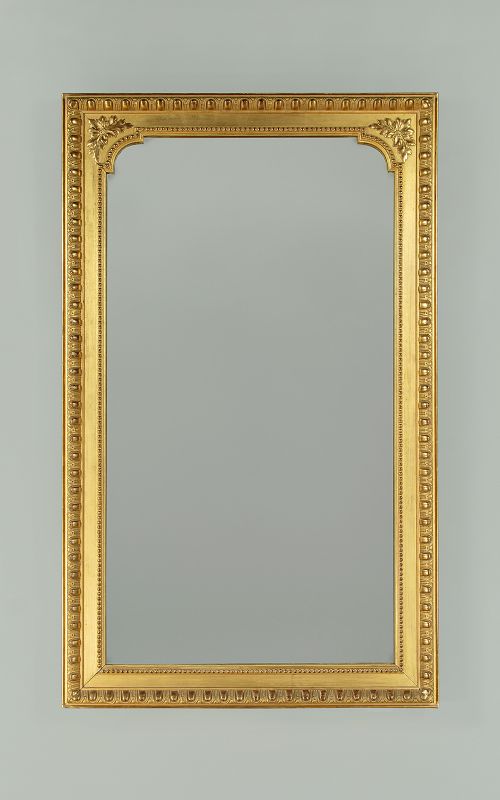

Large Rectangular Gilt Mirror
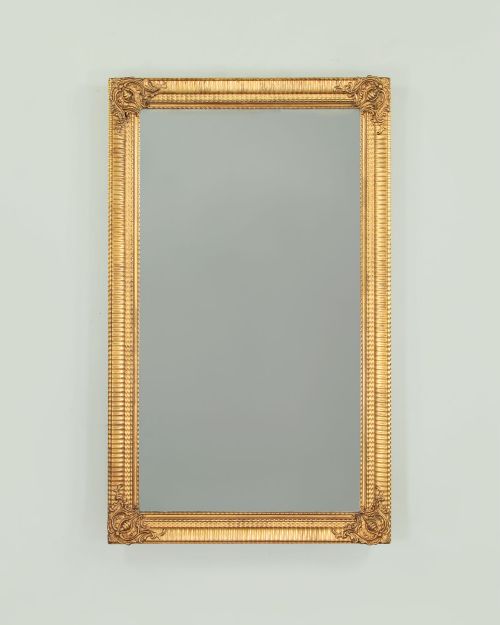
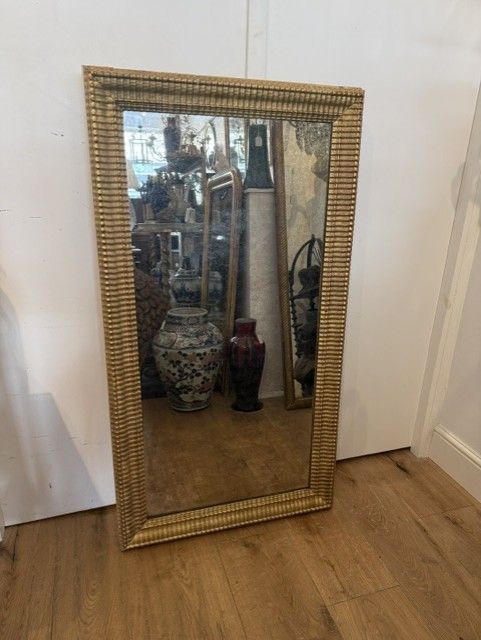
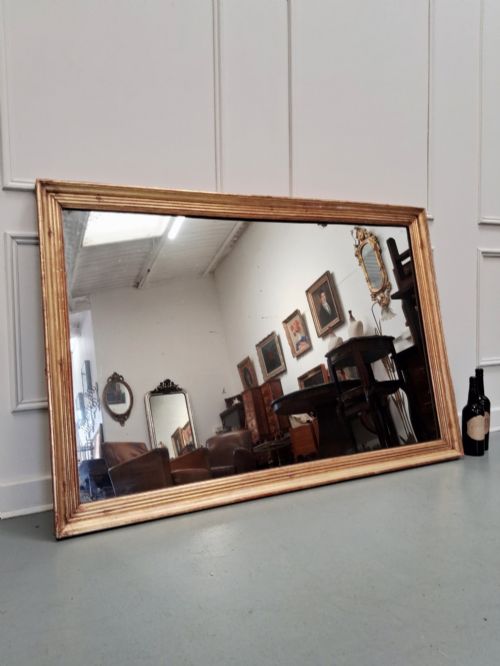
A large rectangular gilt mirror brings scale and reflected light into a room, framed in gleaming gold leaf or gesso.
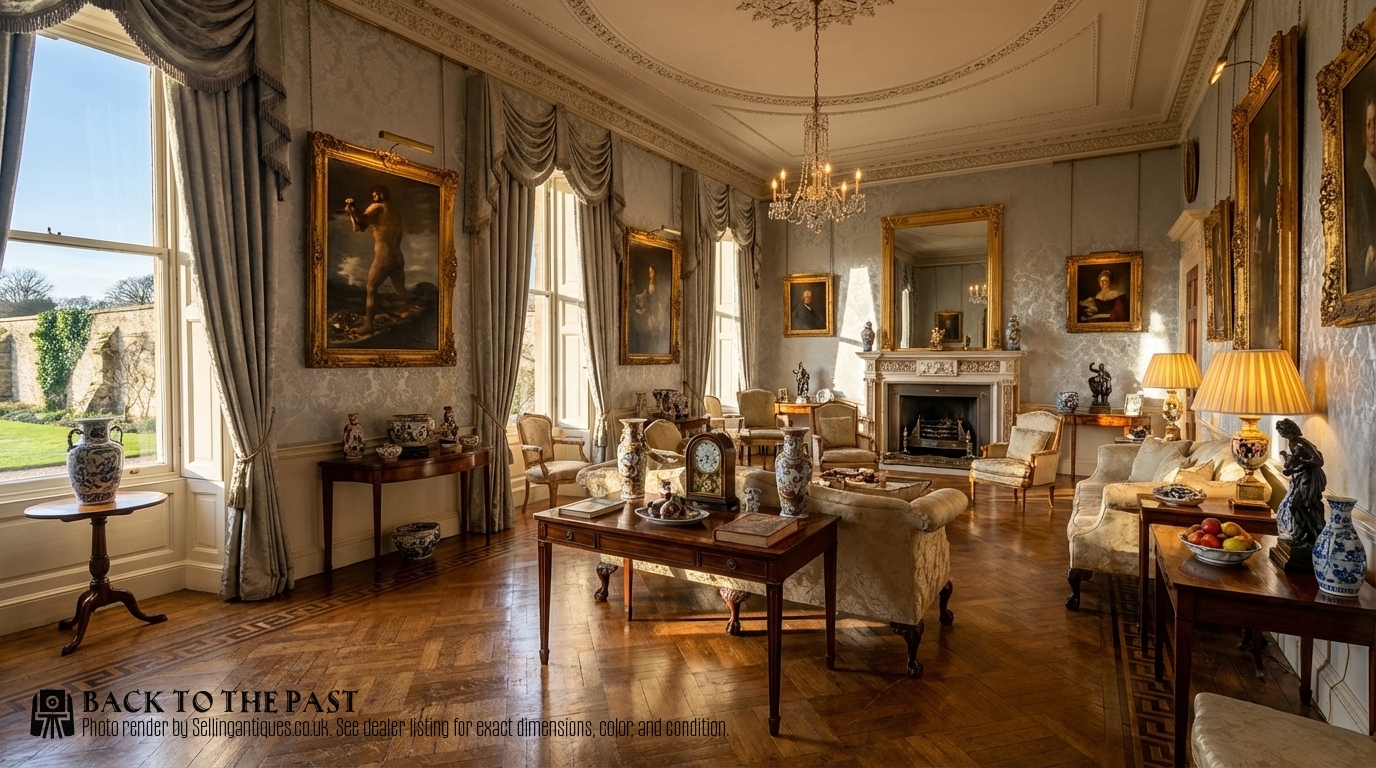
Large Rectangular Gilt Mirror
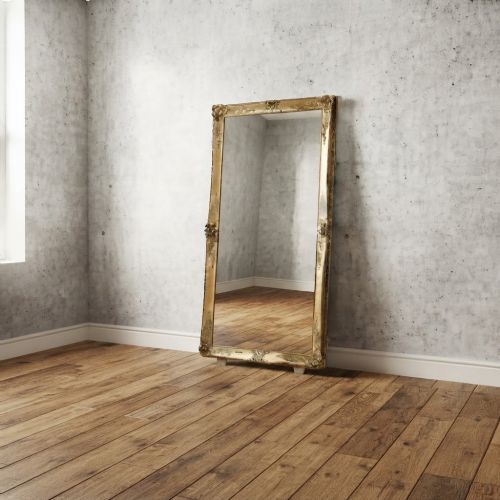
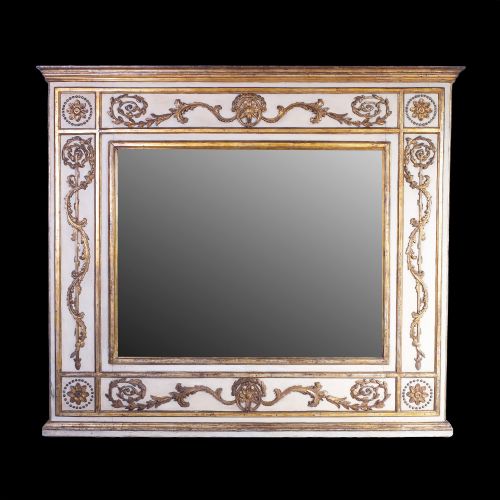
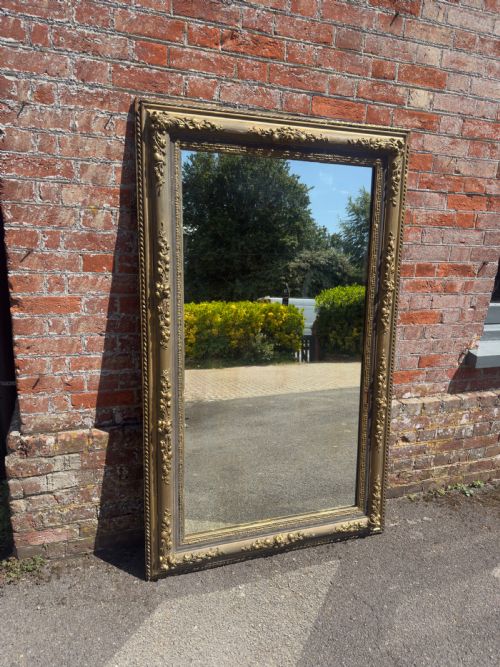
A large rectangular gilt mirror serves as a dominant architectural focal point in traditional and eclectic interiors. Buyers searching for a large rectangular gilt mirror will encounter imposing overmantels, tall leaner mirrors, and broad wall-hanging frames.
The selections span nineteenth-century English and French workshops, encompassing styles from Regency and Victorian to ornate French chateau aesthetics. These pieces hang above fireplaces, anchor living spaces, or lean against full-height walls.
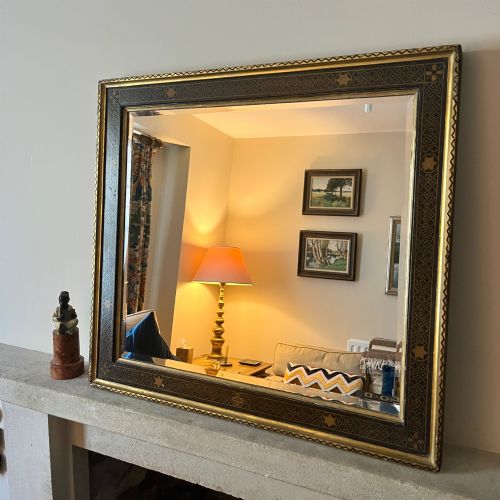
Overmantel mirrors and pier mirrors form a large share of the available stock, alongside bistro mirrors and ripple-frame designs. Each piece combines functional glass with decorative gilding on wood or gesso substrates.
How they were made
Traditional frames rely on carved wood or moulded gesso applied over a wooden base. Artisans then gilded these surfaces using gold leaf, silver gilt, or gold paint to achieve a luminous metallic sheen.
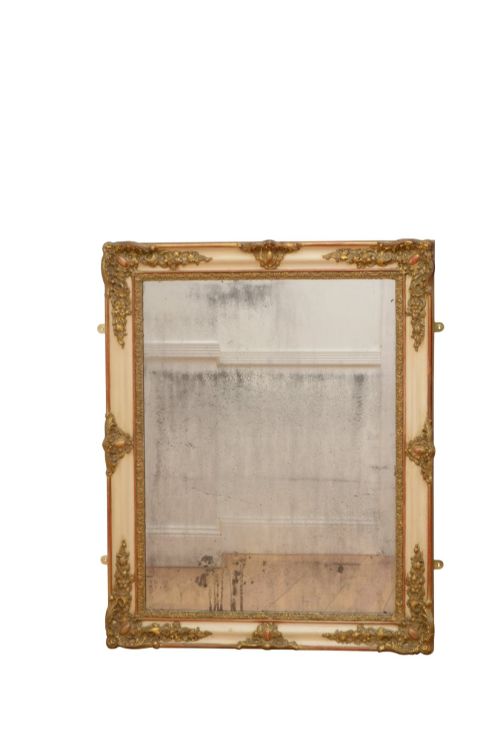
Mirror glass from earlier periods often exhibits characteristic ageing, clouding, or foxing, though some frames have received replacement glass over the decades.
Large Rectangular Gilt Mirror Retail Price Guide 2026
Typical asking prices for large rectangular gilt mirror among the pieces listed under this phrase on Sellingantiques today, from the lower quarter to the upper quarter. They describe what is for sale here now, not the wider market.
What varies in quality
Depth and crispness of the carved wood or gesso ornamentation separate standard decorative pieces from finer work. Hand-carved floral details and intricate moulding retain sharp definition that mechanical composition work lacks.
The integrity of the original gilding and the preservation of the backing wood determine the overall condition and visual weight of the frame. Surviving original mirror glass with natural patination adds historical depth compared to modern replacements.
The Large Rectangular Gilt Mirror Glossary
- Giltwood
- Wood that has been decorated with gold leaf or gold powder. This surface finish creates a warm metallic lustre across the carved frame.
- Gesso
- A plaster-like mixture applied to wood frames to create a smooth surface for moulding and gilding. Artisans carve intricate details directly into this hardened layer.
- Overmantel
- A mirror specifically designed to sit on a mantelpiece above a fireplace. These horizontal pieces often feature classical motifs suited to nineteenth-century drawing rooms.
- Pier mirror
- A tall mirror designed to hang on the narrow wall space between windows. They typically match the vertical proportions of nineteenth-century domestic architecture.
- Ripple frame
- A frame featuring concentric undulating wave patterns carved into the wood. This style gained popularity during the nineteenth century for a textured appearance.
Large Rectangular Gilt Mirror: Frequently Asked Questions
How do I hang a heavy gilt mirror safely?
Heavy frames require sturdy wall anchors fixed directly into masonry or solid timber studs. Professional mirror hangers utilise heavy-duty brackets rated for the substantial combined weight of the wood and glass.
Position the fixings to distribute the load evenly across the top corners of the frame. Avoid relying solely on plasterboard without appropriate reinforcement.
Can I clean antique mirror glass?
Clean antique glass gently using a soft microfibre cloth and a mild, non-ammonia glass cleaner. Spray the cloth rather than the glass to prevent moisture seeping behind the silvering.
Take care near the edges of the plate and around the gilt frame to avoid damaging the original finish. Old foxing and clouding form part of the historic patina and should not be scrubbed away.
Are these mirrors suitable for bathrooms?
High humidity and fluctuating temperatures in bathrooms can damage historic gesso, wood, and original silvering. Moisture causes the gilt surface to flake and accelerates degradation of the mirror plate.
Dry, well-ventilated living areas, hallways, and reception rooms provide a safer environment for antique gilt frames. If placed in a damp space, deterioration will progress rapidly.
How do I tell an 19th century frame apart from later copies?
Nineteenth-century frames show hand-applied gesso, aged timber behind the backing boards, and hand-beaten gold leaf or early gilding techniques. Construction joints often utilise period fixings and older hand-cut screws.
Later reproductions frequently display uniform machine moulding, synthetic bonding agents, and artificially distressed finishes. Examining the back of the frame usually reveals the true age of the construction timber.