

Large Porcelain Vase
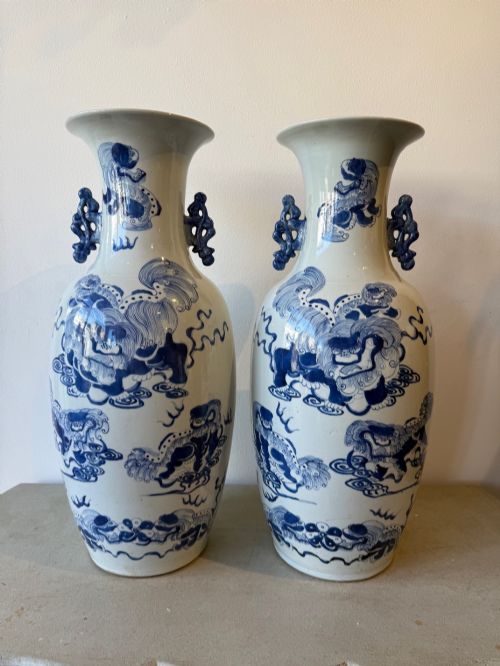
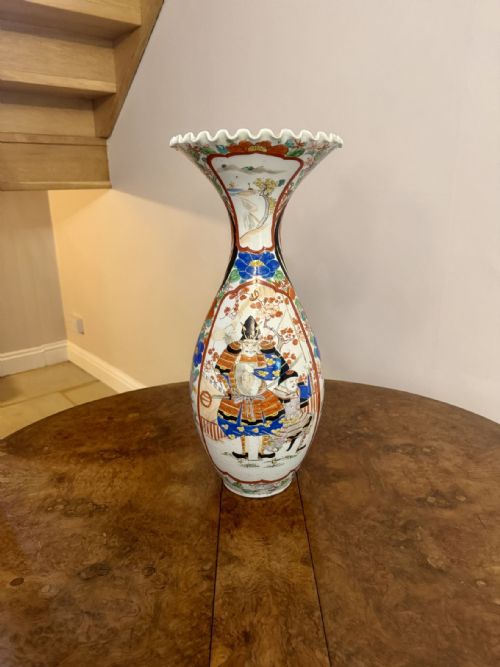
Choosing a large porcelain vase brings commanding presence to a room, spanning nineteenth-century Japanese Imari outputs and grand Chinese Qing dynasty floor jars.
Large Porcelain Vase
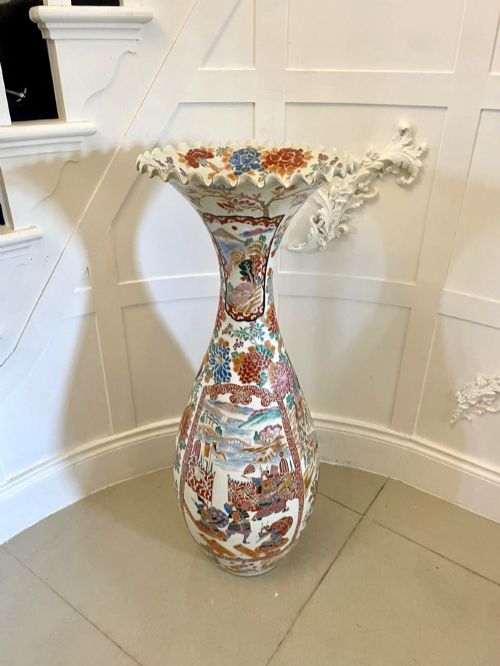
A large porcelain vase delivers substantial visual weight to interiors through varied forms including floor-standing vessels, lidded urns, and baluster shapes. When exploring large porcelain vase selections, buyers encounter nineteenth-century production alongside early twentieth-century examples.
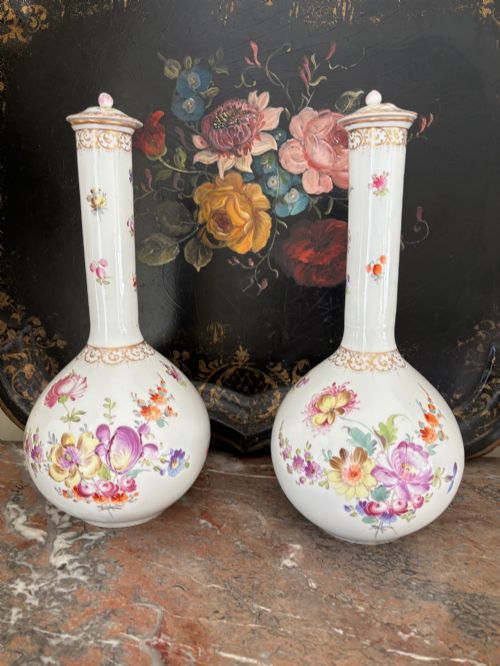
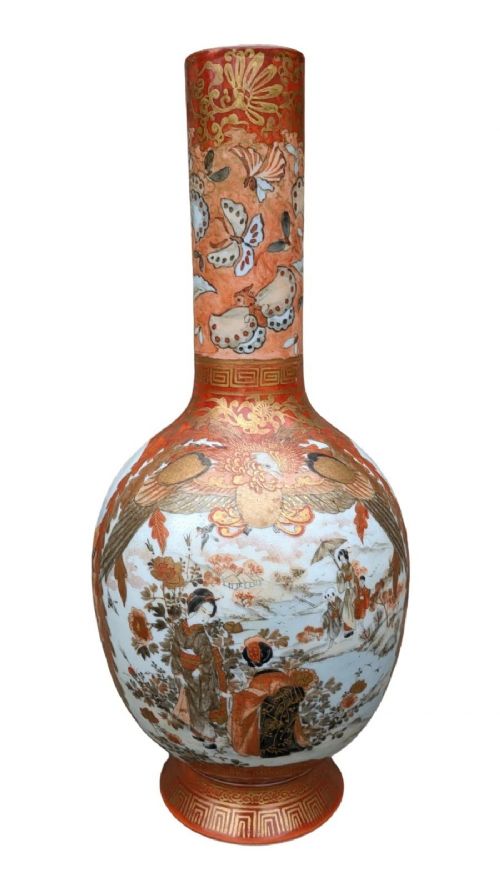
Origin points cluster heavily around East Asian traditions, notably Japanese Satsuma, Kutani, and Arita workshops, together with Chinese export and imperial pieces. European factories from Staffordshire, Paris, and Dresden also contribute notable porcelain forms.
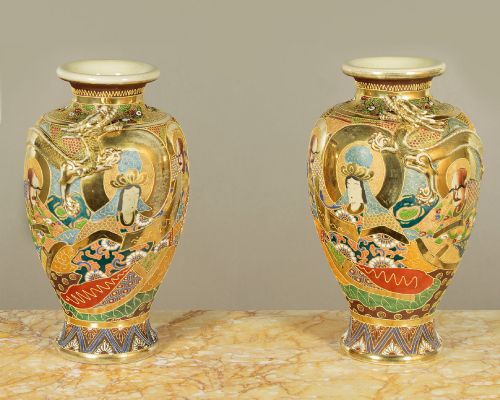
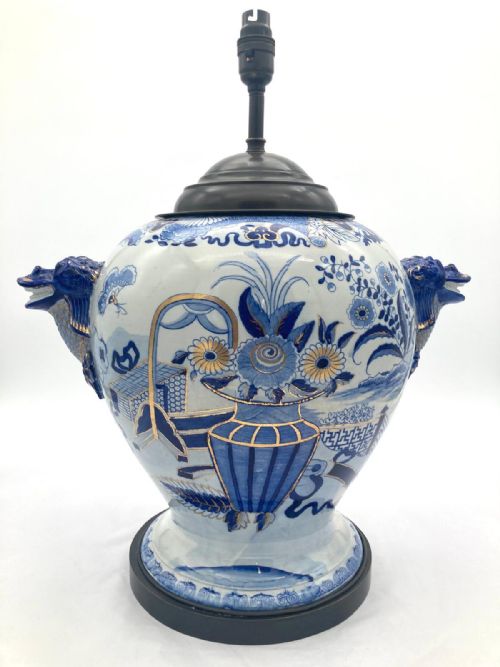
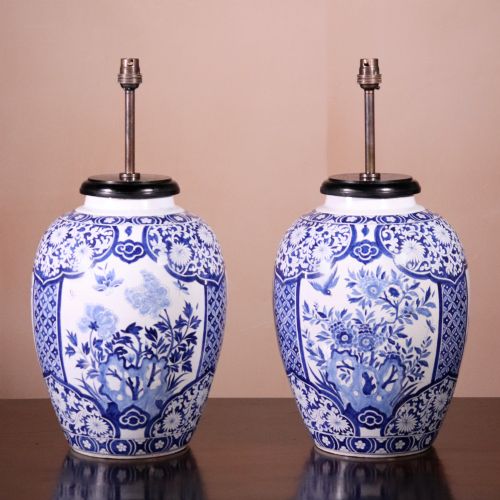
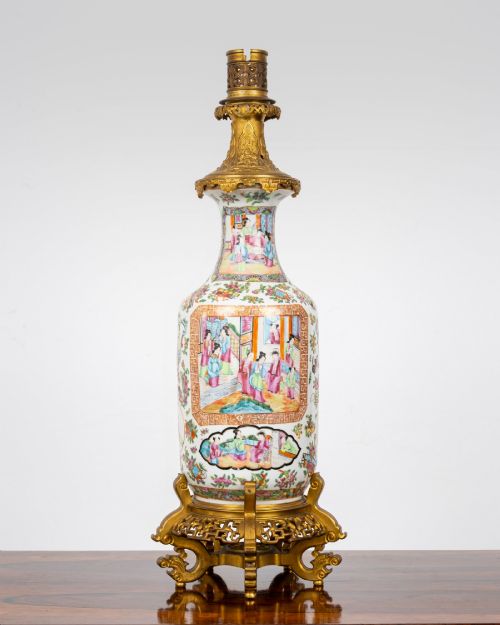
Many surviving vessels arrive in matched pairs or incorporate subsequent conversions into table lamps with bronze mounts or wooden stands. These decorative objects range from modest table dimensions up to monumental floor-standing heights.
How They Were Made
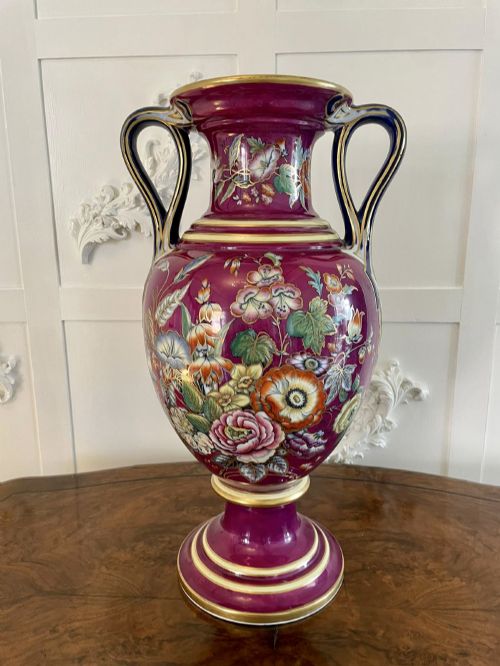
Potters shaped ceramic bodies from fine clays before applying complex glaze systems, ranging from clear cracked finishes to saturated celadon and sang de boeuf tones. Artisans then built polychrome surfaces utilising hand-painted enamel pigments alongside detailing in gold leaf and gilding.
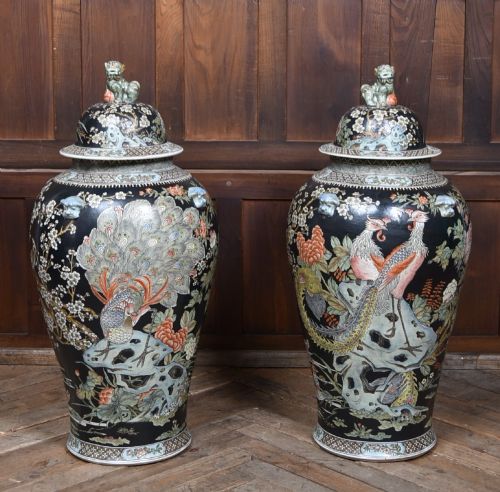
Firing techniques allowed kilns to handle massive floor jars and delicate moon flasks alike, often incorporating moulded relief elements like foo dog lids or ram head handles. Workshops frequently combined cobalt blue underglazes with overglaze enamel work executed across distinct decorative panels.
Current listings feature porcelain works spanning the nineteenth century alongside Regency, Meiji, and Qing dynasty periods.
What Varies in Quality
Execution of hand-painted brushwork distinguishes standard commercial output from exceptional studio pieces, particularly in intricate figural scenes and botanical motifs. The crispness of moulded details and the depth of enamel and gilt layers indicate the original maker's skill level.
Scale and ambition play roles in valuation, separating modest decorative items from monumental palace jars and signed works by master ceramists. Preserved original components, such as matching hardwood stands or fitted porcelain covers, elevate overall integrity.
Hotoda·Makuzu Kozan·Kato Sanhei·Samson of Paris·Carl Thieme Dresden
The Large Porcelain Vase Glossary
- Imari
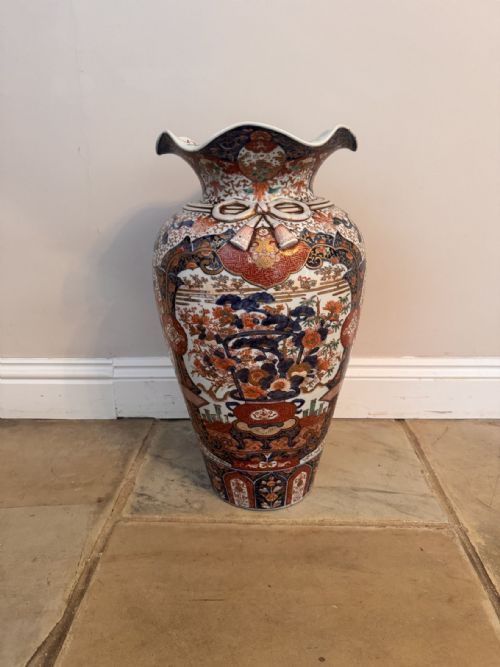
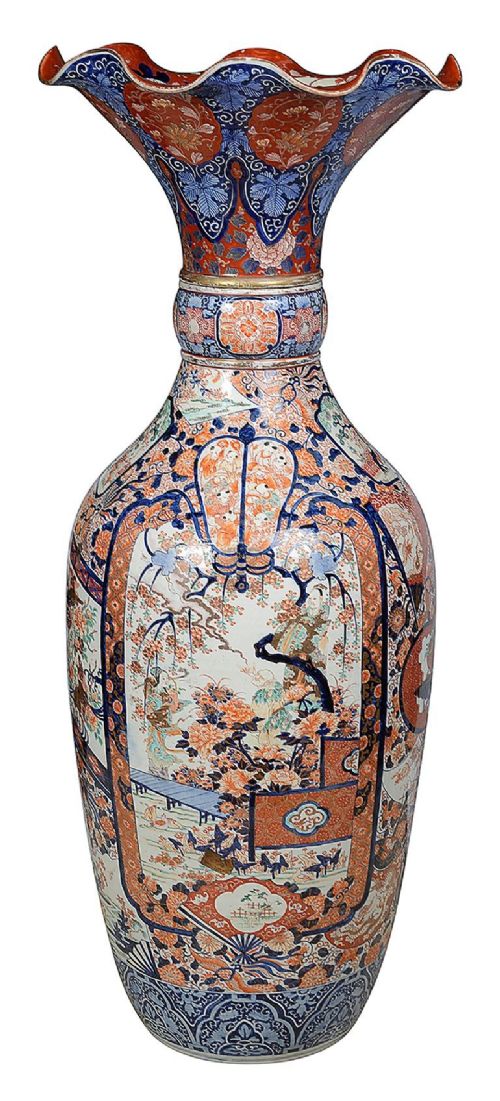
- A Japanese export porcelain style characterised by underglaze blue and iron red overglaze, frequently enriched with gold. This palette dominated trade wares shipped through European ports during historical periods.
- Famille Rose
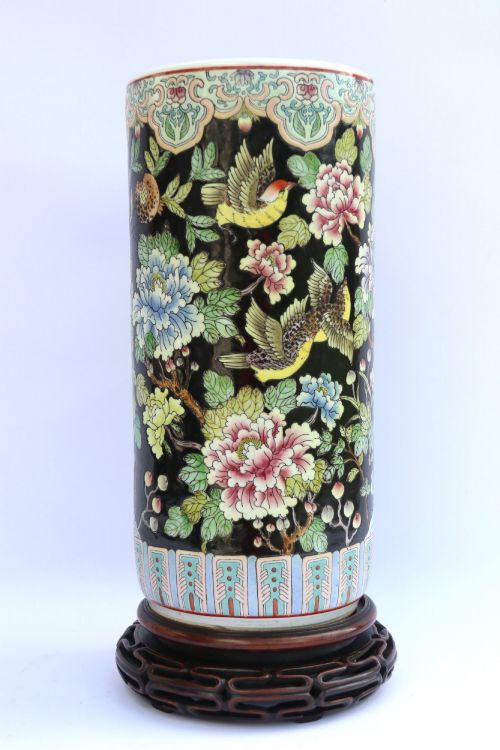
- A palette of opaque rose-pink enamel colours introduced to Chinese ceramics during the Qing dynasty. The style permits subtle tonal gradations across floral and figural compositions.
- Celadon
- A pale green jade-like glaze applied over a white porcelain body. The distinctive colour results from iron oxide reacting within a reducing kiln atmosphere.
- Satsuma
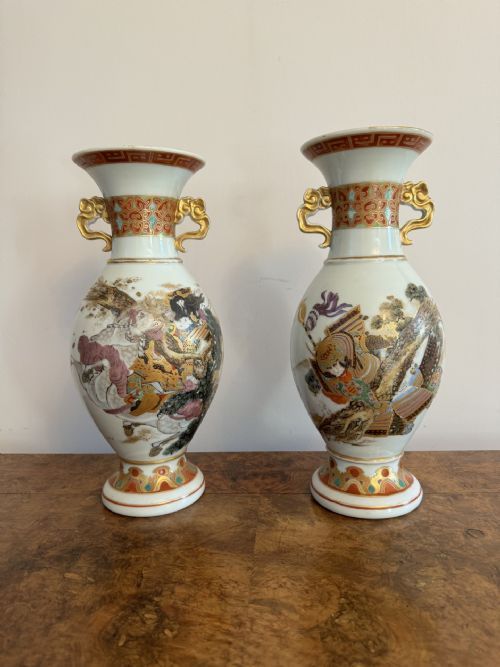
- Earthenware or porcelain pottery originating from Satsuma province in Japan, traditionally featuring a crackled creamy glaze decorated with polychrome enamels and gilding. These pieces often depict dense figurative groupings.
- Moon Flask
- A flat-backed pilgrim flask shape featuring a circular body supported on a small base with a narrow neck. Potters adapted this symmetrical form for decorative display.
Large Porcelain Vase: Frequently Asked Questions
How were large porcelain vases used originally?
Historical interiors utilised these grand vessels as floor-standing focal points in grand halls, structural mantel centrepieces, or lidded jars for potpourri.
Export markets also adapted sturdy examples into umbrella stands or structural lamp bases during later periods.
How do I tell Chinese and Japanese pieces apart?
Distinguishing the origins involves studying the specific palette choices, such as Imari iron reds characteristic of Japanese kilns versus the softer pink enamel tones of Chinese famille rose.
Signature marks and the distinct motifs within figural panels also offer clear indicators of regional manufacture.
Can converted lamp vases be restored?
Many surviving pieces feature historical wiring or mounted hardware added during the Victorian or Edwardian eras to serve as domestic lighting.
Reversing these alterations depends entirely on whether original drilled holes or bonded mounts permanently affected the underlying ceramic body.
How should I care for antique porcelain?
Maintenance requires gentle dusting with a soft dry cloth to protect delicate overglaze enamels and applied gold leaf from abrasion.
Keeping vessels away from direct sunlight and temperature fluctuations safeguards fragile glazes and historical wooden stands.