




Large Oriental Carpet
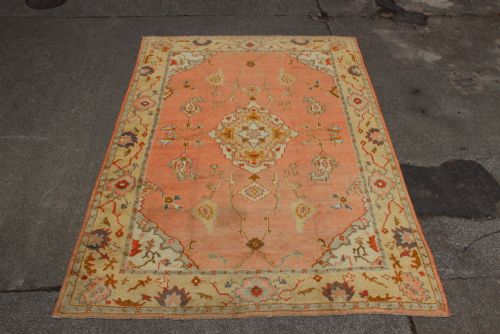
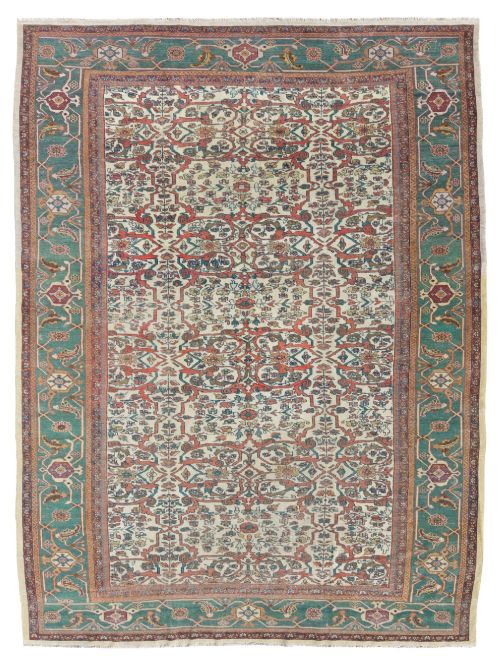
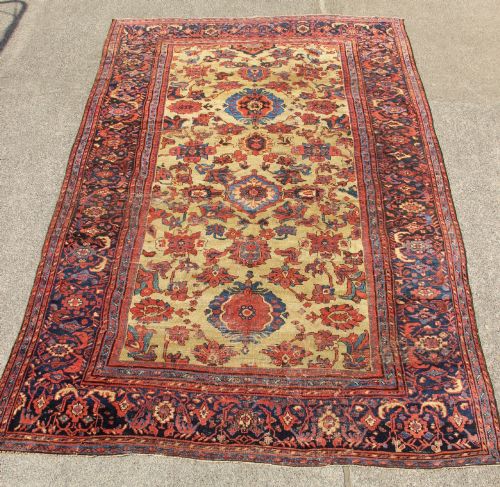
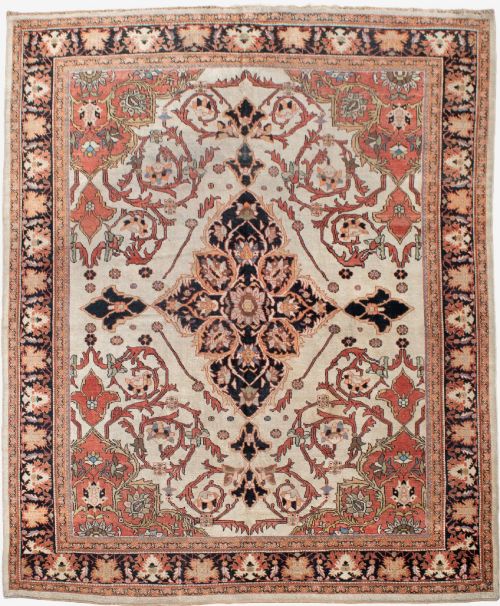
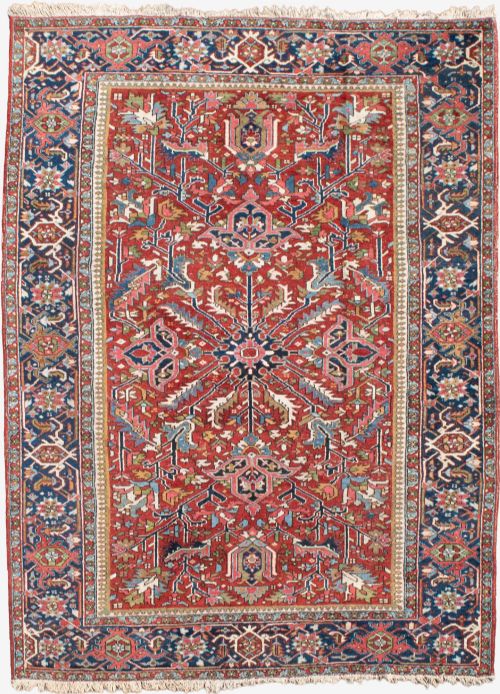
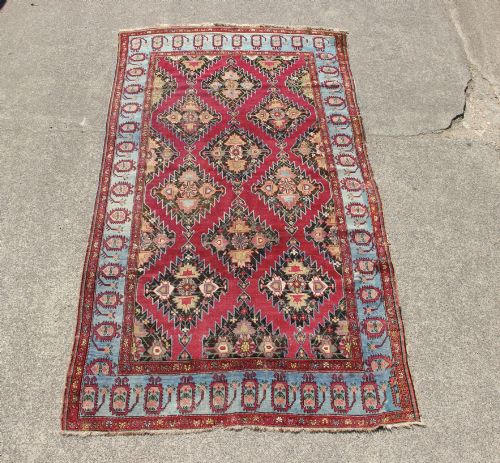
A large oriental carpet anchors a room with dense botanical motifs and geometric medallions woven centuries ago.
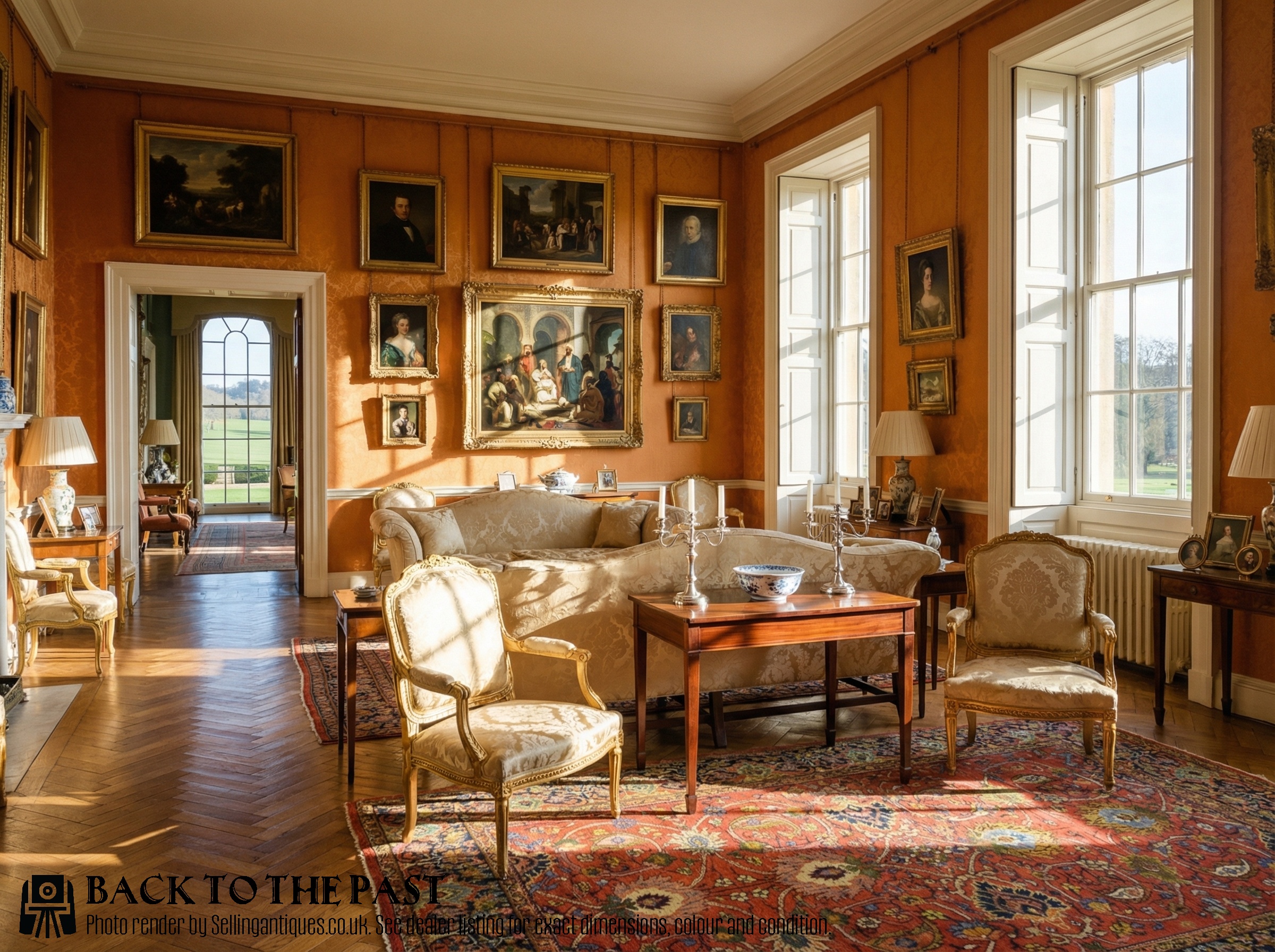
Large Oriental Carpet
A large oriental carpet brings commanding scale and regional artistry to a floor, often arriving from Persian, Turkish, or Central Asian workshops. When exploring this selection, buyers encounter robust floor coverings produced primarily between the mid-nineteenth century and the early twentieth century.
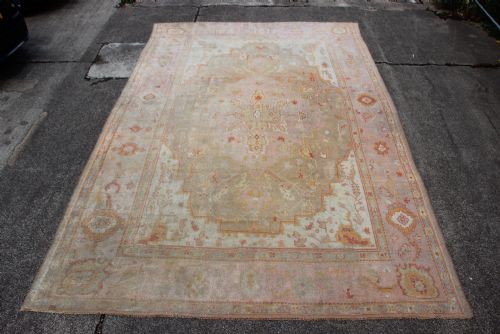
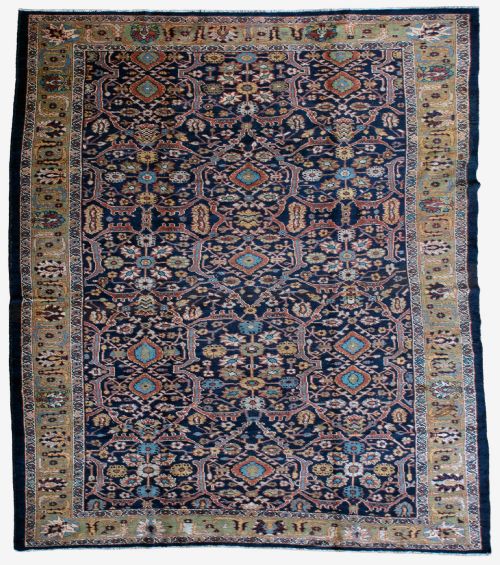
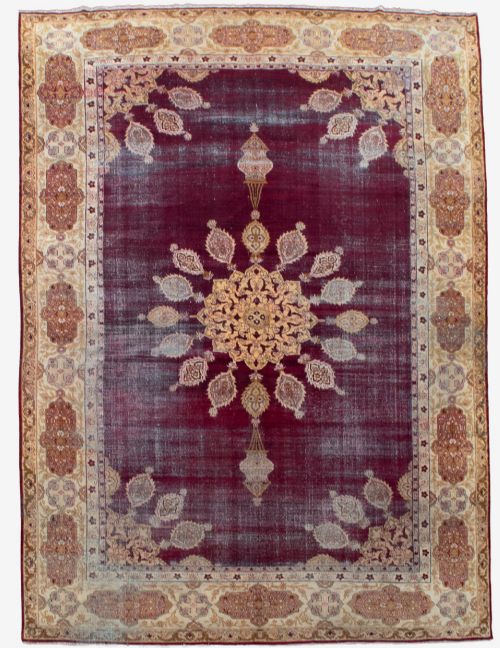
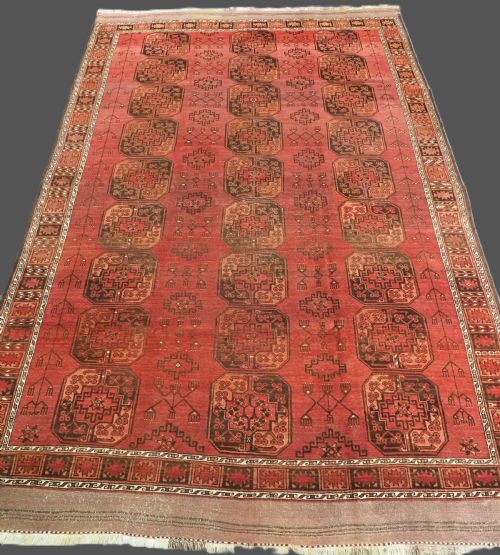
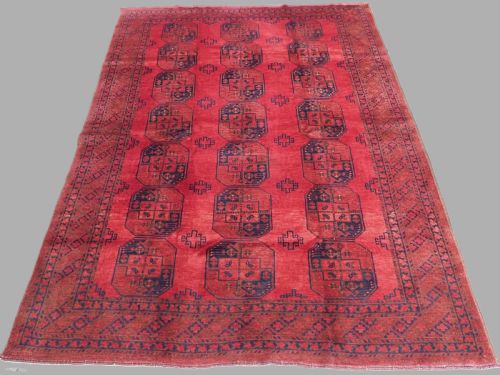
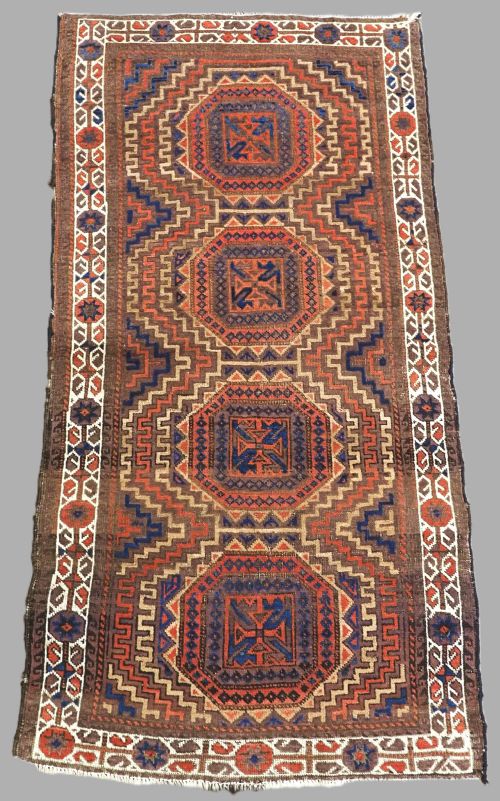
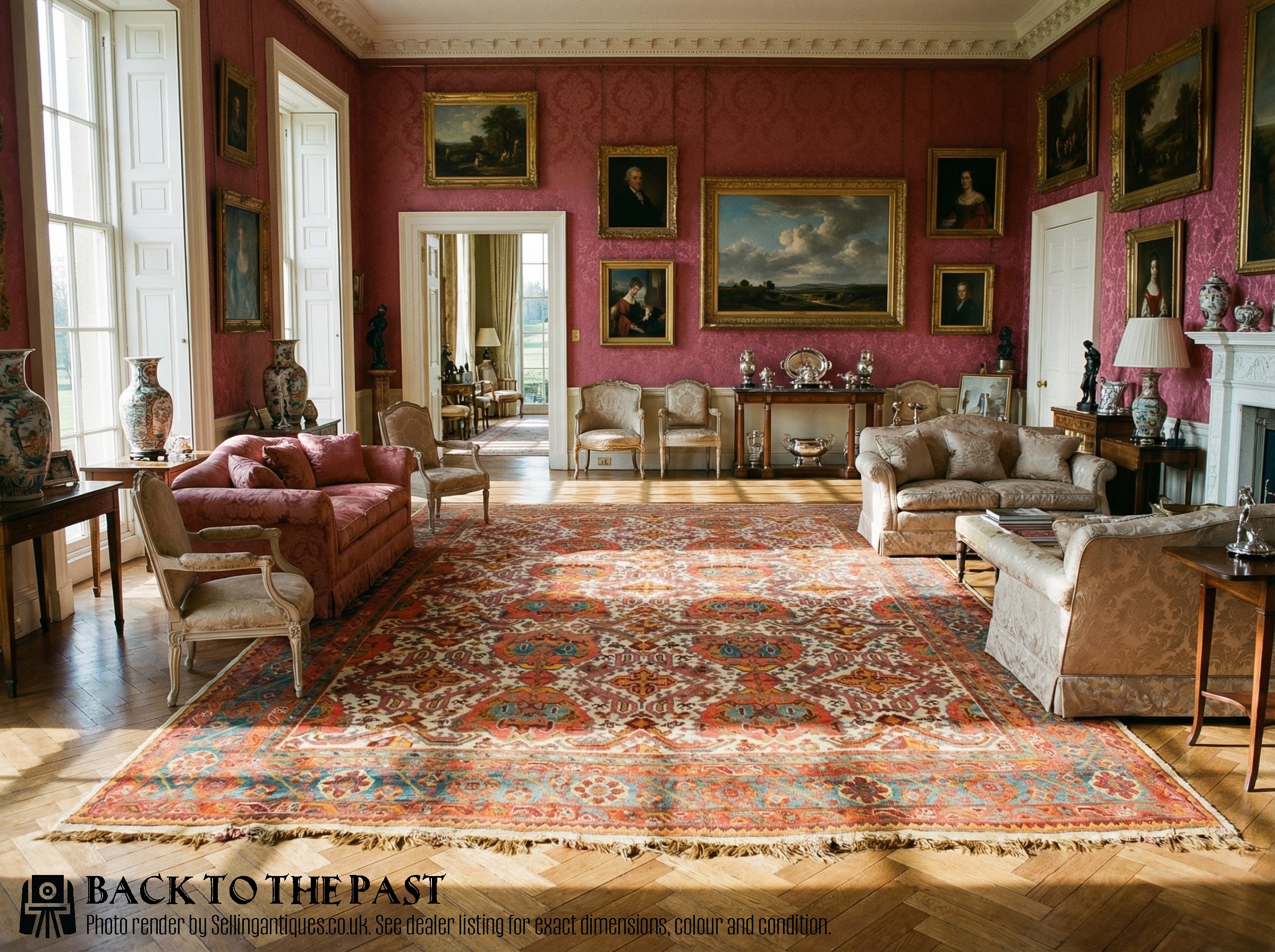
The inventory showcases substantial room-sized formats, including substantial Heriz, Oushak, Mahal, and Amritsar pieces that once suited country houses and formal reception rooms. These floor textiles display distinct weaving traditions tied to specific towns, villages, and tribal groups across the East.
Materials and construction
These floor coverings rely on durable wool pile knotted onto sturdy cotton foundations to withstand generations of foot traffic. Artisans utilised natural dyes derived from plants and minerals, creating deep reds, ivory grounds, and sky blue accents that mellow gracefully over decades.
Manual knotting techniques define the structural integrity of each textile, allowing weavers to execute complex geometric layouts or sweeping floral designs with precision. The density of the knots and the quality of the spun wool determine the weight and drape of the finished floor covering.
Large Oriental Carpet Retail Price Guide 2026
Typical asking prices for large oriental carpet among the pieces listed under this phrase on Sellingantiques today, from the lower quarter to the upper quarter. They describe what is for sale here now, not the wider market.
Judging execution and condition
Superior examples demonstrate meticulous knot density and precise symmetry within intricate medallion or field patterns. The complexity of the regional design, from bold Heriz geometry to delicate Kirman florals, dictates the visual impact of the piece.
Condition and pile retention play vital roles in overall merit, where even wear across a wool surface reflects honest age rather than structural failure. The harmony of the original dye palette and the crispness of the secondary borders separate exceptional specimens from standard workshop production.
Maple And Co·Haji Jalili
The Large Oriental Carpet Glossary
- Gul
- A repeating octagonal medallion or floral motif commonly found in tribal weaving traditions.
- Medallion
- A large central decorative ornament positioned symmetrically in the middle of the carpet field.
- Warp
- The vertical foundation threads stretched lengthwise on the loom before knotting begins.
- Weft
- The horizontal threads passed across the warp strands to secure each row of knots in place.
- Pile
- The upright cut ends of yarn that form the soft upper surface of the carpet.
Large Oriental Carpet: Frequently Asked Questions
How do I clean a large carpet?
Professional dusting and gentle surface washing preserve the natural wool fibres and prevent dye migration.
Harsh chemical treatments and aggressive scrubbing damage antique foundations and alter the original patina.
Where should I place these carpets?
Generous room-sized examples anchor major living spaces, dining rooms, and high-ceilinged reception halls effectively.
Positioning them away from direct, harsh sunlight prevents uneven fading of the natural botanical dyes.
How do I distinguish regional styles?
Heriz pieces display bold geometric medallions with angular corners, whereas Oushak specimens favour softer floral sprays.
Examining the specific knot structure, palette, and border motifs reveals the likely provenance of each textile.
What underlay should I use?
A breathable, high-friction mesh underlay prevents slipping and cushions the foundation against hard flooring.
Avoid rubber-backed pads that trap moisture and deteriorate against delicate wool and cotton fibres.