

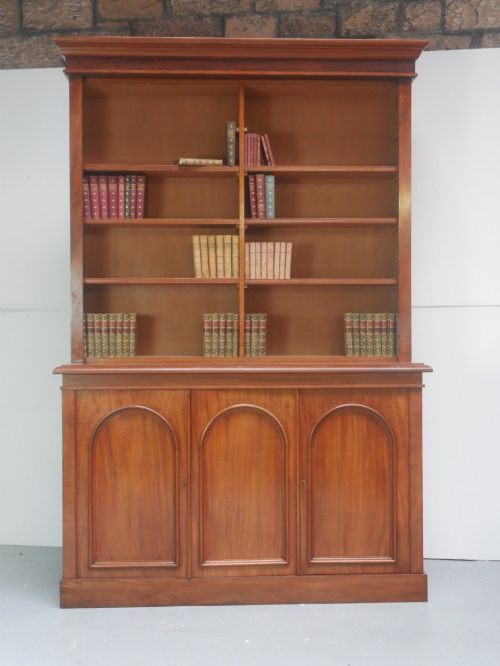
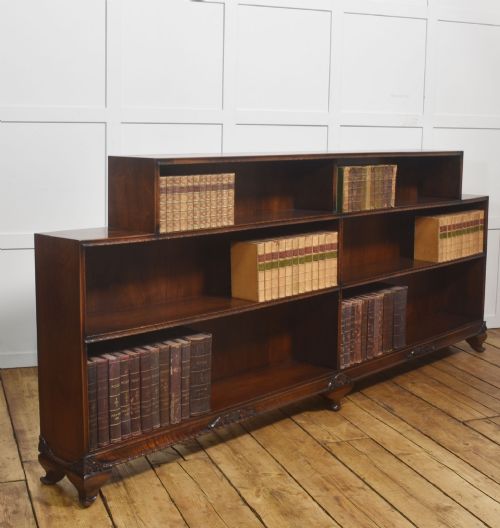
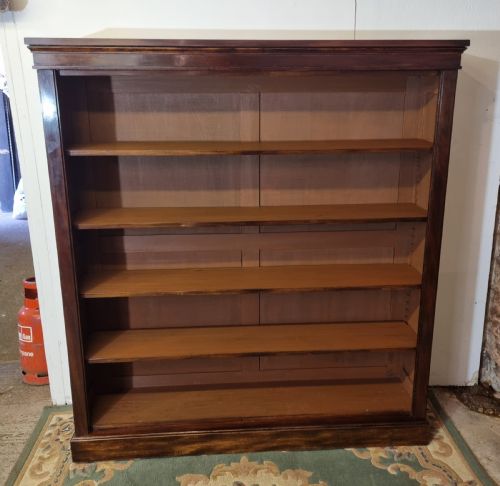
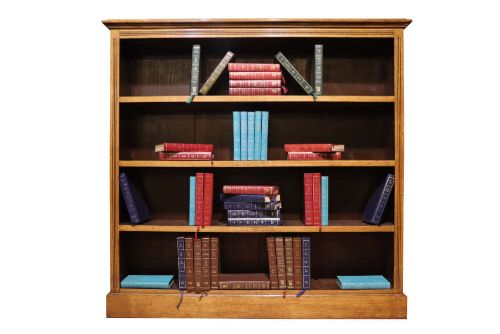
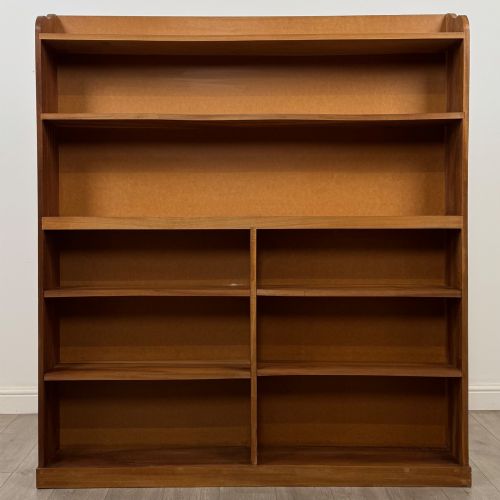
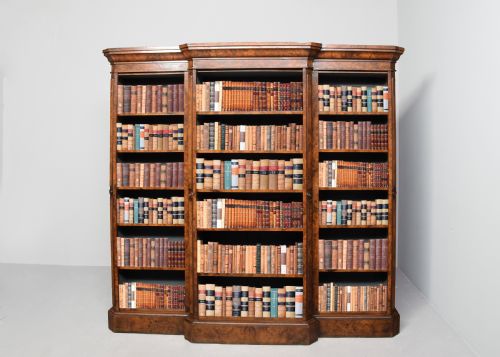
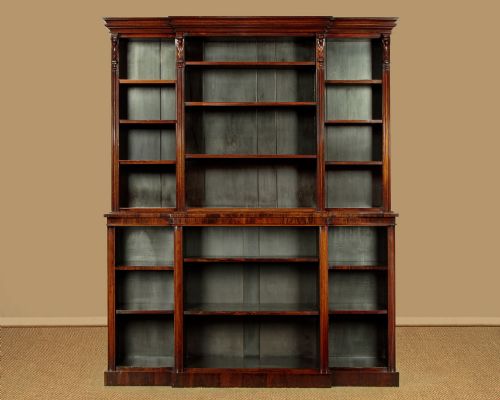
Large Open Bookcase
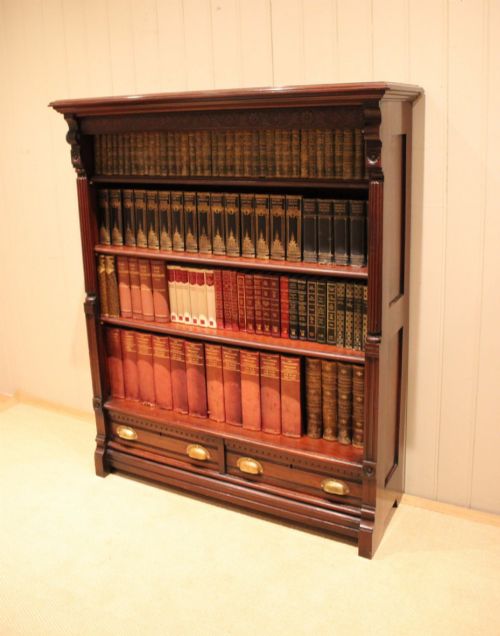
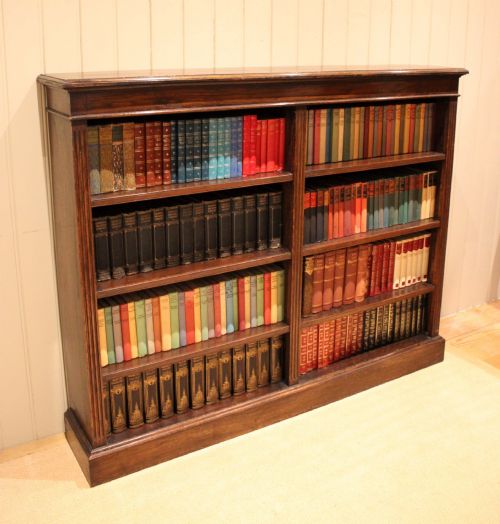
A large open bookcase organises extensive libraries with imposing architectural presence, offering immediate access to leather-bound volumes.
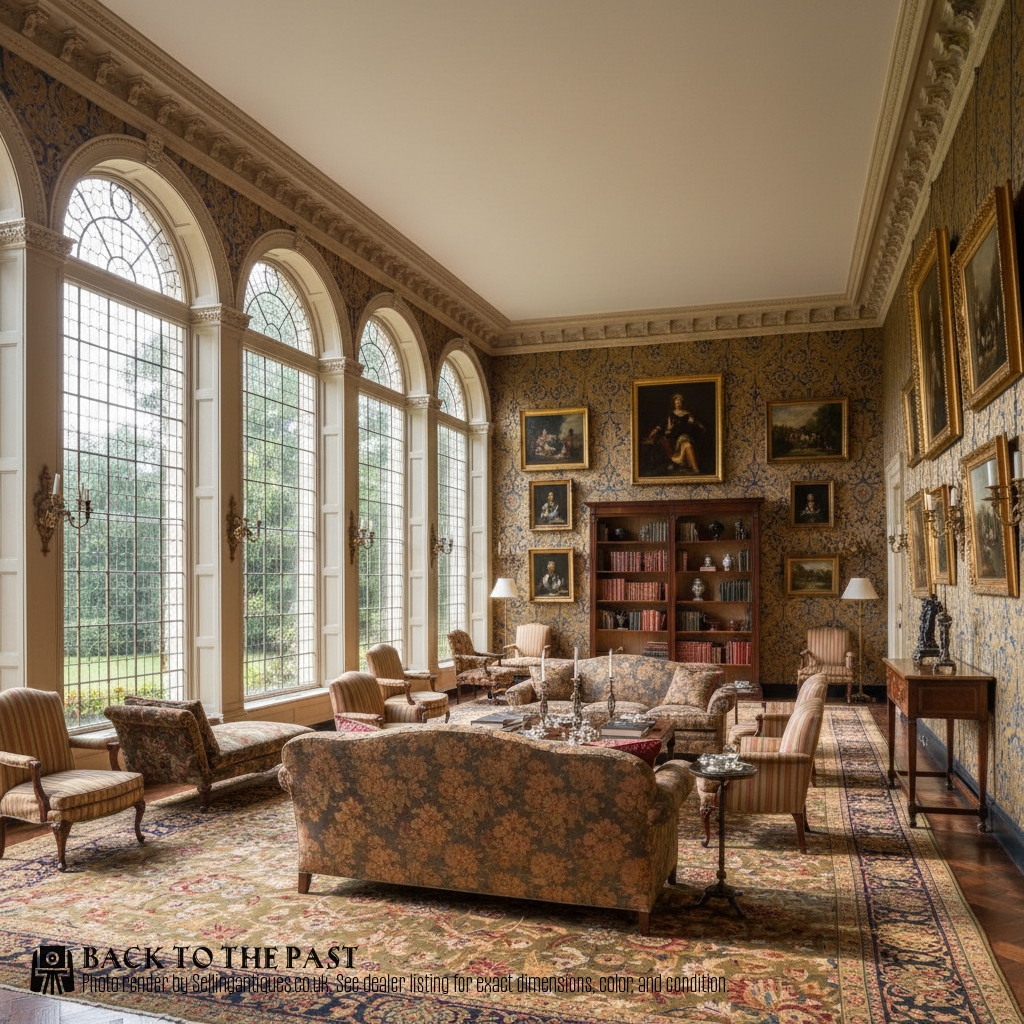
Large Open Bookcase
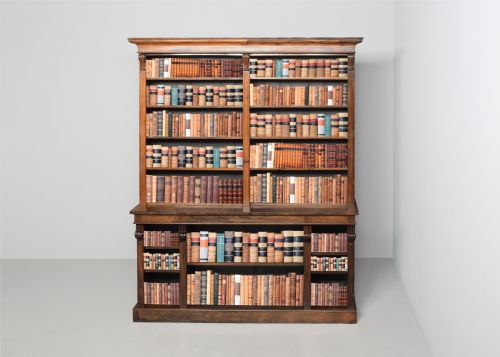
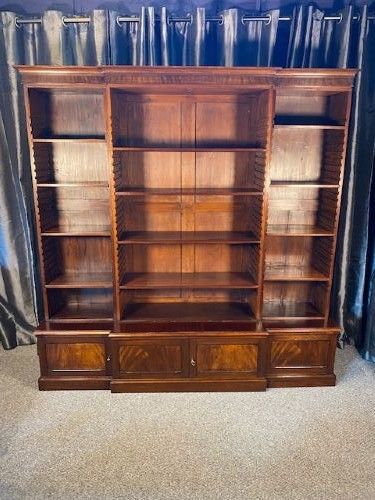
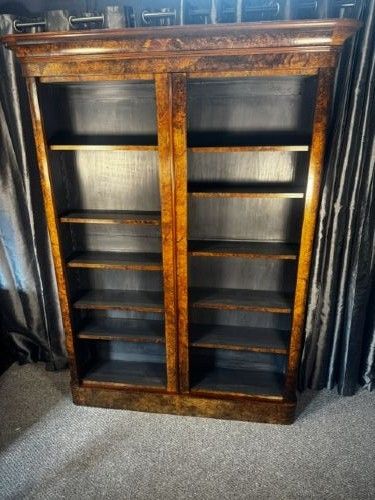
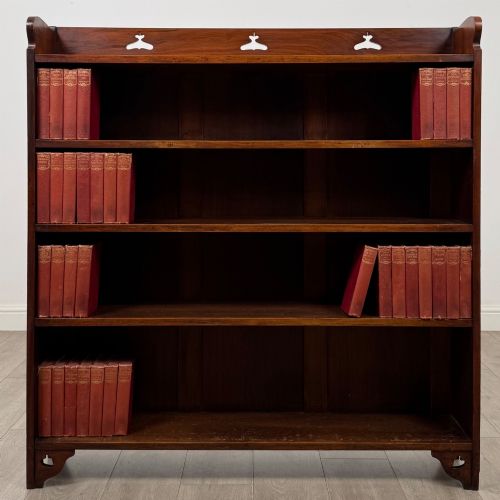
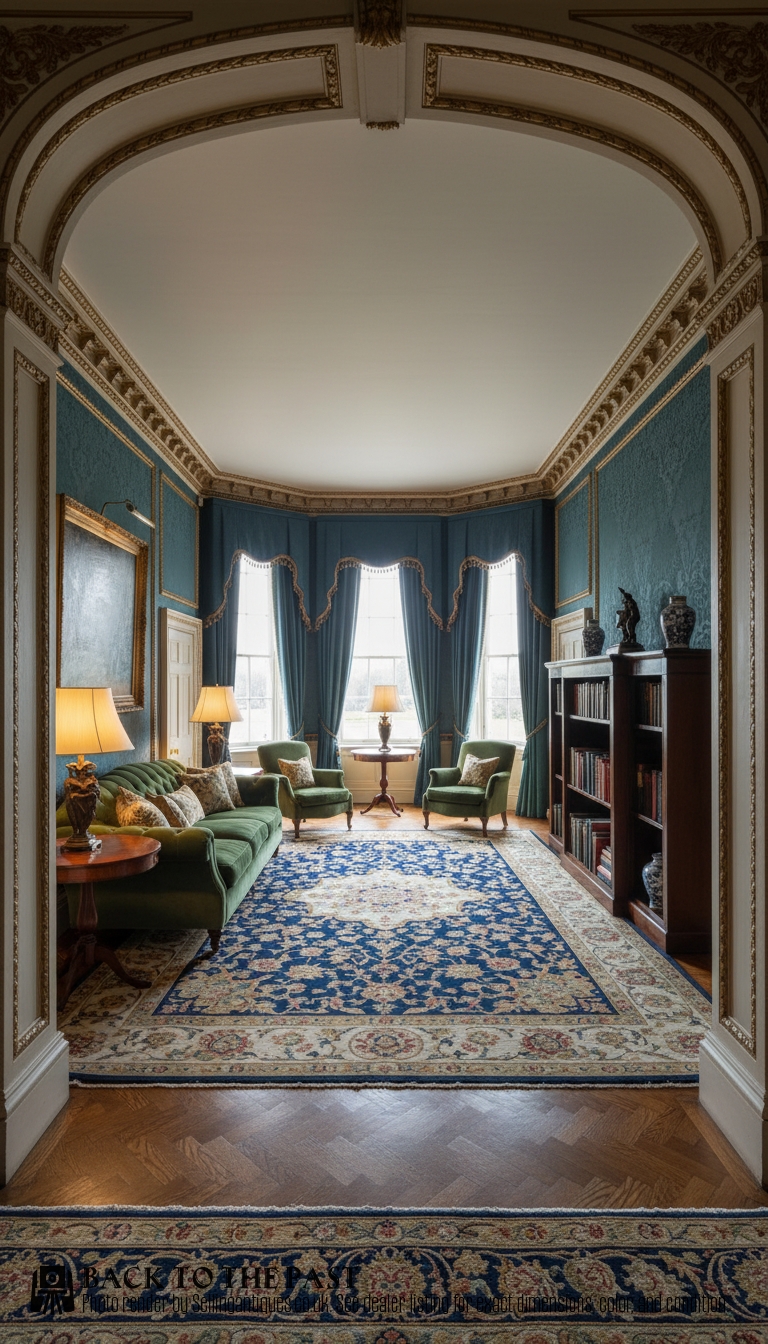
A large open bookcase provides substantial wall storage without doors, displaying entire private collections of books in domestic interiors or formal libraries. These pieces are most frequently encountered in nineteenth-century and Edwardian forms, spanning styles from austere rustic pine to grand breakfront library designs.
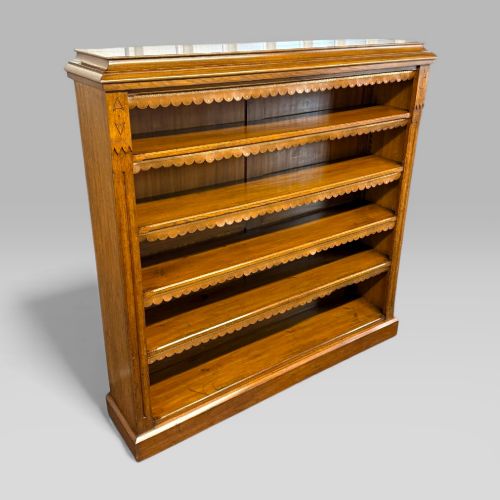
Makers constructed these large open bookcase items to hold heavy folios and octavos, incorporating adjustable shelving systems supported by wooden ratchets or brass tracks. The format ranges from simple single-bay shelving units to multi-section breakfront configurations adorned with carved mouldings or inlaid marquetry.
How they were made
Cabinet makers utilised dense hardwoods such as mahogany, oak, walnut and rosewood for structural integrity, often selecting figured veneers like burr walnut or flame mahogany for primary display surfaces. Secondary timbers like pine provided internal framing and backing boards.
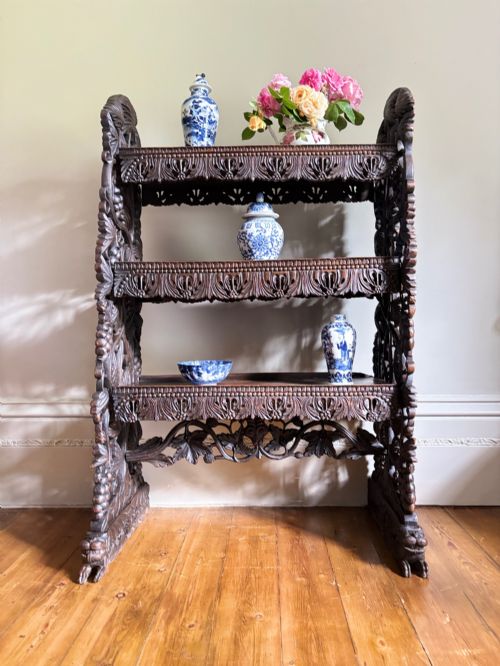
Construction involved traditional joinery methods, securing solid timber carcases with panelled backs to prevent racking under heavy shelf loads. Decorative treatments included hand-carved ornamentation, applied brass ormolu mounts, and polished wax finishes to highlight natural grain patterns.
Large Open Bookcase Retail Price Guide 2026
Typical asking prices for large open bookcase among the pieces listed under this phrase on Sellingantiques today, from the lower quarter to the upper quarter. They describe what is for sale here now, not the wider market.
Sir Charles Barry designed a maple bookcase for Kiddington Hall, proving even famous architects appreciated a good set of shelves.
What varies in quality
The architectural ambition of the design dictates the upper tier of the range, where breakfront configurations, break-forward cornices, and engaged columns distinguish bespoke library pieces from simple utilitarian shelving. Proportion, timber selection, and the presence of fine secondary veneers like birdseye maple or satinwood mark out superior workshops.
Execution of internal mechanics reveals workmanship, specifically the smooth operation of adjustable shelf mechanisms and the thickness of solid timber shelving designed to resist sagging. Original backboards, well-preserved patination, and restrained inlay work separate refined examples from later alterations.

S and H Jewell·Heals·Sir Charles Barry
The Large Open Bookcase Glossary
- Breakfront
- A piece of furniture whose central section projects forward from the flanking outer sections.
- Adjustable shelves
- Shelves resting on movable supports that allow the vertical spacing to be altered for different book heights.
- Ormolu
- Gilt-bronze mounts applied as decorative ornaments to the exterior of cabinet work.
- Aesthetic Movement
- A late nineteenth-century style emphasising artistic visual qualities and simplified forms over historical revivalism.
- Padauk
- A heavy tropical hardwood with a reddish hue utilised in overseas furniture production.
Large Open Bookcase: Frequently Asked Questions
Where should a large open bookcase go?
These imposing pieces require stable wall placement away from direct sunlight and dramatic temperature swings to protect dry bindings and aged timber carcases.
Positioning them in studies, libraries or spacious living rooms allows the architectural proportions to anchor the surrounding interior decoration.
How do adjustable shelves work?
Most period examples utilise vertical wooden slots, brass tracks, or pegged wooden supports inside the interior uprights to hold the shelf boards.
This system allows owners to alter shelf heights manually to accommodate varying sizes of books without damaging the interior veneer.
Are these bookcases entirely solid wood?
Primary visible surfaces frequently feature high-grade timber or decorative veneers applied to stable secondary woods, while backboards and internal elements often utilise pine.
This traditional construction method prevented warping across wide expanses while maintaining a uniform exterior appearance of solid mahogany, oak, or walnut.