

Antique Rosewood Shelves
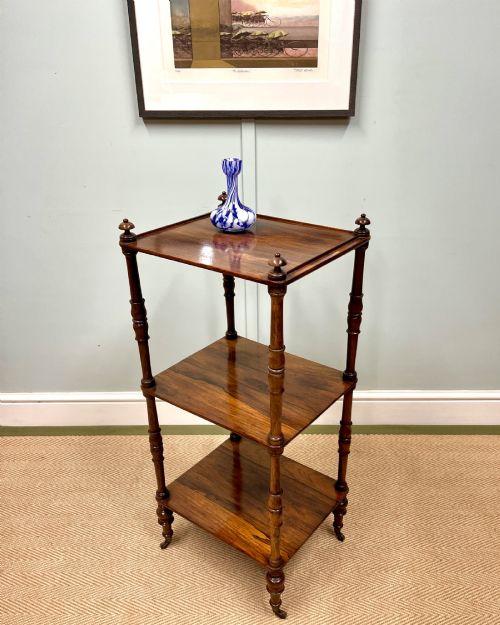
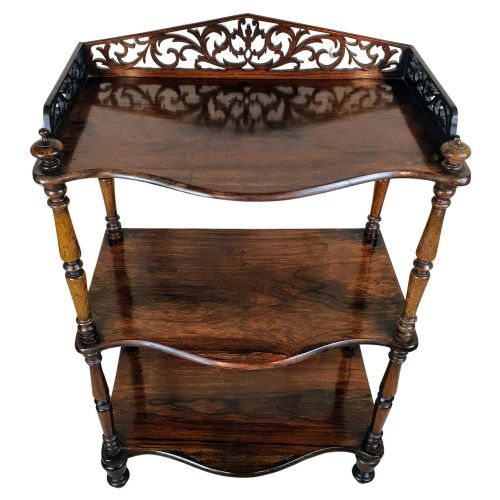
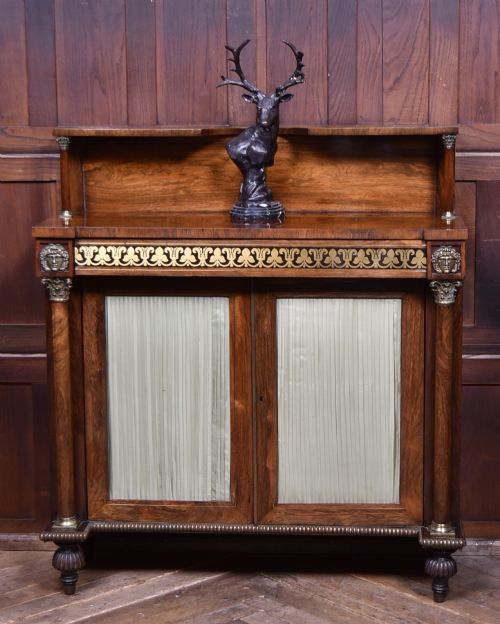
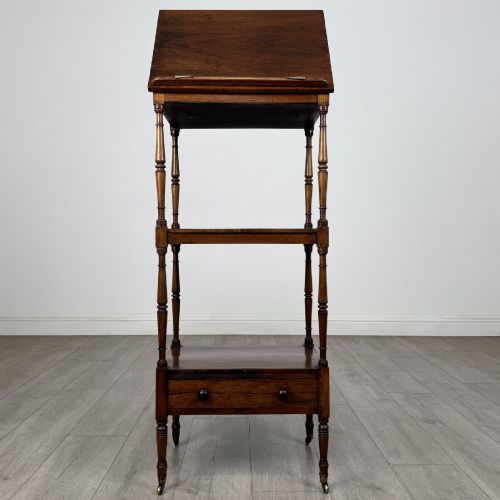
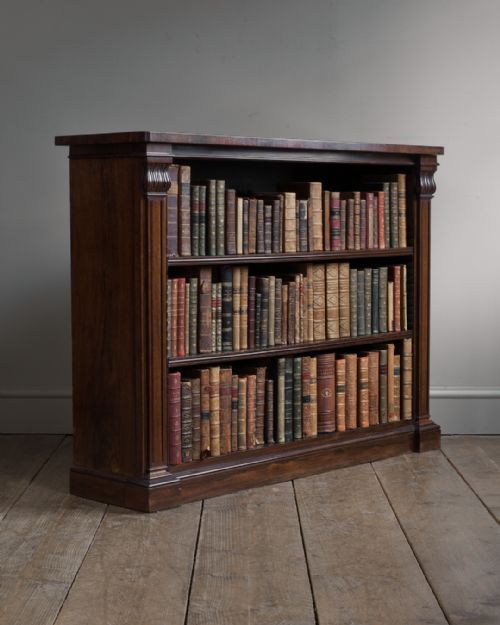
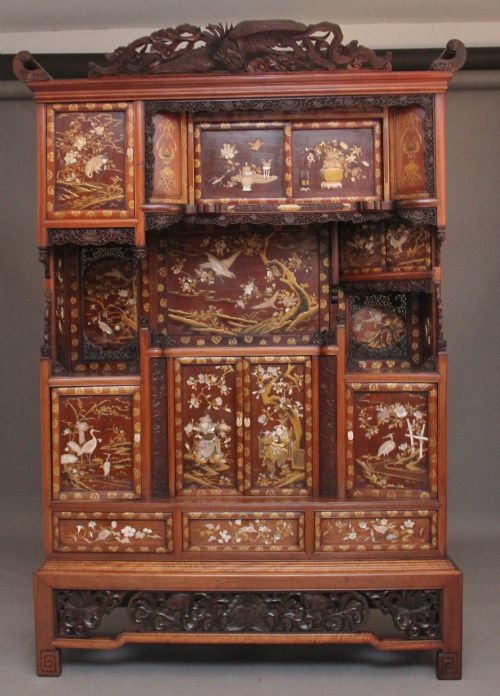
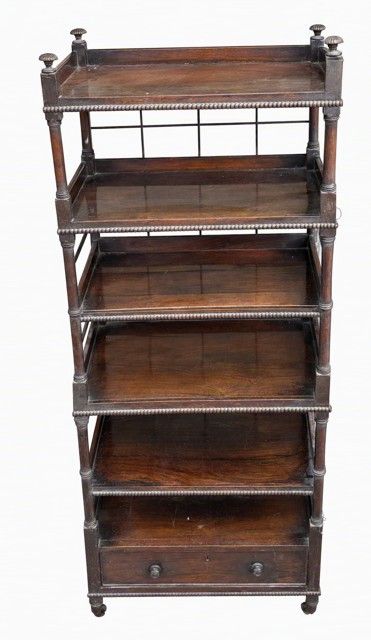
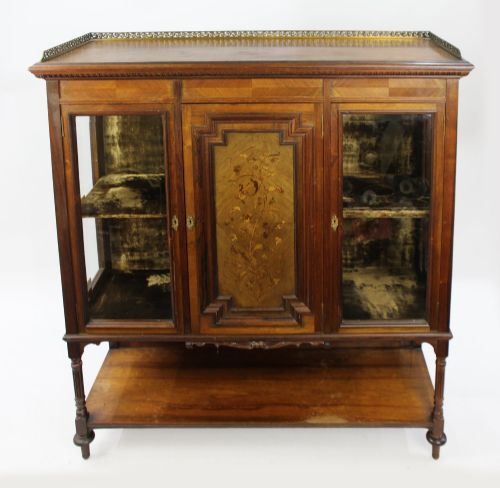
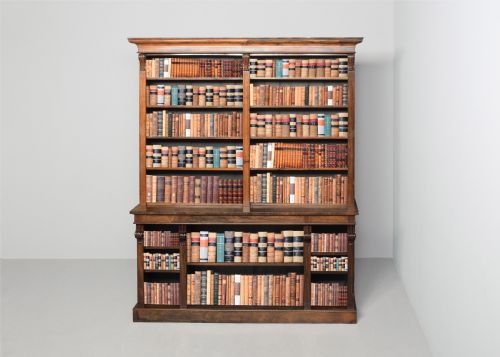
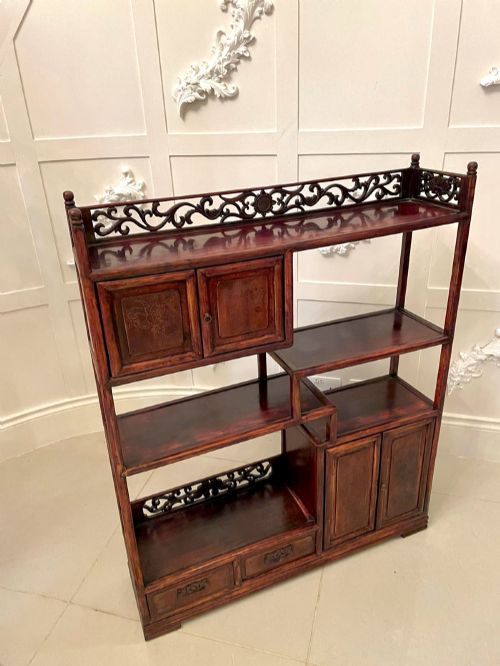
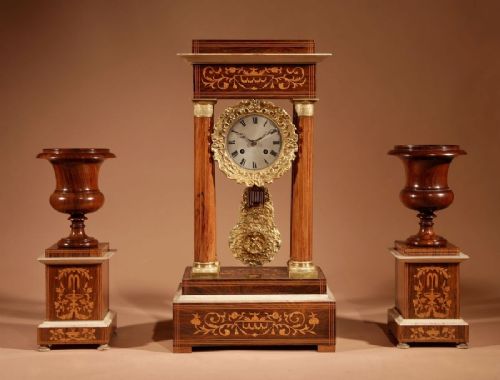
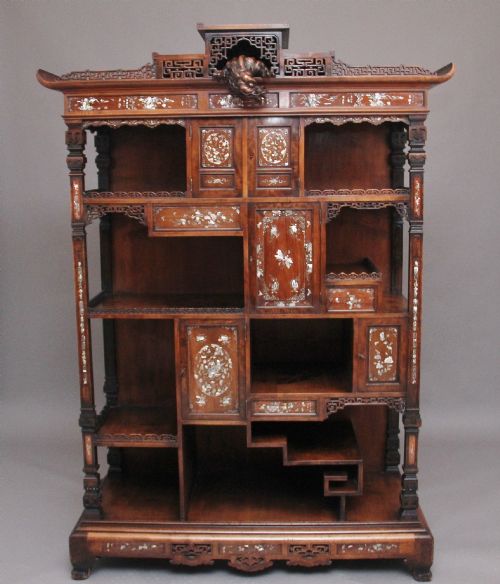
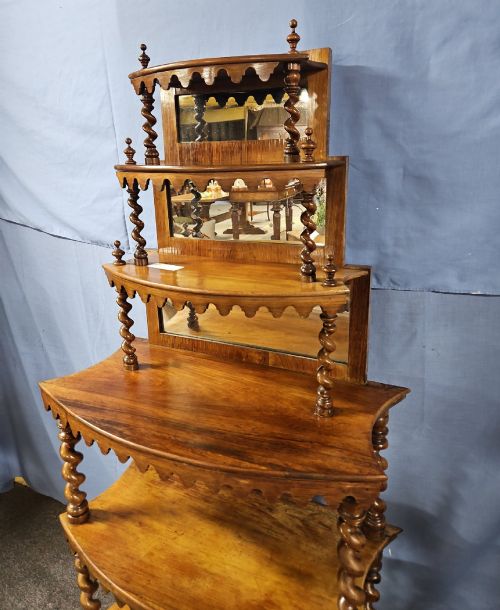
These antique rosewood shelves bring warm grain and polished architectural presence to a room, spanning open bookcases, tiered whatnots and fitted chiffoniers.
Antique Rosewood Shelves
When you search for antique rosewood shelves, you encounter pieces designed primarily to display books, porcelain and decorative objects within domestic interiors. The selection on this page relies heavily on nineteenth-century craftsmanship, drawing from Regency, William IV and Victorian eras.
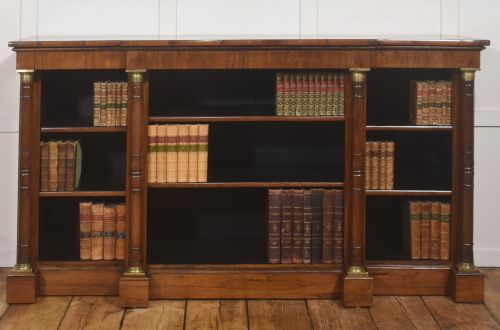
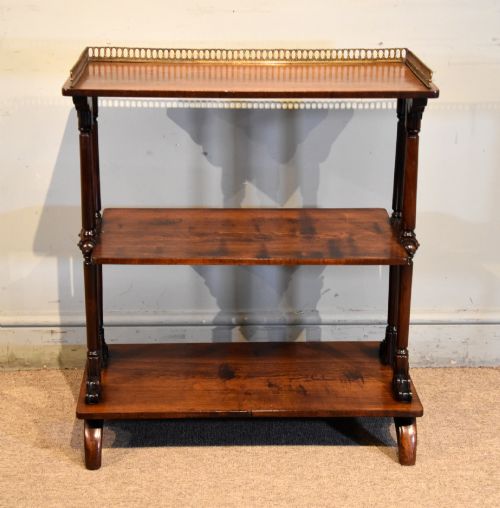
Open bookcases form the most frequent encounter among these listings, alongside multi-tiered whatnots and glazed display cabinets. These pieces range from modest hanging wall shelves to large breakfront bookcases intended for formal libraries and drawing rooms.
Origins stretch across English workshops, French cabinetry and Chinese production, utilising native dense timbers alongside traditional European forms. Pieces often integrate lower cupboards or marble tops, combining practical storage with elevated display surfaces.
Materials and construction methods
Cabinetmakers utilised rich rosewood veneers applied over secondary hardwood carcases, harnessing the timber's naturally oily grain and deep purple-brown tones. Brass inlay, ormolu mounts and glazed doors frequently accent the primary wood structure.
Interiors often incorporate adjustable shelving supported by brass ratchets or wooden bearers, reflecting the functional demands of private libraries. Backboards typically consist of panelled pine or secondary timbers, secured with traditional joinery.
Antique Rosewood Shelves Retail Price Guide 2026
Typical asking prices for rosewood shelves among the pieces listed under this phrase on Sellingantiques today, from the lower quarter to the upper quarter. They describe what is for sale here now, not the wider market.
Some nineteenth-century whatnots were cleverly designed to fold flat, proving that Victorian travelling decorators appreciated smart flat-pack convenience long before modern times.
Judging the standard of execution
Quality rests upon the crispness of brass inlay, the precision of mitred veneer joints and the stability of the structural frame. Superior examples demonstrate careful grain matching across prominent surfaces and robust tier supports.
Finer pieces incorporate thoughtful detailing such as turned columns, finely cast ormolu mounts and original hardware. The distinction between standard utility items and exceptional cabinetwork lies in the refinement of these secondary decorative elements.
Gillows·Robert Strahan·Seller of Reading
The Antique Rosewood Shelves Glossary
- Whatnot
- A freestanding piece of furniture featuring multiple open shelves tiered above one another, used for displaying ornaments and small objects. It typically dates from the Regency and Victorian periods.
- Chiffonier
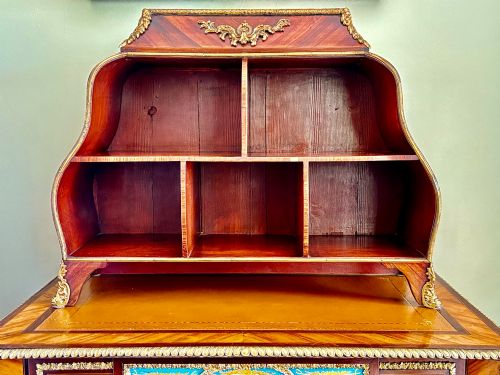
- A low cabinet distinct from a sideboard, frequently featuring shelving or a mirror superstructure above enclosed cupboard doors. These pieces often incorporate rich rosewood veneers and brass ornamentation.
- Ormolu
- Gilded bronze mounts applied to furniture for decorative enrichment, common in French-influenced cabinetwork. The technique involves applying a mercury-gold amalgam to a bronze base.
- Breakfront
- A piece of furniture whose central section projects forward from the flanking wings. This architectural arrangement creates depth and visual rhythm in large bookcases and cabinets.
- Etagere
- A set of open shelves for displaying small objects or books, often lightweight and portable. The term derives from the French for a stage or tier.
Antique Rosewood Shelves: Frequently Asked Questions
What is an étagère?
An étagère is a tiered piece of freestanding shelving designed specifically for displaying small decorative objects and books.
These pieces appeared frequently in drawing rooms and boudoirs during the nineteenth century, prized for their decorative versatility and light proportions.
How do I date a rosewood bookcase?
Dating relies on stylistic markers such as Regency brass inlay, heavy William IV columns, or slender Edwardian proportions. Secondary wood types and internal construction methods also provide clear indicators of period.
Examining the backboards, fixings and shelf adjustment mechanisms helps determine whether a piece belongs to the early nineteenth century or later revival styles.
Were these shelves used for books?
While open bookcases were indeed built for personal libraries, many shelving units served multiple domestic purposes. Whatnots and wall shelves held ceramics, tea wares and decorative ornaments rather than heavy volumes.
Adjustable shelving systems found in larger bookcases allowed owners to reconfigure space for varied collections of literature.
How do I care for rosewood?
Rosewood benefits from stable indoor humidity levels and protection from direct sunlight, which can fade the deep natural tones of the timber. Regular dusting with a soft, dry cloth preserves the polished surface.
Avoid commercial silicone polishes, opting instead for traditional wax formulations when the timber requires nourishment.