





Hanging Display Shelves
Hanging display shelves lift precious collections off the floor, bringing depth and character to bare walls.
Hanging Display Shelves
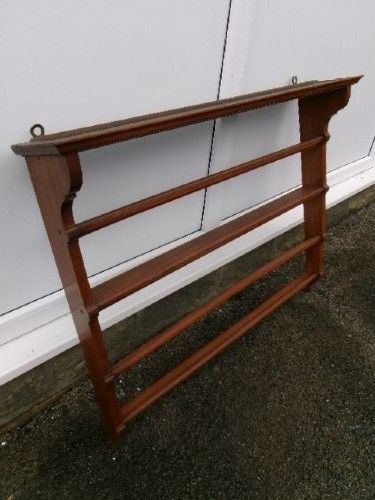
Hanging display shelves provide compact wall-mounted storage and exhibition space for ceramics, books, and decorative objects. When you search for hanging display shelves, you encounter various timber tiers and cabinets designed to utilise vertical room efficiently.
The pieces on this page span the 17th, 18th, 19th, and early 20th centuries, including Victorian, Georgian, Regency, and Edwardian examples. You regularly find mahogany, oak, and walnut structures, alongside painted wood variations and glazed cabinets.
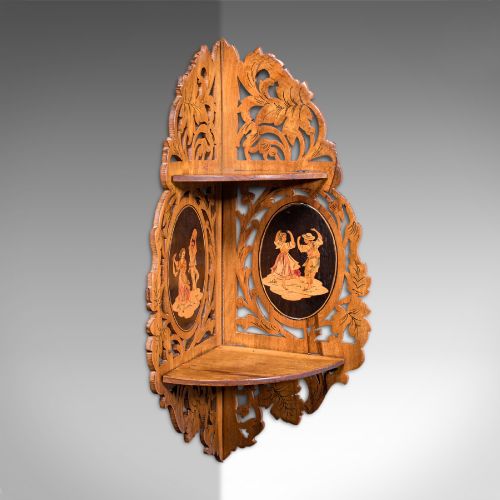
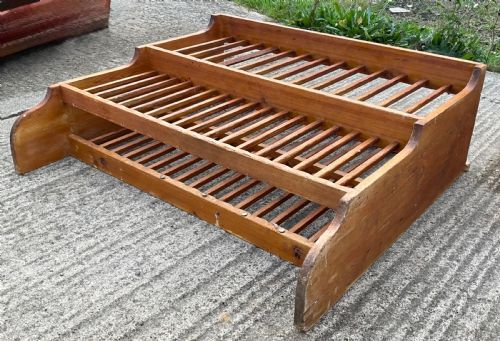
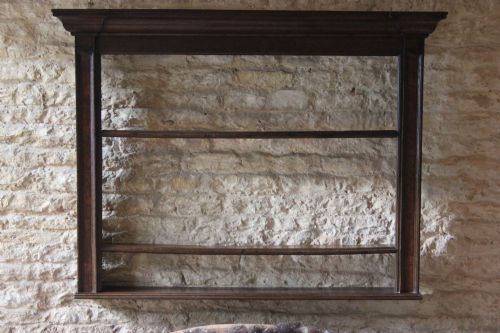
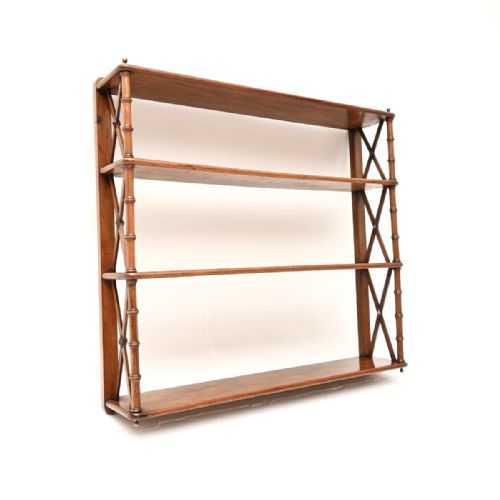
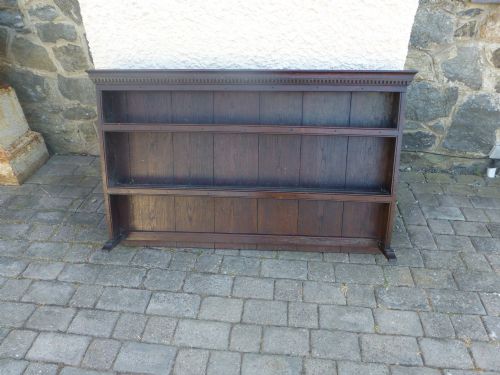
Common forms range from simple wall-mounted plate racks and open bookshelves to corner cabinets and elaborate étagères. These items serve both functional storage and decorative display purposes within domestic interiors.
Construction and Materials
Cabinetmakers constructed these shelves predominantly from hardwoods like mahogany, oak, and walnut, frequently incorporating brass fittings, iron supports, and glass doors. Timber selection dictated the weight and structural integrity required for wall mounting.
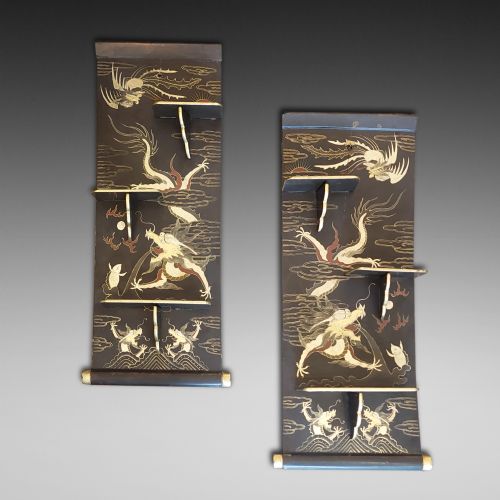
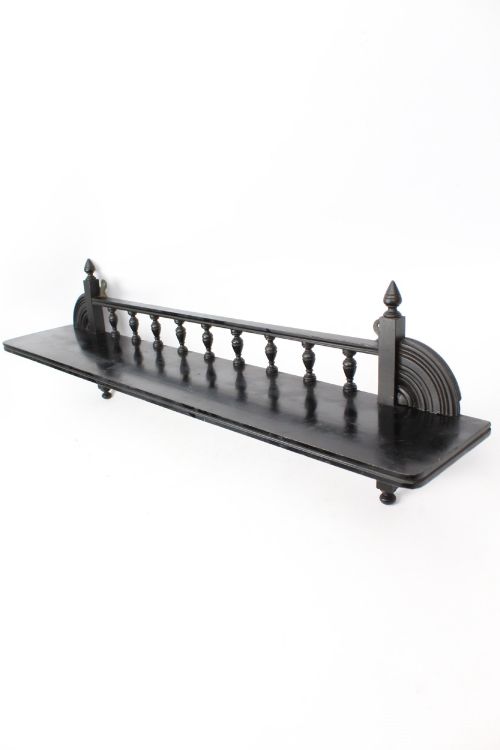
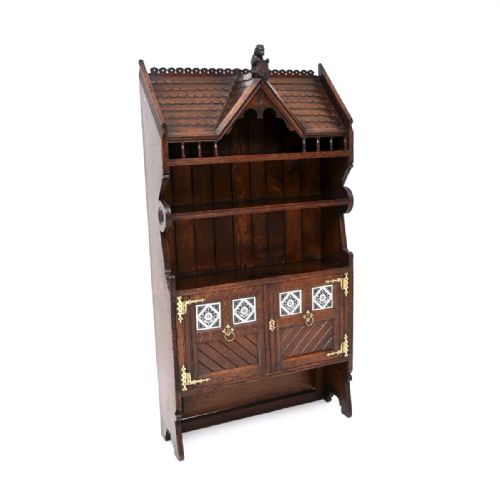
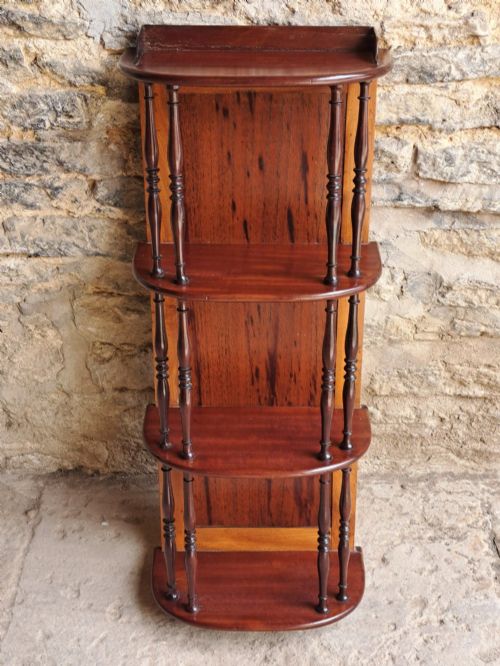
Surface treatments varied from polished natural grain finishes to painted wood, gilding, and intricate Sorrento inlaid olive wood. Certain pieces exhibit specialised regional techniques, such as French bobbin turnings or Gothic Revival ebonising.
Hanging Display Shelves Retail Price Guide 2026
Typical asking prices for hanging display shelves among the pieces listed under this phrase on Sellingantiques today, from the lower quarter to the upper quarter. They describe what is for sale here now, not the wider market.
Design styles represented include Georgian, Regency, Victorian, Edwardian, Aesthetic Movement, and French Rococo Revival.
Assessing Quality and Execution
Superior execution shows in the precision of the joinery and the selection of figured timber veneers, distinguishing fine cabinetwork from utilitarian carpentry. The integration of decorative elements like hand painting, carving, or delicate fretwork elevates the overall presence.
Proportion and structural balance determine how successfully a piece sits on the wall, particularly when laden with books or heavy ceramics. Original brass hardware and undisturbed patination contribute significantly to the standing of an antique piece.
George Edmund Street·John Moyr Smith
The Hanging Display Shelves Glossary
- Étagère
- A piece of furniture consisting of a set of open shelves for displaying small objects. French examples often incorporate elaborate painted and gilt details.
- Plate Rack
- A wooden wall fixture featuring grooved ledges designed specifically to hold plates upright. Eighteenth-century oak versions frequently accompany provincial dresser bases.
- Aesthetic Movement
- A late 19th-century design style emphasising visual beauty over narrative subject matter. Cabinets from this period often display ebonised finishes and artistic detail.
- Waterfall Shelves
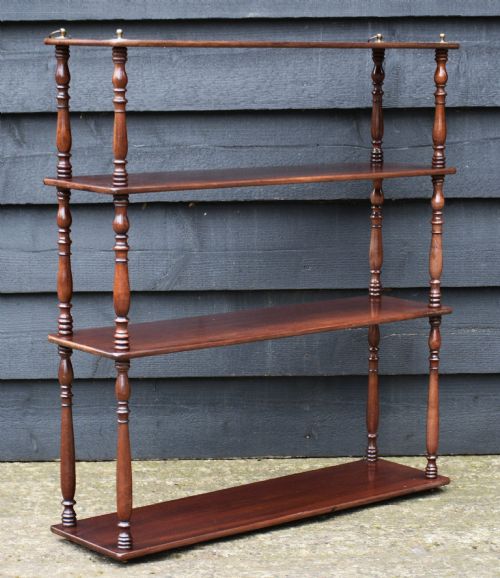
- Open tiers that step back progressively from top to bottom, creating a cascade profile. This style appears frequently in 19th-century mahogany and walnut pieces.
- Gothic Revival
- An architectural and decorative style drawing inspiration from medieval forms. Pieces often feature pointed arches, tracery, and heavy oak or ebonised construction.
Hanging Display Shelves: Frequently Asked Questions
Were these shelves made for books or plates?
Makers constructed these wall fixtures for multiple purposes, creating dedicated plate racks for kitchens and dining rooms alongside shallow bookcases for studies and parlours.
Many open wall shelves adapt easily between books, ceramics, and small ornaments depending on their depth and shelf spacing.
How do I date a set of mahogany shelves?
Georgian and Regency pieces tend to feature clean classical lines and dense, dark mahogany timbers with traditional hand-cut joinery. Victorian and Edwardian examples often introduce heavier mouldings, turned spindle galleries, or machine-assisted construction techniques.
Comparing the timber grain, backing boards, and fastening methods helps narrow down the manufacturing decade.
What is the difference between a wall cabinet and open shelves?
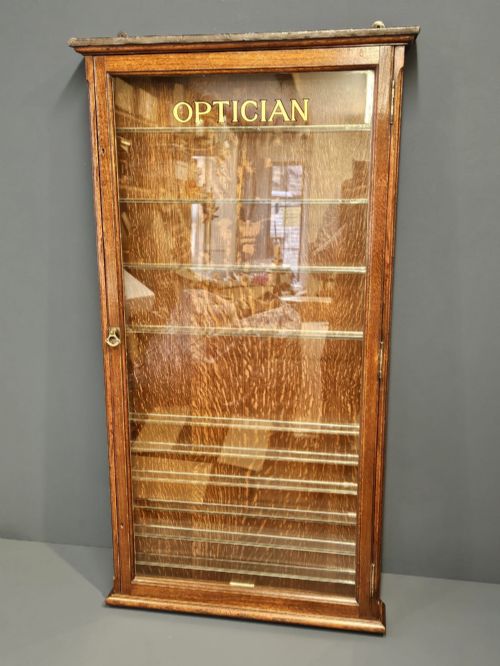
Open hanging shelves display items completely exposed to the room, making them ideal for frequently accessed books or decorative kitchenware. Wall cabinets incorporate glazed or solid doors to protect delicate contents from dust and handling.
Both forms utilise vertical wall space, but cabinets offer a more enclosed, formal appearance.