




Large Oil Landscape Scene
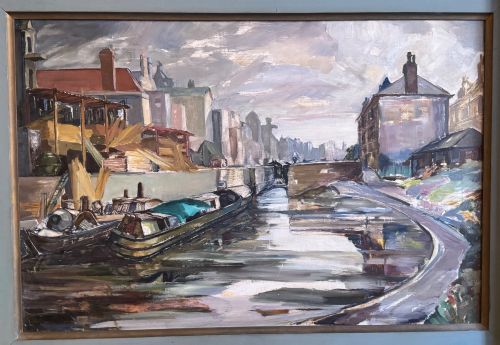
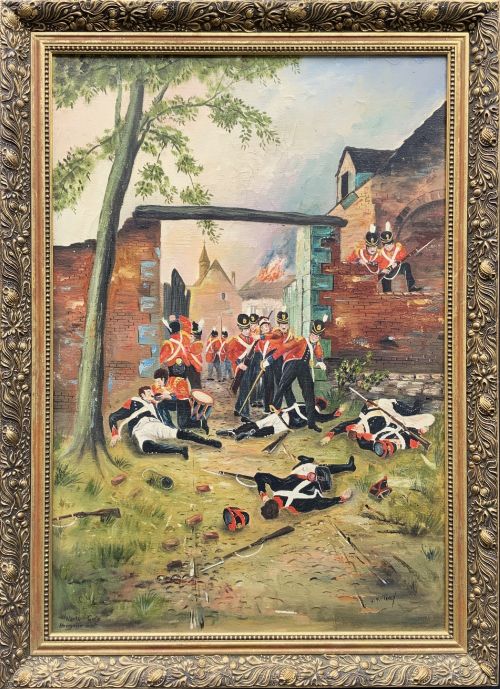
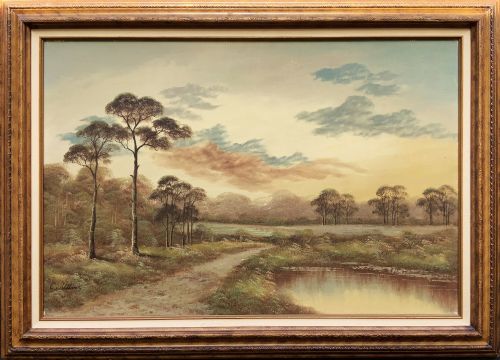
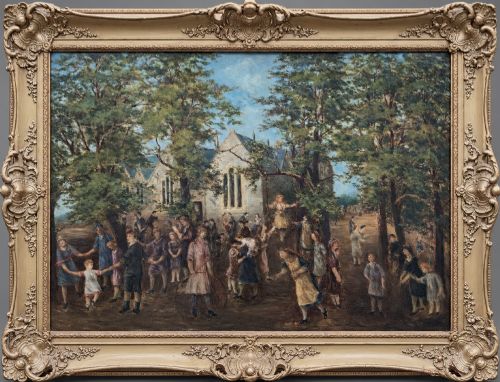
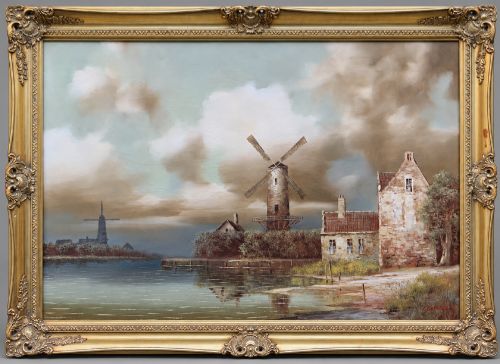
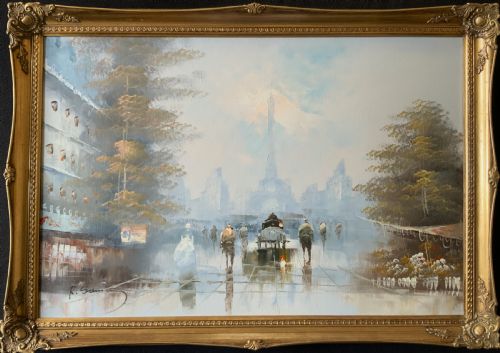
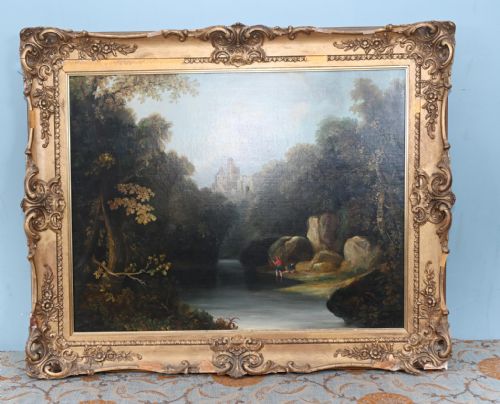
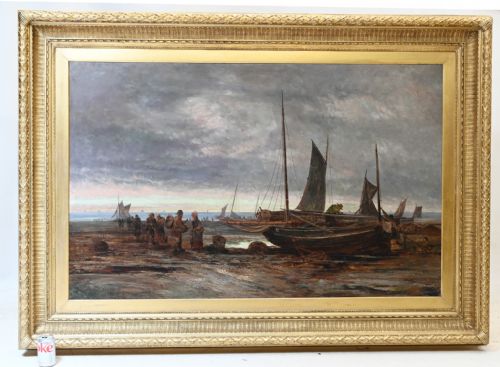
A large oil landscape scene brings the breadth of the countryside or coast directly into a room through generous scale and rich pigment.
Large Oil Landscape Scene
A large oil landscape scene captures vast rural, river, or coastal views on substantial expanses of canvas. These works span centuries of painting traditions, moving from traditional nineteenth-century pastoral views to mid-century impressionistic interpretations.
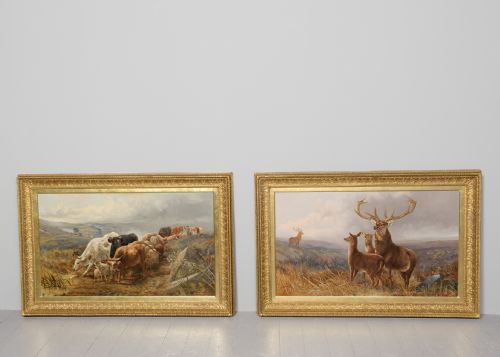
The compositions on this page frequently measure impressive dimensions, designed originally for prominent placement in country houses and substantial reception rooms. Buyers encounter works featuring mountainous alpine settings, Highland cattle, and tranquil river banks.
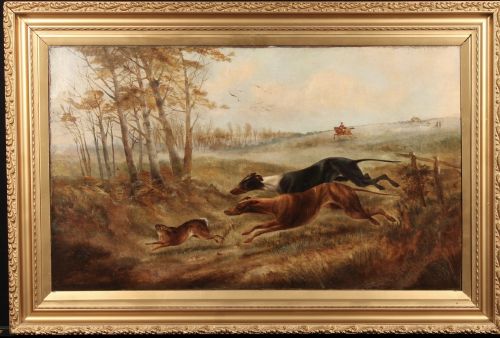
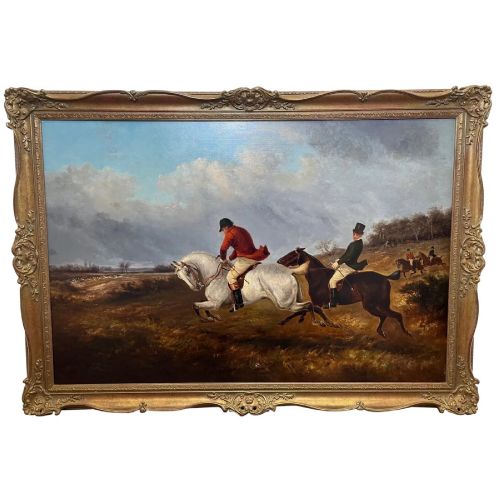
Victorian sporting art and pastoral studies sit alongside mid-century interpretations of cities and harbours. Each piece relies on oil paint to build depth, texture, and atmospheric light across the canvas.
Materials and technique
Artists built these works using oil paint applied to stretched canvas or wooden board, allowing for rich colour blending and layered application. The physical body of the paint creates visible brushwork and texture that catch ambient light.
Many canvases sit within substantial original frames constructed from wood, gesso, and giltwood. These frames provide structural support and architectural presence that complement the scale of the painted view.
Large Oil Landscape Scene Retail Price Guide 2026
Typical asking prices for large oil landscape scene among the pieces listed under this phrase on Sellingantiques today, from the lower quarter to the upper quarter. They describe what is for sale here now, not the wider market.
Canvases occasionally reveal hidden livestock tucked into distant pastures, rewarding close inspection with a quiet surprise.
What varies in quality
The distinction between works rests in the artist's handling of light, atmospheric perspective, and anatomical precision in figures or animals. Superior examples demonstrate confident brushwork that defines distance and weather without stiffness.
The condition of the canvas surface and the originality of the frame heavily influence the integrity of the piece. Period frames with intact gesso ornamentation add historical completeness to the artwork.
George Armfield·Richard Sebastian Bond·Thomas Smythe·Robert Cleminson·Thomas Sidney Cooper·Charles Vickers·George Morland·John Wright Oakes·Herbert Royle·Arthur Charles Dodd·Henri Schouten·Gudrun Sibbons·Gustave de Breanski·John W Morris·William Miller Frazer·Harry Pennell·Henry Sanders·Franz Reder-Broili·Benjamin Williams Leader·George Harrison·Pierre Peltier
The Large Oil Landscape Scene Glossary
- Oil on Canvas
- A traditional painting medium where pigments suspended in drying oils are applied to a woven fabric surface stretched across a wooden frame. This combination allows for rich colour depth and subtle tonal gradations.
- Giltwood
- Timber carved and coated with a thin layer of gold leaf or gold paint. It frequently appears on ornate frames surrounding large nineteenth-century canvases.
- Gesso
- A paint mixture consisting of a binder mixed with chalk, gypsum, or pigment used to prepare wood or canvas surfaces. It provides a smooth base for subsequent layers of gilding or paint.
- Pastoral
- A genre of art depicting rural life, shepherds, farm animals, and idealized country landscapes. These scenes emphasise tranquility and traditional agrarian existence.
- Impressionism
- A style of painting characterised by relatively small, thin, yet visible brush strokes and an emphasis on accurate depiction of light. Mid-century variations often loosen detail further to capture mood and atmosphere.
Large Oil Landscape Scene: Frequently Asked Questions
Where should I hang a large landscape?
These expansive paintings require a wall with sufficient width and height to let the composition breathe without overwhelming the room. Placing them above a substantial piece of furniture, such as a sideboard or sofa, anchors the visual weight.
Ensure the wall avoids direct, harsh sunlight to protect the oil pigments and gilt frames over time. Proper eye-level placement allows viewers to appreciate the fine brushwork and atmospheric depth of the scene.
How do I identify the period?
Examining the stretcher bars, canvas texture, and framing style often reveals clues about the age of the artwork. Nineteenth-century works typically display heavier brushwork, romantic lighting, and deep gesso frames.
Mid-century examples introduce looser application, brighter palettes, or board supports. Signatures, artist biographies, and recorded exhibition histories further anchor the exact decade of creation.
What subjects are most common?
Traditional rural views, farming landscapes, and river scenes dominate the earlier Victorian and eighteenth-century works. Animals frequently populate these compositions, including sheep, cattle, and hunting dogs in motion.
Later twentieth-century pieces often shift toward impressionistic coastal views, cityscapes, and open maritime waters. Each subject reflects the prevailing artistic fascination with nature and topography of its era.