

Giltwood Framed Landscape Art
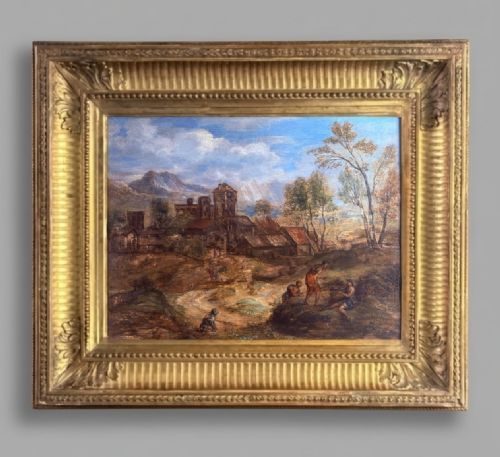
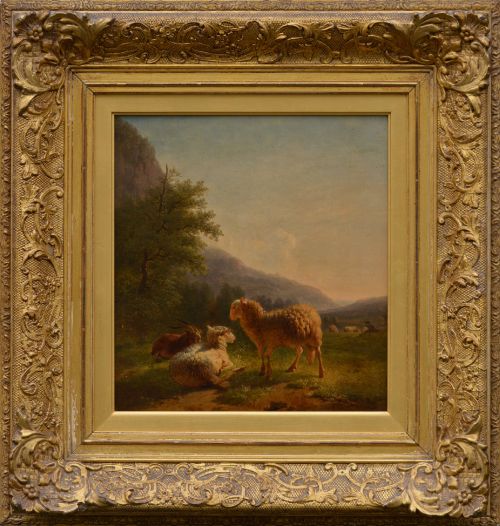
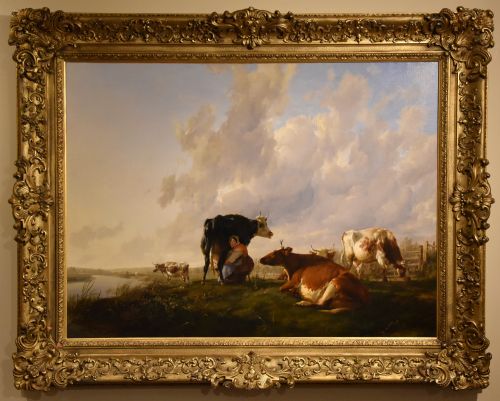
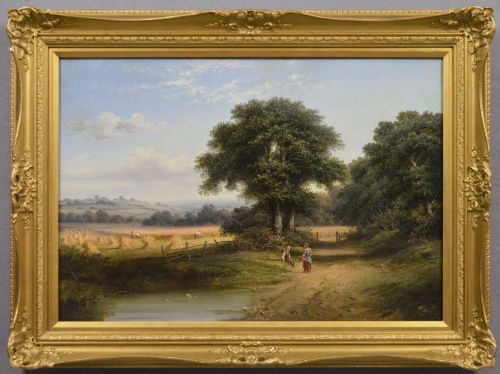
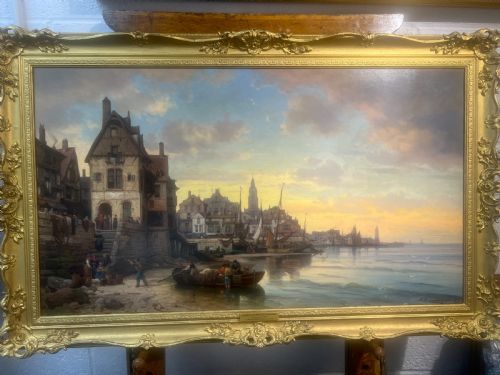
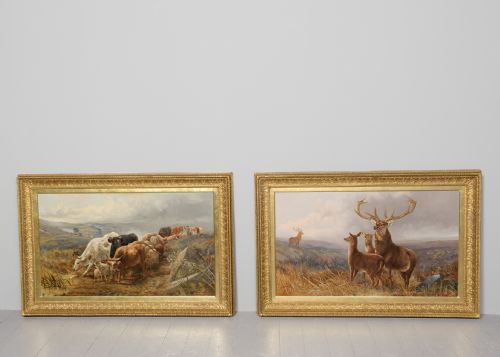
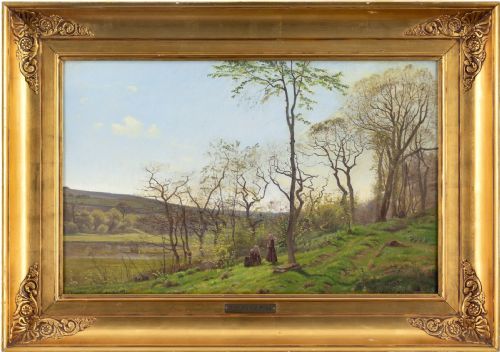
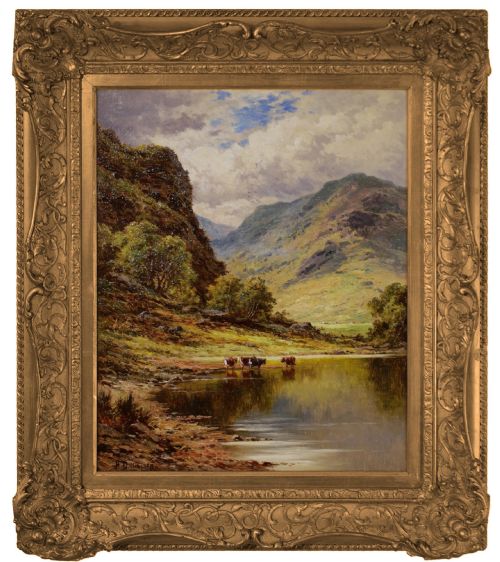
Giltwood framed landscape art unites detailed pastoral scenes with richly worked metallic frames from the eighteenth, nineteenth and twentieth centuries.
Giltwood Framed Landscape Art
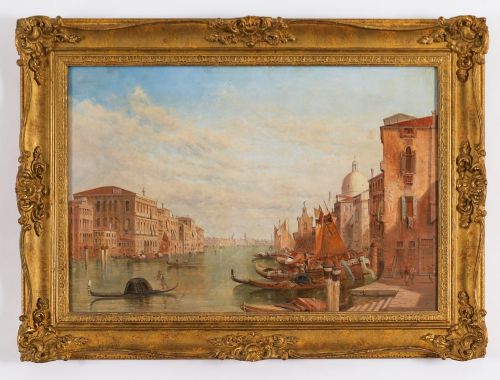
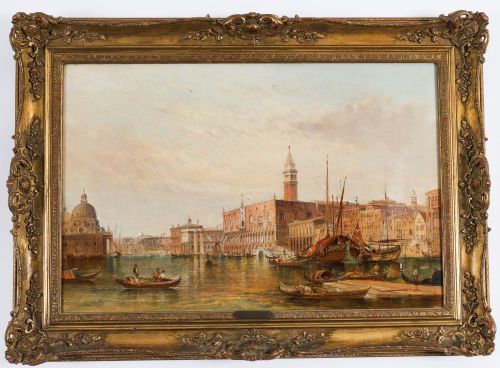
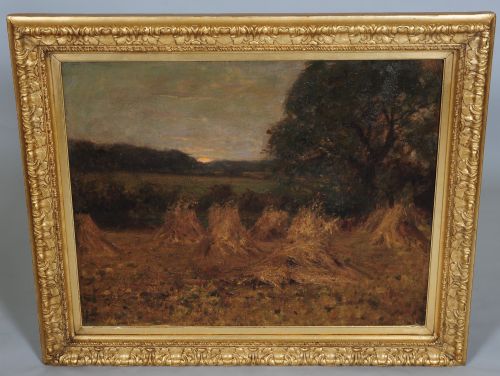
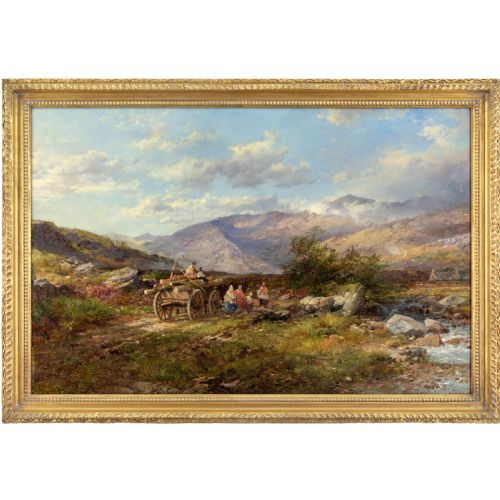
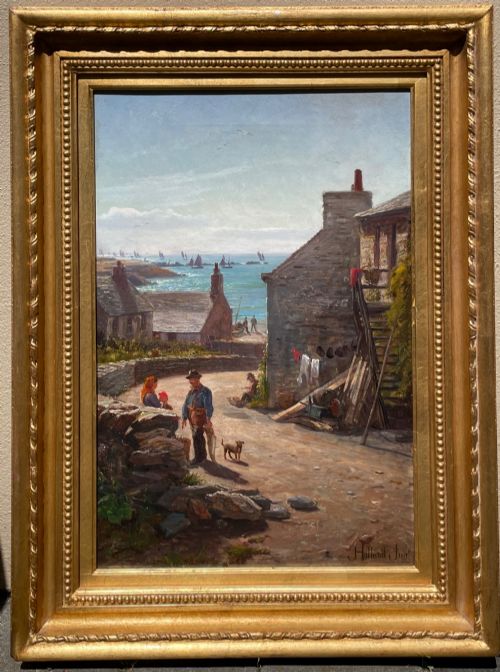
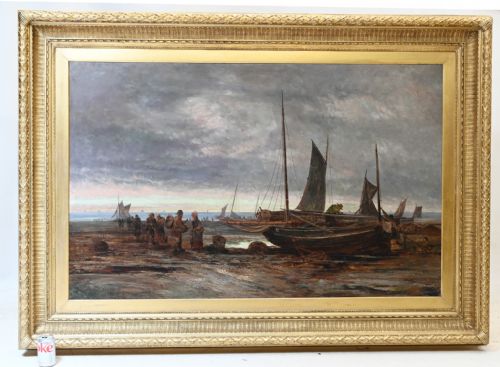
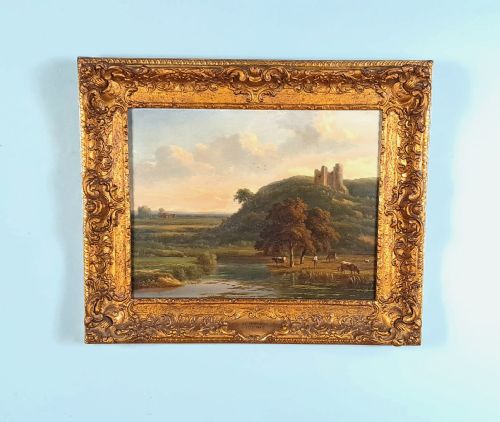
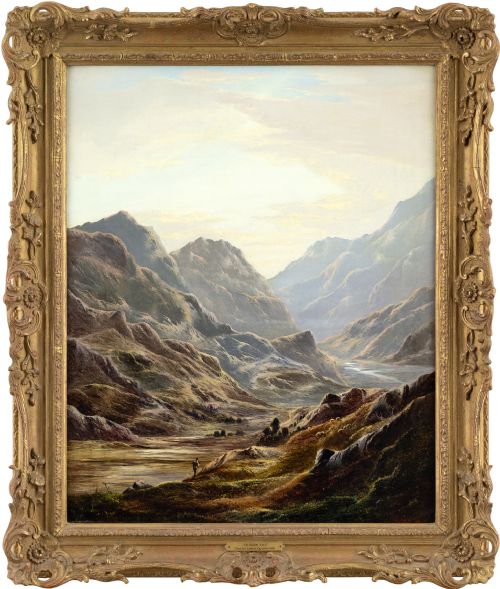
When you search for giltwood framed landscape art, you encounter oil paintings on canvas, board, and oak panel depicting rural views, coastal waters, and townscapes. These works span the eighteenth, nineteenth, and early twentieth centuries, capturing agricultural labour, pastoral tranquility, and dramatic topography.
The dominant pieces on this page are nineteenth-century oils created during the Victorian period, alongside select Georgian and later works. Alongside complete paintings, the selection includes antique picture frames designed specifically to house landscape canvases.
Makers and painters represented range from named nineteenth-century artists such as Thomas Sidney Cooper and Walter Heath Williams to broader regional schools like the French and Scottish traditions. The subjects cover mountain vistas, Dutch canals, harvest fields, and maritime scenes.
How they were made
The physical objects combine oil paint applied to woven canvas, wooden board, or oak panel with elaborate framing built from carved wood and moulded gesso. Artists worked with oil pigments to build depth in skies and foliage, while frame makers applied layers of gold leaf over prepared plaster and wood bases.
Moulded gesso details on the frames provide high-relief ornamentation that catches ambient light, complementing the painted illumination within the landscape composition. Canvas supports are typically stretched over wooden frames, while earlier panels utilise solid timber bases to hold the oil medium.
Giltwood Framed Landscape Art Retail Price Guide 2026
Typical asking prices for giltwood framed landscape art among the pieces listed under this phrase on Sellingantiques today, from the lower quarter to the upper quarter. They describe what is for sale here now, not the wider market.
The selection includes regional British scenes, Dutch townscapes, maritime views, and idealized Italianate compositions by named European artists.
What varies in quality
Quality in giltwood framed landscape art rests upon the nuance of the brushwork, the depth of the painted perspective, and the integrity of the original gilding. Master painters render light, atmosphere, and human or animal figures with anatomical and spatial precision, whereas lesser works rely on repetitive formulae.
The quality of the frame is equally decisive, with hand-carved wooden mouldings and crisp gesso ornamentation distinguishing superior pieces from simpler, flatter surrounds. The harmonious relationship between the canvas and its specific frame indicates whether the pairing is original or a later assembly.
Eugène Verboeckhoven·Benjamin Barker of Bath·Walter Heath Williams·Thomas Sidney Cooper·Harald Foss·Henry H. Parker·Charles Euphraisie Kuasseg·Robert Cleminson·Charles Leslie·T C Hofland·John Holland·George Morland·Pieter Cornelis Dommersen·Philipp Peter Roos·James Mallard Bromley·John Hamilton Mortimer·Claude Lorrain·Henry John Boddington·Cornelis Christian Dommersen·Johannes Philippus Galjaard·Frederick Waters Watts·Percival Glenfern·William Pitt·Roger de la Corbiere·Joseph Farquharson
The Giltwood Framed Landscape Art Glossary
- Giltwood
- Wood that has been coated with gold leaf or gold paint. This finish creates a reflective, luminous border that isolates the painted landscape from the surrounding room.
- Gesso
- A plaster mixture applied to a wooden frame base before gilding. It provides a smooth, sculptable surface for intricate decorative mouldings.
- Oil on Canvas
- Pigments suspended in a drying oil applied to a woven fabric support. This technique allows for subtle blending and rich textural variations in landscape rendering.
- Oak Panel
- A rigid wooden support used for early paintings. Panels offer a stable surface that prevents the cracking often found on aged fabric canvases.
- Pastoral
- A style of fine art depicting rural life, shepherds, and idealized agricultural scenes. These compositions emphasise harmonious coexistence between humans and nature.
Giltwood Framed Landscape Art: Frequently Asked Questions
How do I date a landscape painting?
Dating relies on stylistic clues within the brushwork, the costume of any figures depicted, and the construction methods of the stretcher or panel. Costume details and artistic movements often provide a reliable decade for the work's creation.
The frame can also offer chronological evidence, as moulding profiles and gesso techniques shifted across the Georgian and Victorian eras. Comparing the canvas preparation to known historical standards helps confirm the period.
Are the frames original to the paintings?
Many giltwood frames are original to their paintings, having been paired with the canvas since its creation. Original frames complement the scale and aesthetic of the specific landscape.
Some pieces have been united with period-appropriate frames at a later date to replace damaged originals. Examining the fit at the rabbet helps determine if the pairing is contemporary to the art.
What is an Italianate landscape?
An Italianate landscape is a composition inspired by the golden light, classical ruins, and rolling topography of the Italian countryside. British and European artists frequently painted these idealized scenes after travels abroad.
These works often feature classical architecture, warm atmospheric hazes, and serene pastoral figures. The style remained popular across the eighteenth and nineteenth centuries.
How should I care for giltwood frames?
Giltwood frames require a stable indoor environment away from direct sunlight, excessive heat, and moisture fluctuations. These factors can cause the underlying gesso and gold leaf to crack or flake.
Dust the carved surfaces gently with a soft, dry brush rather than using wet cloths or chemical cleaning agents. Preserving the delicate metallic surface protects the historical integrity of the piece.