
Large Oil Canvas Painting
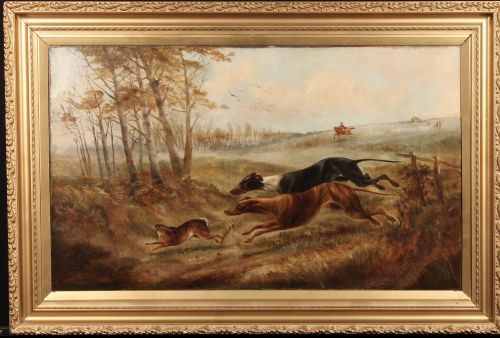
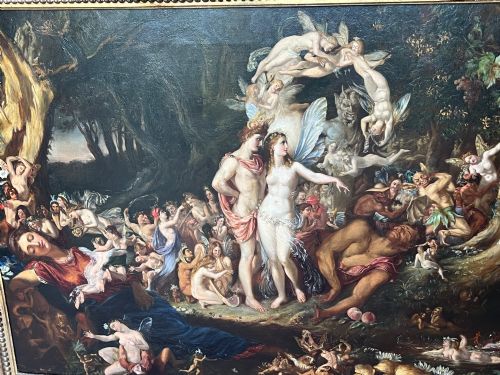
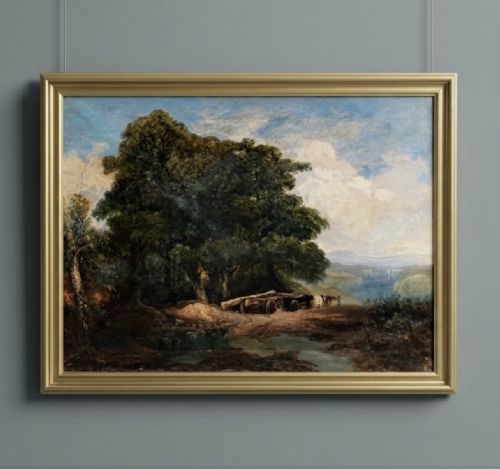
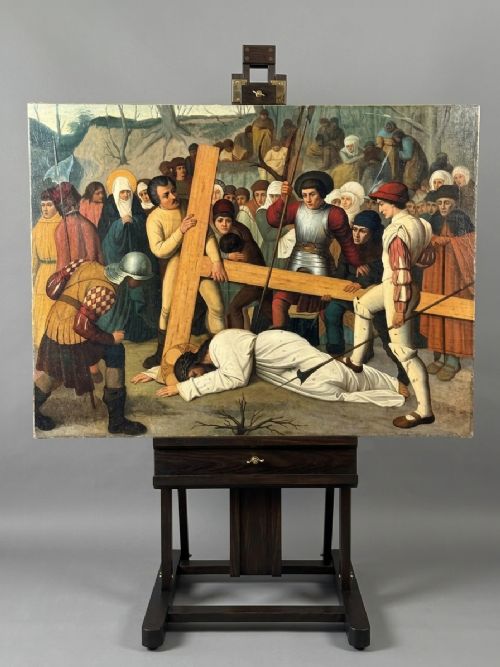
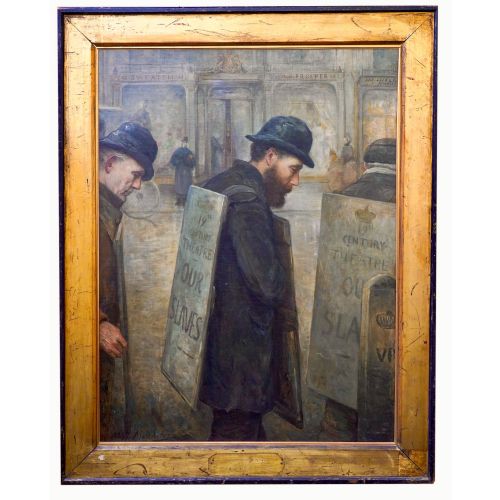
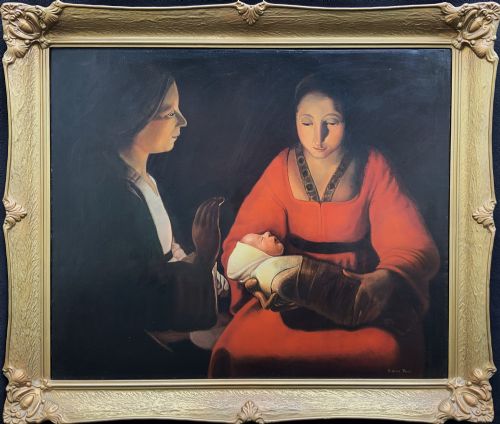
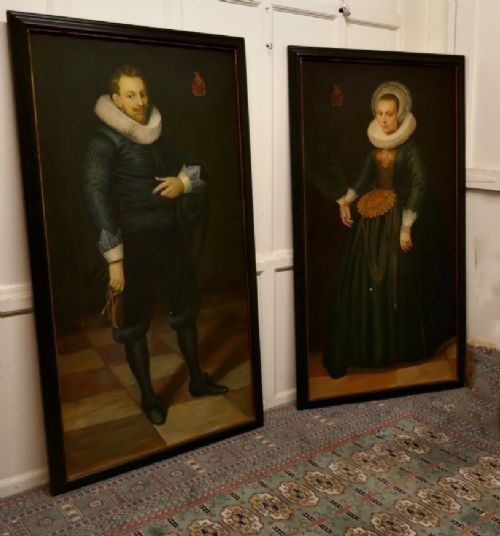
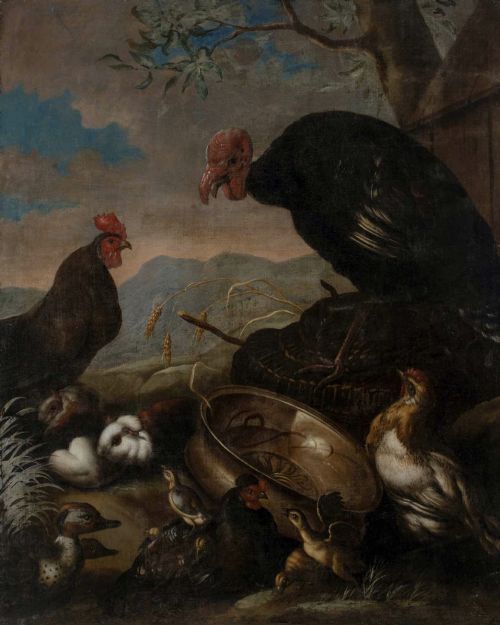
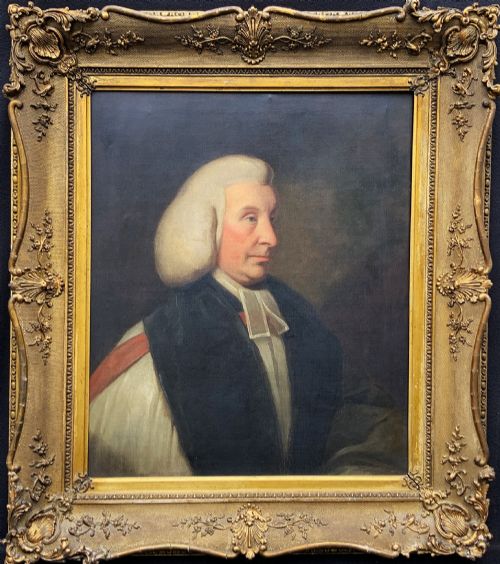
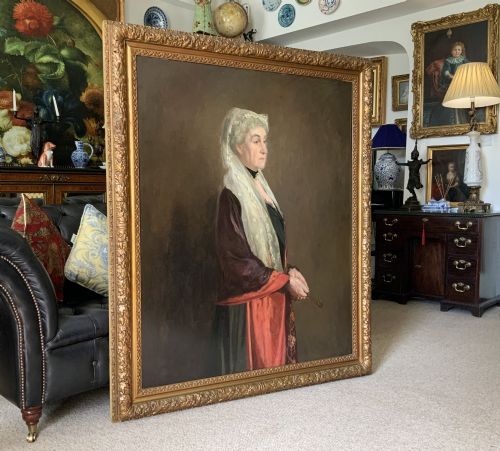
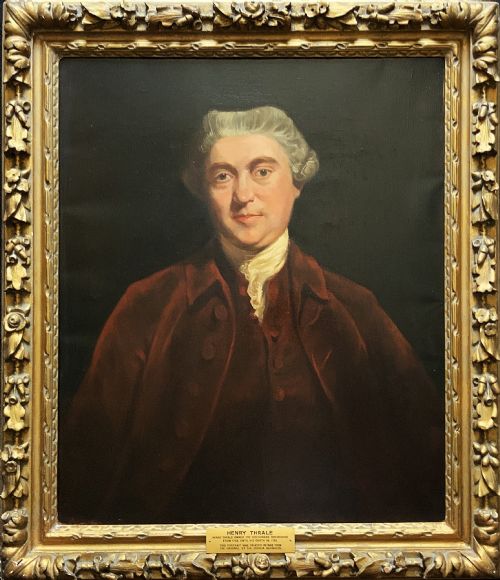
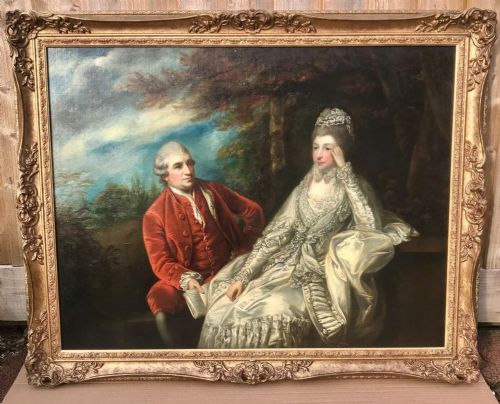
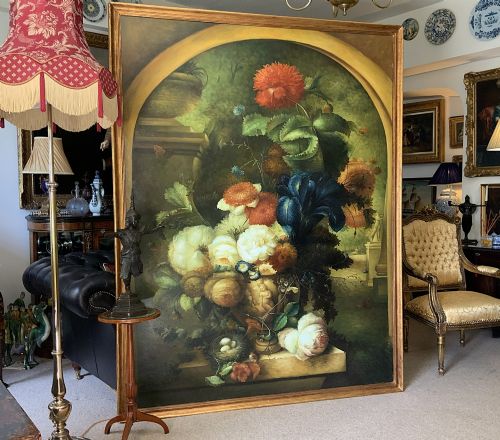
A large oil canvas painting anchors a room with scale and history, bringing the deep pigments and varied brushwork of past centuries straight to your wall.
Large Oil Canvas Painting
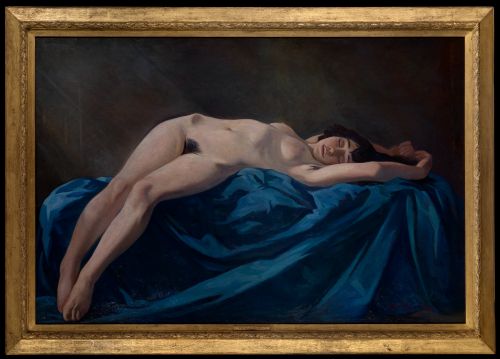
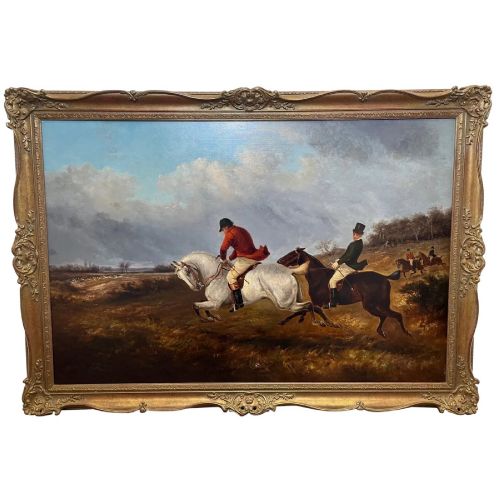
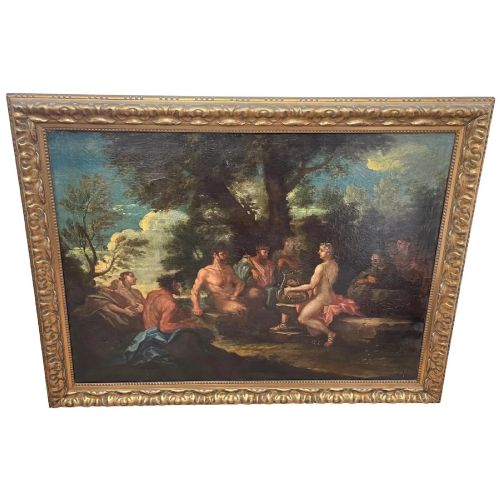
When you search for a large oil canvas painting, you encounter substantial works spanning centuries of artistic tradition, from formal 18th-century portraits to moody 19th-century landscapes and mid-century compositions.
The pieces on this page frequently present grand subjects such as mythological scenes, historical narratives, floral still lifes, and sweeping coastal views housed in heavy decorative frames.
Originating from British, Dutch, Italian, and wider continental schools, these works range from intimate domestic portraiture to monumental canvases intended for stately interiors.
How They Were Made
Makers built these works using oil paint applied to stretched canvas, often supported by wooden stretcher frames and finished with ornate giltwood surrounds.
Artists layered rich pigments to achieve depth in shadow and light, utilising the textured weave of the canvas to hold the weight of the paint over decades.
Listings feature works spanning the 17th, 18th, and 19th centuries, alongside mid-century pieces executed in oil on canvas, vinyl canvas, and wood.
What Varies in Quality
Quality rests in the handling of the brush, the sureness of the anatomical or architectural drawing, and the depth achieved in the tonal palette rather than mere age or dimensions.
The integration between the canvas and its period frame, along with the subtlety of the artist's touch in rendering light and fabric, marks the difference between standard workshop output and a master hand.
Richard Sebastian Bond·Felix Stone Moscheles·Angelo Maria Crivelli·Sir Joshua Reynolds·John Opie·Harold Knight·William Mellor·Robert Gallon
The Large Oil Canvas Painting Glossary
- Giltwood
- Wood carved and covered with a thin layer of gold leaf or metal powder. This finish appears frequently on the heavy frames enclosing period canvases.
- Canvas
- Heavy woven fabric, typically linen or cotton, stretched tightly across a wooden frame to serve as the foundation for the paint.
- Oil paint
- Slow-drying paint made of pigment particles suspended in a drying oil, usually linseed. It allows for rich blending and textured impasto applications.
- Provenance
- The documented history of ownership of a work of art, establishing its authenticity and lineage back to the creator.
- Impasto
- Paint applied thickly to a canvas, standing out in relief so that the marks of the brush or palette knife remain clearly visible.
Large Oil Canvas Painting: Frequently Asked Questions
How do I hang a heavy painting?
Large framed canvases require robust wall anchors secured directly into studs or solid masonry to support their considerable weight safely.
Position the centre of the canvas at standard eye level, roughly one hundred and fifty centimetres from the floor, ensuring the hanging wire and brackets match the load.
Where should I place these paintings?
Hang your canvas in a room with stable humidity and temperature away from direct sunlight, which can fade organic pigments and crack aged varnishes over time.
Generous wall space in principal rooms or hallways provides the correct visual breathing room for monumental works.
How do I date an oil painting?
Examine the preparation of the canvas, the composition of the wooden stretcher frames, and the style of the gilt surround for period markers.
Signatures, dates inscribed on the reverse, and historical records of the subject or artist offer the most reliable confirmation of age.