


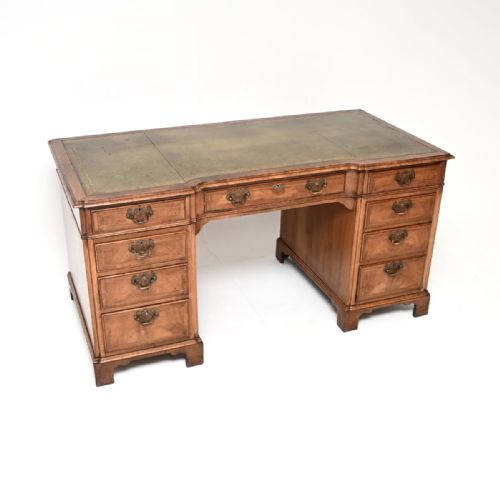
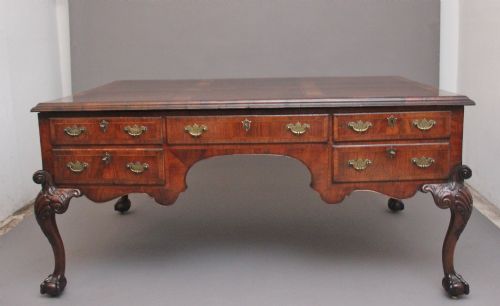
Large Office Writing Table
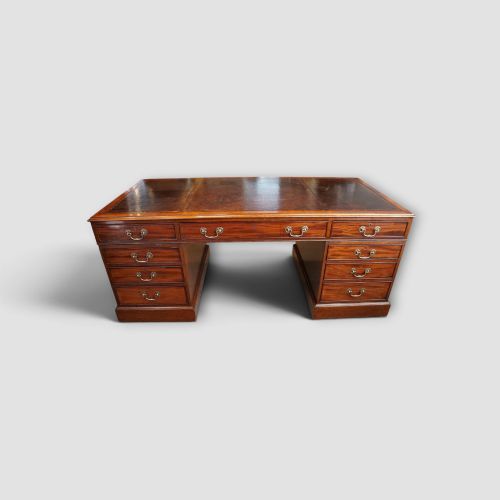
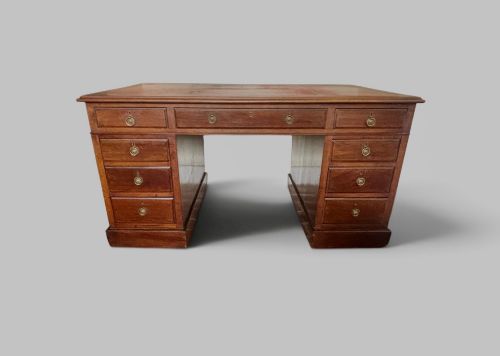
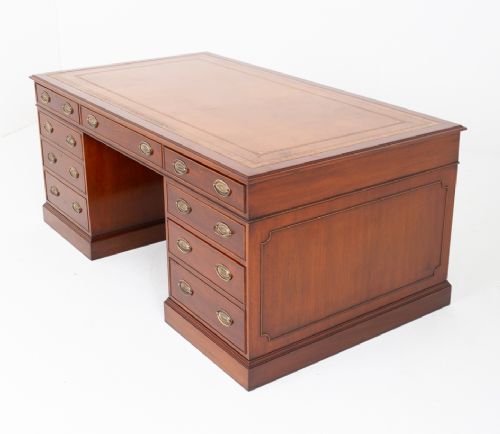
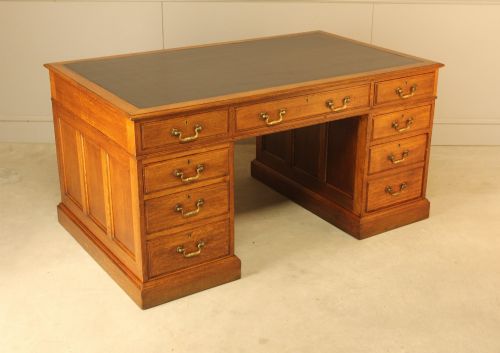
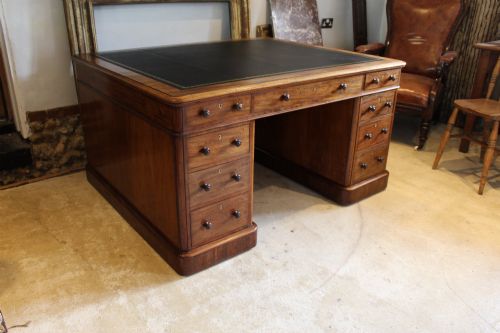
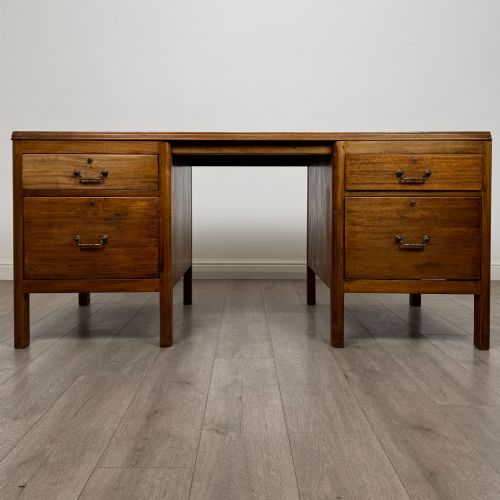
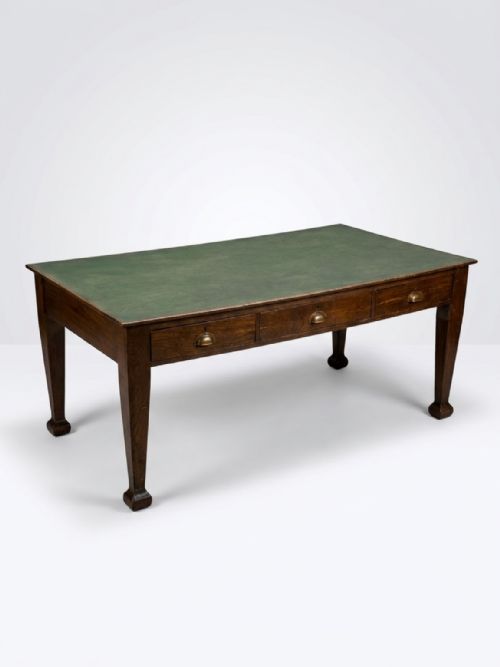
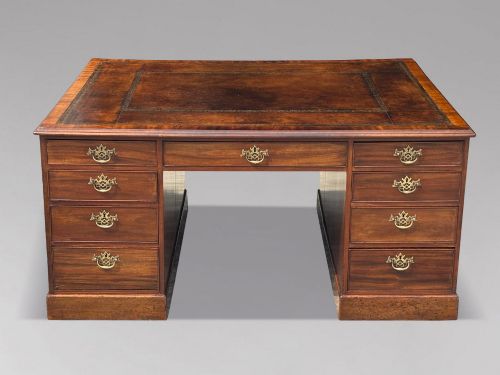
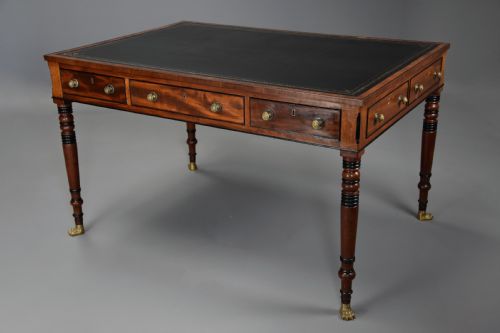
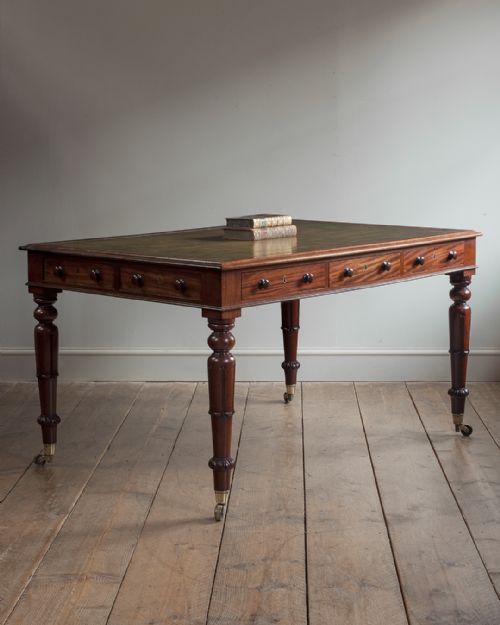
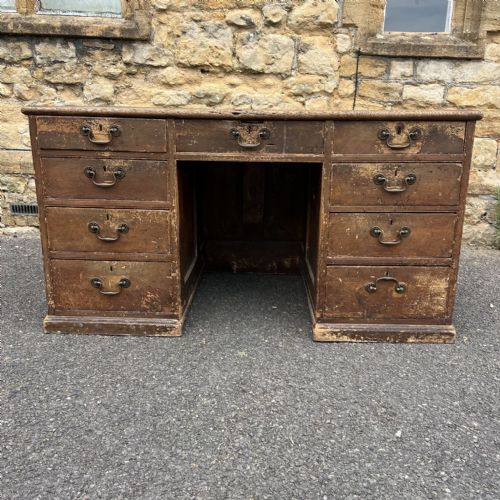
These large office writing table examples bring substance to a room, offering generous surfaces built to handle daily work.
Large Office Writing Table
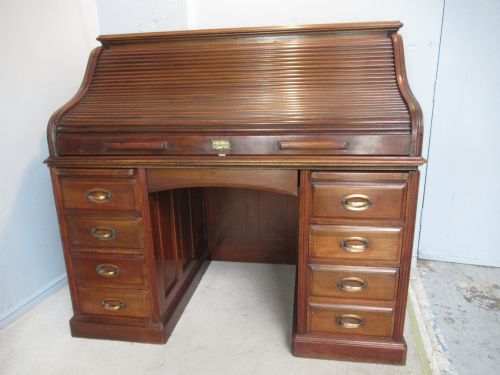
When you search for a large office writing table, you encounter substantial furniture designed for administrative work and study. The selections span pedestal desks, partners desks, library tables, and writing tables across the eighteenth, nineteenth, and early twentieth centuries.
Victorian and Edwardian versions in mahogany, oak, and walnut dominate the offerings. Many pieces incorporate double-sided pedestal configurations or wide kneeholes suited for two people working opposite each other.
The forms range from utilitarian estate desks in pine and oak to heavily figured flame mahogany and burr walnut partner desks with carved details.
Materials and construction methods
Cabinet makers built these desks using solid timbers like oak and pine for internal framing and drawer linings, applying premium veneers such as mahogany, flame mahogany, walnut, and burr walnut to visible exterior surfaces.
Writing surfaces typically feature inset leather panels, frequently decorated with blind tooling in gold leaf. Brass hardware, including drop handles and escutcheons, provides functional detailing across drawers and pedestals.
The listings feature multiple woods, including mahogany, oak, walnut, burr walnut, flame mahogany, and pine.
Factors determining quality
The selection of timber grain separates standard utility desks from high-end examples, with figured flame mahogany and burr walnut indicating superior workshop output. Joinery techniques, such as hand-cut dovetails in the drawer construction and proportion in the pedestals, dictate structural integrity.
The presence of maker stamps, original tooled leather writing surfaces, and well-cast or chased brass or ormolu mounts elevates the standing of an individual desk.
Charles Andrea Nosotti·Cookes of Finsbury London·T Wilson
The Large Office Writing Table Glossary
- Partners desk
- A double-sided pedestal desk designed with drawers and cupboards on both faces so two people can sit opposite each other.
- Pedestal desk
- A heavy freestanding desk supported by two pedestals containing banks of drawers flanking a central kneehole.
- Library table
- A large freestanding table used for reading and writing, often finished on all four sides with drawers beneath the top.
- Blind tooling
- A decorative technique using heated tools to impress gold leaf patterns into leather writing surfaces.
- Kneehole
- The open space beneath the desk top designed to accommodate the user's legs when seated.
- Flame mahogany
- A veneer cut from the fork of a mahogany tree that produces a distinctive flickering flame pattern.
Large Office Writing Table: Frequently Asked Questions
How do I care for the leather top?
Leather writing surfaces require gentle cleaning with a slightly damp cloth and occasional treatment with appropriate leather balms to prevent cracking.
Avoid placing hot cups or sharp objects directly on the leather to preserve the original tool work and surface texture.
Are these desks suitable for modern computers?
The generous proportions and deep drawers of these tables provide ample space for modern office equipment and paperwork.
Many examples offer cable management solutions through existing apertures or allow careful placement without altering the historic structure.
How do I distinguish Victorian from Georgian pieces?
Georgian desks usually display restrained classical proportions, simpler bracket feet or straight legs, and dense mahogany timbers.
Victorian and Edwardian iterations frequently introduce heavier pedestals, carved serpentine shapes, elaborate paneling, and a wider variety of woods like burr walnut.