




Large Mahogany Dining Server
A large mahogany dining server anchors a formal dining room with presence, offering deep storage and a grand serving surface for entertaining.
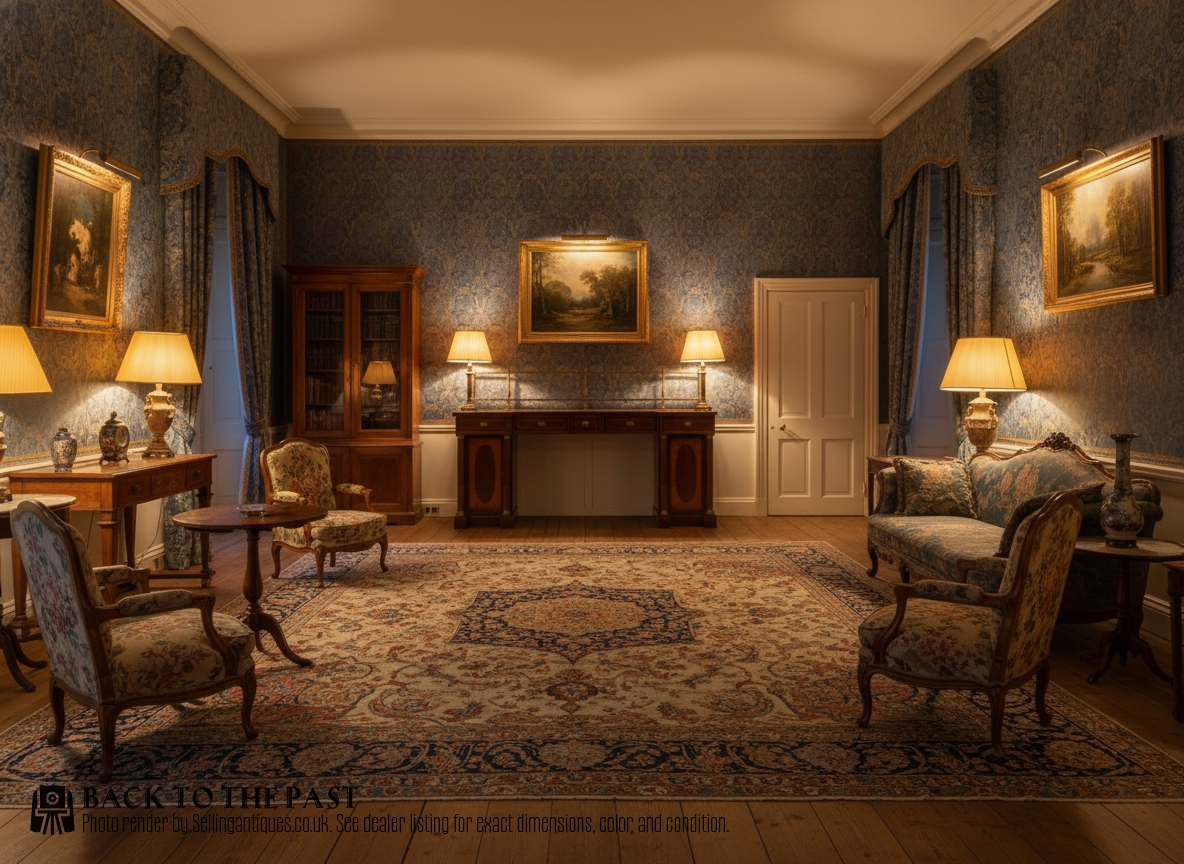
Large Mahogany Dining Server
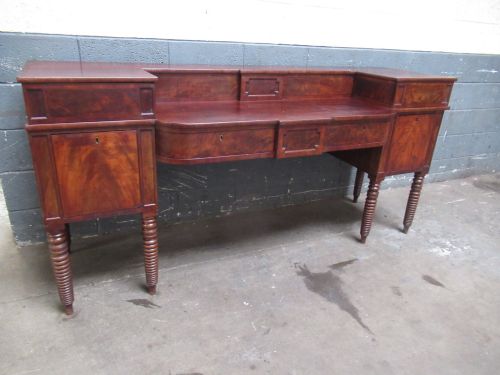
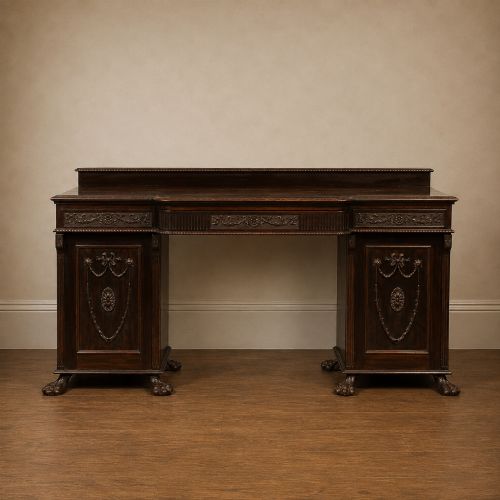
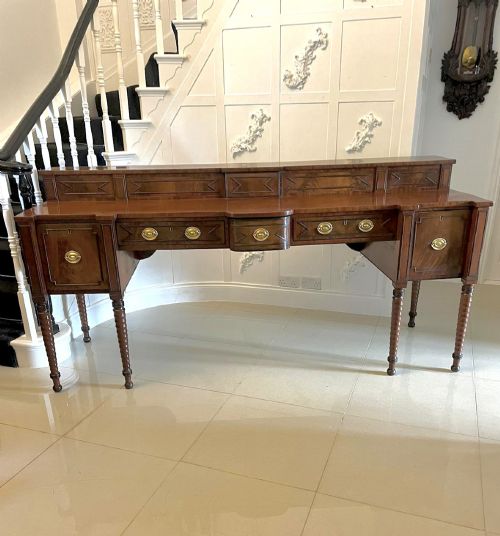
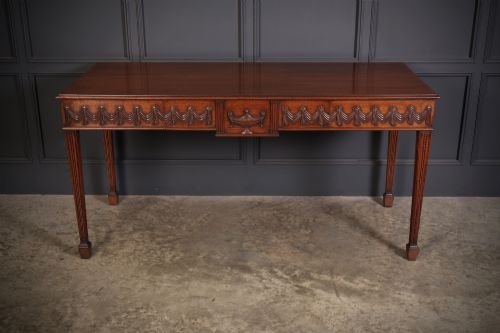
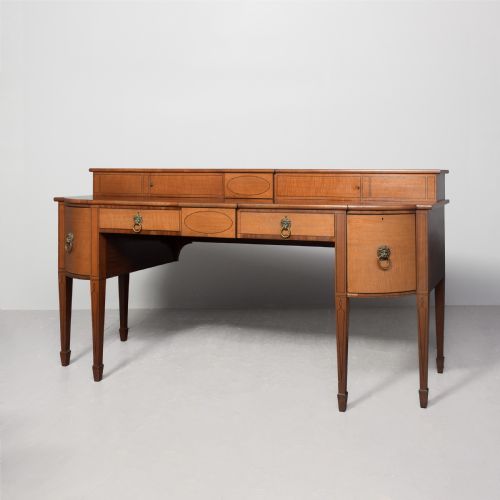
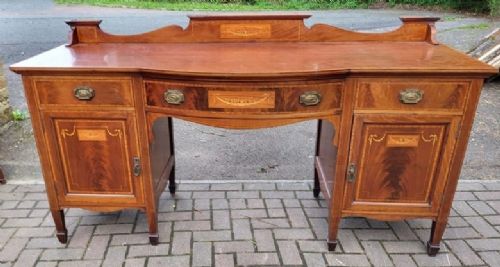
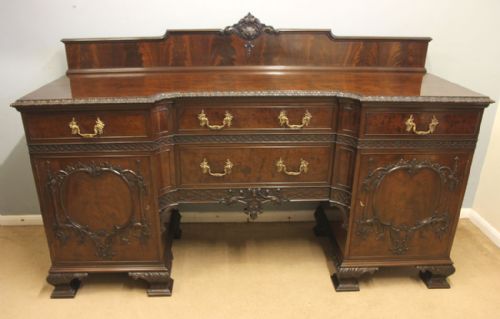
A large mahogany dining server comprises substantial case pieces designed for formal dining rooms, encompassing sideboards, serving tables, and pedestal servers. These items span from the eighteenth century through the Victorian era, George III period, and Edwardian times, reflecting diverse regional craftsmanship from English workshops to Scottish cabinet makers.
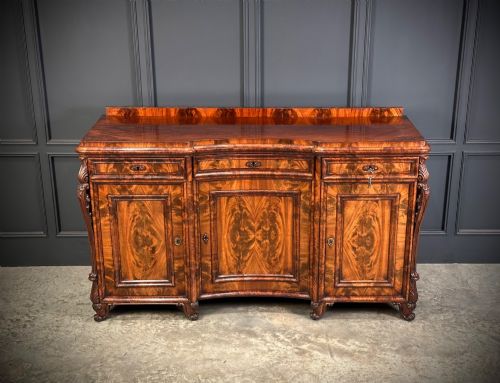
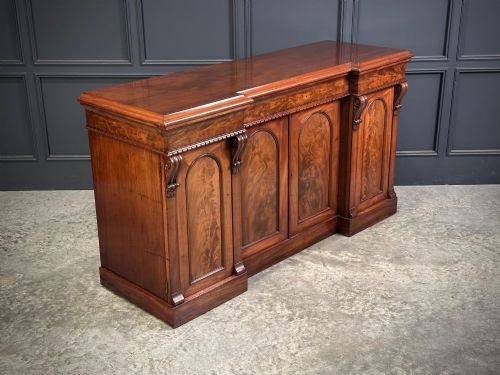
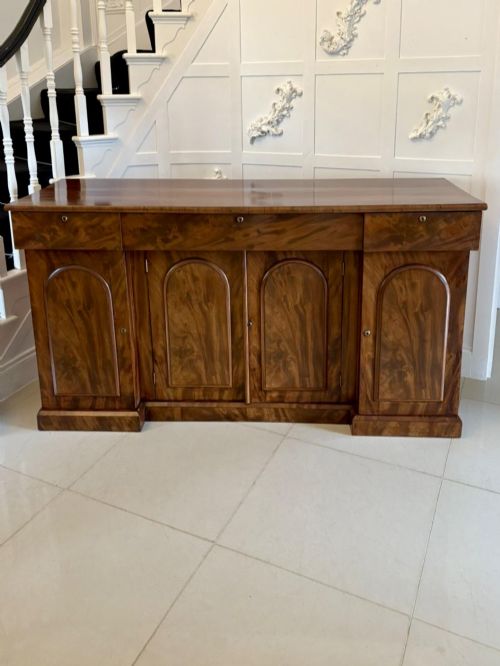
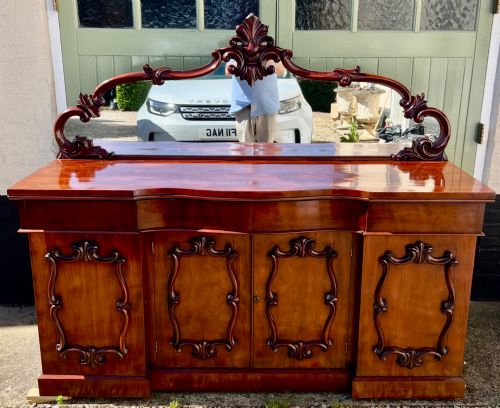
Buyers encountering this selection will frequently meet breakfront sideboards, pedestal sideboards, and serpentine or bow-front designs. Many examples incorporate multiple doors, stage-backs, mirror backs, or drop wells, providing the grand proportions suited to spacious dining interiors.
Judging Quality
Quality rests upon the selection of timber figures, where matched flame mahogany veneer and crisp satinwood inlay demonstrate superior cabinet work. The depth of figuring across expansive doors and drawer fronts elevates certain examples above plain constructions.
Whytock and Reid·Robson and Sons
The Large Mahogany Dining Server Glossary
- Breakfront
- A cabinet form featuring a central section that projects forward from the flanking outer sections. This architectural arrangement creates depth and visual rhythm across large sideboards.
- Flame mahogany
- A distinctive wood veneer showing a flickering, flame-like pattern derived from specific cuts of timber. Cabinet makers prized this figure for principal display surfaces.
- Pedestal sideboard
- A form comprising two distinct pedestals joined by a lower central section or serving table. These imposing pieces often incorporate cupboards or cellarettes within the pedestals.
- Serpentine
- A curved shape characterised by a convex centre flanked by concave ends, or vice versa. This flowing contour requires high skill to execute across solid mahogany drawers.
- Stage-back
- A raised tier or superstructure at the rear of a serving table or sideboard used for displaying plate. It adds height and formal presence to the dining room.
Large Mahogany Dining Server: Frequently Asked Questions
How do I style a large mahogany dining server?
Position the piece against a principal dining room wall where its length and depth can command the space without obstructing movement around the table. Use the expansive top surface for arranging silver serving dishes, candelabra, or glass decanters during formal meals.
Allow the timber grain and rich colour to set the tone for the room by pairing the server with complementary period seating and neutral wall finishes. The internal compartments provide practical storage for table linen, cutlery, and dining accessories.
What is the difference between a sideboard and a serving table?
A serving table typically presents an open frame with legs beneath a long surface, designed primarily for presenting food and drink during dining. Sideboards incorporate enclosed cupboards, drawers, and pedestals to offer substantial concealed storage alongside the top surface.
Both forms belong to the broader category of dining room server furniture, but sideboards evolved to accommodate the growing storage demands of nineteenth-century dining habits.
How do I tell George III sideboards from Victorian ones?
George III pieces frequently exhibit restrained classical proportions, subtle satinwood or boxwood stringing, and elegant tapered legs or delicate bracket feet. The timber selection emphasises fine natural grain rather than heavy ornamentation.
Victorian examples tend toward heavier proportions, four-door configurations, mirror backs, and elaborate carving or bold flame mahogany veneers. They reflect the industrial scale and decorative exuberance of the later nineteenth century.
What maintenance does antique mahogany require?
Protect the timber surface by avoiding direct sunlight, which can fade the rich reddish-brown tones of the mahogany and dry out the veneer. Maintain a stable indoor humidity to prevent the wood or veneer from warping and cracking.
Clean the surface gently using a soft, dry cloth and apply occasional high-quality wax polish specifically formulated for antique furniture. Avoid silicone-based sprays that can penetrate the timber pores and damage the historic finish.