


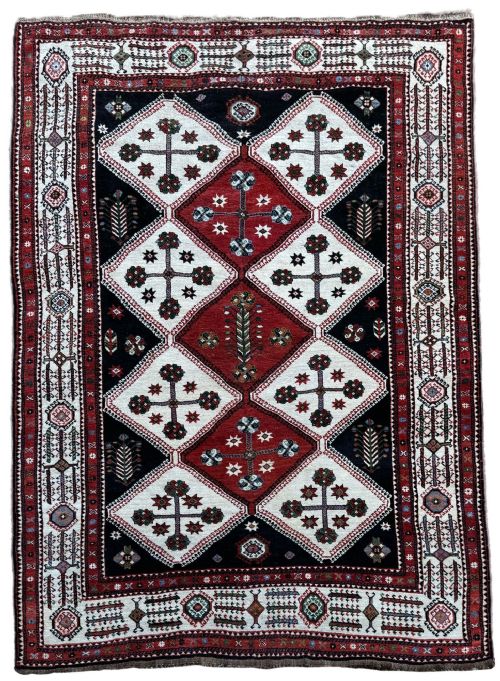
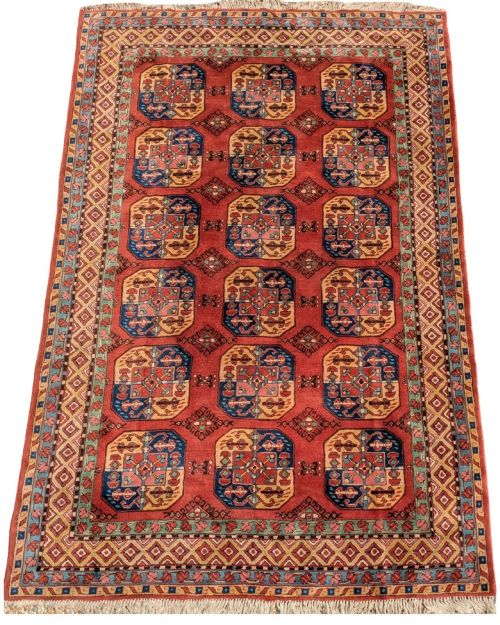
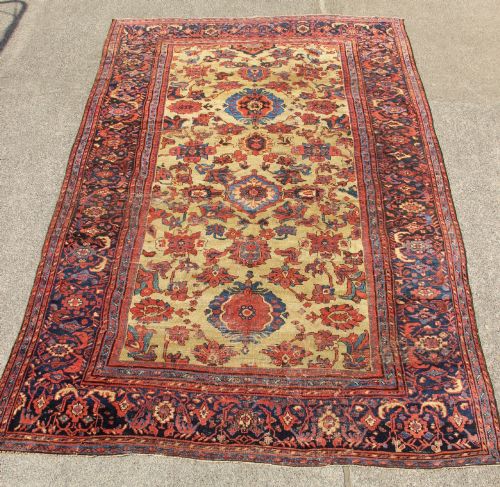
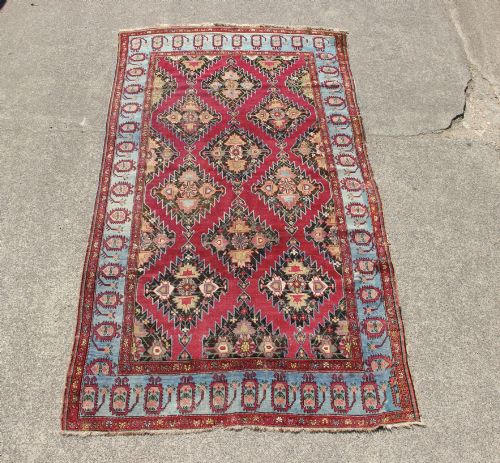
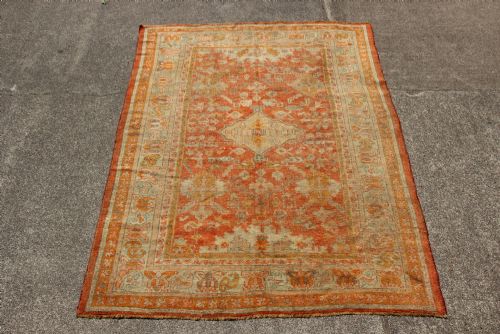
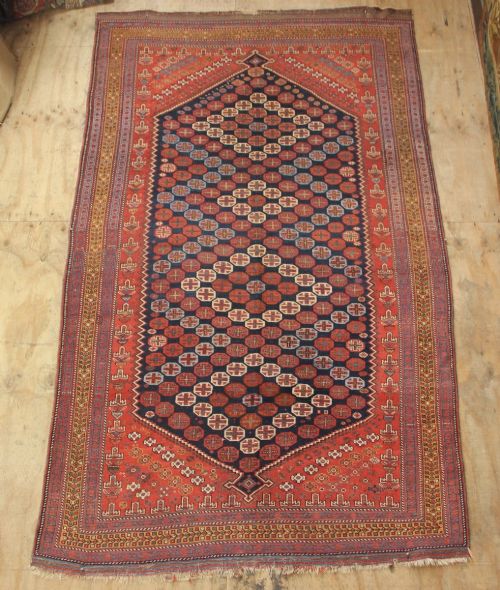

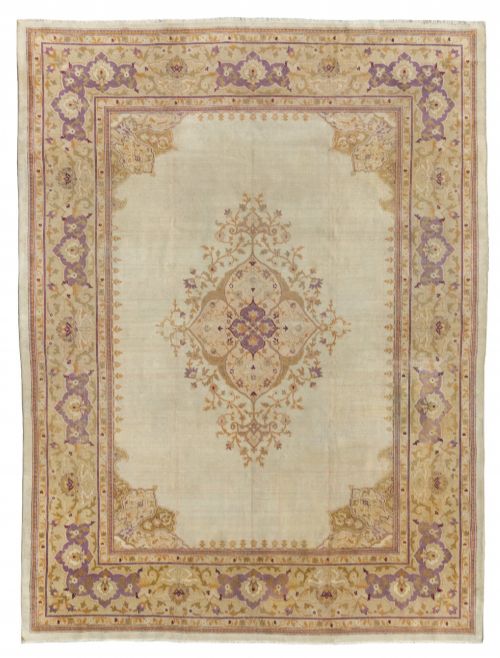

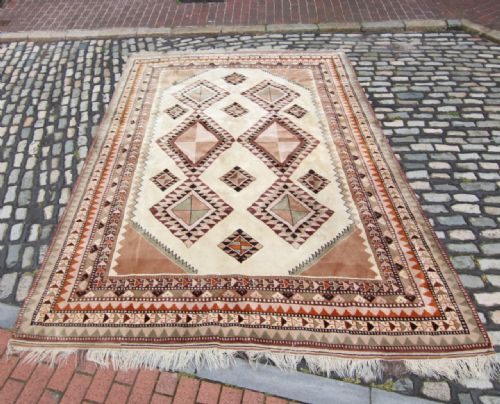
Large Hand Woven Rug
A large hand woven rug grounds a generous room with deep colour and centuries of village and town craftsmanship.
Large Hand Woven Rug
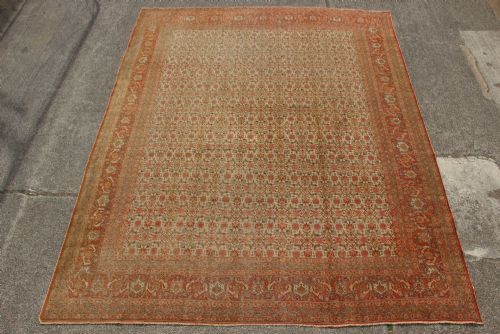
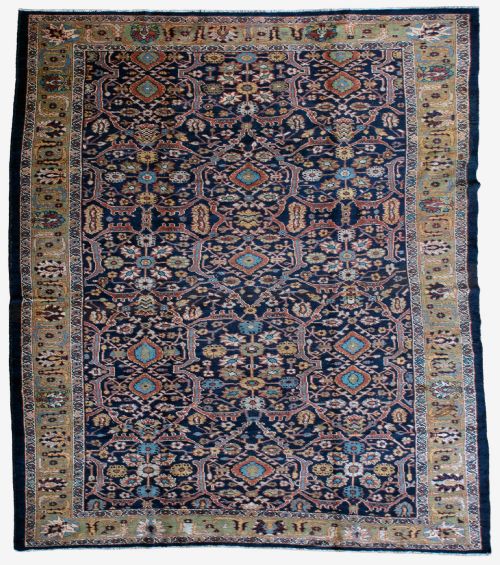
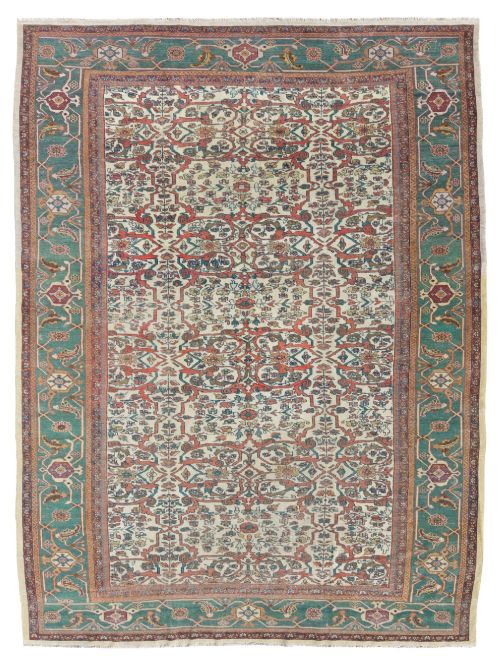
When you search for a large hand woven rug, you enter a domain of substantial carpets originating primarily from Persia, Central Asia, and surrounding regions. These floor coverings span from the mid-nineteenth century through the early decades of the twentieth century, bringing historic scale and textile artistry to domestic spaces.
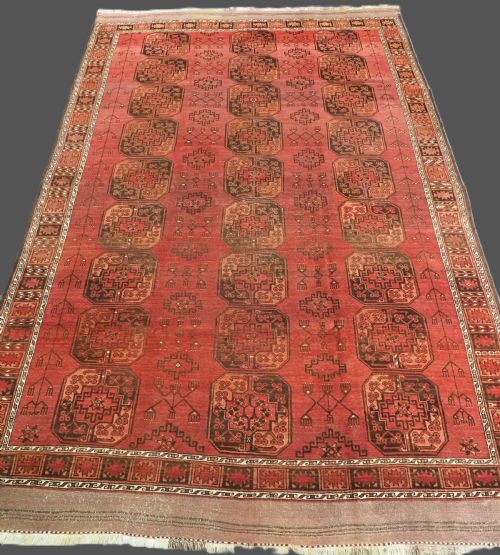
The pieces you encounter range from grand town carpets produced in urban workshops to robust tribal room-size carpets created by nomadic weavers. They appear in formats such as broad area rugs, long hallway runners, and palace-scale carpets.
Most examples met on this page are constructed from durable wool, often utilising cotton foundations for stability. Their designs draw upon traditional regional motifs, geometric village patterns, and sophisticated floral medallions handed down through generations.
How they were made
Makers constructed these carpets using traditional hand-knotting or hand-weaving techniques on vertical or horizontal looms. The foundational warps and wefts typically consist of spun cotton or wool, which support the dense pile.
Weavers dyed the natural wool fibres utilising organic and natural dyes derived from plants, roots, and minerals. This palette developed rich patinas over decades of light and use.
Materials documented in the inventory consist entirely of wool, cotton, and natural dyes.
What varies in quality
The distinction between a standard textile and a superior one rests in the density of the weave and the precision of the knotting. Finer examples display intricate curves and crisply delineated geometric motifs.
Colour harmonisation and the depth of the natural dyes distinguish better specimens. Gradations within the wool and the integrity of the original borders dictate the overall visual weight and endurance of the piece.
Benlian
The Large Hand Woven Rug Glossary
- Pile
- The upright yarn loops that form the tactile surface of the carpet. This layer bears the direct friction of foot traffic over decades.
- Warp
- The stationary vertical threads stretched tightly on the loom before weaving commences. These form the structural skeleton of the rug.
- Weft
- The horizontal threads passed alternately over and under the warp threads to lock the knots in place. They give the textile its lateral stability.
- Natural Dyes
- Colourants extracted from vegetable, animal, and mineral sources prior to the widespread adoption of synthetic aniline dyes. They age with notable depth and variation.
- Runner
- A long, narrow carpet format designed specifically for corridors, staircases, and narrow hallways. They guide movement through domestic floor plans.
Large Hand Woven Rug: Frequently Asked Questions
How do I clean a vintage wool carpet?
Vacuum gently using a suction-only attachment without a rotating brush bar to protect the delicate wool pile.
Professional specialist washing remains essential for deep cleaning to prevent dye migration and shrinkage.
Where should I place a large runner?
Position these long formats in entrance halls, wide corridors, or alongside large beds to anchor the floor plan.
Ensure adequate clearance for doors to swing freely over the thickness of the heavy weave.
How do I identify a tribal carpet?
Look for geometric motifs, repeating medallions, and spontaneous local variations rather than formal, symmetrical town designs.
Nomadic weavers relied on memory and tribal traditions rather than precise cartoon drawings.
Do natural dyes fade over time?
Natural dyes mellow gently with exposure to sunlight, developing a harmonious patina across the surface.
Rotating the rug periodically helps ensure even exposure across the entire wool field.