





Vintage Iranian Wool Rug
A vintage iranian wool rug brings authentic handwoven warmth and storied tribal or traditional Persian design directly to your floor.
Vintage Iranian Wool Rug
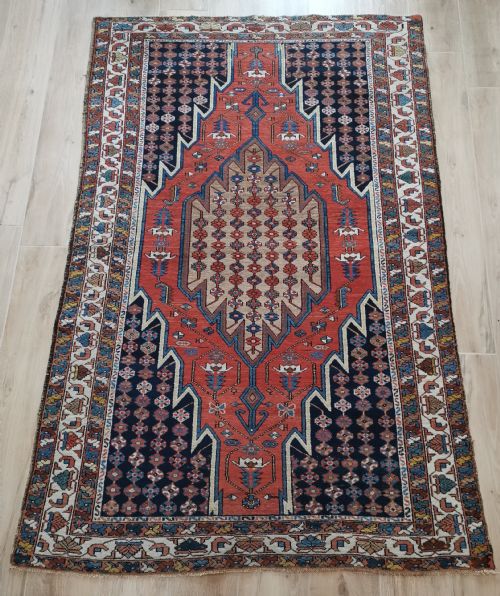
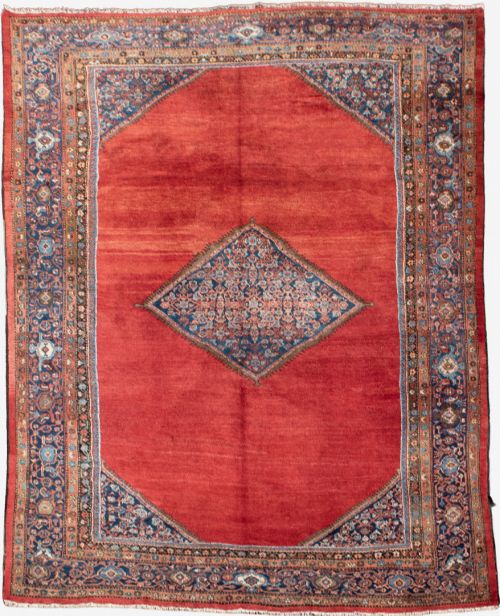
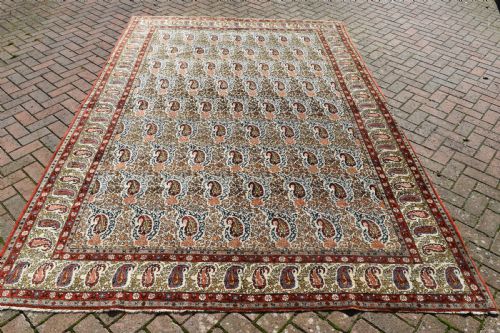
A vintage iranian wool rug encompasses handwoven carpets, roomsize floor coverings, runners, and smaller prayer rugs originating from various Persian workshops and tribal regions. The pieces available span dates from the late nineteenth century through the mid-twentieth century, showing diverse regional designs like Heriz, Qum, Ferahan, and Kashan.
Buyers will encounter everything from large heavy roomsize carpets to compact tribal village rugs. These floor coverings utilise traditional Persian knotting techniques and natural wool piles, often built on cotton foundations.
Materials and Construction
These textiles rely primarily on a durable wool pile hand-knotted onto sturdy cotton foundations, though certain specialised examples incorporate silk or wool felt grounds. Artisans built these carpets using traditional handweaving methods passed down through generations in workshops and tribal communities.
The choice of materials directly impacts the weight and handle of each piece, ranging from heavy roomsize carpets to finely detailed pictorial prayer rugs and embroidered wool felt textiles.
Vintage Iranian Wool Rug Retail Price Guide 2026
Typical asking prices for vintage iranian wool rug among the pieces listed under this phrase on Sellingantiques today, from the lower quarter to the upper quarter. They describe what is for sale here now, not the wider market.
The listings span periods from the nineteenth century through the 1940s, featuring wool, cotton, silk, and wool felt.
Judging Quality and Execution
The distinction between standard village production and finer workshop carpets lies in the density of the knotting and the precision of the drawing. Superior examples exhibit intricate floral or medallion designs rendered with exceptional clarity and balance.
Material selection also dictates the hierarchy, where finely spun wool and occasional incorporation of silk create greater depth in the pile. The integrity of the foundational weave and the preservation of the original borders further separate masterworks from everyday utilitarian carpets.
Hajji Jalili
The Vintage Iranian Wool Rug Glossary
- Kelleh
- A large rectangular carpet format typically longer than it is wide, designed for specific room proportions.
- Prayer rug
- A small rug featuring a mihrab or niche design used historically for private devotions.
- Medallion
- A central ornamental motif placed in the middle of the carpet field, common in traditional Persian design.
- Pile
- The upright yarn loops or cut ends that form the soft surface of the rug.
- Foundation
- The underlying structure of warp and weft threads that supports the knotted wool pile.
Vintage Iranian Wool Rug: Frequently Asked Questions
How do I clean an old wool rug?
Professional specialist cleaning is essential to protect natural wool pile and traditional dyes.
Regular gentle vacuuming without a rotating brush bar helps remove surface dust safely.
Where were these rugs made?
These textiles originate from various historic Persian towns, villages, and tribal regions across Iran.
Specific provenances include Heriz, Kashan, Qum, Ferahan, and Hamadan.
Are these carpets suitable for heavy traffic?
Sturdy wool construction and dense knotting make many of these traditional carpets durable enough for everyday use.
Placing a quality underlay beneath the rug helps absorb foot pressure and prevents slipping.
How can I tell tribal rugs from workshop rugs?
Tribal rugs often display geometric patterns, asymmetrical motifs, and expressive wool qualities woven by nomadic or village weavers.
Workshop pieces generally feature refined floral curves, formal medallions, and precise city-workshop execution.