

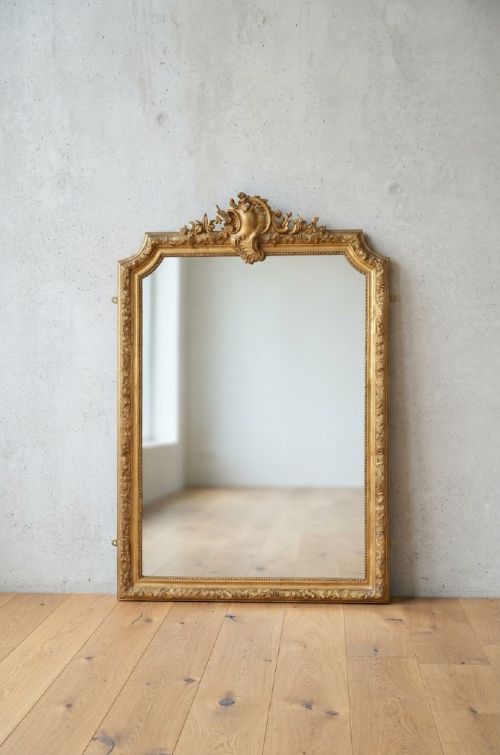
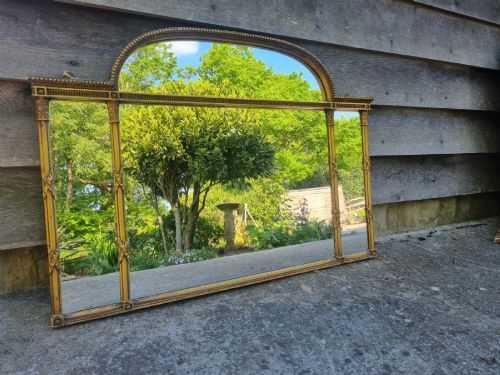
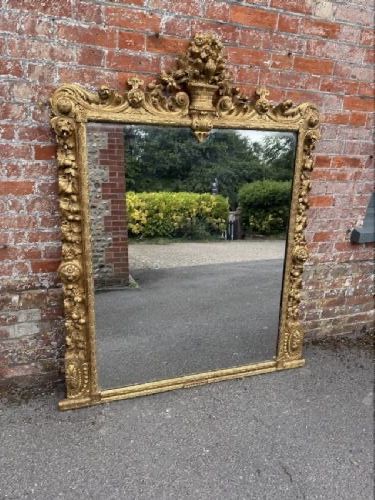
Large Gold Framed Mirror
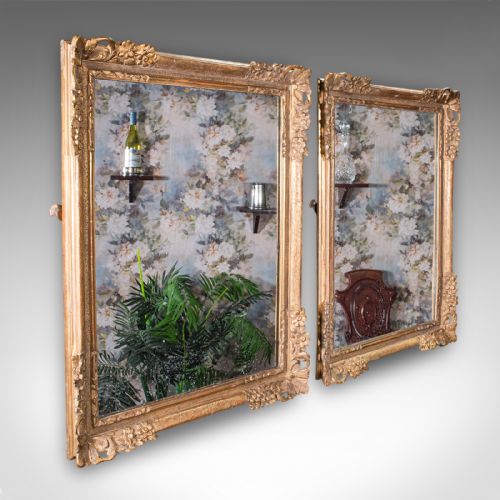
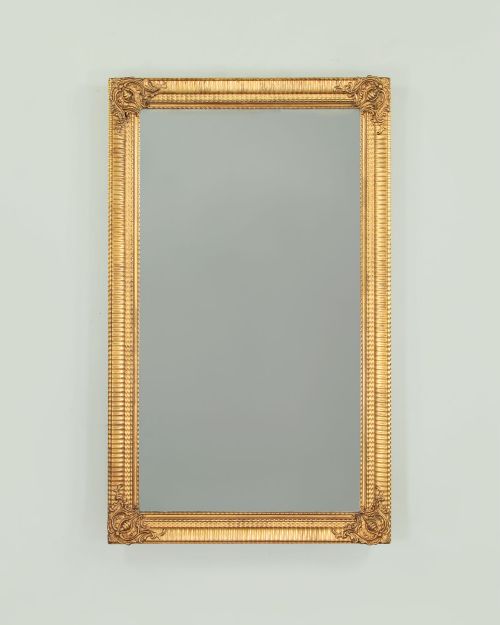
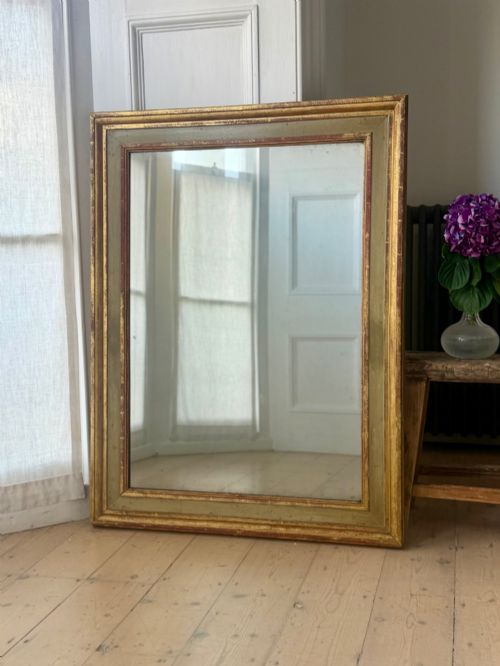
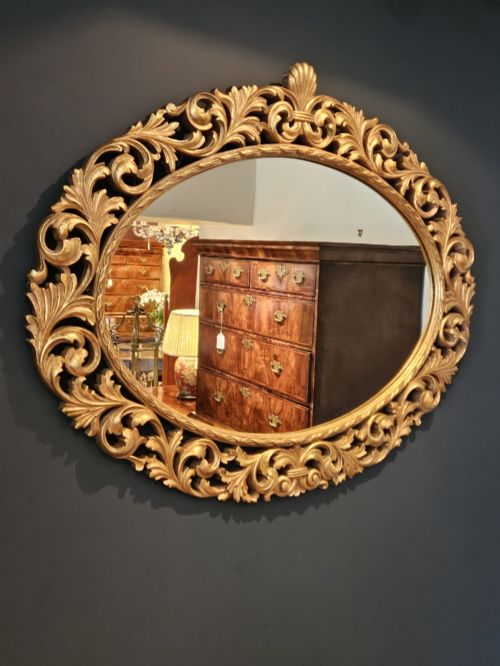
A large gold framed mirror commands a room, reflecting light and adding depth through ornate 19th-century craftsmanship.
Large Gold Framed Mirror
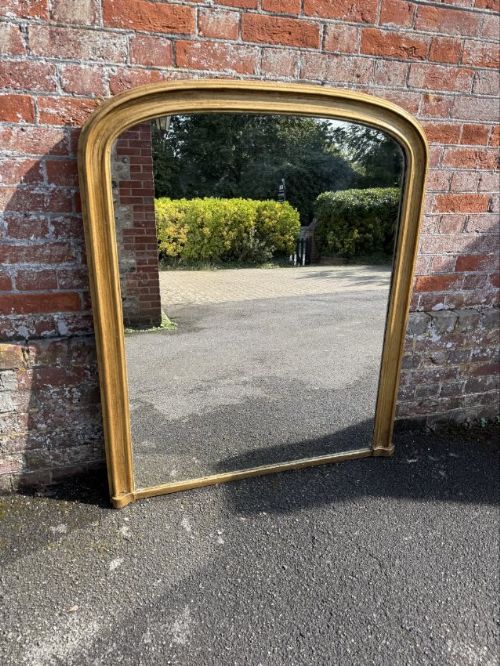
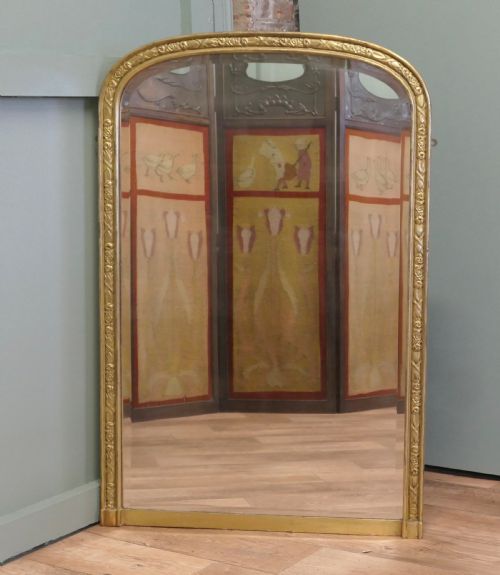
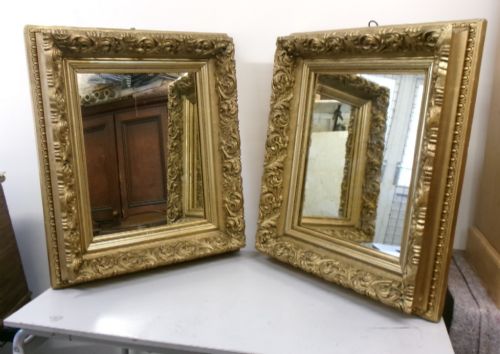
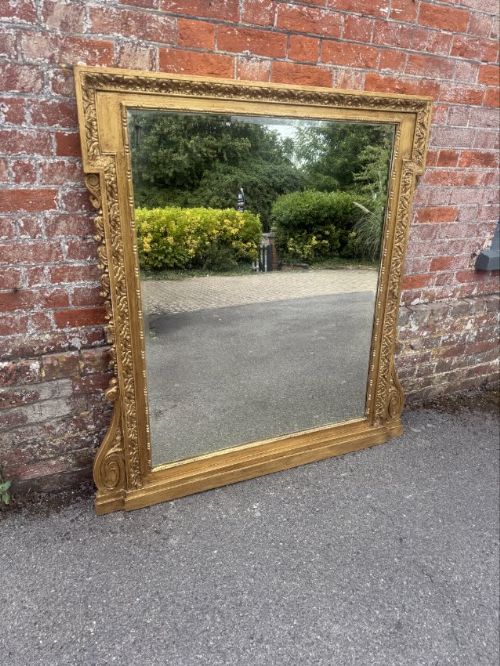
A large gold framed mirror typically takes the form of an overmantel, pier, or wall glass designed to anchor a principal reception room. The pieces encountered here span the Victorian era, the Regency period, and the 19th century in both English and French workshops.
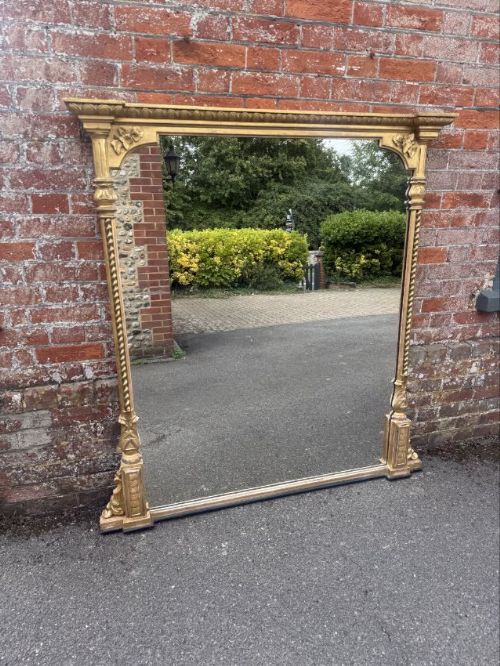
Makers fashioned these imposing objects to hang above mantelpieces or between windows, utilising substantial proportions to amplify daylight in formal interiors. The selection ranges from architectural architectural frames with column details to ornate arched tops and carved crests.
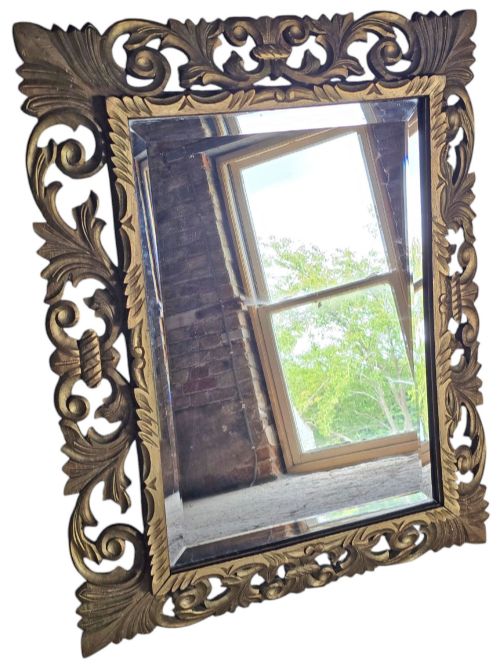
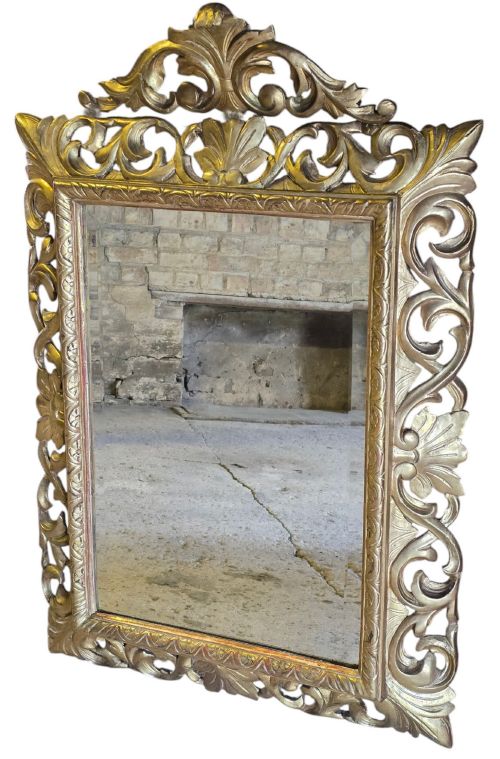
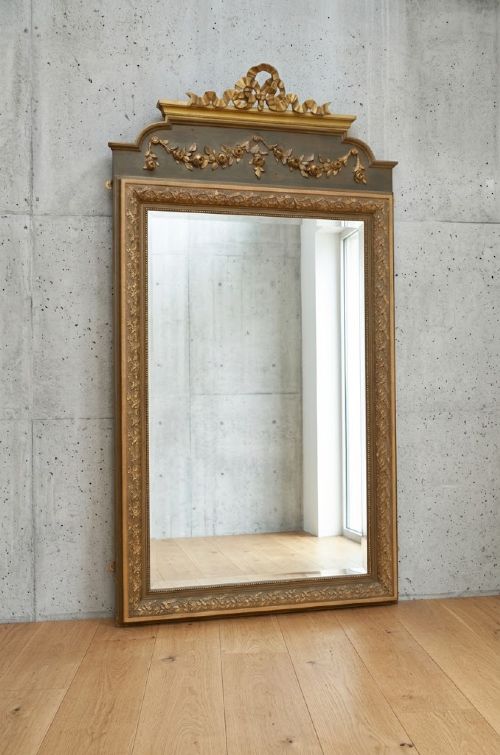
French examples often display Louis Philippe or Florentine influences, while English pieces frequently exhibit robust gesso mouldings and carved wood frames. Buyers select these heavy glass panels to create an immediate focal point within period or contemporary spaces.
Materials and Technique
Artisans constructed the structural frames using carved timber, applying layers of gesso to build up intricate relief ornaments such as rope twists and ribbon crests. Gilding involved the application of gold leaf or gilt finishes over the prepared surface to achieve a brilliant metallic sheen.
Many historical pieces utilise heavy glass plates, occasionally featuring original mercury backing or characteristic foxing developed over time. Joinery techniques combined solid wood framing with moulded composition ornament to secure the substantial weight of the mirror glass.
Craftsmanship and Preservation
Depth and crispness in the carved wood and gesso ornamentation separate standard commercial frames from exceptional examples. Superior items retain their original gilding and structural integrity without excessive restoration to the decorative mouldings.
The clarity and condition of the mirror plate itself influence the character of the piece, with original mercury glass offering subtle age patination. Heavy framing requires robust internal construction to support the considerable mass of the glass over decades of hanging.
The Large Gold Framed Mirror Glossary
- Giltwood
- Wood that has been coated with gold leaf or a gold-coloured metallic finish. This material forms the primary reflective housing for many period wall pieces.
- Gesso
- A plaster-like mixture applied to wood frames and carved into intricate decorative motifs before gilding. It allows for sharp relief details in nineteenth-century mouldings.
- Overmantel Mirror
- A large mirror specifically proportioned to hang above a fireplace mantel. These horizontal or arched items frequently anchor the decorative scheme of a drawing room.
- Pier Mirror
- A tall, narrow glass designed to hang on the wall space between two windows. They often match console tables and utilise vertical dimensions to maximise light.
- Mercury Glass
- A type of silvered glass produced historically using a mercury amalgam before modern vacuum deposition methods. It produces a characteristic mottled reflection known as foxing.
Large Gold Framed Mirror: Frequently Asked Questions
Where should I hang a heavy overmantel mirror?
These large pieces traditionally anchor the wall directly above a fireplace mantel, where their proportions balance the hearth below. Ensure the wall structure and fixings can safely bear the considerable weight of the timber and glass.
Alternatively, position the frame opposite a window to maximise natural light distribution across the room. Maintain adequate clearance from heat sources to protect the historic gilding and wooden frame.
How do I identify a Victorian mirror?
Victorian examples frequently display robust carved wood and gesso frames, often featuring arched tops or column details. English pieces from this era lean towards substantial architectural forms.
Construction methods involving heavy timber backing and traditional corner joints help confirm the period. Look for period-appropriate hardware and signs of age within the wooden structure.
What is mercury glass?
Mercury glass refers to historic mirror plates created by pouring a mercury and silver mixture behind the glass pane. Over time, this historical backing develops characteristic dark spots and speckling known as foxing.
This natural ageing process provides authenticity and a softer reflection compared to modern silvered glass. Collectors value these plates for the historic character they impart.
How do French and English styles differ?
French mirrors from the nineteenth century often embrace Louis Philippe, Florentine, or Rococo influences with fluid crests and subtle painted details. They tend to emphasise decorative elegance and curves. Crested English overmantel mirrors typically feature geometric rigidity, column framing, or robust rope twist borders. Both national traditions utilise heavy giltwood, but apply distinct decorative vocabulary to the carved ornament.