
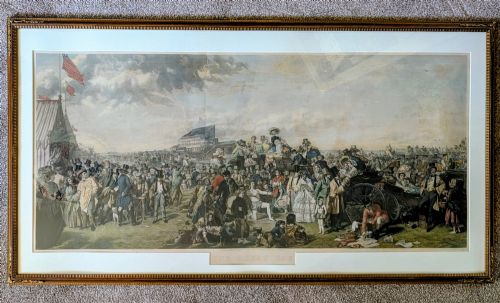
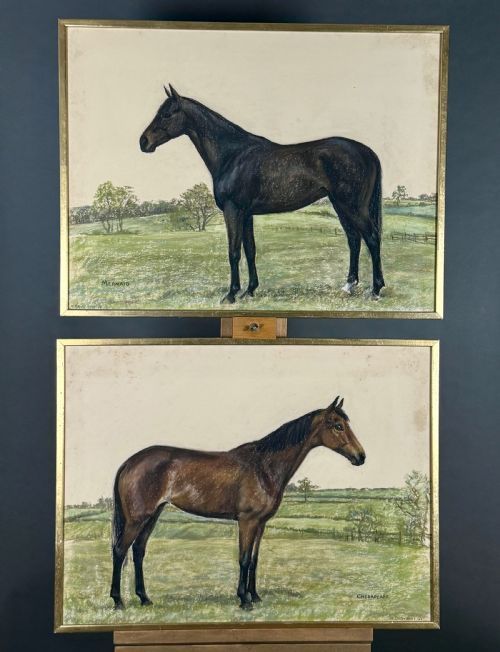
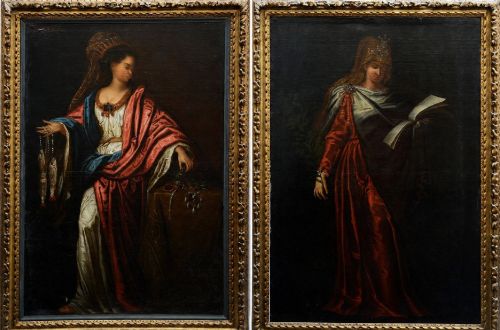
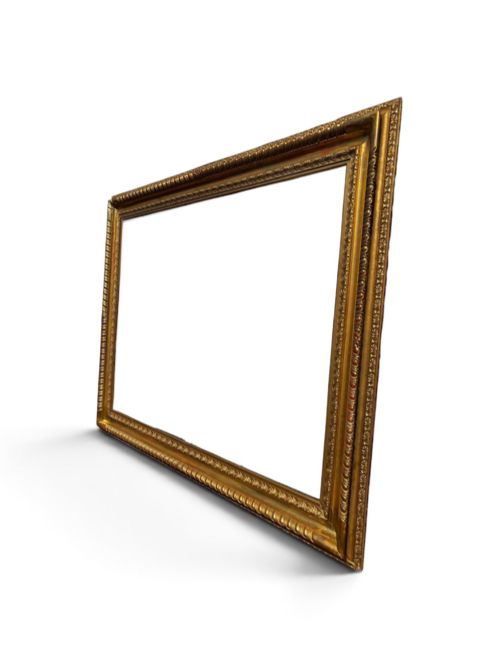





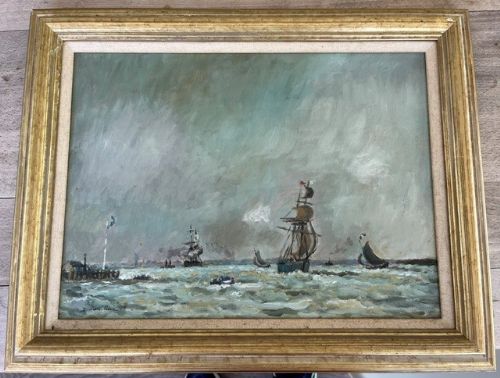
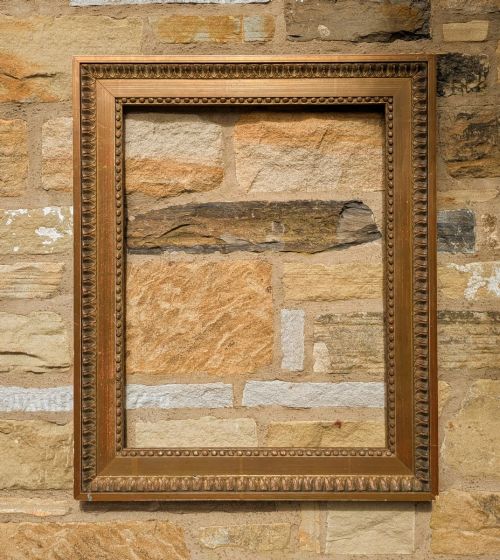
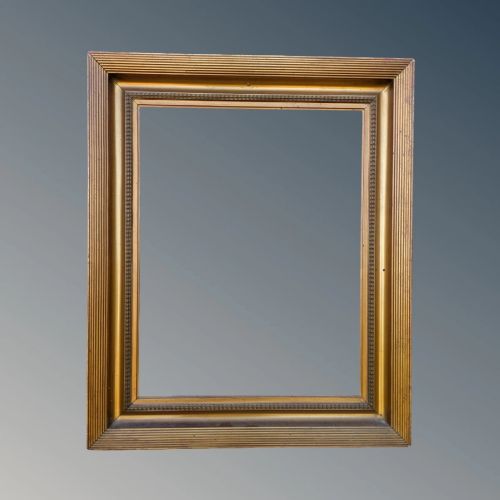
Large Gilt Picture Frame
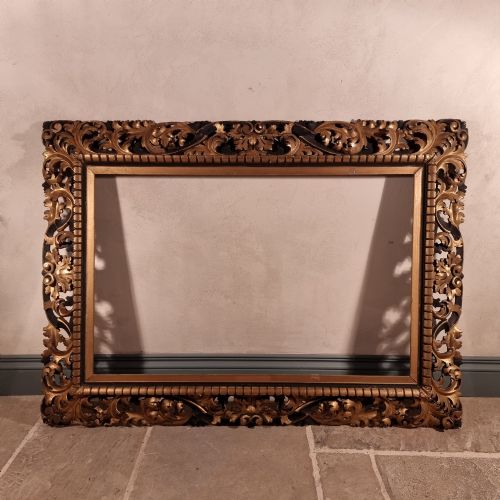
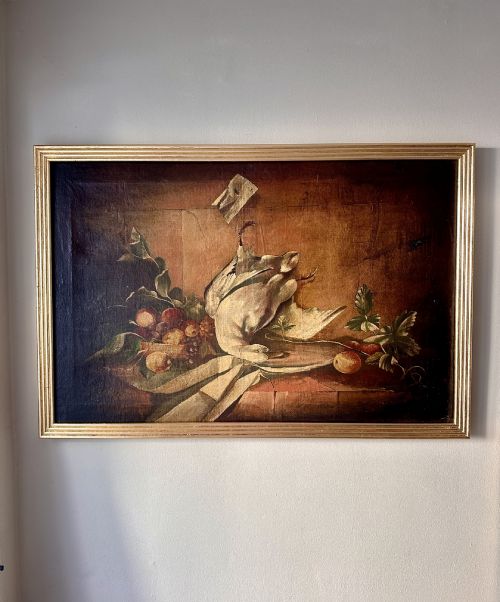
A large gilt picture frame carries heavy canvases and mirrors with a golden presence that anchors an entire room.
Large Gilt Picture Frame
When searching for a large gilt picture frame, collectors encounter sturdy Victorian mouldings, ornate swept profiles, and substantial nineteenth-century constructions designed to house oil paintings, mirrors, and large prints.
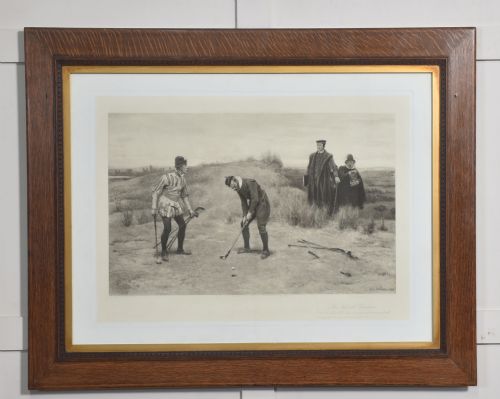
Many examples arrive with their original canvases or plates intact, ranging from maritime scenes and pastoral landscapes to architectural prints and portraits.
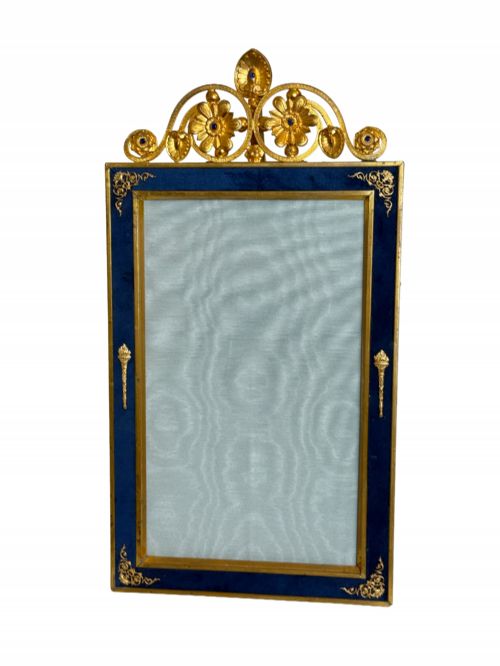
The selection spans centuries of craftsmanship, including robust timber carcasses, delicate gesso decoration, and classical French motifs that suit traditional and contemporary interiors alike.
Materials and Technique
Carved timber foundations provide structural integrity, often layered with gesso to create smooth surfaces for intricate ornamentation.
Artisans applied thin sheets of gold leaf over preparation layers, burnishing the metal to achieve a lasting metallic brilliance.
Applied ornament includes cast composition details, egg and dart mouldings, and deep swept profiles that catch ambient light.
Listings feature items from the eighteenth century, the Victorian era, and mid-century periods, utilising wood, gesso, glass, and gold leaf.
Quality and Preservation
The depth of the moulding and the crispness of the carved or moulded ornamentation distinguish superior examples from simpler utilitarian borders.
Original gilding and undisturbed surface patination carry greater desirability than later overpainting or heavy restoration.
Structural soundness at the mitred corners determines whether a heavy frame can safely support large canvases or mirror glass.
William Powell Frith·Erich Mercker·Joseph Knight·David Cox Jnr
The Large Gilt Picture Frame Glossary
- Gesso
- A plaster-like mixture applied to wooden frames as a base for gilding. It allows craftsmen to carve or stamp intricate relief patterns before applying gold leaf.
- Swept frame
- A frame moulding featuring undulating, flowing curves and deep scrolling corners. Popular in Victorian and Rococo revival designs, they create a dramatic theatrical border.
- Gold leaf
- Hammered gold beaten into extremely thin sheets. It provides the lustrous, enduring metallic finish seen on antique frames.
- Cassetta frame
- A simple box-like classical frame style with a central flat frieze flanked by raised mouldings. Originating in the Italian Renaissance, these offer architectural restraint.
- Rebate
- The recessed internal step at the back of a frame that holds the canvas, panel, or glass securely in place.
Large Gilt Picture Frame: Frequently Asked Questions
How do I hang a heavy antique frame?
Substantial timber and gesso frames require robust wall fixings anchored directly into masonry or secure studs. Heavy D-rings screwed into the wooden sides distribute the significant weight safely.
Professional mirror plates or steel wire rated well above the frame's actual mass prevent accidental slips and protect the integrity of the antique corners.
Can I use these frames for modern mirrors?
Many large antique frames transition effectively into wall mirrors by having a glazier insert bespoke mirror glass into the existing rebate. This preserves the historical border while serving a practical daily purpose.
Ensure the internal dimensions and depth of the frame can accommodate the weight and thickness of modern safety glass without straining the original joints.
How do I clean antique gilt surfaces?
Dust accumulated in delicate gesso crevices requires a very soft, dry artist's brush or feather duster. Moisture and chemical cleaning agents strip fragile gold leaf and historical patination instantly.
Professional conservators should handle repairs to missing composition ornaments or flaking gilding rather than attempting household touch-ups.
How do I date a gilt frame?
Stylistic clues such as deep swept Victorian curves, neoclassical architectural motifs, or Renaissance cassetta proportions offer initial chronological markers. Examining the underlying timber, corner construction, and composition materials confirms the era.
Hand-cut fixings, old backing boards, and the specific composition of the gesso ground provide further physical evidence of age.