
Large Georgian Mirror
When you search for a large georgian mirror, you are looking for commanding wall and overmantel pieces defined by classical proportion and deep craftsmanship.
Large Georgian Mirror
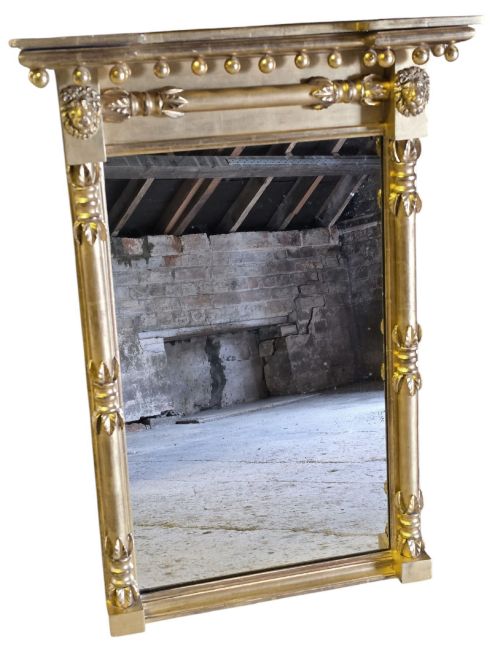
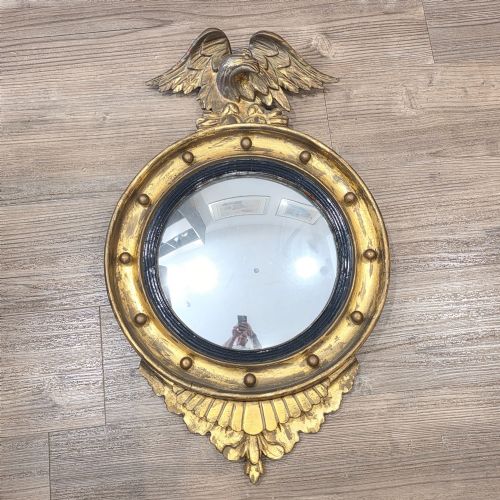
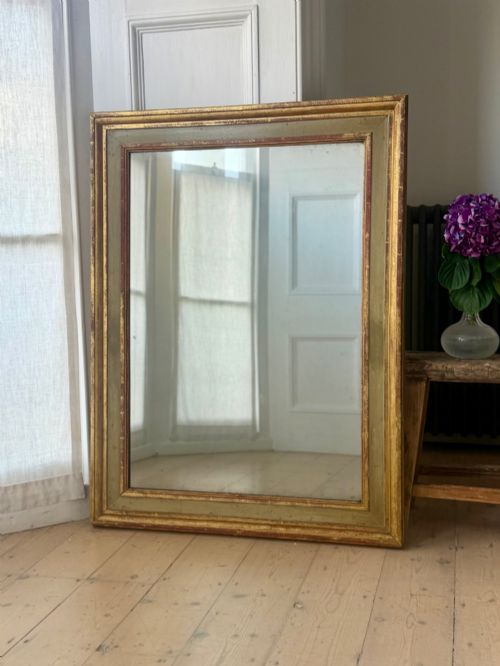
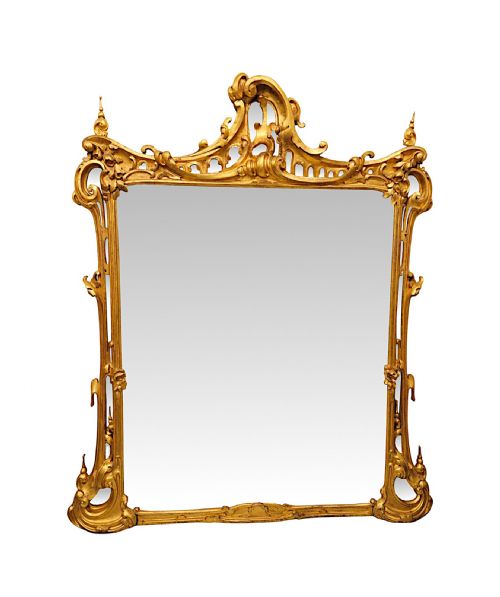
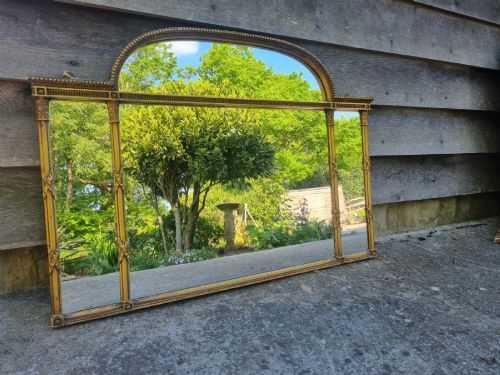
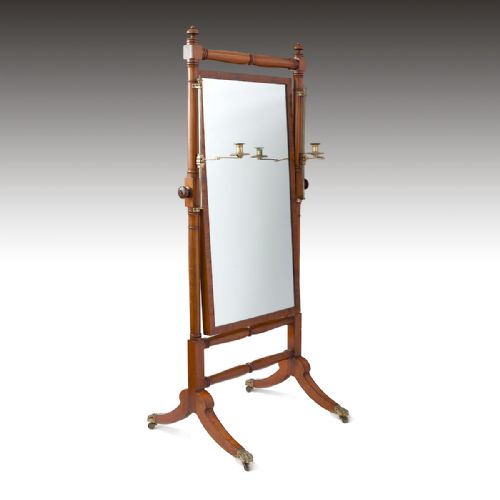
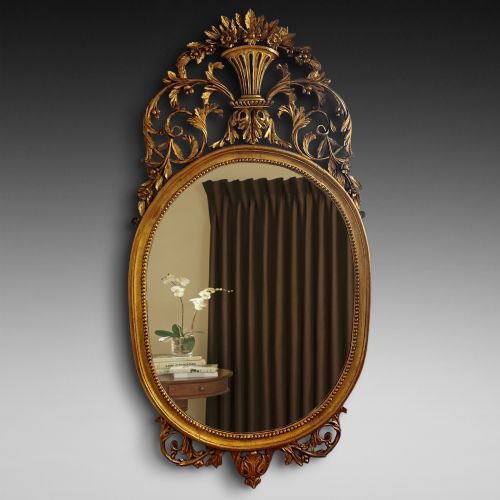
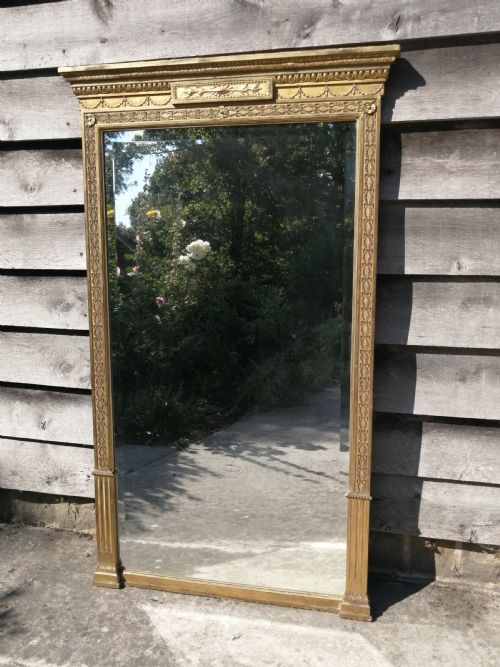
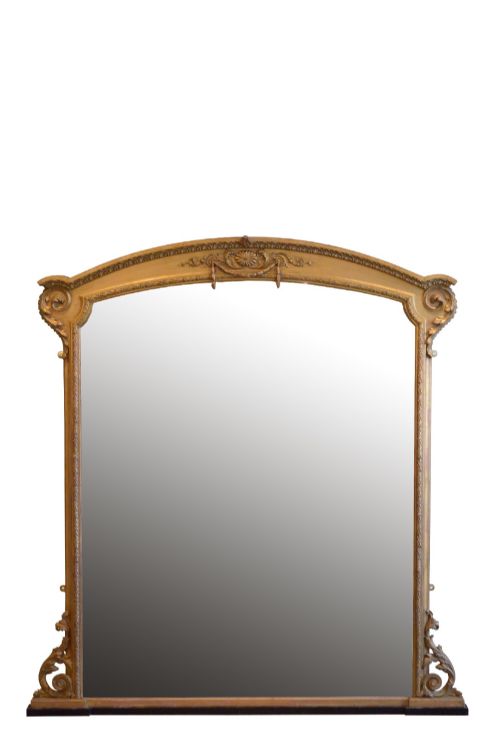
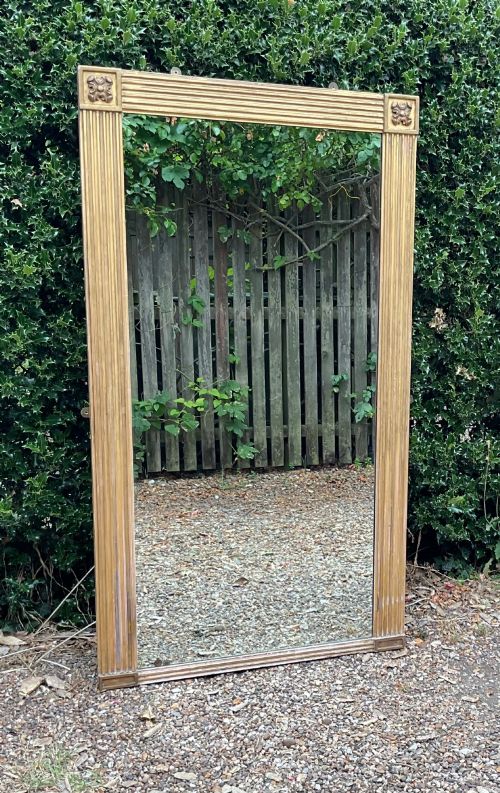
A large georgian mirror brings scale and reflected light into a room, originating primarily from the eighteenth and early nineteenth centuries. The listings frequently feature grand overmantel mirrors, pier glasses designed for the space between windows, and free-standing cheval mirrors.
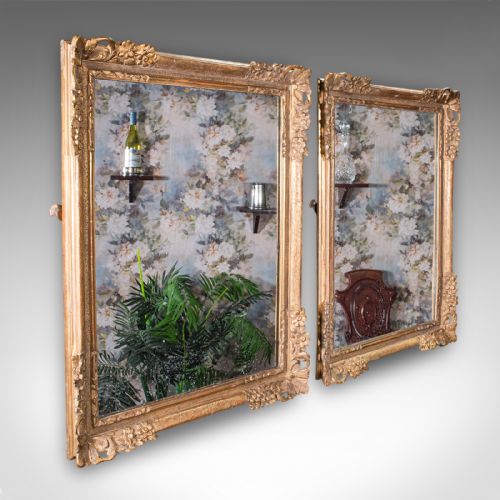
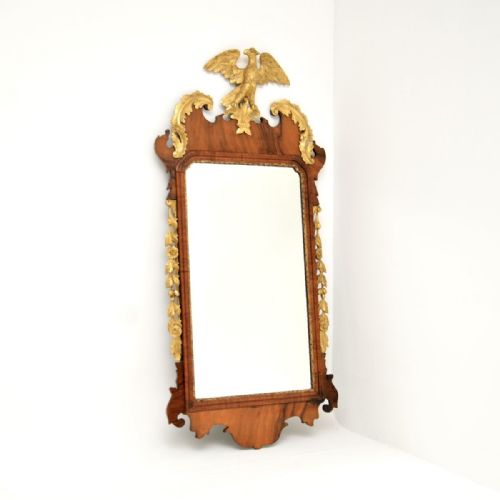
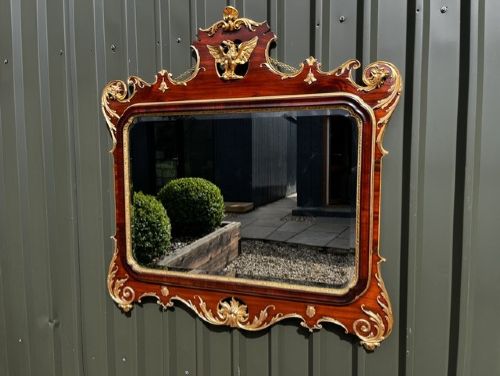
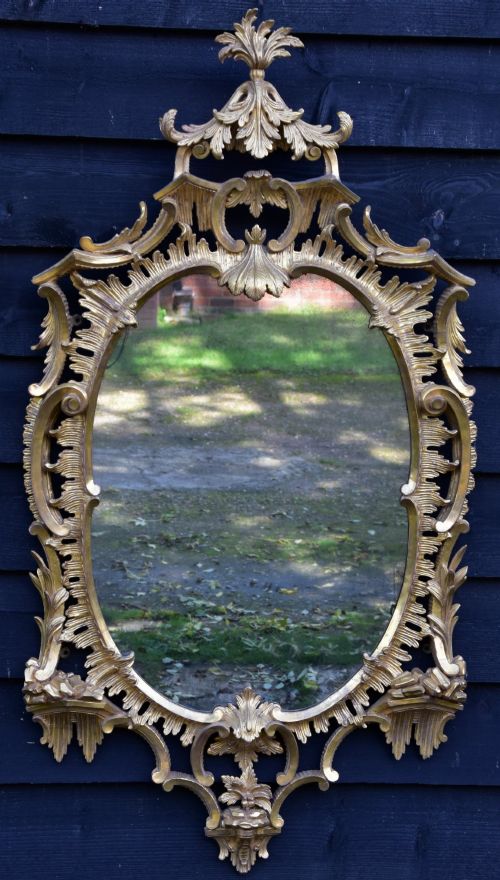
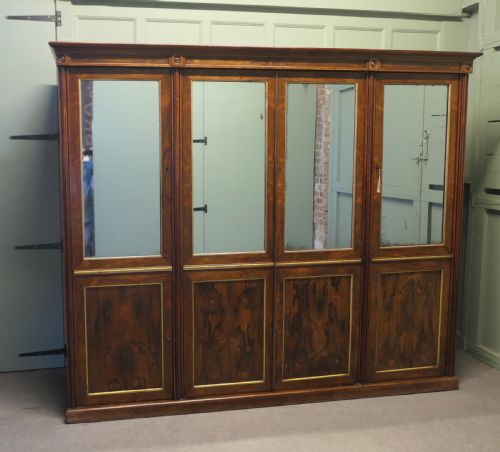
Buyers encounter architectural formats intended for country houses and town residences alike. These pieces range from restrained mahogany fretwork frames to opulent giltwood compositions reflecting neoclassical and rococo tastes.
How they were made
Frames combine structural timbers such as mahogany, pine, and walnut with decorative applications of gesso and carved wood. Craftsmen applied gold leaf or paint over prepared grounds to create opulent gilded surfaces.
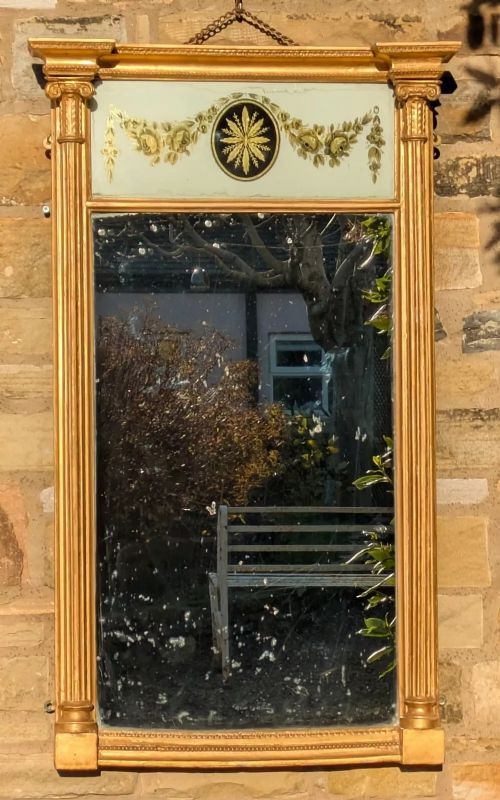
Glass plates vary from early mercury glass to original mirror plates featuring hand-bevelling or light foxing. Construction often incorporates fretwork cutting, parcel-gilt details, and verre eglomise panels.
What varies in quality
The sophistication of the woodcarving and the integrity of the original gilding set superior examples apart from simpler work. Fretwork precision and the depth of the gesso relief indicate the skill of the original workshop.
The survival of original mirror plates and untouched secondary woods preserves the authenticity and historical value of the object.
The Large Georgian Mirror Glossary
- Giltwood
- Wood carved and subsequently coated with gold leaf. This technique defines the most decorative wall and overmantel mirrors in the collection.
- Parcel Gilt
- A decorative finish where portions of a wooden frame are gilded while remaining areas show the natural grain of mahogany or walnut. It creates a controlled contrast between polished timber and bright gold.
- Pier Mirror
- A tall mirror specifically proportioned to hang on the wall space between two windows. These items often feature lower console ledges or matching tables.
- Overmantel Mirror
- A wide mirror designed to sit directly above a fireplace mantelpiece. They dominate the chimney breast and amplify light across principal rooms.
- Verre Eglomise
- A cold decoration technique involving the application of gold or silver leaf to glass, combined with engraving and painting. It appears on elite panels within regional and regency looking glasses.
- Fretwork
- Thin wood shaped with a fretsaw to create intricate geometric or flowing silhouette patterns. It is characteristic of mahogany hanging wall mirrors.
Large Georgian Mirror: Frequently Asked Questions
Where should I hang a large overmantel mirror?
These mirrors anchor a room when positioned centrally above a fireplace mantelpiece, drawing the eye upward and reflecting light.
Ensure the wall structure securely supports the substantial weight typical of these timber and giltwood frames.
How do I distinguish original glass from later replacements?
Original mirror plates frequently exhibit light foxing, minor pitting, and subtle surface distortions created by historic manufacturing methods.
Clear, perfectly flat reflections often indicate modern glass replacements.
What is the difference between a pier glass and a wall mirror?
A pier glass is specifically designed for the narrow wall space between windows, resulting in a tall and slender vertical proportion.
Standard wall mirrors follow broader rectangular, oval, or architectural formats suited to open expanses of wall.
How do I care for antique giltwood frames?
Keep gilded surfaces away from direct sunlight and damp environments to protect the fragile gesso and gold leaf from deterioration.
Dust gently with a dry, soft brush and avoid liquid cleaners entirely.