
Large Garden Planter
When you search for a large garden planter, you find substantial vessels formed from cast iron, terracotta, and copper designed to hold earth and plants.
Large Garden Planter
A large garden planter encompasses substantial vessels utilised for planting, spanning sturdy cast iron urns, terracotta jars, and heavy copper pots. These objects originate from various periods including the eighteenth, nineteenth, and twentieth centuries, reflecting utilitarian and decorative garden traditions.
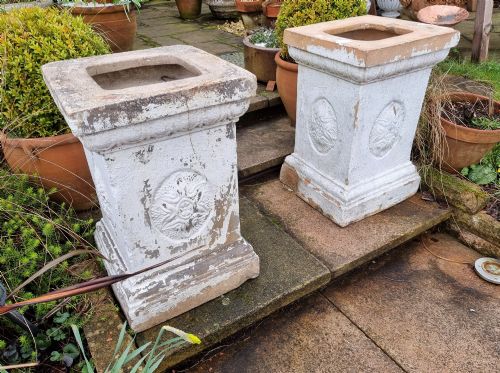
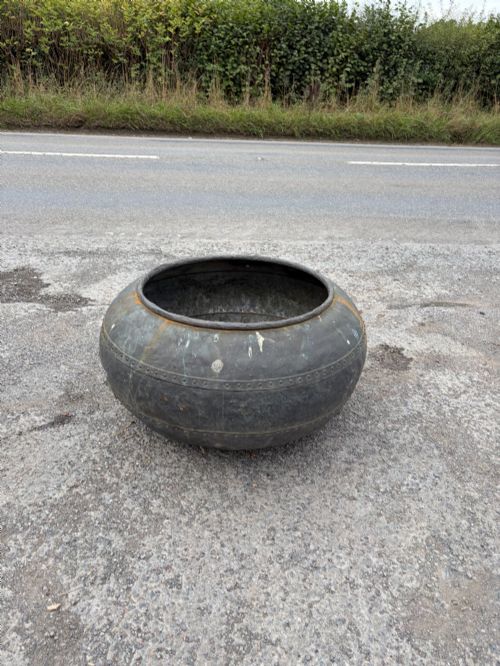
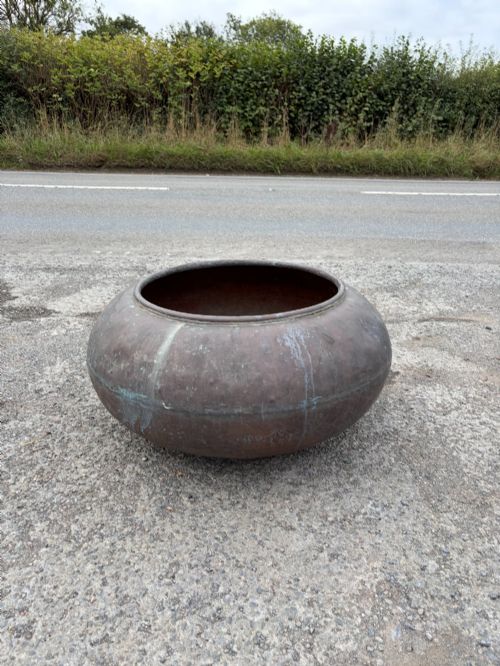
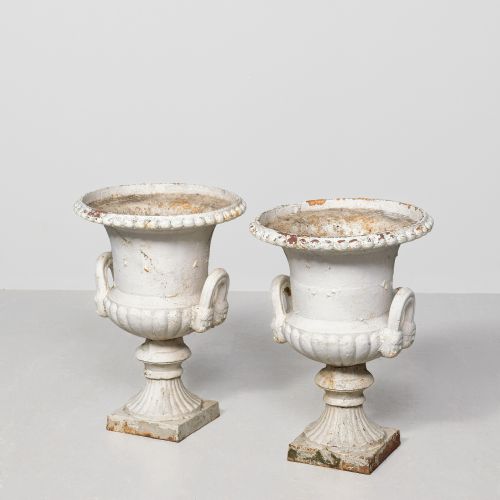
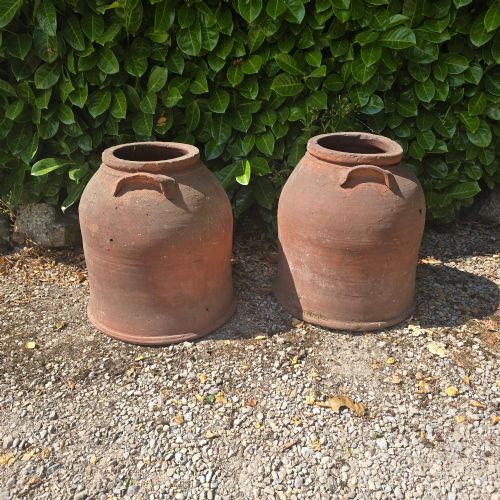
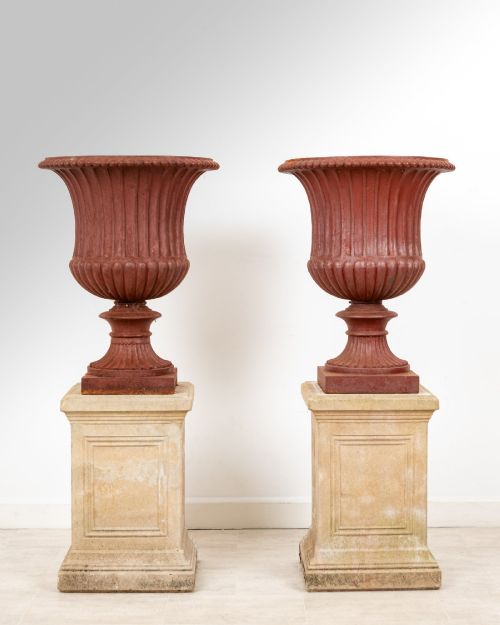
The versions most frequently met on this page include Victorian cast iron campana urns, French copper cheese vats and wash tubs, and Mediterranean terracotta oil jars. These forms often appear as matched pairs or monumental single centerpieces intended for prominent outdoor placement.
Makers and origins range from English foundries to French provincial workshops and Asian kilns, bringing diverse regional styles such as neoclassical, rustic farmhouse, and classical revival into outdoor spaces.
How they were made
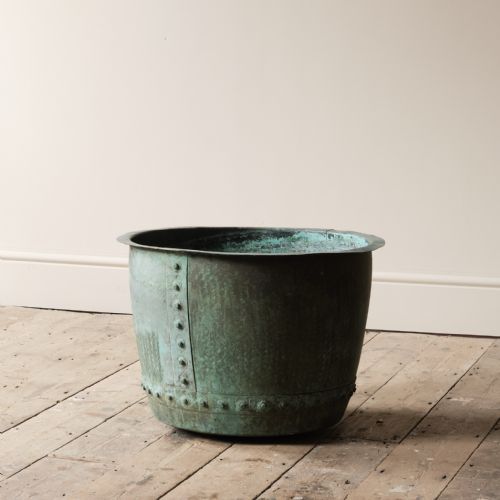
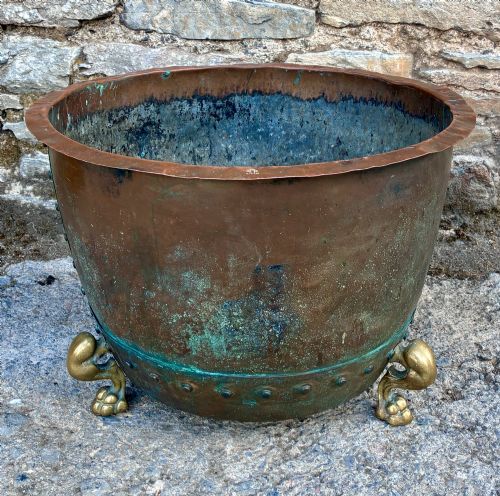
Metal vessels rely on techniques such as hand-riveting heavy copper sheets and casting iron in moulds to achieve robust walls that withstand outdoor elements. Wrought iron additions, swing handles, and brass fittings provide structural support and functional movement.
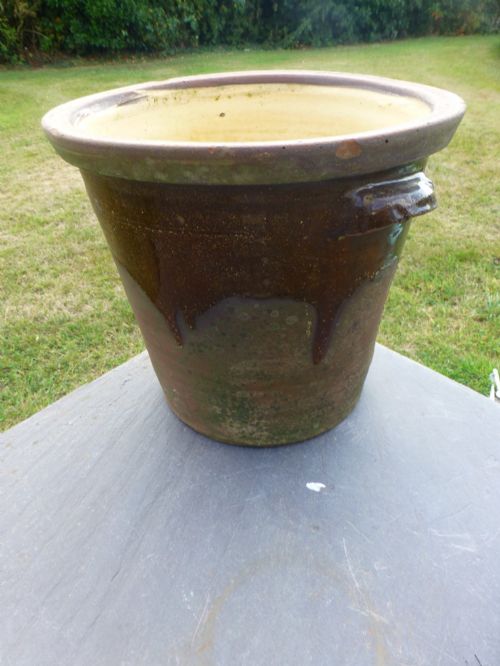
Clay and ceramic pieces employ throwing, moulding, and glazing techniques across earthenware, terracotta, and salt-glazed bodies. Firing methods in regional kilns impart distinct surface textures, ranging from porous terracotta to smooth glazed finishes.
Listings feature vessels spanning the eighteenth, nineteenth, and twentieth centuries, constructed from copper, cast iron, terracotta, and stone.
What varies in quality
The standard of a large garden planter depends upon the crispness of its cast ornamentation, the integrity of its hand-formed rivets, and the depth of its natural surface weathering. Pieces displaying well-balanced proportions and heavy metal gauges hold greater substance than lighter utilitarian vessels.
Provenance and originality distinguish exceptional examples, particularly where mounts, stands, or original plinths remain intact with the main body. The character of the natural verdigris, oxidation, or patination directly reflects the vessel's age and environmental history.
Dunfermline Clay Company
The Large Garden Planter Glossary
- Campana urn
- A bell-shaped garden vessel with a flaring rim, often mounted on a pedestal base. This neoclassical form became popular during the nineteenth century for formal garden displays.
- Verdigris
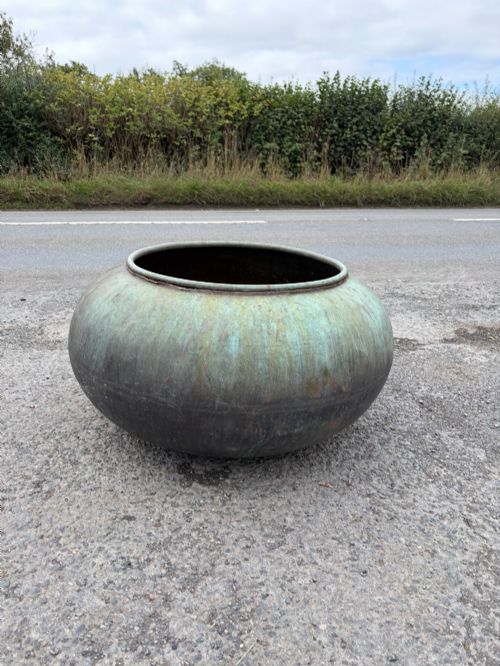
- A green patina formed naturally on copper, brass, or bronze through atmospheric oxidation. This surface layer develops over decades of exposure to moisture and air.
- Terracotta
- A porous, unglazed or lightly glazed fired clay body reddish-brown in colour. It remains a traditional material for Mediterranean oil jars and garden pots.
- Rhubarb forcer
- A tall ceramic or terracotta vessel placed over rhubarb plants to exclude light and blanch the shoots. Gardeners utilised these utilitarian pots in nineteenth-century kitchen gardens.
- Usubata
- A Japanese bronze flower container traditionally utilised for Ikebana flower arrangements. These vessels often feature wide basins supported on slender stems.
Large Garden Planter: Frequently Asked Questions
How do I choose a metal or terracotta planter?
Metal planters in cast iron or copper offer high structural resilience and develop distinct patinas over time. Terracotta and earthenware variants provide porous walls that allow plant roots to breathe while adding traditional warmth to garden spaces.
Consider the weight and scale of the material when selecting a permanent site. Heavy cast iron urns require minimal maintenance once positioned, whereas large terracotta oil jars benefit from protection during severe winter frosts.
Can I leave antique cast iron urns outside?
Cast iron garden urns are manufactured specifically for outdoor environments and withstand year-round weather conditions. Their robust metallic structure handles rain and temperature shifts reliably.
Ensure the drainage hole remains clear so trapped water does not freeze and expand within the casting. Positioning the urn on stone plinths also prevents direct contact with damp soil.
What is the history of copper garden pots?
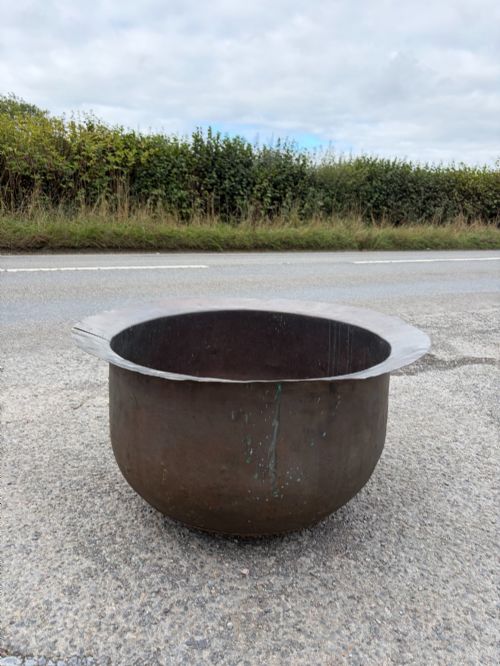
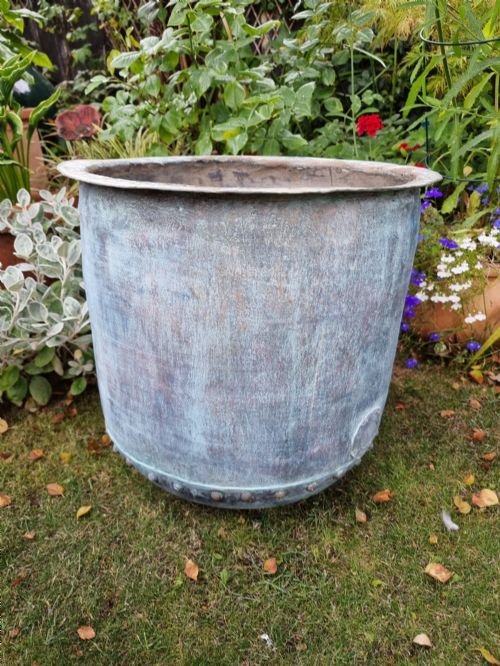
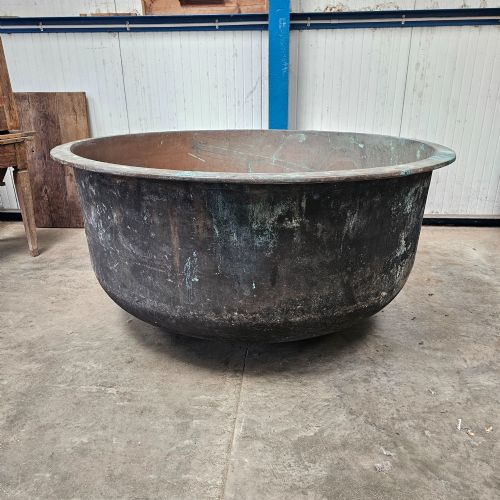
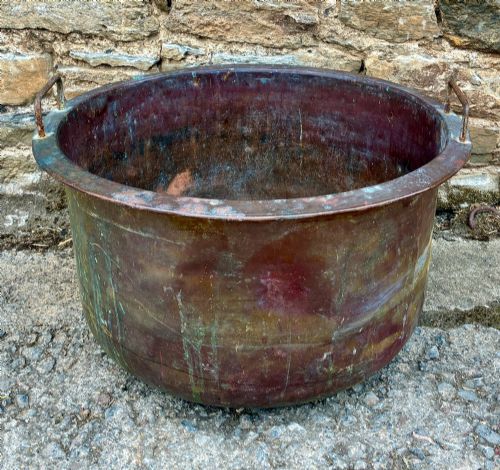
Many large copper vessels began as utilitarian items such as dairy vats, wash tubs, and brewing coppers before finding a second life in gardens. Hand-riveted construction and wrought iron handles mark their industrial origins from the nineteenth century.
Over decades outdoors, these working vessels develop characteristic verdigris finishes. Their generous proportions make them suitable for displaying large shrubs and floral arrangements.
How do I identify a nineteenth-century garden urn?
Nineteenth-century cast iron and terracotta urns typically exhibit classical revival or neoclassical motifs such as egg-and-dart moulding, fluting, and lion mask handles. Examining the casting seams and surface oxidation reveals the manufacturing methods of the period.
Matched pairs often display subtle hand-finished variations unique to period foundry work. Documentation or distinct foundry marks further confirm the era of production.