


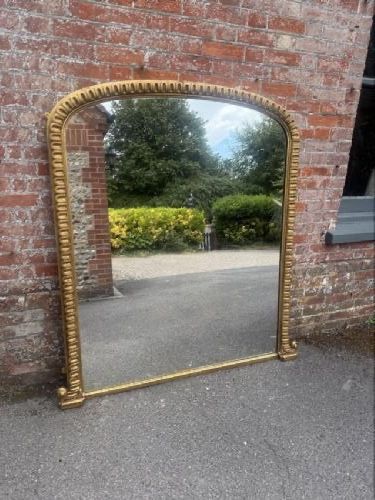
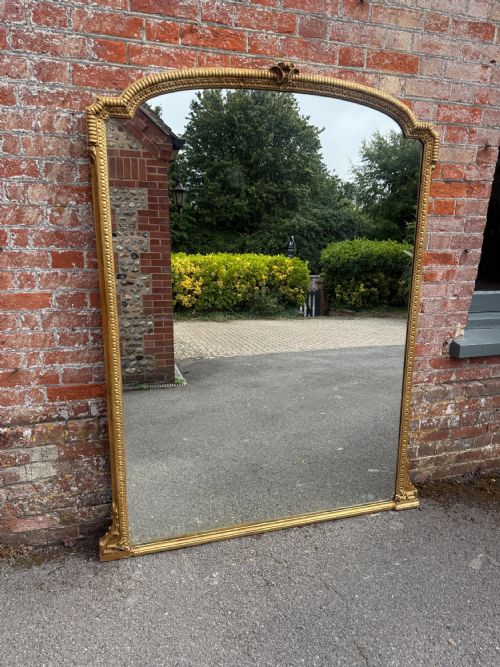
Large French Gilded Mirror
A large french gilded mirror commands space in a room, reflecting light through centuries of decorative ambition.
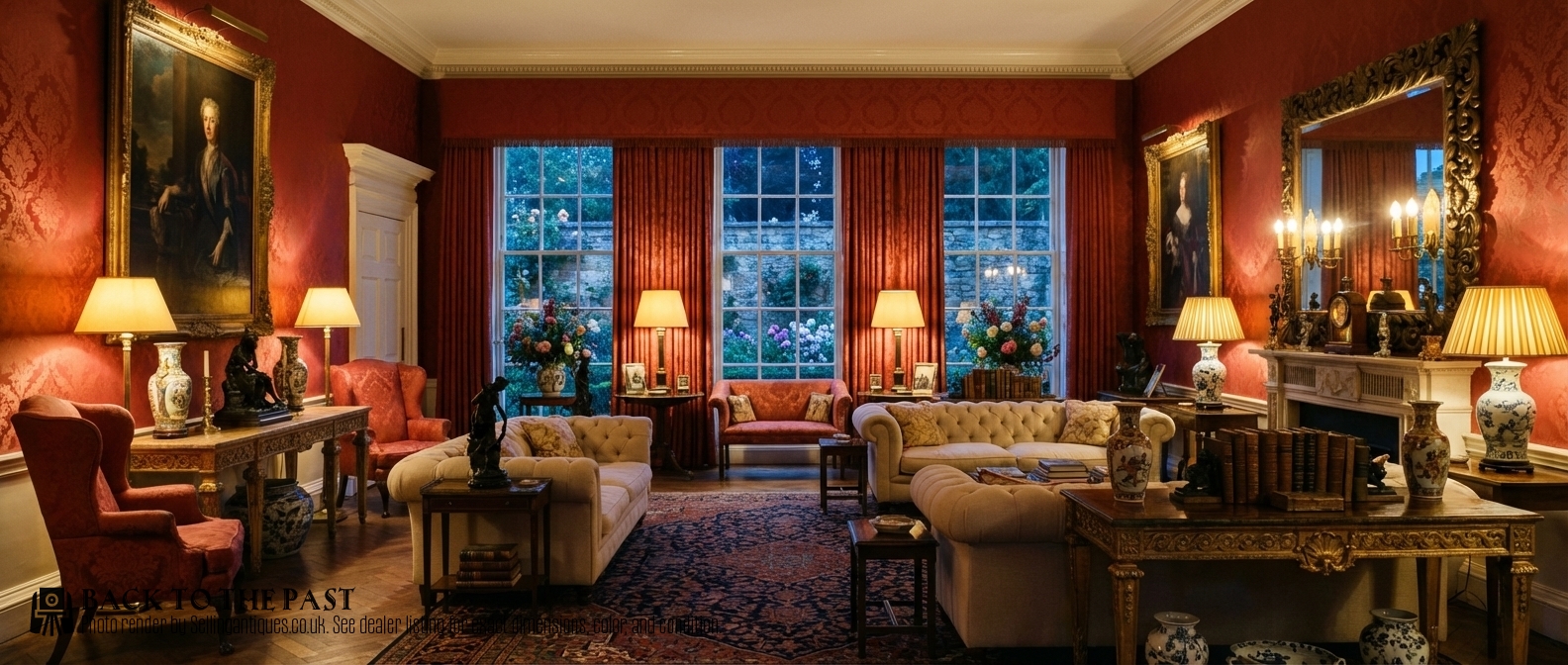
Large French Gilded Mirror
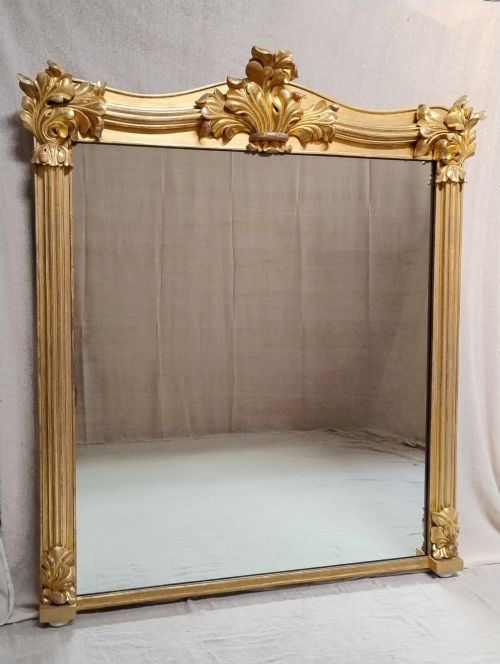
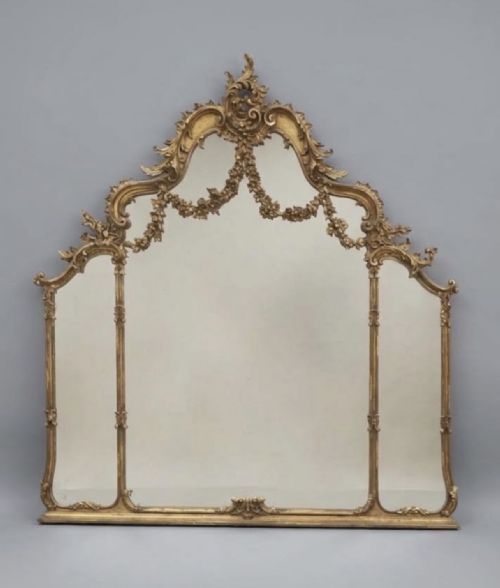
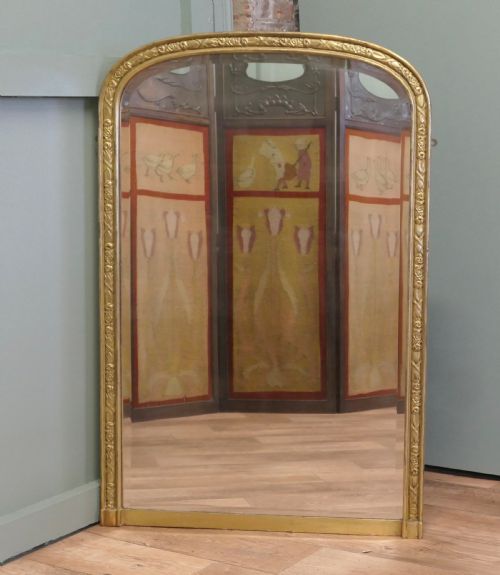
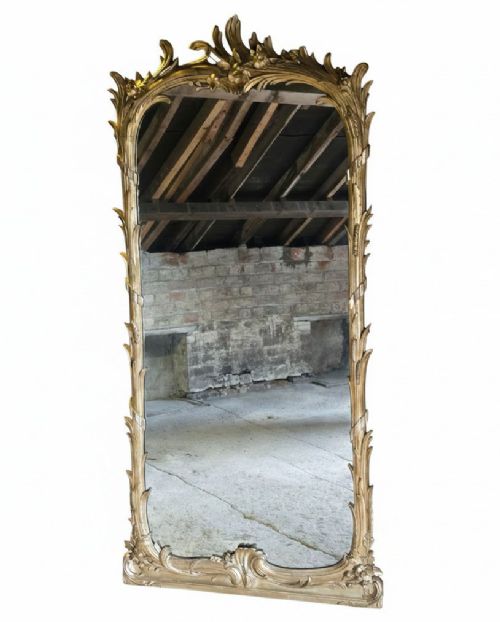
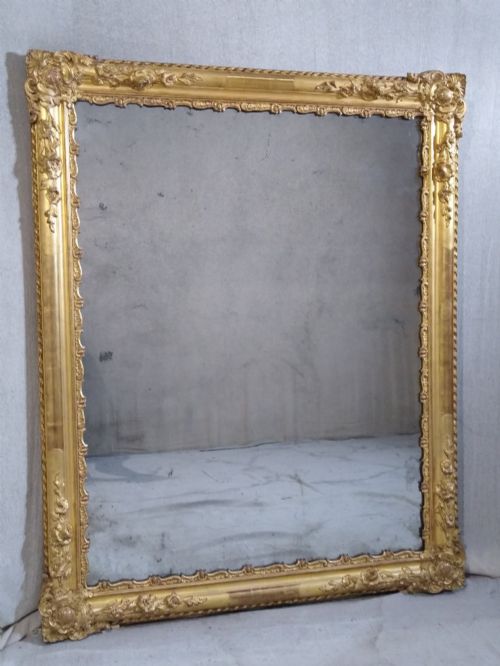
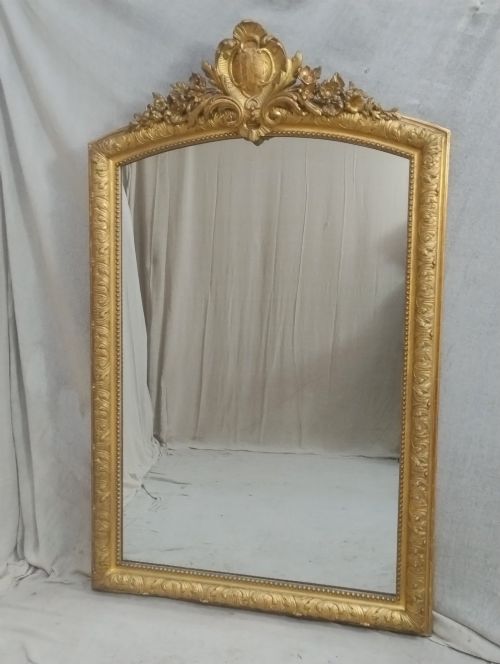
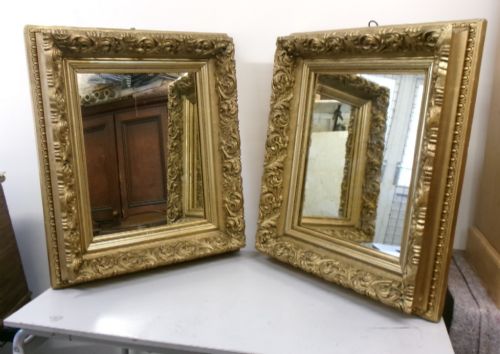
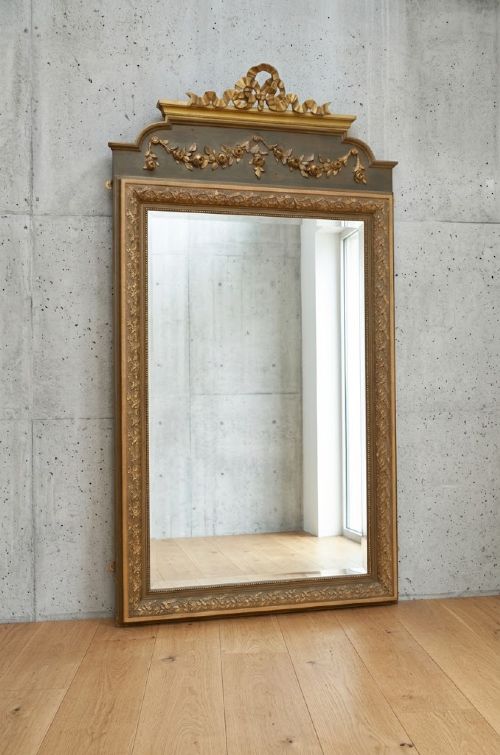
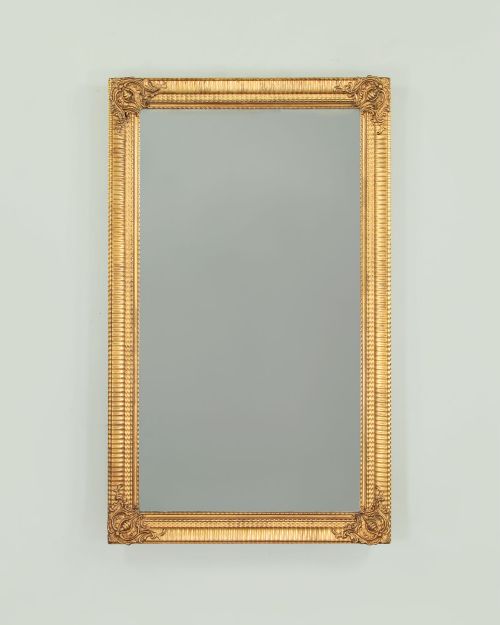
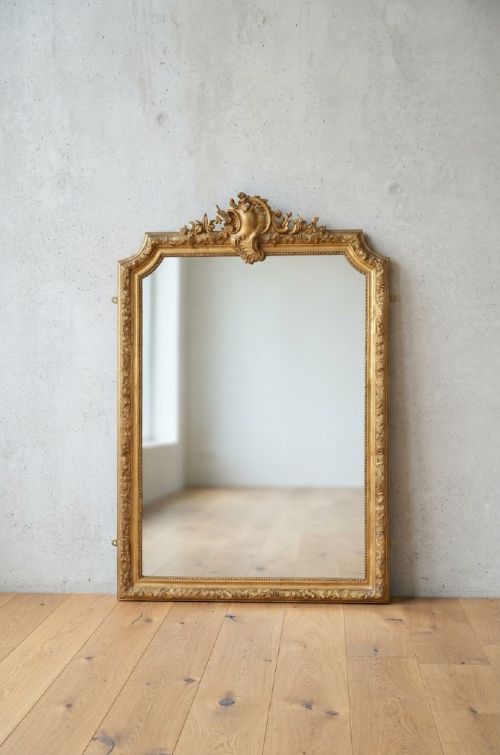
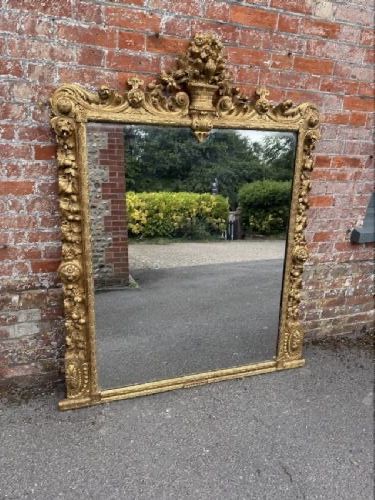
When searching for a large french gilded mirror, a buyer encounters grand wall pieces, towering leaner mirrors, and architectural overmantels designed to anchor a principal reception room. These objects originate predominantly across the nineteenth century, drawing on periods such as the Victorian era, Napoleon III, and the Regency.
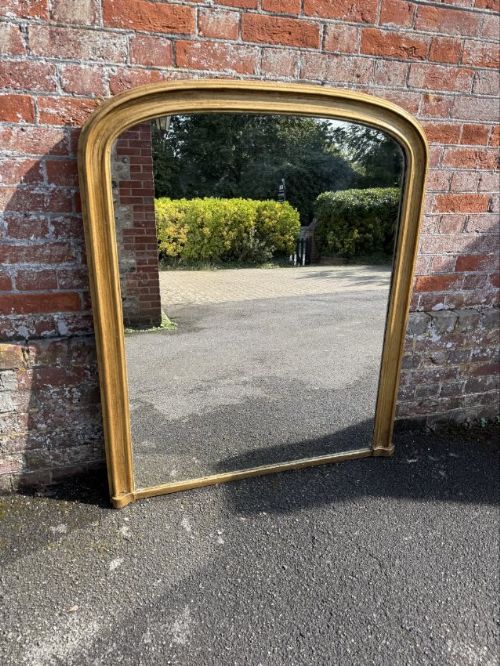
The most common form on this page is the nineteenth-century overmantel or wall-hanging mirror, frequently displaying Louis Philippe simplicity or exuberant Rococo Revival carving. Such items were built to amplify natural daylight in high-ceilinged drawing rooms and salons by filling expansive wall expanses.
Originating from French workshops and chateaus, these mirrors often incorporate regional stylistic shifts, moving from classical restraint to ornate crests, ribbon motifs, and rope twist frames. The survival of original glass, whether clear or foxed with age, determines much of the historical character encountered here.
How they were made
Makers constructed the structural carcasses of these pieces from timber such as wood, applying layers of gesso to build up intricate relief ornaments before gilding. Artisans used gold leaf or silver-gilt laid over the prepared surfaces to achieve a luminous metallic sheen.
Detailing relied heavily on composition, a mouldable paste pressed into decorative motifs and applied directly to the wooden frames. Mirror glass, including traditional mercury plates, was fitted into the rebates, often secured by original backboards.
Listings feature eighteenth-century and nineteenth-century pieces incorporating wood, gesso, giltwood, and painted finishes.
What varies in quality
The depth and definition of the carved wood and applied gesso ornamentation distinguish exceptional examples from simpler production. Crisp relief work on crests and corners indicates skilled hand-carving rather than mass-produced composition pressings.
The preservation of the original gilt surface and the character of the mirror plate itself dictate the tier of the piece. Unrestored gold leaf retaining its original warmth sits above later repainted surfaces, while genuine period glass with natural foxing adds historical depth.
The Large French Gilded Mirror Glossary
- Giltwood
- Wood carved and subsequently covered with gold leaf or metal leaf. This surface treatment provides the characteristic bright reflection seen on antique frames.
- Gesso
- A plaster-like mixture applied to wood frames to create a smooth surface for gilding or to be moulded into relief decorations. It allows for sharp architectural details.
- Overmantel
- A mirror specifically proportioned to hang above a fireplace mantelpiece. These pieces are often wide and low, designed to reflect the hearth.
- Mercury glass
- An early type of mirror glass made by pouring a mercury-tin amalgam behind the glass plate. It creates a distinctive speckled appearance known as foxing over time.
- Trumeau
- A decorative wall panel incorporating a painted scene or mirror glass within architectural framing. They frequently appeared between windows in grand French interiors.
Large French Gilded Mirror: Frequently Asked Questions
How do I hang a heavy antique mirror safely?
Large framed mirrors require secure fixing directly into structural wall studs or masonry using heavy-duty brackets rated for the weight. Leaner mirrors should be anchored at the top to prevent tipping.
Professional installation is recommended for monumental pieces to distribute the load evenly across the wall surface.
What is Louis Philippe style?
Louis Philippe design spans the mid-nineteenth century, characterised by clean lines, gentle rounded upper corners, and restrained classical proportions. These mirrors offer decorative presence without heavy ornamentation.
They blend easily into contemporary interiors due to their architectural simplicity and balanced proportions.
Why does old mirror glass look speckled?
The dark spots and cloudiness, known as foxing, occur when the backing medium degrades through oxidation over many decades. This chemical ageing process creates a soft, atmospheric reflection.
Many collectors prize original foxed glass because it confirms the genuine age of the mirror plate.
How should I clean a gilded frame?
Dust the carved surfaces gently with a soft, dry brush to prevent damage to fragile gesso and gold leaf. Moisture and modern chemical cleaners can strip the historical metallic finish.
Regular light maintenance preserves the aged patina without disturbing the delicate composition ornaments.