


Large Earthenware Urn
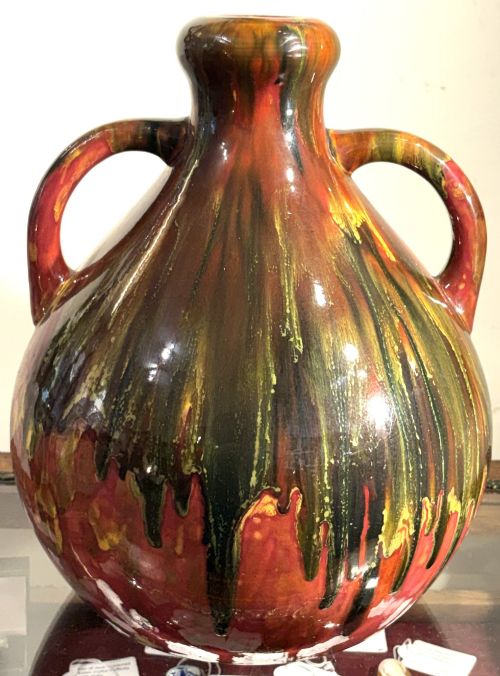
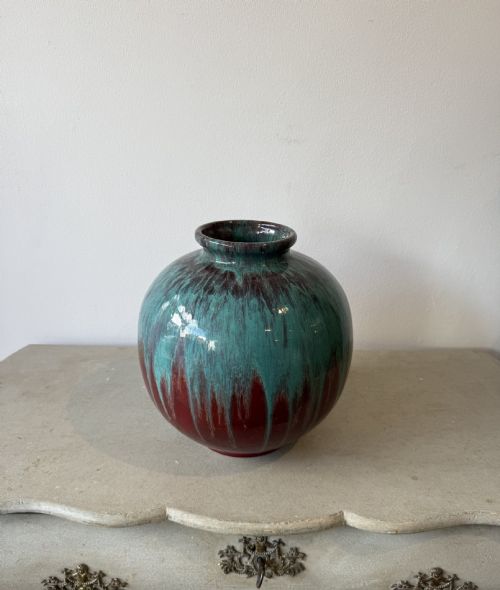
These large earthenware urn vessels bring substantial presence to a room, spanning garden planters, oil jars, and decorative Japanese vases.
Large Earthenware Urn
A large earthenware urn serves varied domestic and garden functions across centuries of production, appearing as storage vessels, planters, and ornamental display pieces. Buyers seek these substantial forms for their architectural weight and historic character within interior and exterior spaces.
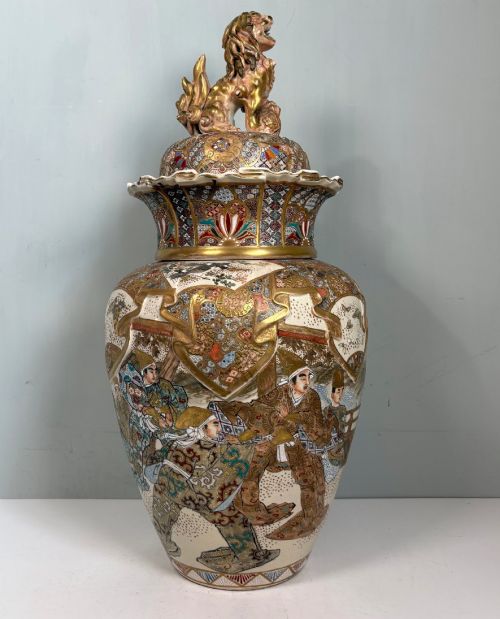
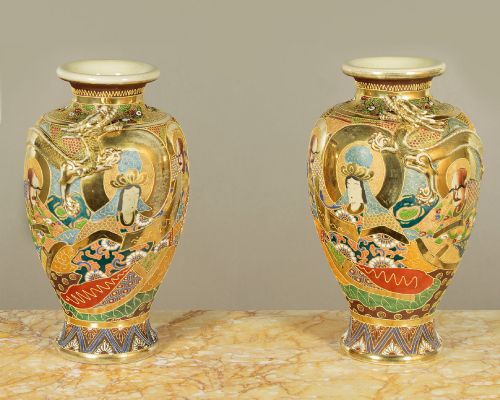
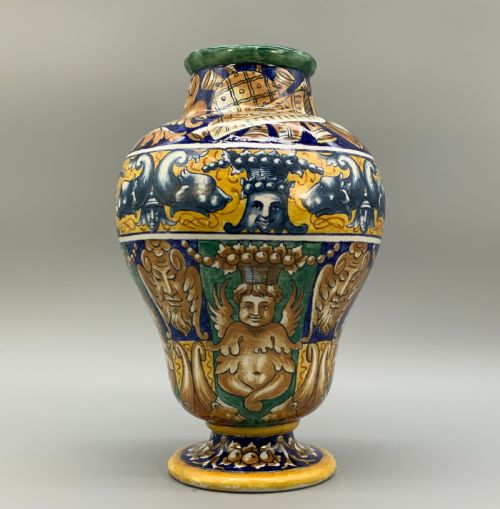
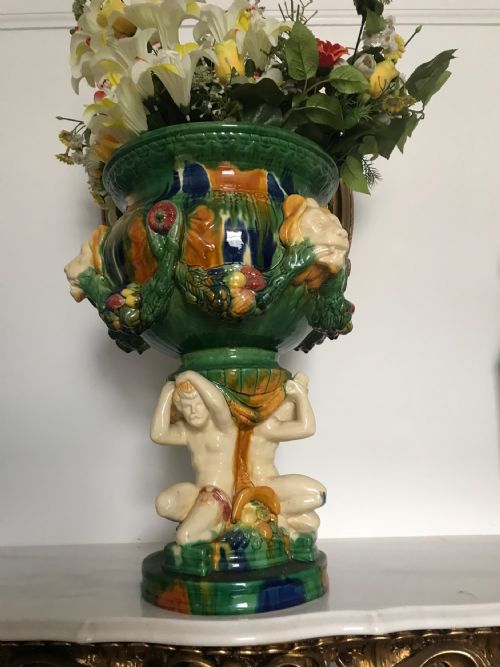
The selection ranges widely across origins and traditions, encompassing Japanese Satsuma wares from the Meiji period alongside European majolica, delft, and terracotta garden vessels. Pieces from the eighteenth and nineteenth centuries dominate the current offerings, showing both utilitarian roots and elaborate decorative ambitions.
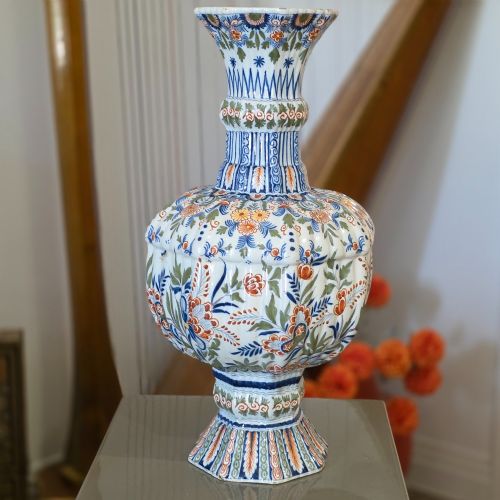
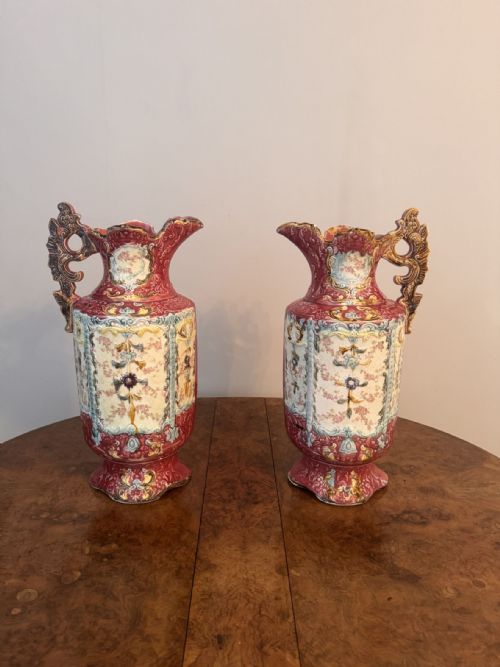
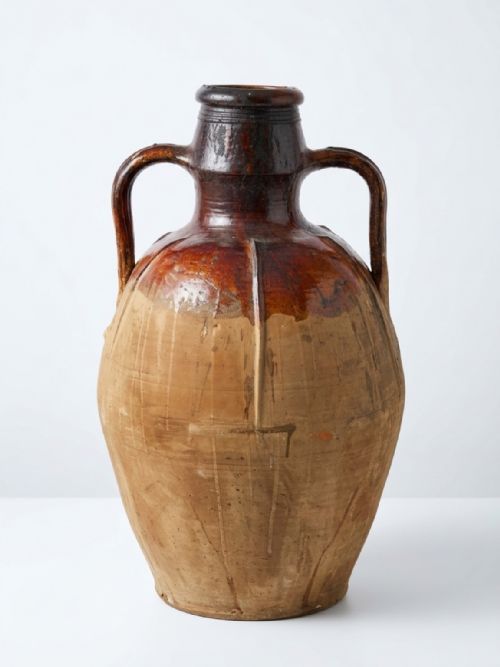
Forms include massive oil jars and amphorae meant for Mediterranean courtyards, as well as refined blue and white delft beakers and majolica garden pedestals. Many examples survive in matched pairs, offering symmetry for grand entryways or architectural settings.
Methods and Materials
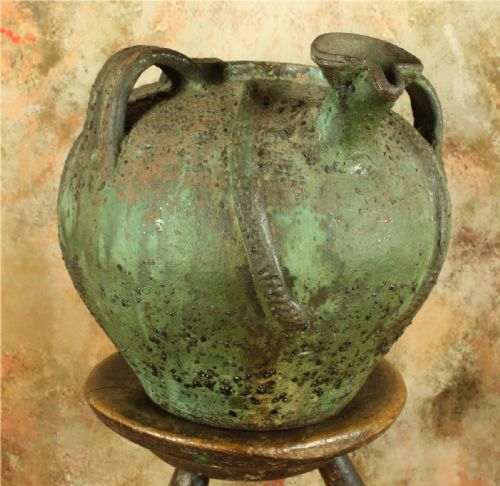
Potters shaped these large earthenware urn bodies from regional clays, utilising both wheel-throwing and extensive hand-building or moulding techniques to achieve substantial scale. Terracotta and standard earthenware formed the structural base for utilitarian oil jars and garden planters.
Glazes define the decorative surface across much of the selection, including tin glaze for delftware, polychrome enamel painting on Japanese Satsuma pieces, and rich lead glazes on majolica and faience. Gold leaf occasionally highlights intricate figural and dragon scenes on Meiji period Japanese ceramics.
Materials represented across the inventory include terracotta, tin glaze, gold leaf, and traditional ceramic earthenware.
Assessing Quality
Quality rests upon the crispness of the modelled relief work, the stability of large-scale potting, and the precision of hand-painted detail. Master workshops achieved remarkable balance and symmetry despite the technical hurdles of firing monumental clay bodies.
Surface finish distinguishes standard production from exceptional studio output, visible in the depth of tin glazes, the complexity of polychrome enamel work, and the preservation of original stands or covers. Pieces bearing signatures from recognised makers demonstrate superior artistic execution.
Hotoda·Minton·Burmantofts Faience·Poole Pottery
The Large Earthenware Urn Glossary
- Majolica
- A type of earthenware coated with an opaque white tin glaze and painted with metallic oxide colours. It gained immense popularity during the nineteenth century for decorative vases and garden planters.
- Satsuma
- Japanese earthenware pottery featuring a crackle-glaze ivory ground decorated with elaborate enamel and gold leaf. These pieces frequently depict historical figures, samurai scenes, and dense floral motifs.
- Terracotta
- Unglazed or fired porous clay ranging in colour from light orange to deep red. It serves primarily for Mediterranean oil jars, garden urns, and large architectural planters.
- Delft
- Tin-glazed earthenware originating in the Netherlands, traditionally executed in blue and white or manganese. Early examples draw influence from Chinese porcelain imports.
- Faience
- European tin-glazed earthenware produced across France and the Netherlands. It often mimics oriental porcelain designs or adopts elaborate Baroque styles.
- Amphora
- A two-handled ancient storage vessel form revived in nineteenth-century terracotta and ceramic production. These large vessels typically feature a tapered base and robust handles.
Large Earthenware Urn: Frequently Asked Questions
Where should I place a large earthenware urn?
These large vessels suit heavy architectural placement, such as entrance halls, garden terraces, or flanking a fireplace. Their substantial scale requires sturdy flooring or dedicated stands.
Garden-oriented terracotta jars anchor planting schemes outdoors, while glazed Satsuma and delft vases function as focal points within interior reception rooms.
How do I care for antique terracotta?
Terracotta is a porous material that absorbs moisture and remains vulnerable to frost damage during freezing temperatures. Keep unglazed garden urns indoors or under cover through winter months.
Clean surfaces gently with a soft brush and water, avoiding harsh chemical detergents that might penetrate the historic clay body.
Are these urns waterproof?
Utilitarian oil jars and garden planters were designed to hold liquids or damp soil, though historic hairline fractures can develop over centuries. Glazed ceramic and majolica vases often require internal liners if utilised for fresh floral arrangements.
Examine the interior base for drainage holes or old repairs before exposing the piece to standing water.
How can I distinguish Japanese Satsuma from European imitations?
Authentic Meiji period Satsuma displays a fine, characteristic network of crazing across the creamy ivory glaze beneath intricate hand-painted enamels. Signatures of specific artists or studios frequently appear on the base.
European factories like Minton produced majolica pieces with entirely different paste characteristics, distinct weight profiles, and typical nineteenth-century British registry marks.