





Large Display Platters
These large display platters command attention on a wall or sideboard, offering substantial porcelain and metal canvases for intricate historical decoration.
Large Display Platters
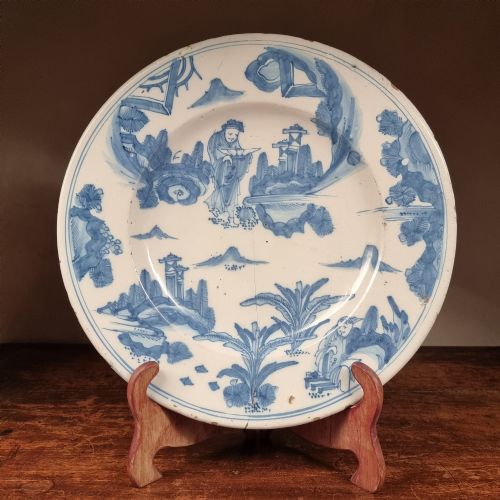
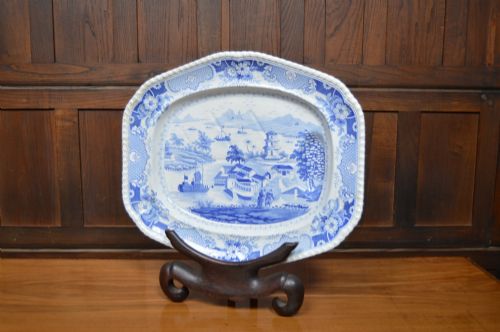
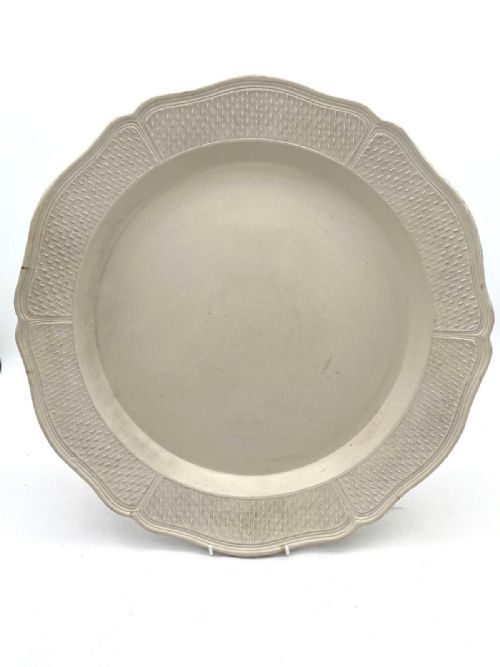
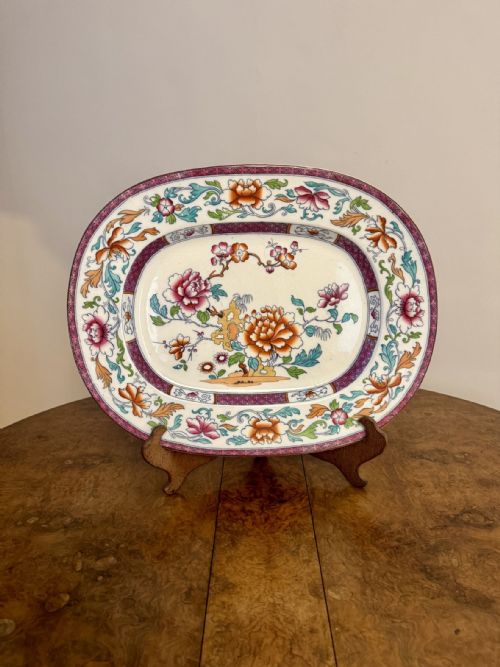
Large display platters encompass wide decorative plates, chargers, and serving vessels intended primarily for visual impact rather than dining use. When searching for large display platters, buyers encounter robust earthenware, tin-glazed pottery, and fine porcelain spanning centuries of ceramic and metalwork tradition.
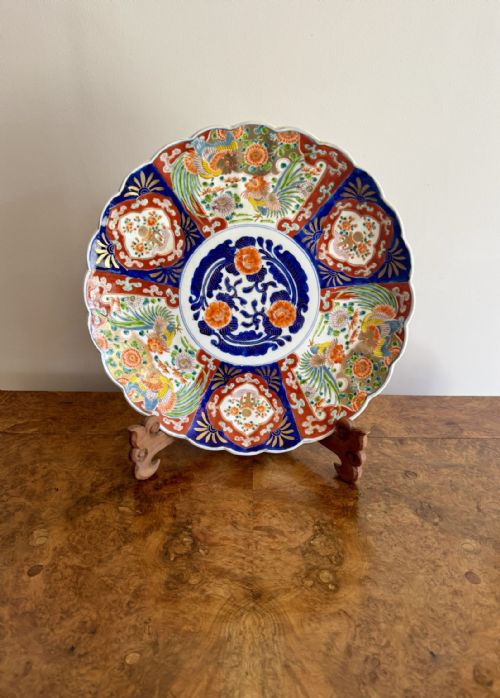
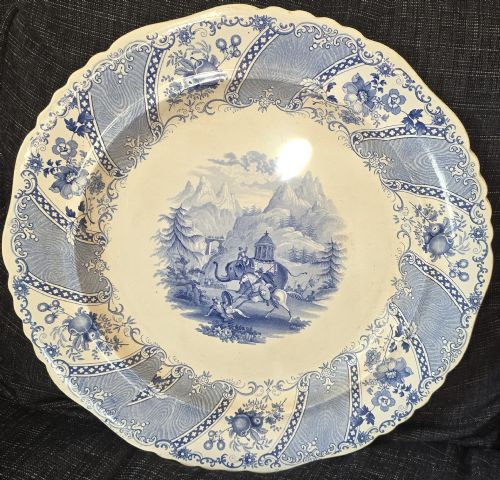
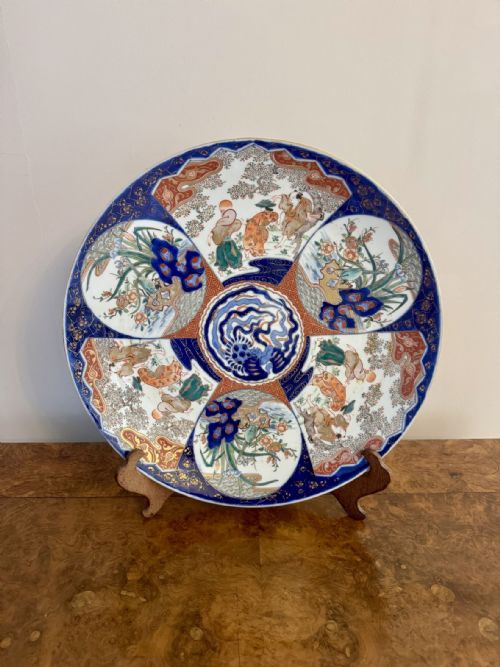
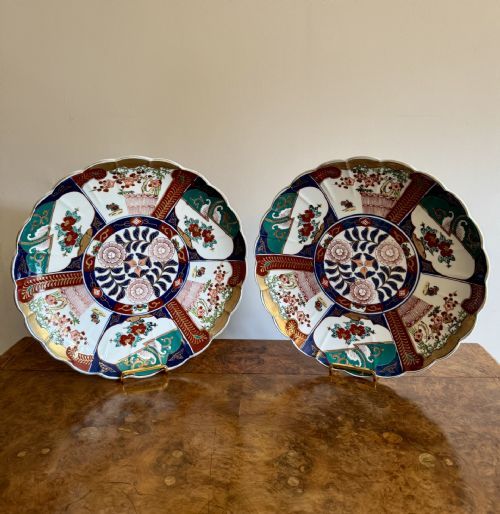
The selection on this page relies heavily on Japanese Imari porcelain chargers from the Meiji period and late nineteenth century, alongside European delftware, transferware, and metal trays. These forms range from circular dishes to scalloped and square plates designed to draw the eye in domestic interiors.
How they were made
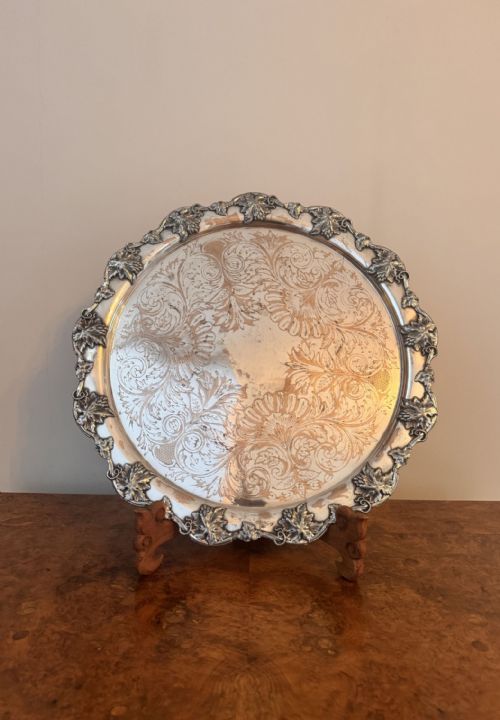
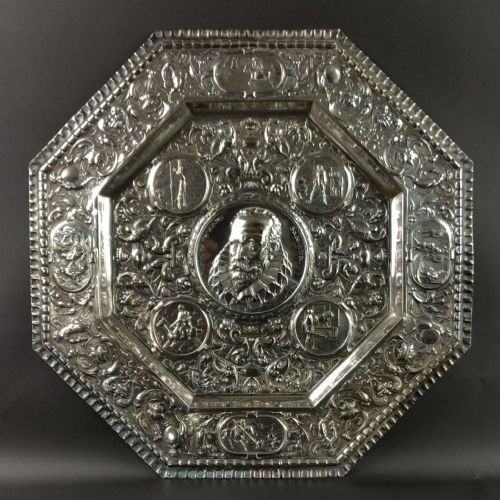
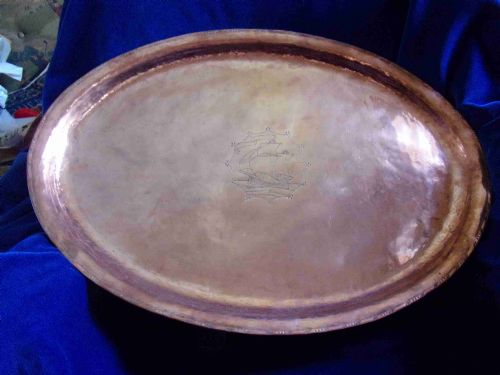
Potters and artisans shaped these large display platters from ceramic bodies such as porcelain, earthenware, and saltglazed clay, frequently finishing them with rich glazes and hand-painted pigments. Metal versions utilise copper, brass, and silver plating formed through repoussé work and applied enamel.
Techniques varied from the delicate underglaze blue and polychrome enamels of Japanese Arita wares to the vibrant tubelined designs of later earthenwares. Metal chargers display hammered relief details and etched motifs executed by skilled metalworkers.
Several platters depict mythical creatures, court life, and Mount Fuji, proving that Victorian and Meiji artisans understood the power of a dramatic view.
What varies in quality
Quality rests upon the crispness of the hand-painted brushwork or the depth of the metal repoussé relief, separating mass-produced items from masterworks. Superior examples display precise control over glaze firing and pigment saturation without blurring or running.
The crispness of moulded details and the preservation of original surface finishes dictate the standing of each piece. Heavier gauge metal and finely potted ceramic bodies with stable glazes represent the higher end of historical production.
Hugh Wallis·Charlotte Rhead Crown Ducal·Thomas Alderson
The Large Display Platters Glossary
- Charger
- A large ornamental plate or platter typically exceeding standard dinnerware dimensions, used for display or ceremonial service.
- Imari
- A style of Japanese export porcelain featuring characteristic underglaze blue and iron red highlights, often enriched with gilt.
- Repoussé
- A metalworking technique where the artisan hammers the design from the reverse side to form a raised relief on the front.
- Delftware
- Tin-glazed earthenware produced in the Netherlands and England, known for its white surface painted with blue or polychrome designs.
- Tubelining
- A ceramic decoration method where liquid clay is squeezed through a nozzle onto the body to create raised outlines for enamel colours.
Large Display Platters: Frequently Asked Questions
How were large display platters historically used?
These large vessels served primarily as decorative centerpieces on sideboards or as wall plates in affluent households.
Their substantial size allowed makers to showcase complex pictorial scenes and heraldic designs for guests to admire.
How do I hang a heavy charger safely?
Wall display requires a properly fitted spring-loaded brass plate hanger that distributes the weight evenly across the rim.
Ensure the fixing is anchored securely into wall studs rather than plaster alone to support the heavier ceramic and metal pieces.
How do I distinguish Imari porcelain periods?
Earlier Edo period pieces show softer paste bodies and subtle iron red tones, while Meiji period items often exhibit brighter, denser palettes.
Examining the foot rim and glaze pooling helps identify the firing methods characteristic of specific decades.
Can these platters be used for serving food?
While structurally sound, antique platters often feature delicate glazes or soft metals that can be damaged by cutlery and acidic foods.
Historic surfaces are best preserved through visual display rather than daily domestic utility.