





Large Decorative Wall Hanging
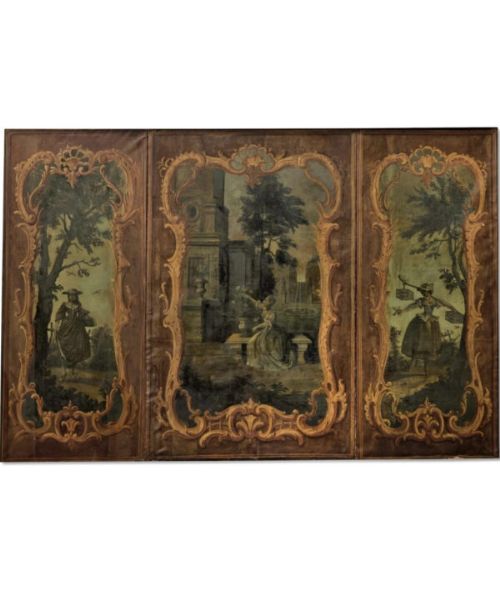
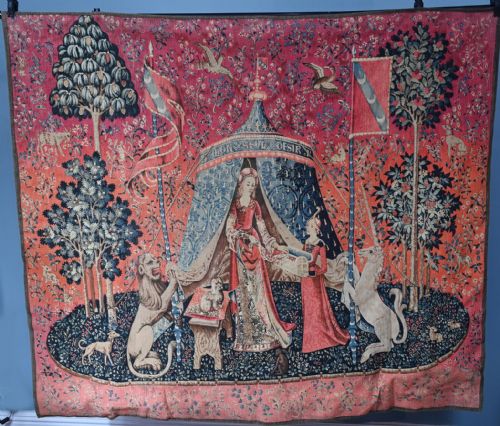
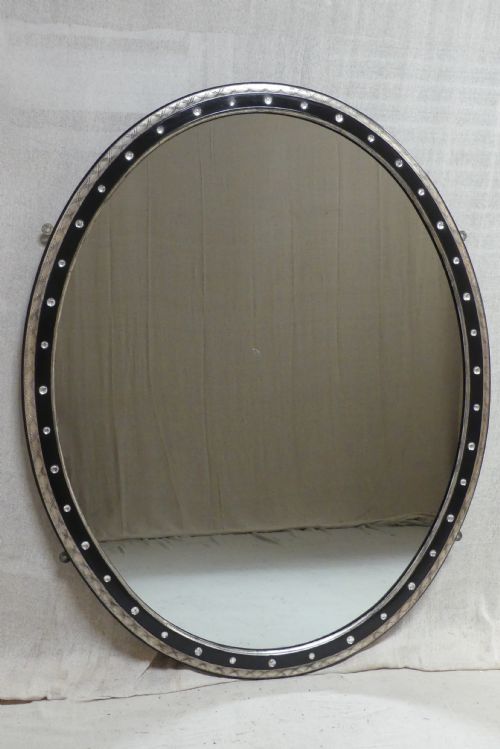
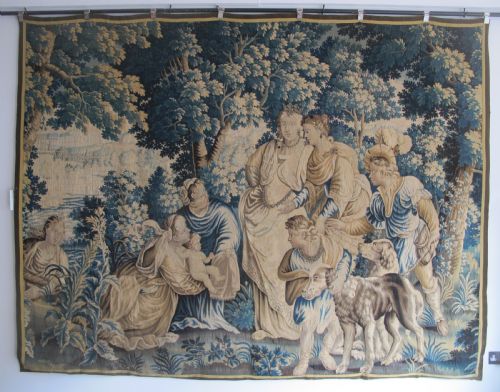
Large decorative wall hanging pieces bring scale and texture to a room, spanning carved mirrors, woven tapestries and heavy ceramic chargers.
Large Decorative Wall Hanging
A large decorative wall hanging encompasses an array of substantial objects designed to furnish empty wall space, from heavy timber mirrors to expansive textile panels. Buyers searching this phrase meet everything from nineteenth-century giltwood overmantels to woven wool tapestries and wide ceramic chargers.
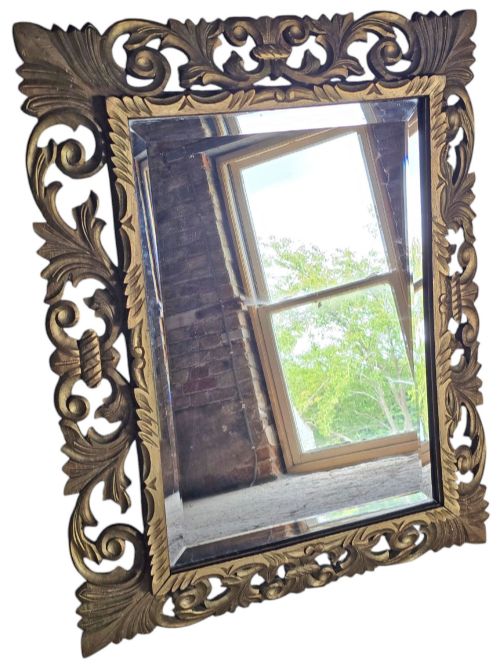
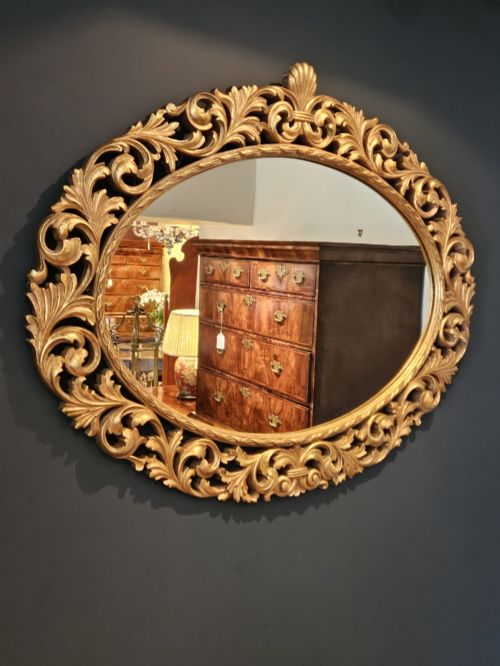
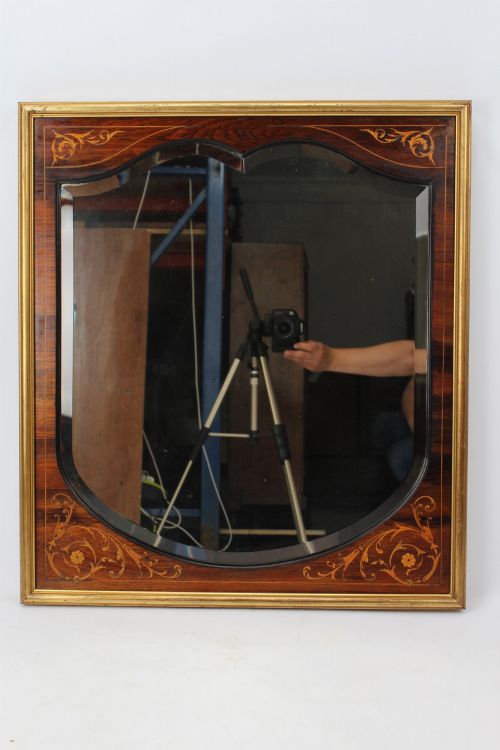
Mirrors form a prominent part of the selection, particularly nineteenth-century examples featuring carved gesso, parcel gilt finishes and detailed frames. Alongside these sit woven wall coverings, crewelwork panels and large metal or porcelain chargers meant for display.
How they were made
Makers utilised traditional hand-crafting methods across wood, metal, glass and textiles, combining carved timber with applied gesso and gold leaf for framed pieces. Mirrors often incorporate bevelled or new glass set into ornate giltwood and carved oak structures.
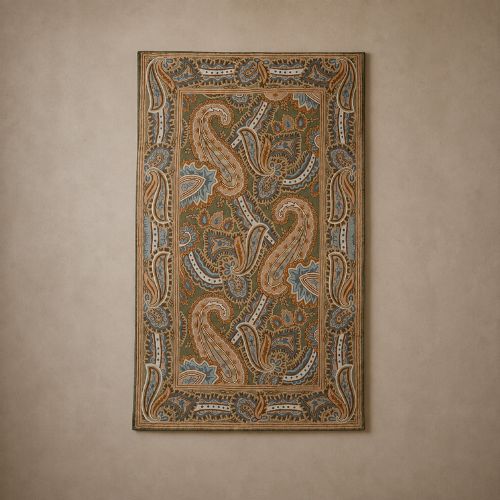
Textiles rely on hand-woven wool, metal threads and crewelwork embroidery on fabric grounds, while metal chargers and trays display beaten pewter, engraved copper, or mixed metal work. Ceramics such as porcelain and earthenware are hand-painted with detailed polychrome designs.
One brass sign shaped entirely as a giant spoon and fork waits to feed a very hungry wall.
What varies in quality
The standard of a large decorative wall hanging rests upon the depth and precision of the hand-carving in the frame or the complexity of the weave in a tapestry. Superior pieces show crisp detailing in gesso mouldings, well-preserved gilding, and fine hand-painted or embroidered motifs.
Material selection dictates much of the distinction, separating standard production items from pieces executed in fine wool, heavy brass, or detailed porcelain. The integrity of the original surface finish, whether aged giltwood or untouched bronze, defines the visual impact.
The Large Decorative Wall Hanging Glossary
- Giltwood
- Wood that has been coated with gold leaf or a gold-coloured finish. This technique was widely applied to nineteenth-century mirror frames.
- Charger
- A large decorative plate or dish intended for display on a wall or sideboard rather than for dining. These often feature painted porcelain or beaten metal.
- Gesso
- A plaster-like mixture applied to wood surfaces as a base for paint or gilding. It allows for intricate moulded relief decoration on frames.
- Tapisserie
- A form of textile art woven on a vertical or horizontal loom using wool, silk, or metal threads. These panels frequently depict historic, floral, or biblical scenes.
- Overmantel
- A large mirror or painting designed to be hung specifically above a fireplace mantelpiece. They often feature horizontal proportions and ornate framing.
Large Decorative Wall Hanging: Frequently Asked Questions
How do I hang a heavy wall hanging safely?
Heavy mirrors and large wooden panels require secure fixings anchored directly into wall studs or masonry using appropriate heavy-duty brackets.
Weight distribution is vital for large textiles and metal chargers, which often utilise robust batten systems or dedicated mounting wires.
How should I clean antique giltwood frames?
Dust giltwood frames gently with a soft, dry brush to avoid disturbing fragile gesso and gold leaf surfaces.
Moisture and chemical cleaners should be strictly avoided as they can strip or discolour historical gilding.
Are textile wall hangings prone to fading?
Wool and silk tapestries can fade if exposed to direct, strong sunlight over extended periods.
Positioning fabric panels away from south-facing windows helps preserve the original tones of the dyes.
What is the difference between a charger and a tray?
Chargers are primarily manufactured from ceramic, porcelain, or metal for decorative display on walls or surfaces.
Trays often include handles or flat bases intended for carrying items, though many larger historic examples cross over into wall art.