


Large Decorative Platter
A large decorative platter is a broad display piece spanning ceramic, metal, and papier-mâché, sought for bold visual presence.
Large Decorative Platter
A large decorative platter functions primarily as a wall display piece or a centrepiece on a surface, distinct from everyday tableware by its generous scale and ornamental surface design. When searching for a large decorative platter, a buyer encounters wide chargers, ceremonial trays, and deep dishes intended for visual impact rather than dining use.
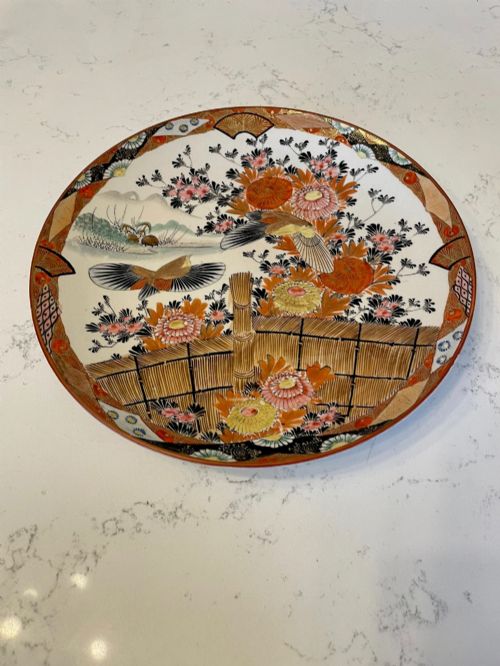
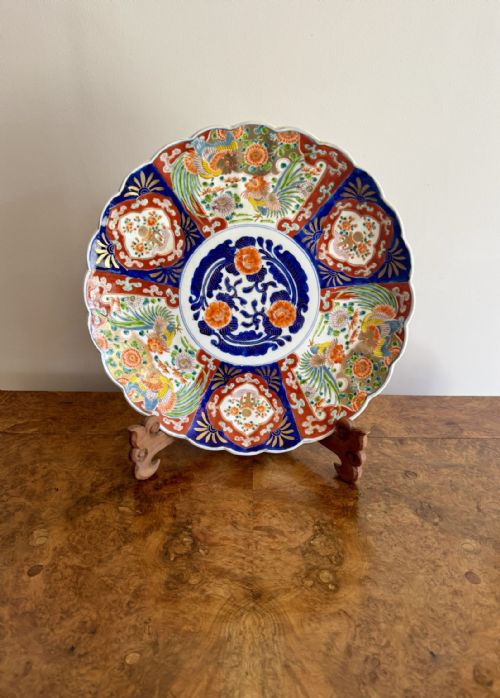
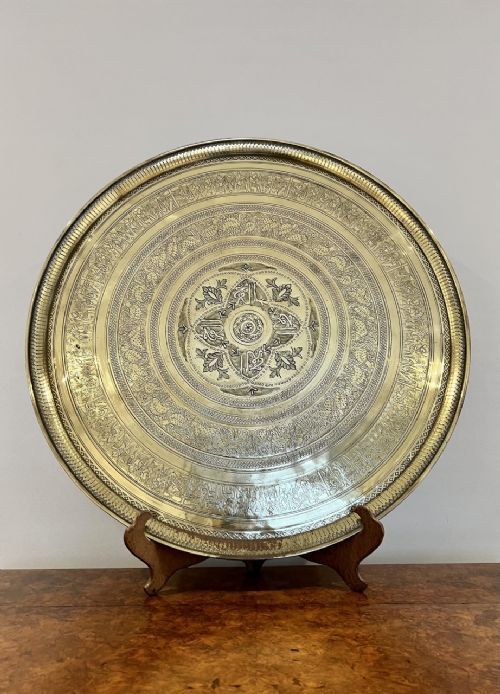
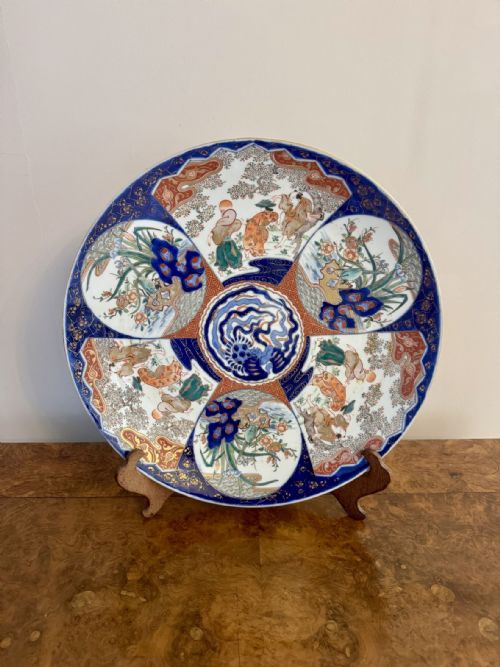
The pieces appearing here span from the nineteenth century into the mid-twentieth century, with a strong representation of Japanese export wares, European ceramics, and mixed metal trays. Japanese Imari and Cloisonné examples appear frequently alongside Victorian transferware, continental faience, and brass Cairo ware.
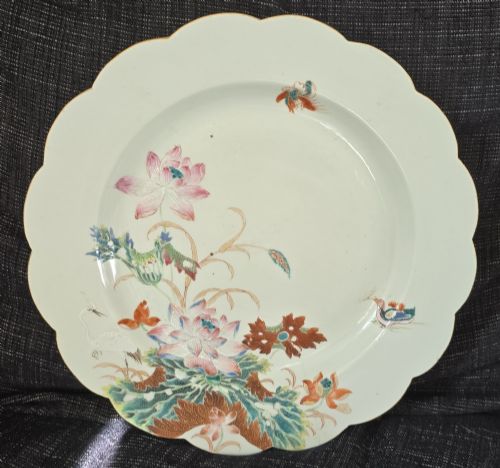
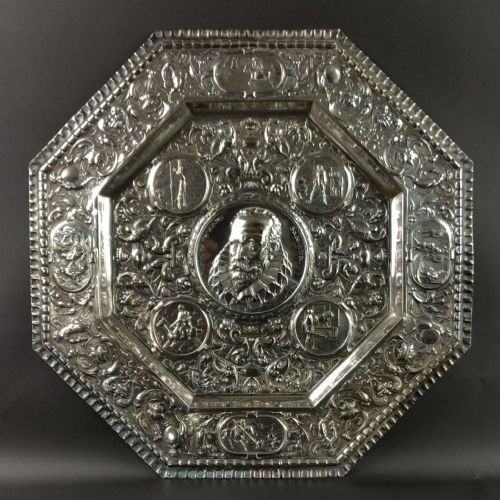
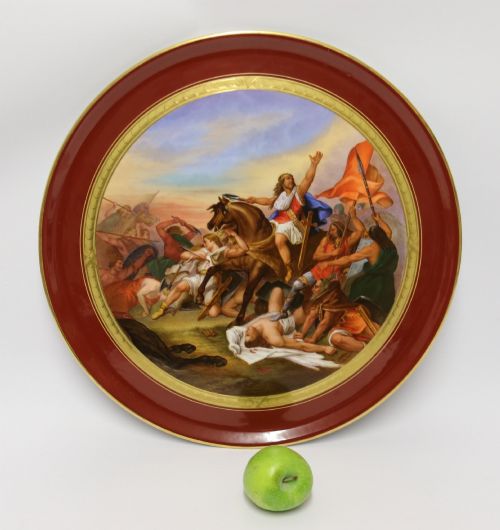
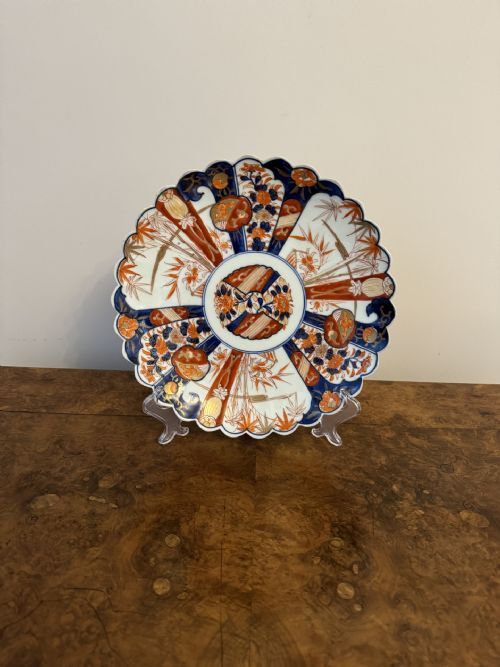
Forms vary from traditional circular chargers to scalloped plates, octagonal trays, and oval platters. Each object demonstrates a purpose centred on decoration, whether depicting historical scenes, classical figures, or intricate floral and avian motifs.
Materials and technique
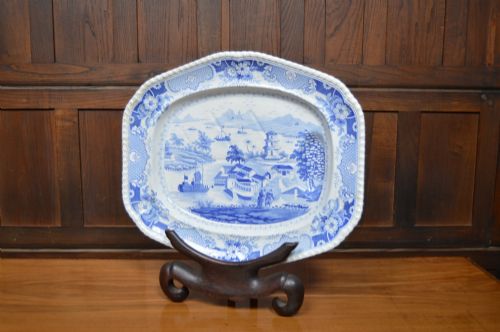
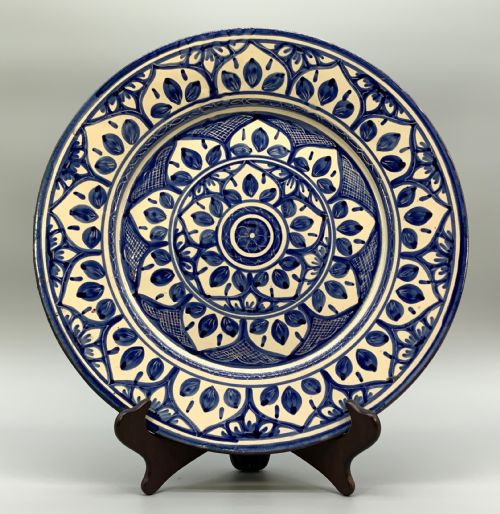
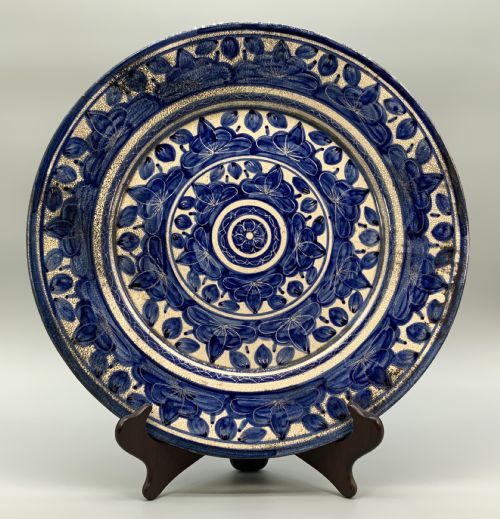
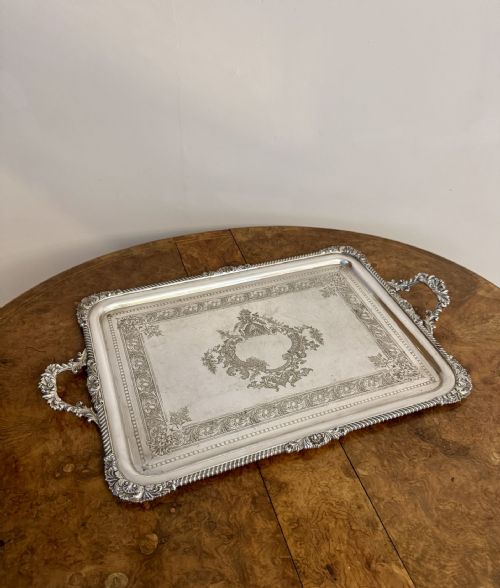
Ceramic pieces utilise porcelain, earthenware, and faience, shaped into wide surfaces and finished with glazes, hand-painted pigments, blue and white transfer printing, or raised moriage details. Artisans built metal examples from brass, copper, bronze, and silver-plated bases, employing repoussé hammering, engraving, and contrasting silver and copper metal inlay.
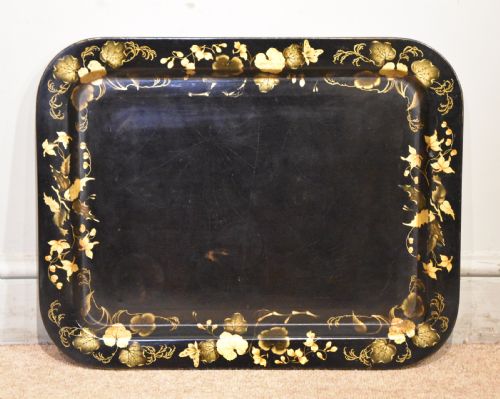
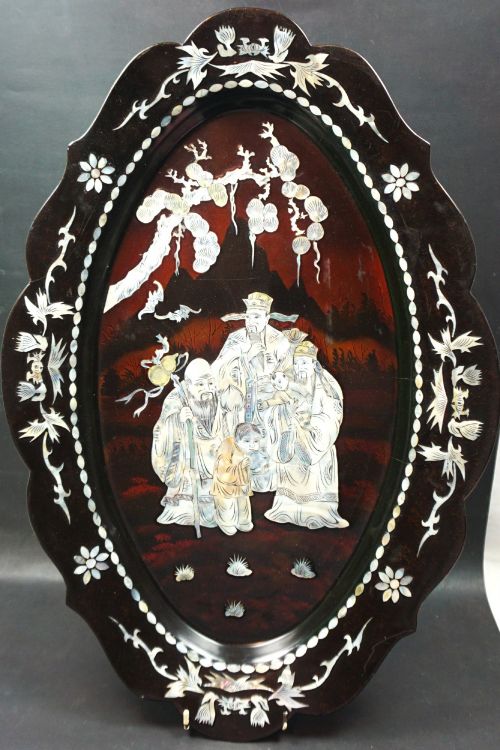
Organic and composite materials receive similar specialist attention, seen in lacquered wood embedded with mother of pearl and rigid papier-mâché finished with gilding and paint. Cloisonné works rely on delicate wire cells soldered to metal grounds to hold coloured enamel pastes before firing.
Listings feature pieces spanning the nineteenth and twentieth centuries, including Victorian, Edwardian, Regency, and Meiji period examples.
Evaluating craftsmanship
The standard of a large decorative platter rests on the precision of its surface execution, whether that involves the crispness of hand-painted porcelain scenes, the intricacy of repoussé metalwork, or the evenness of cloisonné enamelling. Greater depth of detail in figural depictions, such as historical narratives or avian and floral studies, signals superior workshop production.
Materials contribute heavily to distinction, separating standard transfer-printed wares from meticulously inlaid bronze Cairo ware or multi-layered Japanese cloisonné with complex wirework. Preservation of the original surface finish, whether glaze, lacquer, gilding, or mixed metal patination, maintains the integrity of the design.
Rene Lalique·Spode
The Large Decorative Platter Glossary
- Charger
- A large ornamental plate traditionally used for ceremonial display or placed beneath other courses. These pieces measure larger than standard dining plates and carry significant surface decoration.
- Cloisonné
- An enamelwork technique where thin metal wires form raised compartments on a metal base to hold coloured glass pastes. The piece undergoes firing and polishing to create a smooth, patterned surface.
- Cairo Ware
- Islamic metalwork produced in Egypt, typically featuring heavy brass or bronze bodies inlaid with intricate designs in silver and copper. These objects often display geometric and calligraphic motifs.
- Imari
- A style of Japanese export porcelain characterised by a palette of underglaze blue, iron red, and gilt highlights. Designs frequently incorporate dense floral and avian patterns.
- Repoussé
- A metalworking method where the artisan hammers the reverse side of a sheet of metal to raise a decorative relief design on the front. Chisels and punches then refine the surface details.
Large Decorative Platter: Frequently Asked Questions
How were large decorative platters used historically?
These large pieces served primarily as decorative displays on sideboards, tables, or walls rather than for serving food. Wealthy households utilised them to showcase fine craftsmanship, artistic motifs, and imported materials.
Heavier metal chargers and ceramic platters also functioned as centrepieces during formal gatherings to impress guests with elaborate pictorial scenes or precious metal inlay.
How do I hang a large charger safely?
Hanging a heavy ceramic or metal plate requires a specialised spring-loaded wall hanger designed to distribute weight evenly across the rim. Ensure the chosen bracket matches the exact diameter and depth of the platter.
Anchor the wall fixture securely into solid masonry or a stud rather than relying solely on plasterboard. Check the tension of the springs periodically to maintain a firm grip on the piece.
What is the difference between Imari and Satsuma wares?
Imari pieces consist of hard porcelain decorated with a distinct palette of deep cobalt blue, rust red, and gold accents. The designs often feature symmetrical floral arrangements and panels.
Satsuma wares utilise an earthenware body with a crackled ivory glaze, decorated using polychrome enamels and raised moriage details. Satsuma pieces typically focus on complex figural scenes, landscapes, and nature studies.
How should I clean antique papier-mâché trays?
Antique papier-mâché requires strictly dry maintenance using a soft, lint-free cloth to remove surface dust. Moisture can penetrate the foundational paper pulp and weaken the structure.
Avoid commercial cleaning sprays, water, and solvents entirely, as these substances dissolve historic varnishes and lift delicate gilding. Consult a conservator if deeper cleaning becomes necessary.
Can mixed metal trays be polished?
Mixed metal trays featuring brass, copper, and silver elements should not receive aggressive modern chemical polishing. Removing all tarnish strips away the historic patination that accumulates over decades.
Gentle dusting with a dry microfibre cloth protects the contrasting metals without altering the surface finish. Preserve the natural aged appearance that distinguishes nineteenth-century metalwork.