
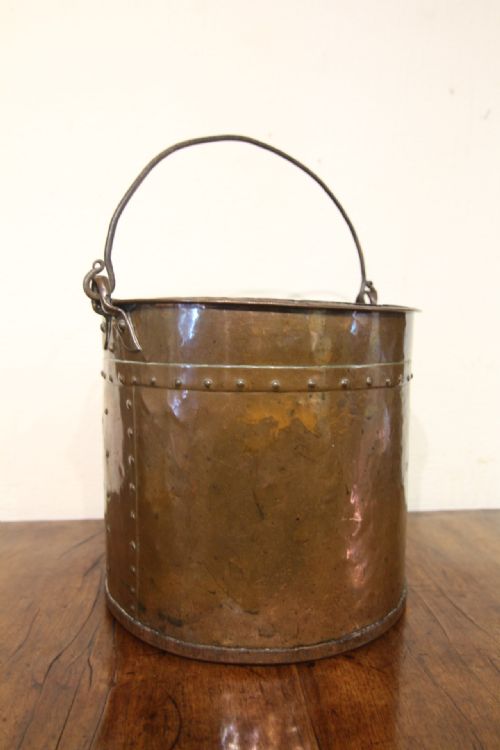


Large Copper Log Container
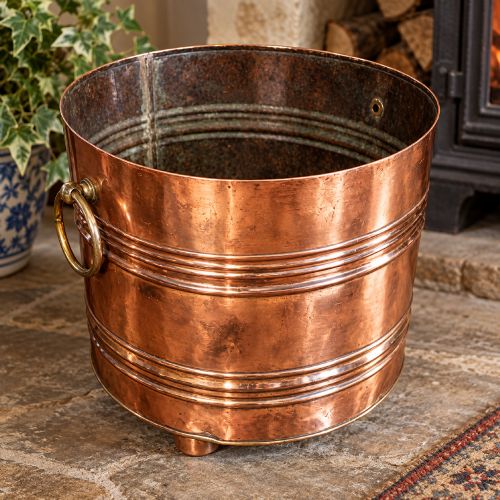
A large copper log container is a substantial hearth vessel designed to hold fuel or plants, bringing warmth and character to a room.
Large Copper Log Container
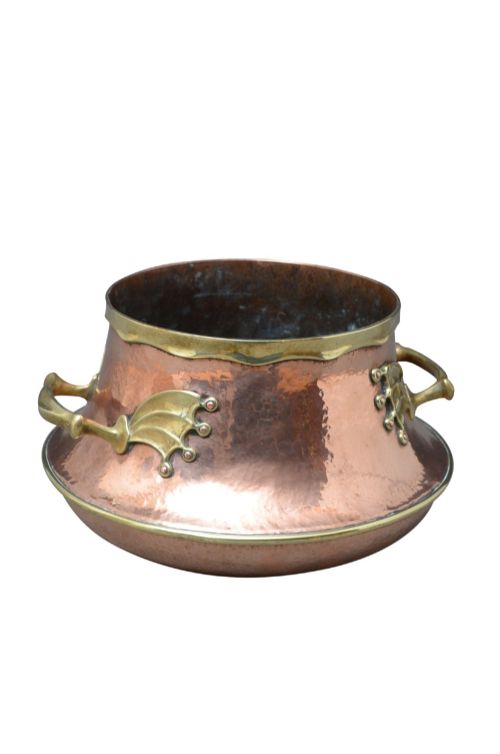
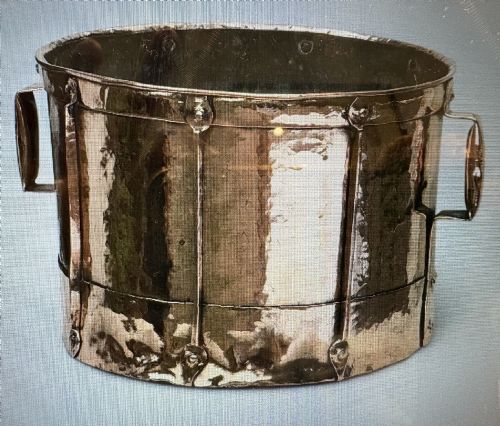
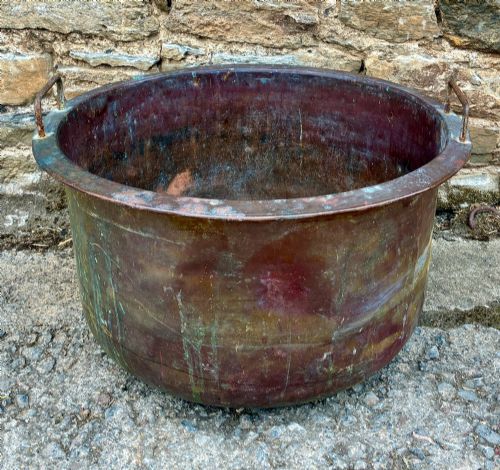
When you search for a large copper log container, you encounter robust vessels originally built for domestic labour, agriculture, or fireside use. These substantial pieces transition naturally from utilitarian origins into practical display items for modern interiors.
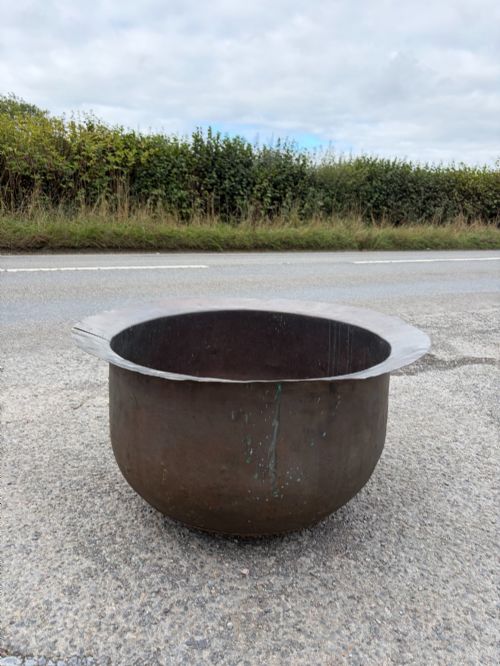
The versions most commonly met on this page date from the nineteenth century and the Victorian era, alongside examples from the early twentieth century. They take forms such as deep buckets, planters, cauldrons, jardinières, and grain measures.
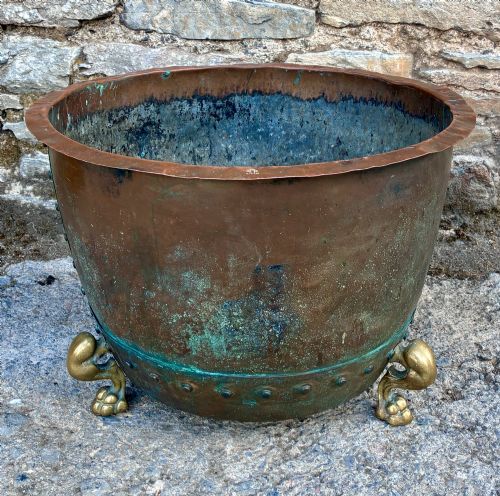
Origin styles span Victorian, Georgian, French Provincial, and Scandinavian Country aesthetics. Many double as garden planters or hearth accessories, retaining their metal handles, frames, and riveted construction.
How they were made
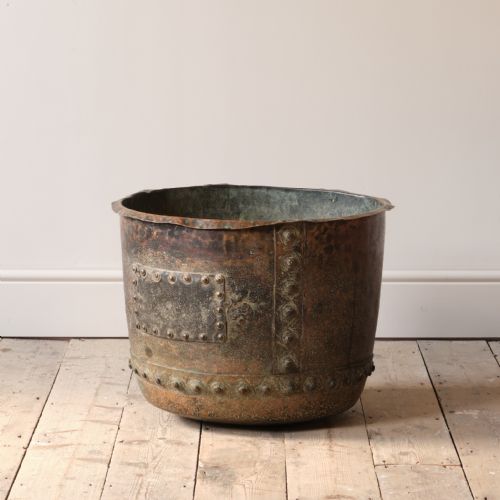
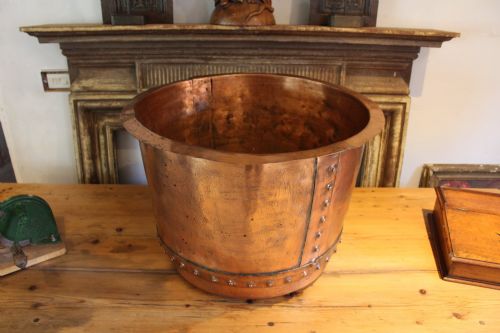
Makers constructed these containers primarily from sheet copper, joining overlapping seams with visible metal rivets for structural strength. Wrought iron and brass formed the handles, rims, and supporting frames.
Heavier vessels incorporated iron bands or sturdy swing handles to bear the weight of heavy fuel loads or damp soil. Tin linings sometimes protected the interior metal from moisture, while hammering shaped the body into cylindrical or rounded tubs.
Object types include log bins, wash tubs, cauldrons, water barrels, and jardinières, styled in rustic farmhouse and Victorian aesthetics.
What varies in quality
Quality rests in the weight of the metal sheet, the integrity of the riveted joins, and the survival of original mounts. Thicker copper resists denting and holds a deeper patination over decades of handling.
The refinement of the silhouette distinguishes domestic decorative vessels from heavy utilitarian boilers. Surviving original iron frames, brass trim, and matching lids elevate a piece above standard workshop output.
The Large Copper Log Container Glossary
- Riveted
- A method of joining metal plates using pins hammered flat at the ends. This technique provides both visual industrial character and structural durability.
- Jardinière
- An ornamental pot or stand designed for holding plants or flowers. These vessels often feature decorative brass handles and shaped rims.
- Cauldron
- A large round pot with a wide mouth, originally used for cooking or boiling water. In a modern interior, it serves as a deep container for logs.
- Ferrat
- A traditional French term associated with agricultural grain measures. These cylindrical copper vessels display distinct patination from farm use.
Large Copper Log Container: Frequently Asked Questions
How do I clean a copper log bin?
Wash the surface gently with warm soapy water and a soft cloth to remove dust and dirt. Avoid harsh chemical polishes that strip away historical patination.
Dry the metal thoroughly with a soft towel to prevent water spotting. Leave the natural ageing intact to preserve the character of the piece.
Can I use these containers outdoors?
Many examples function well in gardens or on patios as large planters. Copper withstands outdoor elements well while developing a natural green verdigris.
Protect vulnerable iron components from prolonged moisture if placed outside. Ensure adequate drainage if planting directly into the vessel.
What periods do these containers represent?
The selection includes pieces from the Georgian era through to the early twentieth century. Victorian utilitarian designs and nineteenth-century country items feature prominently.
Stylistic influences range from French Provincial and Scandinavian Country to Arts and Crafts. Each period reflects distinct manufacturing techniques and domestic requirements.
How do I date a copper log container?
Examine the construction methods, such as hand-hammered body panels and the style of the riveted joins. Machine-rolled sheets and specific maker marks point towards later nineteenth and twentieth-century production.
Compare the rim profile, handle attachments, and accompanying iron frames against known period forms. Variations in brass fittings and patination offer further clues to age.